
 Megtekintés
 Küldés
 Megosztás
 Részletek
 Útmutató

 Letöltés
 Hasonló darabok
 X-ray felvétel
 Diavetítés
 Q&A
Q&A Statisztika
Maréchal de Saxe

- 61.0 x 51.0 cm


 Összes részlet megjelenítése
Giclée / Műnyomat
Múzeumi minőségű giclée vagy vászonnyomat, gyors gyártással és rugalmas finomítási lehetőségekkel. ( Kézzel festett másolat rendelése Áttérés digitális képre)




P118B Ft10

P118H Ft10

P118W Ft10

P438Z Ft10

P508JH Ft12

P508YH Ft12

P805H Ft10

P805Z Ft10

P919BZ Ft10

P919G Ft10

P919XJ Ft10

P959ZH Ft10

P968JZ Ft12

W106C Ft8

W218G Ft10

W218JH Ft8

W218Y Ft10

W307PJ Ft10

W316G Ft10

W316PJ Ft8

W316Y Ft10

W398PJ Ft8

W4111J Ft10

W500HY Ft15

W500JH Ft15

W692G Ft12

W849H Ft8

W940BG Ft15

W953PJ Ft8




Válasszon előre meghatározott méreteink közül, amelyek megfelelnek a műalkotás eredeti arányainak.

Írja be a keretének vagy a falának megfelelő szélességet és magasságot. A nyomatot csak le lehet vágni, soha nem tehető nagyobbá, mint az eredeti kép, így egy eltérő alakú méretnél a kép egy része elveszik. Mielőtt bármit kinyatintanánk, küldünk egy digitális próbamodellt jóváhagyásra. Az oldalon látható kép nem tartalmazza a valós levágást — ezt csak a próbamodell mutatja meg.
Világszerte történő kiszállítás területére mindössze 2 hét alatt, a szokásos 4-5 hét helyett. (2 november)

Ingyenes globális expressz szállítás

Prémium minőségű len vászon

Teljes körű szállítási biztosítás

Vámvisszatérítési Garancia

Hiteles színarányosság garancia

100 napos visszaküldési lehetőség (csak hibás termékek esetén)

100% pénzvisszatérítési garancia

Több darab vásárlásakor kedvezmény
 Az üvegkeretes opció csak 110 cm alatti méretben érhető el

Maréchal de Saxe
Giclée / Műnyomat
Reprodukció mérete
-


Összesített ár
Ft 26198
A Vision of Rococo Grandeur
In the delicate dance of light and pigment, few works capture the aristocratic splendor of the eighteenth century as intimately as Maurice Quentin de La Tour’s 1731 pastel portrait, Maréchal de Saxe. To gaze upon this masterpiece is to step directly into the opulent intellectual landscape of Enlightenment France, where every brushstroke—or in this case, every soft application of pastel—serves to elevate the subject beyond mere mortal likeness. The portrait does not simply present a military commander; it orchestrates a symphony of power, prestige, and refined grace. Through the masterful use of the pastel medium, De La Tour achieves an ethereal luminosity that oil paints often struggle to replicate, allowing the skin tones to glow with a lifelike warmth and the fabrics to shimmer with a soft, tactile elegance.
The subject himself, the celebrated Maréchal de Saxe, is rendered with a profound sense of dignity. Clad in the authoritative attire of his station, he wears a striking blue sash draped across his shoulder, a symbol of high rank that cuts through the composition with a regal vibrancy. His black coat, punctuated by meticulously detailed gold buttons, speaks to the wealth and status inherent in his role as an influential advisor to Louis XV. De La Tour’s technical prowess is most evident in the subtle gradations of color; he blends hues of cerulean, cream, and gold so seamlessly that the textures of silk, lace, and skin appear almost tangible. This soft-focus brilliance is a hallmark of the Rococo style, creating an atmosphere that feels both intensely real and dreamily idealized.
The Intersection of Might and Intellect
Beyond the surface beauty of the portrait lies a deeper narrative regarding the cultural zeitgeist of the era. During this period, the ideals of the Enlightenment—reason, virtue, and intellect—were beginning to reshape the French court. De La Tour, a master of characterization, does not merely depict a soldier of war; he presents an embodiment of these very ideals. The Maréchal’s expression, marked by a quiet confidence and a gaze of seasoned wisdom, suggests a man whose strategic brilliance is matched by his philosophical depth. This portrayal aligns beautifully with the spirit of contemporaries like Voltaire, whose influence permeated the artistic circles of the time.
The minimalist background serves a vital compositional purpose, stripping away the distractions of a cluttered landscape to focus the viewer's entire emotional investment on the man himself. By placing the Maréchal against a plain, light-colored void, De La Tour ensures that the interplay of shadow and light on the subject's face becomes the focal point. This choice emphasizes the psychological depth of the sitter, inviting collectors and art enthusiasts to contemplate the weight of responsibility carried by such an influential figure.
An Enduring Legacy for the Discerning Collector
For the interior designer or the passionate art collector, a high-quality reproduction of Maréchal de Saxe offers more than just a decorative element; it provides a window into a vanished era of elegance. The piece possesses a unique ability to anchor a room, bringing a sense of historical gravity and sophisticated charm to any space. Whether placed in a sunlit library or a formal dining hall, the soft textures and regal color palette of the pastel medium evoke a feeling of timeless luxury.
Owning a reproduction of this caliber allows one to celebrate the technical mastery of Maurice Quentin de La Tour, an artist who redefined the possibilities of pastel. The artwork serves as a conversation piece that bridges the gap between the historical grandeur of the French monarchy and the modern aesthetic appreciation for fine detail and emotive portraiture. It is an investment in atmosphere, a tribute to the enduring power of the Rococo spirit, and a profound addition to any curated collection of fine art.
Kérdések és válaszok
Milyen technikával és milyen stílusban készült a "Maréchal de Saxe"?
A "Maréchal de Saxe" alkotásban a Pastel technika találkozik a Rococo Portraiture irányzattal.
Megrendelhető-e a "Maréchal de Saxe" olajfestmény kézzel festett másolata?
A "Maréchal de Saxe" kézzel festett olajfesték reprodukció lino vászonon formátumban is elérhető. A rendelés a Kézzel festett másolat oldalon adható le, különböző méretválasztékban.
Hogyan írják le „Maréchal de Saxe”, Maurice Quentin de La Tour alkotása színezetét?
A „Maréchal de Saxe”, Maurice Quentin de La Tour alkotása színek palettáját úgy jellemzik, mint Earthy. Ez a mű színeinek tömör leírása.
A művész életrajza
Maurice Quentin de La Tour: Élet a pasztellal
- Született: 1704. szeptember 5., Saint-Quentin, Franciaország
- Meghalt: 1788. február 17., Saint-Quentin, Picardia, Francia Királyság
- Neves: A rokokó arckép-festészet mestereként, aki Voltaire, XV. Louis és Madame de Pompadour hű arcképét örökítette be a pasztellal.
Korai évek és művészi fejlődés
- Maurice Quentin de La Tour egy zenészcsaládba született; apja, François de La Tour, a Maine herceg (Duc du Maine) udvari zenésze volt. Annak ellenére, hogy családja más utat tervezett számára, Maurice a festészet mellett döntött.
- 1724 körül Párizsba költözött, ahol megindította művészi pályáját. Első képzése Jacques Spoede tanítványkodást és egy rövid időszakot magában foglalott Reims városában. 1725-ben tett angliai utazása pedig tovább formálta és mélyen befolyásolta stílusát.
- Korai portréi, mint például a Voltaire-portré (1731), már akkor megmutatták azt a feltörekvő tehetséget, amellyel képes volt megörökíteni a karaktereket és az arckép hűségét. Ezt a portrét Langlois gravírozta, ami szélesebb körben hozta számára a hírnevet.
Művészi stílus és meghatározó alkotások
- A pasztell mesterietéke: De La Tour kivételes képessége miatt ünneplik a pasztell használatában. Ezt az alanyt olyan portrék erschorbására alkalmazta, amelyek lenyűgöző lágyaságot és finomságot sugároznak, képes félreérthetetlen árnyalatokat árasztani az arckifejezésekben és a textúrákban.
- Rokokó hatás: Művészete a rokokó stílus tökéletes példája, melyet az elegancia, a könnyedness és az uralkodó társadalmi rétegek ábrázolására való fókusz jellemzett.
- Jellegzetes alkotások:
- Portrait of Voltaire (1731) – Ez az alkotás alapozta meg hírnevét pályafutása korai szakaszában.
- Self-Portrait, Laughing (kb. 1737) – Megmutatja képességét a személyiség és a szellemesség ábrázolásában.
- Portrait of Madame de Pompadour – Egy jelentős megbízás, amely bizonyítja készségét egy olyan meghatározó alak hű ábrázolásában, mint a grófné.
- XV. Louis portréi – Több francia királyi portré, amelyek végleg rögzítették helyét az udvarban.
- Salon-szereplések: Rendszeresen exhibited a párizsi Salonon; három évtizeden át mutatta be portréi egy sorát, amelyből 150 alkotás lett a látogatók egyik legkedveltebb látványossága.
Elismerés és későbbi évek
- Királyi elismerés: 1737-ben a Királyi Festő- és Szobrászművészeti Akadémia elismerte művészetét. Később, 1750-ben lett a király hivatalos portréfestője.
- Jótékonyság: Vagyonának növekedésével de La Tour a jótékony céllal végzett tevékenységeknek szentelte magát; alapított egy rajzciklust Saint-Quentinben, és támogatott szegény művészeket is.
- Mentális nehézségek: 1773 körül idegösszeomlást élt át, ami mentális betegségek időszakaiba vezetett, végül szülővárosába, Saint-Quentinbe vonult vissza nyugdíjba.
Örökség és történelmi jelentőség
- De La Tour portréit rendkívül értékelik pszichológiai mélységük és technikai brillanciájuk miatt. A pasztellportré-festészetet új magasságokba emelte, és meghatározó példává vált a későbbi művészgenerációk számára is.
- Képes volt megörökíteni alanyai lényegét – személyiségüket, intelligenciájukat és társadalmi rangjukat –, ami őt korának egyik legkeresettebb portréfestőjévé tette.
- Napjainkban alkotásai a világ számos neves múzeumában megtalálhatóak, köztük a Louvre-ban is, értékes betekintést nyújtva a 18. századi francia társadalomba és az akkori művészeti gyakorlatokba.
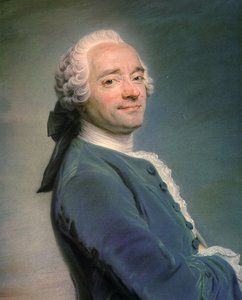
Maurice Quentin de La Tour
1704 - 1788 , Franciaország
Rövid információk
- Artistic Movement Or Style: Rokoko
- Artists Or Movements Influenced By This Artist: ['Északi Rokoko']
- Artists Who Influenced This Artist: ['Jacques Spoede']
- Date Of Birth: Szeptember 5., 1704.
- Full Name: Maurice Quentin de La Tour
- Nationality: Francia
- Notable Artworks:
- Portrét Voltaire
- Autoportrét
- Portrét Madame de Pompadour
- Place Of Birth: Saint-Quentin, Franciaország
Kapcsolódó cikkek

Maurice Quentin de La Tour: Light, Shadow & the Rococo Portrait
Explore the captivating world of Maurice Quentin de La Tour, a master of Rococo portraiture. Discover his innovative pastel techniques, intimate depictions of French aristocracy, and lasting artistic legacy. Learn more at OriginalUniqueArt.
The Elegance of Rococo Portraiture: A Journey Through Grace, Soft Light, and Pastel Dreams
Discover the exquisite world of Rococo portraiture. Explore the delicate beauty of 18th-century French art, from pastel light to graceful asymmetry, and learn how to bring this era of elegance into your home through masterfully hand-painted oil reproductions.
Georges de La Tour: Luminosity, Spirituality & Realism in Baroque Painting
Discover the captivating world of Georges de La Tour, a Baroque master renowned for his dramatic chiaroscuro & spiritual realism. Explore key works, influences, and his remarkable rediscovery. Learn more at OriginalUniqueArt.

Goya Mesterművei: A Spanyol Lélek 25 Legikonikus Képe – OriginalUniqueArt
Fedezze fel Goya 25 leglenyűgözőbb mesterművét! Ismerje meg a spanyol festő életművét, portréit és ikonikus képeit. Vásároljon prémium minőségű reprodukciókat a OriginalUniqueArt.com-on, és teremtsen egyedi otthoni dekorációt klasszikus művészettel! Explore the full collection online.
Águeda Ruiz de la Prada: A Study of Eclecticism & Emotional Resonance in Contemporary Spanish Painting
Discover the vibrant world of Ágatha Ruiz de la Prada, a leading figure in contemporary Spanish art. Explore her eclectic style, emotional depth & legacy – a must-read for discerning collectors.