

 Előnézet
 Megosztás
 Megosztás
 Részletek
 Útmutató

 Letöltés
 Hasonló darabok
 X-ray felvétel
 Diavetítés
 Statisztika
The Road


 Tovább olvasom
Az ezen az oldalon megjelenített műalkotások szerzői jogi védelem alatt állnak, ami azt jelenti, hogy törvényileg nem készíthetünk és nem adhatunk el belőlük pontos másolatokat. Ez a védelem olyan nemzetközi megállapodások alapján érvényesül, mint például a Berni Egyezmény és a nemzeti törvények által, beleértve azokat is, amelyeket meghatározott Az USA szerzői jogi törvénye – 17. cím.
Ez a módszer teljes mértékben megfelel a szerzői jogi szabályozásnak, mivel nem tartalmazza a védett műalkotás másolását vagy duplikálását. Ehelyett ez egy kreatív újinterpretáció – egy új festmény, amely az eredetivel való összefüggései miatt hatással van rá, de nem az az.
Giclée / Műnyomat
Múzeumi minőségű giclée vagy vászonnyomat, gyors gyártással és rugalmas finomítási lehetőségekkel. ( Kézzel festett másolat vásárlása Áttérés digitális képre)




































Válasszon előre meghatározott méreteink közül, amelyek megfelelnek a műalkotás eredeti arányainak.

Írja be a keretének vagy a falának megfelelő szélességet és magasságot. A nyomatot csak le lehet vágni, soha nem tehető nagyobbá, mint az eredeti kép, így egy eltérő alakú méretnél a kép egy része elveszik. Mielőtt bármit kinyatintanánk, küldünk egy digitális próbamodellt jóváhagyásra. Az oldalon látható kép nem tartalmazza a valós levágást — ezt csak a próbamodell mutatja meg.
Világszerte történő kiszállítás területére mindössze 2 hét alatt, a szokásos 4-5 hét helyett. (25 október)

Ingyenes globális expressz szállítás

Prémium minőségű len vászon

Teljes körű szállítási biztosítás

Vámvisszatérítési Garancia

Tökéletes színarányosság garancia

100 napos visszaküldési garancia (csak gyártási hibás termékek esetén)

100% pénzvisszatérítési garancia

Több darab vásárlásakor kedvezmény
 Az üvegkeretes opció csak 110 cm alatti méretben érhető el

The Road
Giclée / Műnyomat
Reprodukció méretei
-


Összesített ár
Ft 25642
A Journey Through Color: Maurice de Vlaminck's "The Road" (1926)
Maurice de Vlaminck’s “The Road,” painted in 1926, is a captivating example of Fauvism that transports the viewer to a moment suspended between reality and emotion. This work isn't merely a depiction of a road; it's an exploration of color, line, and the raw power of subjective experience. The painting portrays a winding road leading towards a village nestled amongst rolling hills, under a sky heavy with dramatic clouds. While seemingly simple in subject matter, Vlaminck’s treatment elevates it to a powerful statement about perception and feeling.Fauvism: A Revolution in Color
“The Road” firmly belongs within the Fauvist movement (roughly 1905-1908), a short but intensely influential period in modern art history. The term "Fauves" – meaning “wild beasts” – was initially used derisively to describe these artists, who shocked audiences with their bold and seemingly arbitrary use of color. Unlike Impressionists who sought to capture the fleeting effects of light, Fauvist painters like Vlaminck, Henri Matisse, and André Derain employed color expressively, using it to convey emotion rather than representational accuracy. In "The Road," this is evident in the striking contrast between the deep blues of the sky, the vibrant yellows and reds of the houses, and the earthy tones of the road itself. These colors aren't blended or softened; they are applied with a vigorous, almost impulsive energy, creating a visual intensity that defines the Fauvist aesthetic.Technique and Brushwork
Vlaminck’s technique is characterized by loose, energetic brushstrokes. He often painted outdoors *en plein air*, directly confronting nature and translating his immediate impressions onto canvas. The visible texture of the paint—thick impasto in places—adds to the painting's dynamism and immediacy. Notice how the lines defining the houses are not precise but rather suggested with broad strokes, contributing to a sense of movement and vibrancy. This expressive brushwork isn’t about meticulous detail; it’s about capturing the *feeling* of being present in that landscape – the wind, the light, the overall atmosphere.Emotional Resonance and Symbolism
Despite its seemingly straightforward subject, "The Road" evokes a sense of introspection and perhaps even melancholy. The overcast sky and the absence of figures contribute to a somber mood. The road itself can be interpreted symbolically as a metaphor for life’s journey – winding, uncertain, and leading towards an unknown destination. While there's no explicit narrative, the painting invites contemplation on themes of solitude, transition, and the passage of time. The vibrant colors, paradoxically, don't offer solace but rather amplify the underlying emotional complexity. Vlaminck’s work often draws inspiration from Van Gogh, sharing a similar intensity of feeling and a willingness to distort reality in pursuit of emotional truth.Bringing "The Road" into Your Space
A hand-painted reproduction of “The Road” offers a unique opportunity to bring the vibrancy and emotion of Fauvism into your home or office. Its bold colors and dynamic composition make it an ideal statement piece for modern interiors, while its introspective mood adds depth and character to any setting. Whether you are an avid art collector or simply seeking inspiration, this reproduction captures the essence of Vlaminck’s vision – a powerful testament to the expressive potential of color and form.Gyakran Ismételt Kérdések
Milyen színtelítettséggel rendelkezik „The Road”, Vlaminck alkotása?
A „The Road”, Vlaminck alkotása színei Balanced Soft telítettségűek. A telítettség azt mutatja meg, hogy a színek mennyire élénkek vagy fakók.
Mi a(z) domináns színe a(z) „The Road”, Vlaminck alkotása alkotásnak?
A „The Road”, Vlaminck alkotása domináns színe a Espresso (#45333c).
Hányan tekintik meg a(t): "The Road"?
A „The Road”, Vlaminck alkotása statisztikái a mű Statisztika oldalán érhetőek el: a mű havi látogatottsága, a művész alkotásainak megtekintése, valamint az utóbbi időszaki látogatók országos és nyelvi lebontása.
A művész életrajza
Early Life and Career
Maurice de Vlaminck, born April 4th, 1876, in Paris, France, emerged from a musical family – his father Edmond Julien taught violin, while his mother Lorraine instilled a love for piano. This formative upbringing profoundly shaped his artistic sensibilities, nurturing an instinctive connection to art that would define his entire career. He embarked on his artistic journey relatively late in life, around the age of twenty, initially pursuing self-education before honing his skills with unwavering dedication.The Fauvist Movement and Artistic Style
Vlaminck stands as a cornerstone of the Fauvist movement (1904–1908), a revolutionary artistic endeavor characterized by its audacious embrace of color and simplified forms. Alongside luminaries like André Derain and Henri Matisse, he formed part of this trailblazing group that vehemently challenged established artistic conventions. His distinctive style is instantly recognizable through several key elements:- Bold Color Choices: Vlaminck eschewed naturalistic hues, opting instead for vibrant, emotionally charged colors—a deliberate departure from Impressionist tradition. He believed color could convey feeling more effectively than precise representation.
- Energetic Brushwork: His canvases pulsate with dynamism thanks to thick, visible brushstrokes that capture the immediacy of observation and imbue his paintings with palpable energy. These expressive marks are a hallmark of Fauvist technique.
- Simplified Forms: Vlaminck frequently reduced landscapes and objects to their essential shapes—a stylistic decision prioritizing emotional impact over meticulous detail. This simplification reflects Cézanne’s influence, albeit filtered through the lens of Fauvism.
Influences and Artistic Development
Vlaminck’s artistic vision was undeniably shaped by Impressionism, particularly its focus on capturing fleeting moments illuminated by sunlight—a technique he skillfully adopted early in his career. However, the most transformative influence arrived after a visit to Vincent van Gogh's exhibition: Vlaminck declared his admiration for Van Gogh’s expressive brushwork and emotional intensity, mirroring the artist's own stylistic approach. This connection resonated deeply within him. From 1908 onwards, Cézanne’s palette—characterized by muted tones—influenced Vlaminck’s artistic explorations, prompting a shift towards monochromatic hues that conveyed solemnity and contemplation.Major Achievements and Historical Significance
Vlaminck's participation in the Salon d'automne exhibitions solidified his position as a pivotal figure in modern art history. His bold experimentation with color and form challenged prevailing aesthetic norms and paved the way for subsequent artistic movements, notably Expressionism. He is celebrated for capturing the raw essence of human experience—the beauty and brutality of nature—with uncompromising honesty and unparalleled technical skill. Today, Vlaminck’s paintings reside in prestigious museums across Europe and beyond, ensuring his legacy as one of the most important artists of the early 20th century continues to inspire admiration and scholarly study. His works, such as “Bougival” and “The Bridge at Chatou,” remain treasured symbols of Fauvist artistry—a testament to Vlaminck’s enduring contribution to the artistic canon.
Vlaminck
1876 - 1958 , Francia
Gyors információk
- Artistic Movement Or Style: Fauvizmus
- Artists Who Influenced This Artist: ['Vincent van Gogh']
- Date Of Birth: Április 4., 1876.
- Date Of Death: Október 11., 1958.
- Full Name: Maurice de Vlaminck
- Nationality: Francia
- Notable Artworks:
- Sur le zinc
- L'homme à la pipe
- Place Of Birth: Párizs, Franciaország
Kapcsolódó cikkek

Maurice Quentin de La Tour: Light, Shadow & the Rococo Portrait
Explore the captivating world of Maurice Quentin de La Tour, a master of Rococo portraiture. Discover his innovative pastel techniques, intimate depictions of French aristocracy, and lasting artistic legacy. Learn more at OriginalUniqueArt.
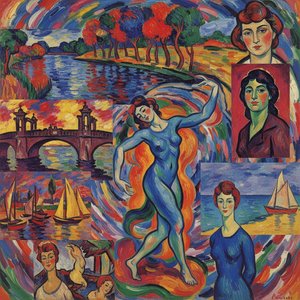
A Fauvizmus 10 Mesterműve: Színek és Érzések Világa – OriginalUniqueArt
Fedezze fel a fauvizmus 10 legikonikusabb műalkotását! Matisse, Derain és más mesterek intenzív színeivel teli festményeinek története. Vásároljon minőségi art reprodukciókat a OriginalUniqueArt.com-on, és hozza el az expresszionizmus vibráló világát otthonába! Fedezze fel teljes kollekciónkat online.

Goya Mesterművei: A Spanyol Lélek 25 Legikonikus Képe – OriginalUniqueArt
Fedezze fel Goya 25 leglenyűgözőbb mesterművét! Ismerje meg a spanyol festő életművét, portréit és ikonikus képeit. Vásároljon prémium minőségű reprodukciókat a OriginalUniqueArt.com-on, és teremtsen egyedi otthoni dekorációt klasszikus művészettel! Explore the full collection online.
A Fauvizmus 10 Mesterműve: Színek és Érzések a Modern Művészetben | OriginalUniqueArt.com
Fedezze fel a Fauvizmus 10 legikonikusabb műalkotását! Matisse, Derain és más festők színes világa várja Önt. Ismerje meg a modern művészet történetét és inspirálódjon otthona dekorációjához. OriginalUniqueArt.com - Múzeumi minőségű reprodukciók online!

A Romantikus Tájképfestészet 10 Legikonikusabb Műalkotása – OriginalUniqueArt.com
Fedezze fel a romantikus tájképfestészet 10 legikonikusabb műalkotását! Caspar David Friedrich, J.M.W. Turner és más mesterek festményeinek története – inspiráló olajfestmények otthonába. OriginalUniqueArt.com: múzeumi minőségű reprodukciók és egyedi dekorációk online.