

 Megtekintés
 Küldés
 Megosztás
 Részletek

 Letöltés
 Hasonló darabok
 X-ray felvétel
 Diavetítés
St John Cast into Prison


 Összes részlet megjelenítése
Vásároljon nagy felbontású, javított digitális képet, amely minőségében messze felülmúlja az online előnézetet.
Minden fájlt szakembereink a legmodernebb eszközök és precíz, kézi retusálás segítségével készítenek el aprólékosan. Gondoskodunk arról, hogy minden kép kivételes tisztasággal, pontos színhelyességgel és részletgazdag finomsággal rendelkezzen.
A végleges fájl 72 órán belül e-mailben megérkezik, professzionális, szerkesztői és nyomtatási környezetbe optimalizálva az azonnali használathoz. Ez ugyanaz a minőség, amelyben a legmeghatározóbb tervezőstúdiók, kiadók és galériák is megbízhatnak.
Digitális kép
Töltsön le nagy felbontású fájlt személyes kiállításokhoz, nyomtatáshoz és kreatív projektekhez. ( Nyomat rendelése Kézzel festett másolat rendelése)
Minden digitális kép rendeléséhez tartozó extrák
Szakértői digitális kézbesítés, garantáltan
Amikor a OriginalUniqueArt.com szolgáltatást választja, nem csupán egy képet kap – professzionálisan felmagasított digitális műalkotást kap, amely precizitással készült, és amelyet megelégsedési gwarancia tesz biztoslássá. Az alábbiakban automatikusan minden benne 】

Gyors e-mail teslimítés
A nagy felbontású digitális képmásolatát a megrendelést követő 72 órán belül e-mailben elküldjük Önnek – azonnal használható formátumban.

MI-alapú digitális fejlesztésű fájl
Műve professzionális módon kerül optimalizálásra fejlett mesterséges intelligencia eszközök és manuális szerkesztés segítségével, biztosítva a maximális részletességet, tisztaságot és színpontosságot.

Örök életű ingyenes újradelivery
Véletlenül törölted vagy elvesztetted a fájlodat? Ne aggódj – bármikor ingyen újra megküldjük neked.

Nincs importköltség – soha
Élvezze műalkotásait azonnal, vám, illeték vagy szállítási költség nélkül – a digitális letöltések mindig adamentesek.

Színpontosság garantálása
Professzionális eszközök és színkezelés segítségével garantáljuk, hogy digitális képe a lehető legpontosabban tükrözze az eredeti színeket.

60 napos elégedettségi garancia
Ha nemມີ elégedett a digitális képpel, 60 napon belül átmunkáljuk azt, vagy 100% visszatérítjük az amountot – kérdés nélkül.

100% Pénzvisszatérítési garancia
Nem érheted el a teljes elégedettséget? 60 napon belül teljes visszatérítést kapsz a digitális fájlod megérkezése után – kérdés nélkül.

Tömegrendelési kedvezmények
Vásároljon 3 képet, spóroljon 10%-et - Vásároljon 5-öt, spóroljon 15%-et - Vásároljon 10+ képet, spóroljon 20%-at. Kiváló kreatív projektekhez, galériákhoz és ügynökségekhez.
A gyűjtemény részletei
The Weight of Faith: Mattia Preti’s “St John Cast into Prison”
Within the hushed confines of the Conventual Church of St. John in Valletta, Malta, hangs a fresco that transcends mere depiction; it is a visceral embodiment of suffering, faith, and the enduring spirit of martyrdom. Mattia Preti's "St John Cast into Prison," painted in 1661, isn’t simply a historical scene—it’s a dramatic tableau brimming with Baroque intensity, a testament to the artist’s mastery of light, shadow, and psychological depth. The painting immediately commands attention not through opulent grandeur, but through a carefully orchestrated sense of unease and profound sorrow. Preti, a Calabrian knight deeply influenced by Caravaggio's revolutionary approach to art, masterfully utilizes tenebrism – a stark contrast between light and dark – to draw the viewer into the heart of the narrative.
The focal point is undoubtedly St. John the Baptist, rendered not as an idealized saint but as a man stripped bare, both physically and spiritually. His loincloth exposes his vulnerability, while his long hair and beard speak to a life lived in service of faith, now brutally curtailed. The dynamism of his pose—a desperate reach towards an unseen tormentor—suggests a struggle far greater than mere imprisonment; it embodies the agonizing weight of betrayal and persecution. Surrounding him is a chaotic assembly of figures: soldiers bearing spears, fellow prisoners radiating despair, and onlookers caught in moments of horrified observation. Each face is meticulously rendered with individual expression, conveying a spectrum of emotions – fear, anger, resignation—that amplifies the overall sense of drama.
Baroque Drama and Caravaggist Roots
Preti’s artistic lineage is inextricably linked to Caravaggio, whose influence permeates every aspect of this fresco. Like Caravaggio, Preti employed a dramatic use of light to highlight key figures and create a powerful emotional impact. The strong directional lighting casts deep shadows, emphasizing the textures of clothing and flesh, lending an almost sculptural quality to the scene. This technique isn’t merely aesthetic; it serves to heighten the sense of drama and underscore the suffering endured by St. John. Furthermore, Preti's composition echoes Caravaggio’s penchant for grouping figures in dynamic arrangements, creating a visual rhythm that guides the viewer’s eye through the narrative.
The painting is firmly rooted within the Baroque period, characterized by its emotional intensity, dramatic lighting, and elaborate ornamentation. However, Preti departs from some of the more overtly decorative tendencies of the era, opting for a greater emphasis on realism and psychological depth. The faces of the prisoners are particularly compelling—they aren’t idealized representations of suffering but rather portraits of genuine anguish. This commitment to portraying human emotion distinguishes Preti's work and elevates it beyond mere historical illustration.
Symbolism and Historical Context
Beyond its immediate narrative, “St John Cast into Prison” is rich in symbolic meaning. The shield bearing the cross above St. John’s head serves as a potent reminder of his martyrdom—a sacrifice made in defense of his faith. The chaotic scene surrounding him reflects the turbulent political and religious climate of 17th-century Malta, where the Knights Hospitaller, to whom St. John was devoted, were embroiled in conflicts with various European powers. The painting can be interpreted as a commentary on the persecution faced by Christians during this period, highlighting their resilience and unwavering commitment.
The fresco’s location within the Conventual Church of St. John further enhances its significance. It served not only as a devotional image for pilgrims but also as a powerful symbol of the Order's dedication to St. John the Baptist—a figure revered throughout Christendom. The painting’s placement within this sacred space underscores its enduring importance and its ability to evoke profound spiritual reflection.
A Legacy of Emotion and Technique
“St John Cast into Prison” is more than just a beautiful artwork; it's a poignant meditation on faith, suffering, and the human condition. Mattia Preti’s masterful use of light, shadow, and composition creates a scene that is both visually arresting and emotionally resonant. The painting’s enduring appeal lies in its ability to capture the intensity of a pivotal moment in Christian history while simultaneously exploring universal themes of betrayal, resilience, and hope. Reproductions of this powerful fresco offer a remarkable opportunity to experience Preti's artistic genius firsthand, bringing a touch of Baroque drama and spiritual depth into any space.
A művész életrajza
A Calabrian Knight of the Baroque: Mattia Preti’s Dramatic Vision
Mattia Preti, known as *Il Cavalier Calabrese* – the Calabrian Knight – stands as a pivotal figure in 17th-century Italian Baroque painting. Born in Taverna, Calabria, on February 24, 1613, his artistic journey was one of dynamic evolution, absorbing diverse influences and culminating in a uniquely expressive style that left an indelible mark on the art world, particularly in Malta where he would spend much of his later life. Preti’s early training began under Giovanni Battista Caracciolo, a painter deeply rooted in the Caravaggist movement. This foundational exposure instilled within him a profound understanding of dramatic chiaroscuro – the intense interplay of light and shadow – and a commitment to realistic depiction that would remain hallmarks of his work throughout his career. Before 1630, he joined his brother Gregorio in Rome, immersing himself in the artistic ferment of the city and studying the masters who defined the era: Caravaggio, Guercino, Rubens, Guido Reni, and Giovanni Lanfranco. This period was crucial, shaping not only his technical skills but also his aesthetic sensibilities.Forging a Dynamic Style
Preti’s artistic development wasn't merely imitation; it was a synthesis of influences, skillfully woven into a style distinctly his own. While initially steeped in Caravaggism, he gradually moved beyond its strict confines, embracing the dynamism and emotional intensity that characterized the High Baroque. His time in Naples further refined this evolution, exposing him to the vibrant work of Luca Giordano. This period saw Preti’s canvases swell with energetic movement, complex compositions, and a heightened sense of drama. He masterfully employed dramatic contrasts of light and shadow, inherited from Caravaggio, not simply as a technical device but as a means of intensifying emotional impact and guiding the viewer's eye. His figures are imbued with palpable emotion, conveyed through expressive faces and dynamic body language. This ability to evoke powerful feelings – piety, anguish, ecstasy – became a defining characteristic of his oeuvre. He wasn’t content merely to depict scenes; he sought to *animate* them, breathing life into biblical narratives and religious iconography. The influence of Luca Giordano is particularly evident in the looser brushwork and vibrant color palettes that appear in many of Preti's later works.Commissions and Masterpieces Across Italy
Mattia Preti’s talent quickly garnered recognition, leading to a series of significant commissions throughout Italy. Early in his career, he created impressive fresco cycles for Roman churches like Sant’Andrea della Valle and San Carlo ai Catinari, demonstrating an aptitude for large-scale decorative painting. His work at the church of San Biagio in Modena showcased his ability to adapt his style to different architectural settings. However, some of his most ambitious – though sadly lost – works were the frescoes he painted on seven city gates in Naples depicting the Virgin or saints delivering people from the plague. Though only sketches remain today, they testify to the scale and impact of these monumental creations. These commissions weren’t simply about fulfilling a patron's request; they were opportunities for Preti to engage with the religious and cultural life of the communities he served, imbuing his art with meaning and purpose. He also worked on several altarpieces during this period, demonstrating his versatility and mastery of different subjects.The Maltese Zenith: St. John’s Co-Cathedral
It was in Malta, however, that Mattia Preti reached the pinnacle of his artistic achievement. Appointed a Knight of the Order of Saint John in 1660, he embarked on a transformative project: the complete redecoration of the interior of St. John’s Co-Cathedral in Valletta. This undertaking – arguably his most significant legacy – involved an astonishing series of paintings depicting the life and martyrdom of Saint John the Baptist. The sheer scale of the project is breathtaking; Preti essentially created a visual narrative that enveloped the viewer, immersing them in the story of the saint. The opulent Baroque setting provided the perfect canvas for his dramatic style, and the resulting artwork cemented his reputation as one of Europe’s leading painters. His work at St. John's wasn't merely decorative; it was an act of devotion, a testament to his faith, and a powerful expression of the Order’s religious identity. The ceiling frescoes are particularly renowned for their dynamism and emotional intensity, capturing the essence of biblical scenes with remarkable skill.A Lasting Legacy
Mattia Preti continued to receive commissions from across Europe following his success in Malta, solidifying his position as a leading figure in Italian Baroque art. He died in 1699, leaving behind a rich artistic legacy that continues to inspire and captivate audiences today. His masterful use of light and shadow, dynamic compositions, and ability to convey intense emotion remain hallmarks of his style. His contributions are preserved in museums such as the Capodimonte Museum in Naples, and through reproductions made available by platforms like OriginalUniqueArt.com, ensuring that his art continues to reach new generations. The enduring impact of Preti’s work is perhaps most vividly felt within the walls of St. John’s Co-Cathedral, a breathtaking testament to his artistic genius and unwavering dedication to the Baroque aesthetic. *Il Cavalier Calabrese* truly earned his title, not only as a knight but as a master painter who illuminated the world with his vision.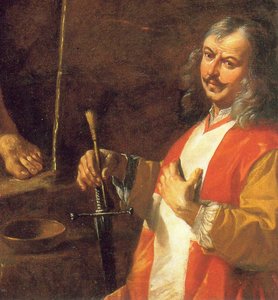
Mattia Preti
1613 - 1699 , Olaszország
Érdekességek
- Artistic Movement Or Style: Barokk
- Artists Or Movements Influenced By This Artist: ['Calabria']
- Artists Who Influenced This Artist:
- Caravaggio
- Guercino
- Date Of Birth: Feb 24, 1613
- Date Of Death: Jan 3, 1699
- Full Name: Mattia Preti
- Nationality: Olasz
- Notable Artworks:
- Saint George
- Absalom
- Place Of Birth: Taverna, Calabria

