
 Megtekintés
 Küldés
 Megosztás
 Részletek
 Útmutató

 Letöltés
 Hasonló darabok
 X-ray felvétel
 Diavetítés
 Kérdések és válaszok
 Statisztika
St Sebastian

- 232.0 x 76.0 cm


 Összes részlet megjelenítése
Giclée / Műnyomat
Múzeumi minőségű giclée vagy vászonnyomat, gyors gyártással és rugalmas finomítási lehetőségekkel. ( Kézzel festett másolat rendelése Áttérés digitális képre)




P118B Ft10

P118H Ft10

P118W Ft10

P438Z Ft10

P508JH Ft12

P508YH Ft12

P805H Ft10

P805Z Ft10

P919BZ Ft10

P919G Ft10

P919XJ Ft10

P959ZH Ft10

P968JZ Ft12

W106C Ft8

W218G Ft10

W218JH Ft8

W218Y Ft10

W307PJ Ft10

W316G Ft10

W316PJ Ft8

W316Y Ft10

W398PJ Ft8

W4111J Ft10

W500HY Ft15

W500JH Ft15

W692G Ft12

W849H Ft8

W940BG Ft15

W953PJ Ft8




Válasszon előre meghatározott méreteink közül, amelyek megfelelnek a műalkotás eredeti arányainak.

Írja be a keretének vagy a falának megfelelő szélességet és magasságot. A nyomatot csak le lehet vágni, soha nem tehető nagyobbá, mint az eredeti kép, így egy eltérő alakú méretnél a kép egy része elveszik. Mielőtt bármit kinyatintanánk, küldünk egy digitális próbamodellt jóváhagyásra. Az oldalon látható kép nem tartalmazza a valós levágást — ezt csak a próbamodell mutatja meg.
Világszerte történő kiszállítás területére mindössze 2 hét alatt, a szokásos 4-5 hét helyett. (6 november)

Ingyenes globális expressz szállítás

Prémium minőségű len vászon

Teljes körű szállítási biztosítás

Vámvisszatérítési Garancia

Hiteles színarányosság garancia

100 napos visszaküldési lehetőség (csak hibás termékek esetén)

100% pénzvisszatérítési garancia

Több darab vásárlásakor kedvezmény
 Az üvegkeretes opció csak 110 cm alatti méretben érhető el

St Sebastian
Giclée / Műnyomat
Reprodukció mérete
-


Összesített ár
Ft 26460
A Vision of Martyrdom and Grace
In the quiet corridors of the Musée d'Unterlinden, there exists a painting that does not merely depict a scene, but breathes with the raw, unshielded intensity of human suffering and divine resilience. Matthias Grünewald’s St Sebastian, completed around 1515, is far more than a religious icon; it is a profound psychological landscape. At first glance, the viewer is struck by the visceral reality of the figure—a man caught in the agonizing intersection of physical torment and spiritual transcendence. Unlike many Renaissance depictions that favor idealized, classical beauty, Grünewald embraces a Northern European tradition of unflinching realism. The saint’s body, pierced by arrows, serves as a canvas for an exploration of pain, yet there is an undeniable elegance in his posture that suggests a soul already beginning its ascent toward the divine.
The composition is a masterclass in dramatic tension and atmospheric depth. Grünewald utilizes a somber, dark interior to push the figure of St. Sebastian into the immediate foreground, creating an intimacy that feels almost intrusive. Light plays a pivotal role here, streaming from a window on the left to sculpt the musculature of the torso and illuminate the wounds with a haunting clarity. This use of chiaroscuro—the dramatic interplay of light and shadow—does more than create three-dimensional form; it directs the viewer's emotional journey, pulling our eyes toward the crimson marks of martyrdom. The presence of a delicate vase of flowers on the periphery offers a poignant contrast, a fleeting whisper of natural beauty set against the heavy, eternal weight of the saint's sacrifice.
The Language of Symbolism and Technique
To gaze upon this masterpiece is to read a complex language of symbols deeply rooted in the late medieval and early Northern Renaissance consciousness. Each arrow embedded in the flesh is not merely a weapon of execution but a symbol of the piercing nature of faith and the shared suffering of Christ. The vibrant yet subdued palette, dominated by earthy tones and punctuated by sudden, startling flashes of red, mirrors the biological reality of blood and wound. Grünew nwald’s technique involves a meticulous layering of oil paint that creates an illusionistic surface, allowing the textures of skin, fabric, and light to feel palpably real. His brushwork, while precise in anatomical detail, possesses a rhythmic energy that captures the very vibration of life under duress.
For the discerning collector or interior designer, a reproduction of this work offers more than mere decoration; it provides a focal point of profound intellectual and emotional gravity. The painting’s ability to command a room lies in its duality—it is simultaneously unsettling and deeply comforting. It invites contemplation on themes of endurance, the beauty found within struggle, and the transformative power of devotion. Whether placed in a curated gallery setting or as a centerpiece in a sophisticated study, St Sebastian serves as a timeless testament to the human spirit's capacity to endure the unimaginable and emerge with a quiet, luminous dignity.
Kérdések és válaszok
Mikor készült a "St Sebastian"?
A „St Sebastian”, Grünewald Matthias alkotása alkotása 1515-ben készült.
Honnan érkeznek a „St Sebastian”, Grünewald Matthias alkotása látogatói?
A "St Sebastian" számára létre van hozva egy Statisztikák oldal. Ez az oldal ábrázolja a mű és a művész többi alkotásának havi látogatottságát, országon és nyelvenként bontva.
Megtekinthetem a "St Sebastian" alkotást részletesebben?
A „St Sebastian” rétegről rétegre vizsgálható a mű alkotásának X-ray felvétel oldalán, amely egy restaurátori fényasztal alapján készült interaktív néző, és tizenegyi optikai rétegben mutatja be a képet.
A művész életrajza
Matthias Grünewald: Élet és örökség
Korai élet és művészeti kezdetek
Matthias Grünewald, aki Mathis Gothart Neithardt néven született körülbelül 1470-1475 között Würzburgban, Németországban, a német reneszánsz egyik meghatározó alakja volt. Annak ellenére, hogy egy olyan korszakban élt, amelyet egyre inkább az olasz reneszánsz eszméi átháztak, Grünewald mélyen gyökerezett Közép-Európa késő középkori művészeti hagyományaiban. Korai életéről kevés részlet érhető el, de tudatunkból ismert, hogy művészi képzettségét valószínűleg a helyi műtermekben szerezte.
Művészeti fejlődés és hatások
Grünewald művészeti fejlődése a korabeli észak-európai hagyományok határozták meg, különös tekintettel a realizmusra, az érzelmi intenzitásra és a részletgazdag megfigyelésre. Műveiben láthatóak olyan művészek hatásai, mint Albrecht Dürer vagy Martin Schongauer, azonban ő egy teljesen egyedi utat nyitott meg, amelyet a drámai kifejezésmód és a vibráló színek jellemeztek. Nem vett közvetlenül részt az olaszországrában elterjedt humanista körök tevékenységében; helyette művészete elsősorban vallási célokat szolgált, tükrözve korának lelki vágyait és spirituális szorongásait.
Főbb művek és művészeti stílus
- Az Isenheim-oltár (1512-1516): Ez a mestermű, amely a colmari Musée d'Unterlindenben található, tekinthető Grünewald magnum opusára. Krisztus életének jeleneteit ábrázolja meg szörnyű realizussal, különös tekintettel a szenvedésre és a megváltásra.
- A keresztfűzés (kb. 1502-1503): Egy korai alkotás, amely demonstrates fejlődő stílusát, bemutatva az intenzív érzelmeket és az anatómiai részletességet.
- Az Ébredő Madonna (1512-14): Az Isenheim-oltárhoz készült tanulmány, amely feltárja művész aprólékos tervezési folyamatát.
- Mózes (1511): Egy rajz, amely kiemeli Grünewald képességét az expresszív alakok és drámai pózok megörökítésében.
Grünewald stílusát az alábbi jellemzők különböztetik meg:
- Drámai kompozíció: Dinamikus elrendezéseket alkalmazott az érzelmi hatás fokozása érdekében.
- Éles színpaletta: Intenzív, gyakran kontrasztos színei erőteljes vizuális élményt teremtettek.
- A szenvedés realista ábrázolása: Grünewald nem félett megjeleníteni a vallási narratívákhoz kapcsolódó fizikai és lelki fájdalmat.
- Expresszív alakok: Karakterei erős érzelmekkel és pszichológiai mélységgel teltek.
Történelmi jelentőség és örökség
Grünewald munkássága tanúbizonysága a németországi középkori művészeti hagyományok állhatóságának a reneszánsz idején. Áthidalta a szakadékot a késő gótikus stílus és a feltörekvő reneszánsz között, egy olyan egyedi vizuális nyelvet alkotva, amely azonnal megszólította kortársait. Hatása jól látható a későbbi német művészeknél is, akik továbbra is kutgatták a vallásos elkötelezettség és az érzelmi intenzitás témáit. Bár 1528-as halála után évszázadokon át nagy része feledve maradt, Grünewald a 19. században újrazsárolódott, és ma már a német reneszánsz egyik legfontosabb festőjeként ismerték. Művészete napjainkig lenyűgözi a nézőket nyers érzelmeivel, technikai zsenialitásával és mély spirituális mélységével.
További felfedezés
Fedezze fel Matthias Grünewald életét és műveit tovább itt: OriginalUniqueArt

Grünewald Matthias
1480 - 1528 , Германия
Rövid információk
- Artistic Movement Or Style: Late Medieval német művészet
- Artists Or Movements Influenced By This Artist: ['Albrecht Dürer']
- Artists Who Influenced This Artist:
- Albrecht Dürer
- Martin Schongauer
- Date Of Birth: 1470/1483 körül
- Date Of Death: 1528 körül
- Full Name: Matthias Grünewald
- Nationality: Német
- Notable Artworks:
- Az Isenheim Altárképe
- A Keresztrefeszítés
- Szent László oltára
- Place Of Birth: Würzburg, Németország
Kapcsolódó cikkek

A müncheni Alte Pinakothek 25 Mesterműve: Klasszikus festmények otthonra – OriginalUniqueArt.com
Fedezze fel a müncheni Alte Pinakothek 25 legikonikusabb művészeti remekművét! Reneszánsz és barokk festmények, Leonardo da Vinci, Dürer alkotásai – inspiráló történetek és magas minőségű reprodukciók. Otthonra vagy ajándékba? OriginalUniqueArt.com-on minden megtalálható!
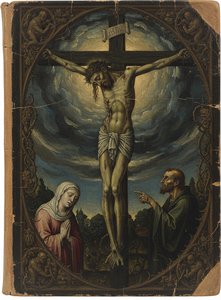
Matthias Grünewald: Devotion, Distortion & Spiritual Turmoil in Renaissance Art
Explore the profound religious art of Matthias Grünewald, master of the Isenheim Altarpiece. Discover his unique expressionism, symbolism & lasting impact on Renaissance painting. A guide for collectors and enthusiasts.

El Greco 25 Mesterműve: A Spanyol Reneszánsz Legkiemelkedőbb Alkotásai – OriginalUniqueArt.com
Fedezze fel El Greco 25 leglenyűgözőbb művészeti alkotását! Ismerje meg a spanyol reneszánsz és manierizmus mesterét, festményeinek történetét és spirituális mélységét. Luxus reprodukciók – OriginalUniqueArt.com.
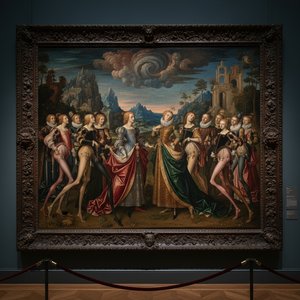
Northern Mannerism: The Dramatic Evolution of Renaissance Art and the Mastery of Elegant Distortion
Explore the dramatic evolution of Northern Mannerism. Discover how masters like Bosch and Grünewald transitioned from Renaissance harmony to profound, elegant distortion through an expert analysis of symbolism, emotional intensity, and artistic innovation.

The Northern Renaissance: A Flourishing of Realism, Religious Reform & Artistic Innovation
Explore the Northern Renaissance! Discover Jan van Eyck's innovations, religious shifts, & key artists of this influential period. Expert analysis and insights into Early Netherlandish painting at OriginalUniqueArt.


