
 Megtekintés
 Küldés
 Megosztás
 Részletek
 Útmutató

 Letöltés
 Hasonló darabok
 X-ray felvétel
 Diavetítés
 Kérdések és válaszok
 Statisztika
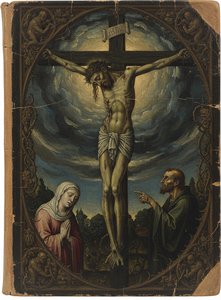
St Anthony (detail)


 Összes részlet megjelenítése
Giclée / Műnyomat
Múzeumi minőségű giclée vagy vászonnyomat, gyors gyártással és rugalmas finomítási lehetőségekkel. ( Kézzel festett másolat rendelése Áttérés digitális képre)




P118B Ft10

P118H Ft10

P118W Ft10

P438Z Ft10

P508JH Ft12

P508YH Ft12

P805H Ft10

P805Z Ft10

P919BZ Ft10

P919G Ft10

P919XJ Ft10

P959ZH Ft10

P968JZ Ft12

W106C Ft8

W218G Ft10

W218JH Ft8

W218Y Ft10

W307PJ Ft10

W316G Ft10

W316PJ Ft8

W316Y Ft10

W398PJ Ft8

W4111J Ft10

W500HY Ft15

W500JH Ft15

W692G Ft12

W849H Ft8

W940BG Ft15

W953PJ Ft8




Válasszon előre meghatározott méreteink közül, amelyek megfelelnek a műalkotás eredeti arányainak.

Írja be a keretének vagy a falának megfelelő szélességet és magasságot. A nyomatot csak le lehet vágni, soha nem tehető nagyobbá, mint az eredeti kép, így egy eltérő alakú méretnél a kép egy része elveszik. Mielőtt bármit kinyatintanánk, küldünk egy digitális próbamodellt jóváhagyásra. Az oldalon látható kép nem tartalmazza a valós levágást — ezt csak a próbamodell mutatja meg.
Világszerte történő kiszállítás területére mindössze 2 hét alatt, a szokásos 4-5 hét helyett. (5 november)

Ingyenes globális expressz szállítás

Prémium minőségű len vászon

Teljes körű szállítási biztosítás

Vámvisszatérítési Garancia

Hiteles színarányosság garancia

100 napos visszaküldési lehetőség (csak hibás termékek esetén)

100% pénzvisszatérítési garancia

Több darab vásárlásakor kedvezmény
 Az üvegkeretes opció csak 110 cm alatti méretben érhető el

St Anthony (detail)
Giclée / Műnyomat
Reprodukció mérete
-


Összesített ár
Ft 26301
The Weight of the Desert: A Study in Medieval Devotion
Matthias Grünewald’s “St Anthony (detail)” is not merely a portrait; it's an immersion into the psychological and spiritual landscape of 16th-century Germany. Painted around 1515, this intimate depiction captures a moment of profound contemplation within the saint’s solitary desert existence – a world rendered with startling realism amidst the conventions of late medieval art. The painting immediately draws the eye to Anthony's face: etched with lines of worry and deep thought, his gaze is directed slightly off-center, suggesting an internal struggle, a battle waged not against external foes but against the seductive whispers of temptation. The muted palette – dominated by earthy browns, ochres, and subtle blues – reinforces this sense of introspection, creating a space that feels both grounded and profoundly melancholic.
- Technique: Grünewald’s mastery lies in his meticulous attention to detail. The texture of Anthony's beard is rendered with an almost sculptural quality, each strand meticulously painted; the folds of his crimson cloak are subtly defined, conveying a sense of weight and movement. The use of *sfumato*, a technique borrowed from Renaissance masters, softens the edges and creates a hazy atmosphere, contributing to the painting’s dreamlike quality.
- Composition: The composition is deliberately restrained, focusing entirely on Anthony and his immediate surroundings. This intensifies the sense of isolation and draws the viewer into the saint's inner world. The dark background serves to further isolate the figure, emphasizing his vulnerability and spiritual struggle.
Echoes of the Isenheim Altarpiece
“St Anthony (detail)” is inextricably linked to Grünewald’s monumental Isenheim Altarpiece, a work that profoundly shaped the artist's style and vision. While the altarpiece itself is a complex tapestry of religious imagery, this panel offers a concentrated distillation of its core themes: temptation, solitude, and the enduring power of faith. The stylistic similarities are striking – the same dramatic use of light and shadow, the same intense emotionality, and the same willingness to depict human suffering with unflinching honesty. It’s believed that Grünewald was working on this detail while simultaneously contributing to the larger altarpiece project, demonstrating a remarkable capacity for simultaneous creation.
Research Note: The Isenheim Altarpiece offers an unparalleled opportunity to witness Grünewald’s artistic genius in full context, revealing the depth and complexity of his vision.Symbolism: The Desert's Silent Language
Beyond its immediate depiction of St. Anthony, the painting is laden with symbolic meaning. The barren landscape surrounding the saint represents the harsh realities of desert life – a place of deprivation, solitude, and constant temptation. The small cell within the ruined tower symbolizes Anthony’s retreat into himself, his dedication to prayer and contemplation. The presence of the demonic figures, rendered in shadowy detail, underscores the ongoing struggle against evil that defines the saint's journey. Notably, the inclusion of a small crucifix within the cell suggests the ultimate source of strength and salvation – a reminder of Christ’s sacrifice and the promise of redemption.
- The Red Hat: The distinctive red hat worn by Anthony is not merely decorative; it's a symbol of his dedication to the Franciscan Order, signifying humility and service.
- The Deer: The deer in the foreground represents worldly desires and temptations, subtly hinting at the challenges Anthony faces in maintaining his spiritual purity.
A Window into the Soul
“St Anthony (detail)” transcends its status as a mere religious painting; it’s a profound meditation on human nature – on our capacity for both great suffering and enduring faith. Grünewald's ability to capture the weight of the desert, the intensity of inner turmoil, and the quiet dignity of a man wrestling with his demons is truly remarkable. This intimate portrait invites viewers to contemplate their own struggles, their own temptations, and their own search for meaning in a world often characterized by uncertainty and despair. It remains a powerful testament to the enduring legacy of one of Germany’s greatest Renaissance artists.
Kérdések és válaszok
A „St Anthony (detail)” Grünewald Matthias pályájának mely szakaszát képviseli?
Grünewald Matthias pályaművében a „St Anthony (detail)” a Late Renaissance korszakba tartozik. Ez az időszak segít összehasonlíthatóvá tenni a művet a művész többi alkotásával.
Hogyan épül fel a „St Anthony (detail)”, Grünewald Matthias alkotása színes kompozíciója?
A "St Anthony (detail)" alkotásban egy Statement kontraszt párosul egy Strong Color Unity harmóniával.
Miért van az, hogy a "St Anthony (detail)" szerzői jogi állapota ilyen?
Grünewald Matthias alkotása, a "St Anthony (detail)", közösségi tulajdon – a szerzői jog lejártt státuszban van. A szerzői jogi védelem a művész halálától számítod, Grünewald Matthias pedig 1528 évben hunyt meg.
A művész életrajza
Matthias Grünewald: Élet és örökség
Korai élet és művészeti kezdetek
Matthias Grünewald, aki Mathis Gothart Neithardt néven született körülbelül 1470-1475 között Würzburgban, Németországban, a német reneszánsz egyik meghatározó alakja volt. Annak ellenére, hogy egy olyan korszakban élt, amelyet egyre inkább az olasz reneszánsz eszméi átháztak, Grünewald mélyen gyökerezett Közép-Európa késő középkori művészeti hagyományaiban. Korai életéről kevés részlet érhető el, de tudatunkból ismert, hogy művészi képzettségét valószínűleg a helyi műtermekben szerezte.
Művészeti fejlődés és hatások
Grünewald művészeti fejlődése a korabeli észak-európai hagyományok határozták meg, különös tekintettel a realizmusra, az érzelmi intenzitásra és a részletgazdag megfigyelésre. Műveiben láthatóak olyan művészek hatásai, mint Albrecht Dürer vagy Martin Schongauer, azonban ő egy teljesen egyedi utat nyitott meg, amelyet a drámai kifejezésmód és a vibráló színek jellemeztek. Nem vett közvetlenül részt az olaszországrában elterjedt humanista körök tevékenységében; helyette művészete elsősorban vallási célokat szolgált, tükrözve korának lelki vágyait és spirituális szorongásait.
Főbb művek és művészeti stílus
- Az Isenheim-oltár (1512-1516): Ez a mestermű, amely a colmari Musée d'Unterlindenben található, tekinthető Grünewald magnum opusára. Krisztus életének jeleneteit ábrázolja meg szörnyű realizussal, különös tekintettel a szenvedésre és a megváltásra.
- A keresztfűzés (kb. 1502-1503): Egy korai alkotás, amely demonstrates fejlődő stílusát, bemutatva az intenzív érzelmeket és az anatómiai részletességet.
- Az Ébredő Madonna (1512-14): Az Isenheim-oltárhoz készült tanulmány, amely feltárja művész aprólékos tervezési folyamatát.
- Mózes (1511): Egy rajz, amely kiemeli Grünewald képességét az expresszív alakok és drámai pózok megörökítésében.
Grünewald stílusát az alábbi jellemzők különböztetik meg:
- Drámai kompozíció: Dinamikus elrendezéseket alkalmazott az érzelmi hatás fokozása érdekében.
- Éles színpaletta: Intenzív, gyakran kontrasztos színei erőteljes vizuális élményt teremtettek.
- A szenvedés realista ábrázolása: Grünewald nem félett megjeleníteni a vallási narratívákhoz kapcsolódó fizikai és lelki fájdalmat.
- Expresszív alakok: Karakterei erős érzelmekkel és pszichológiai mélységgel teltek.
Történelmi jelentőség és örökség
Grünewald munkássága tanúbizonysága a németországi középkori művészeti hagyományok állhatóságának a reneszánsz idején. Áthidalta a szakadékot a késő gótikus stílus és a feltörekvő reneszánsz között, egy olyan egyedi vizuális nyelvet alkotva, amely azonnal megszólította kortársait. Hatása jól látható a későbbi német művészeknél is, akik továbbra is kutgatták a vallásos elkötelezettség és az érzelmi intenzitás témáit. Bár 1528-as halála után évszázadokon át nagy része feledve maradt, Grünewald a 19. században újrazsárolódott, és ma már a német reneszánsz egyik legfontosabb festőjeként ismerték. Művészete napjainkig lenyűgözi a nézőket nyers érzelmeivel, technikai zsenialitásával és mély spirituális mélységével.
További felfedezés
Fedezze fel Matthias Grünewald életét és műveit tovább itt: OriginalUniqueArt

Grünewald Matthias
1480 - 1528 , Германия
Rövid információk
- Artistic Movement Or Style: Late Medieval német művészet
- Artists Or Movements Influenced By This Artist: ['Albrecht Dürer']
- Artists Who Influenced This Artist:
- Albrecht Dürer
- Martin Schongauer
- Date Of Birth: 1470/1483 körül
- Date Of Death: 1528 körül
- Full Name: Matthias Grünewald
- Nationality: Német
- Notable Artworks:
- Az Isenheim Altárképe
- A Keresztrefeszítés
- Szent László oltára
- Place Of Birth: Würzburg, Németország
Kapcsolódó cikkek

Divine Splendor: A Guide to the Sacred Beauty and Symbolic Depth of High Medieval Art
Embark on a scholarly journey through the sacred beauty of High Medieval art. Discover the profound symbolism, luminous iconography, and spiritual depth of Gothic masterpieces in this expert guide for classical art enthusiasts.

High Medieval Art: 10 Masterpieces That Shaped an Era | OriginalUniqueArt
Journey through High Medieval Art! Explore 10 iconic masterpieces – from Giotto's frescoes to stunning Gothic cathedrals. Discover the stories behind these timeless paintings, sculptures & illuminated manuscripts. Find museum-quality art reproductions at OriginalUniqueArt.com.

Late Medieval Masterpieces: 10 Artworks That Defined an Era | OriginalUniqueArt
Journey through 10 defining Late Medieval masterpieces – from Giotto's frescoes to Jan van Eyck’s realism. Explore the stories, techniques & vibrant colors of Gothic art. Find museum-quality reproductions and elevate your home decor with OriginalUniqueArt.com! Discover all masterpieces on OriginalUniqueArt.com
Matthias Grünewald: Devotion, Distortion & Spiritual Turmoil in Renaissance Art
Explore the profound religious art of Matthias Grünewald, master of the Isenheim Altarpiece. Discover his unique expressionism, symbolism & lasting impact on Renaissance painting. A guide for collectors and enthusiasts.

El Greco 25 Mesterműve: A Spanyol Reneszánsz Legkiemelkedőbb Alkotásai – OriginalUniqueArt.com
Fedezze fel El Greco 25 leglenyűgözőbb művészeti alkotását! Ismerje meg a spanyol reneszánsz és manierizmus mesterét, festményeinek történetét és spirituális mélységét. Luxus reprodukciók – OriginalUniqueArt.com.


