Menü

() ·

A painting made for you, by hand

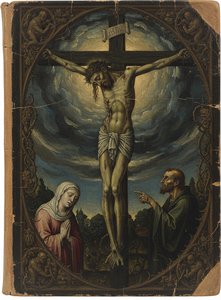
Calvary

Kézzel készített olajfestmény reprodukció

Kézzel festett olajvastú vászon, az Ön által választott méretben és keretben, művészeink készítik meglévőre. ( Váltás nyomtatványra Áttérés digitális képre)

A gyűjtemény leírása

Explore Matthias Grünewald’s ‘Calvary’ (1508). A powerful Renaissance altarpiece depicting Christ's crucifixion, showcasing dramatic lighting & emotional realism. Discover this masterpiece!

A művész életrajza

"meta_description": "Grünewald Matthias: A német reneszánsz festő, a szenvedés és a megváltás kifejezéseivel kiemelkedik. Az Isenheim Altárral világhírnevű, drámai stílusa és a középkori hagyományok ápolása jelentős."

from ·

Chapter 1

How large should it be?

Slide to change the size; the picture on the left shows the frame at its real width. The proportions of the original are kept.

Standard méret
egyedi méretű
CM
INCH

Válasszon előre meghatározott méreteink közül, amelyek megfelelnek a műalkotás eredeti arányainak.

szélesség
magasság

Írja be a kívánt szélességet és magasságot, hogy illeszkedjen a keretéhez vagy a falához. Mivel ez kézzel festett alkotás, egy eltérő formájú méret esetén a művész akár festhet is valamivel többet a kép körül, vagy korolathat is belőle — az Ön döntésének megfelelően. A festés megkezdése előtt küldünk egy digitális tervezetet jóváhagyásra. Az oldalon látható kép nem tartalmazza a végeredményt — csak a tervezet mutatja meg a valódi eredményt.

Chapter 2

How should it arrive?

Choose the edges of the stretched canvas

Choose your frame

Corner sample of the WhiteWrap canvas edge finish, stretched on tömörfa bars
White Ft1
Corner sample of the BlurSideWrap canvas edge finish, stretched on tömörfa bars
Blurside Ft1
Corner sample of the ExtendedWrap canvas edge finish, stretched on tömörfa bars
Extended Ft1
Corner sample of the P118B picture frame: formázott polisztirol, 5 cm wide and 3 cm thick
P118B Ft10
Corner sample of the P118H picture frame: formázott polisztirol, 5 cm wide and 3 cm thick
P118H Ft10
Corner sample of the P118W picture frame: formázott polisztirol, 5 cm wide and 3 cm thick
P118W Ft10
Corner sample of the P438Z picture frame: formázott polisztirol, 5.5 cm wide and 3.5 cm thick
P438Z Ft10
Corner sample of the P508JH picture frame: formázott polisztirol, 7 cm wide and 3.5 cm thick
P508JH Ft12
Corner sample of the P508YH picture frame: formázott polisztirol, 7 cm wide and 3.5 cm thick
P508YH Ft12
Corner sample of the P805H picture frame: formázott polisztirol, 5 cm wide and 3.5 cm thick
P805H Ft10
Corner sample of the P805Z picture frame: formázott polisztirol, 5 cm wide and 3.5 cm thick
P805Z Ft10
Corner sample of the P919BZ picture frame: formázott polisztirol, 7 cm wide and 3.5 cm thick
P919BZ Ft10
Corner sample of the P919G picture frame: formázott polisztirol, 7 cm wide and 3.5 cm thick
P919G Ft10
Corner sample of the P919XJ picture frame: formázott polisztirol, 7 cm wide and 3.5 cm thick
P919XJ Ft10
Corner sample of the P959ZH picture frame: formázott polisztirol, 5 cm wide and 3 cm thick
P959ZH Ft10
Corner sample of the P968JZ picture frame: formázott polisztirol, 6 cm wide and 4 cm thick
P968JZ Ft12
Corner sample of the W106C picture frame: tömörfa, 5 cm wide and 3 cm thick
W106C Ft8
Corner sample of the W218G picture frame: tömörfa, 5 cm wide and 3 cm thick
W218G Ft10
Corner sample of the W218JH picture frame: tömörfa, 5 cm wide and 3 cm thick
W218JH Ft8
Corner sample of the W218Y picture frame: tömörfa, 5 cm wide and 3 cm thick
W218Y Ft10
Corner sample of the W307PJ picture frame: tömörfa, 6 cm wide and 3 cm thick
W307PJ Ft10
Corner sample of the W316G picture frame: tömörfa, 6 cm wide and 3 cm thick
W316G Ft10
Corner sample of the W316PJ picture frame: tömörfa, 6 cm wide and 3 cm thick
W316PJ Ft8
Corner sample of the W316Y picture frame: tömörfa, 6 cm wide and 3 cm thick
W316Y Ft10
Corner sample of the W398PJ picture frame: tömörfa, 5 cm wide and 3 cm thick
W398PJ Ft8
Corner sample of the W4111J picture frame: tömörfa, 6.5 cm wide and 3.5 cm thick
W4111J Ft10
Corner sample of the W500HY picture frame: tömörfa, 7 cm wide and 5 cm thick
W500HY Ft15
Corner sample of the W500JH picture frame: tömörfa, 7 cm wide and 5 cm thick
W500JH Ft15
Corner sample of the W692G picture frame: tömörfa, 8 cm wide and 4 cm thick
W692G Ft12
Corner sample of the W849H picture frame: tömörfa, 5 cm wide and 3 cm thick
W849H Ft8
Corner sample of the W940BG picture frame: tömörfa, 7.5 cm wide and 4.5 cm thick
W940BG Ft15
Corner sample of the W953PJ picture frame: tömörfa, 6 cm wide and 3.5 cm thick
W953PJ Ft8
Corner sample of the H24-GOLD picture frame: faragott fa gesszóval, 10 cm wide and 6 cm thick
H24-GOLD Ft30
Corner sample of the H24-SILVER picture frame: faragott fa gesszóval, 10 cm wide and 6 cm thick
H24-SILVER Ft30
Corner sample of the H36-GOLD picture frame: faragott fa gesszóval, 15 cm wide and 6.5 cm thick
H36-GOLD Ft45
Corner sample of the H36-SILVER picture frame: faragott fa gesszóval, 15 cm wide and 6.5 cm thick
H36-SILVER Ft45

Moulding: . Overall size with the frame: .

Chapter 3

Who paints it, and should anything change?

Examples of what can be changed: Replace face with customer photo; Add pet (e.g., replace cat with dog); Include hidden message in background; Change background landscape or elements.
After order, OriginalUniqueArt.com team will email client for instructions and provide a mockup preview

Világszerte elérhető szállítás () 3-4 hét alatt a szokásos 5 hét helyett. (30 október). A minőség nem kérdőjelezhető.

Chapter 4

The finishing touches

A nameplate, as in a museum?

A gravírozott bronztábla részletei

This elegant plaque features the artist's name and the title of the artwork, finely engraved for a timeless presentation.

It is made from bronze with a refined, elegant finish. The text is precisely laser-engraved for a sharp and permanent result. Measuring 9x2 cm, the plaque is compact yet easy to read. It's built to be durable and scratch-resistant, offering a professional, museum-quality look. Mounting is simple thanks to the included adhesive backing.

Átlátszó akril tábla részletei

The plaque includes essential engraved details such as the artist's name, the title of the artwork, the date it was created, the type of media used-like oil on canvas or watercolor-a brief description of the piece, and a QR code that links to the complete artwork information.

It is crafted from clear acrylic, offering a sleek, modern appearance. The text is UV-engraved in black to ensure strong visual contrast. With a size of 10x15 cm, it ensures optimal readability. It comes equipped with two metal hooks for secure wall mounting. The plaque is designed to be weather-resistant, making it suitable for various environments, and it includes interactive features that work seamlessly with smartphone scanning.

Fekete akril tábla részletei

This elegant plaque includes engraved information such as the artist's name, the title of the artwork, the date it was created, the type of media used (like oil on canvas or watercolor), a short description of the artwork, and a QR code for quick access to more information.

The plaque itself is made from refined black acrylic with a premium finish. The text is laser-engraved in white for high contrast and readability. Its size is 10x15 cm, designed to be easy to read. It comes with two metal hooks for professional mounting. The design is sleek and fits any interior style. It is also weather-resistant and durable, with built-in digital integration for mobile compatibility.

A protective varnish?

When do you need it?

Chapter 5

Your painting, as you ordered it

Calvary

Reprodukciós technika

Reprodukció mérete

-

Kiváló mesterművész

Nagyobb részletesség, finomság és bővített gyártási idő

-

Reprodukció keretezése

-

-

A bármely oldalsó méretét túlszálaló 105 cm (kb. 41 hüvelyk) meghaladó műalkotások vagy reprodukciók esetében a keret összeszerelhető készletként, szétszerelve kerül szállításra. Ez a módszer biztosítja a biztonságos szállítást, és megakadályozza a szállítás során fellépő sérüléseket.

Szakmész összeszerelést igényel – ez nem DIY (önösszeszerelhető) termék.
A készletet egy tapasztalt keretező szakembernek kell összeszerelnie és a vásznat feszítenie kell, fa ragasztó (nem tartalmazza a csomag), vásznfeszítő fogó és szorítók használatával, amelyek a ragasztó száradásáig a keretrészeket egymáshoz vuôngjba tartják. A helytelen összeszerelés vagy a nem egyenletes vásznfeszítés maradandó károsíthatja a műalkotást, és ez nem része a garanciánknak.

  • A készlet tartalmazza az összes tömörfa rudat, pontosan méretre vágva.

  • A mellékelt csavarokkal, valamint a sarokszerekhez szükséges faütő ragasztóval kell összeszerelnie (ez nem tartalmazható a csomagban), így a keretrendezőnek külön kell beszereznie.

  • A csomag nem tartalmazza a szükséges professzionális eszközöket: egy vászonfeszítőt és klipseket a rácsok vízszintes tartásához a ragasztó megszáradásáig.

Fontos:
A sarokcsatlakozásokhoz fánylagra van szükség, a keretrudakat szorítókapcsokkal kell rögzíteni, amíg a rag teljesen meg nem szárad, a kész keretre feszített vászonhoz pedig vászonfeszítő fogat szükséges. Ezek egyike sem található meg a készletben. Kérjük, rendelés előtt győződjön meg róla, hogy rendelkezik tapasztalt keretező szakemberrel.

Névtábla

-

-

Védőréteg (Lakk)

Fényes lakk (intenzívabb színek, védelem a fény és a nedvesség hatása ellen)

-

Műalkotásom egyedi igényre szabása

Példák a módosíthatóságra: az arc kicserélése az ügyfél fotójára; háziállat hozzáadása (pl. macska helyett kutya); rejtett üzenet elhelyezése a háttérben; a háttér tájainak vagy elemeinek megváltoztatása.

-

Sürgős

Világszerte szóló szállítás () mindössze 3-4 hét alatt, a szokásos 5 hét helyett. (30 október). A minőség nem kérdőjelezhető.

-

Express szállítás

Világszerte elérhető szállítás területre 5 héten belül. (6 november).

A szállítás díja tartalmazza

Összesített ár

Ft 137313

Összesített ár Ft 137313

Az üvegkeretes opció csak 110 cm alatti méretben érhető el

Included with every order

  • Ingyenes globális expressz szállítás
  • Prémium minőségű len vászon
  • Teljes körű szállítási biztosítás
  • Vámvisszatérítési Garancia
  • Hiteles színarányosság garancia
  • 100 napos visszaküldési lehetőség (csak hibás termékek esetén)
  • 100% pénzvisszatérítési garancia
  • Több darab vásárlásakor kedvezmény

The Agony of Christ: Matthias Grünewald’s ‘Calvary’

Matthias Grünewald's “Calvary,” painted in 1508, isn’t merely a depiction of the crucifixion; it’s a visceral plunge into the heart of human suffering and spiritual torment. Born in Würzburg around 1470, Grünewald stood as a pivotal figure bridging the late medieval artistic traditions of Northern Europe with the nascent fervor of the Renaissance. Unlike his Italian counterparts who embraced humanist ideals, Grünewald remained deeply rooted in the emotional intensity and meticulous observation characteristic of his region, creating an artwork profoundly shaped by religious devotion rather than secular concerns. This painting, now housed at the Kunstmuseum Basel, is a testament to this unique approach – a raw, unflinching portrayal of Christ’s sacrifice that continues to resonate with viewers centuries later.

The composition itself immediately commands attention. Grünewald employs a pyramidal structure, anchoring the scene around the central figure of Christ on the cross. His body, rendered with an almost brutal realism, is contorted in agony, muscles straining under the weight of his torment. The figures surrounding him – Mary weeping, John the Evangelist recoiling in horror, and onlookers expressing disbelief – are not idealized representations but rather embodiments of human emotion: grief, despair, and confusion. The tight arrangement within the frame creates a claustrophobic atmosphere, intensifying the sense of tragedy and drawing the viewer directly into the scene’s unbearable weight.

A Symphony of Color and Texture

Grünewald's masterful technique is immediately apparent in the painting’s rich textures and dramatic use of color. He eschewed the smooth, polished surfaces favored by some Renaissance artists, opting instead for a deliberately rough and uneven application of oil paint. This creates a tactile quality, inviting viewers to almost feel the grit beneath their fingertips. The palette is dominated by muted browns, ochres, and deep reds – colors that evoke both the earthiness of the landscape and the blood spilled on Christ’s body. Highlights of white accentuate Christ's flesh, drawing attention to his suffering while simultaneously emphasizing the stark contrast between life and death.

The artist’s layering technique is particularly noteworthy. Grünewald built up form through multiple thin layers of paint, creating a sense of depth and volume that belies the painting’s relatively small scale. The use of linear perspective, though somewhat flattened compared to later Renaissance works, effectively guides the viewer's eye towards Christ at the apex of the composition. The careful rendering of drapery – the heavy folds of Christ’s tunic and the flowing garments of the onlookers – adds another layer of visual complexity, demonstrating Grünewald’s exceptional skill in capturing the nuances of fabric.

Symbolism and Spiritual Weight

“Calvary” is laden with symbolic meaning. The stark landscape, devoid of any comforting details, represents the desolate reality of Christ's abandonment. The instruments of torture – the nails, the beam, the rope – are not merely props but potent symbols of human cruelty and divine suffering. The expressions on the faces of the onlookers range from sorrow to disbelief, reflecting the profound theological implications of Christ’s sacrifice: a rejection of worldly power and an affirmation of faith in the face of unimaginable pain.

Furthermore, the painting's placement within the Isenheim Altarpiece—a larger work featuring multiple scenes from the life of Christ—contributes to its overall significance. “Calvary” serves as a pivotal moment within this complex narrative, embodying both the physical agony and the spiritual redemption offered by Christ’s death. The altarpiece as a whole was designed to be viewed in different configurations, offering viewers a multifaceted experience of faith and suffering.

A Legacy of Emotional Intensity

Matthias Grünewald's “Calvary” stands as a landmark achievement in Northern Renaissance art. His willingness to embrace emotional intensity and unflinching realism set him apart from his contemporaries, forging a unique artistic voice that continues to captivate viewers today. The painting’s enduring power lies not only in its technical brilliance but also in its profound exploration of human suffering and spiritual longing. It is a work that demands contemplation, inviting us to confront the uncomfortable truths about mortality, faith, and the nature of sacrifice – a timeless masterpiece that transcends its historical context.

Kérdések és válaszok

Milyen méretet és vízszintes vagy függőleges elrendezést javasolnak a „Calvary”, Grünewald Matthias alkotása nyomtatványához?

A „Calvary”, Grünewald Matthias alkotása egyik nyomatásához a Medium méretű, Portrait elrendezésű nyomtatást javasoljuk.

„Calvary”, Grünewald Matthias alkotása festmény, rajz vagy grafika?

A katalógusban a „Calvary”, Grünewald Matthias alkotása a WallArt kategóriába tartozik. Ez a besorolás segít hasonló művek megtalálásában.

Hogyan illeszkedik a "Calvary" Grünewald Matthias témáiba és stílusába?

A "Calvary" megosztja Grünewald Matthias többi művével a Early Netherlandish Painting stílust és a rögzített témákat: religious iconography, sacrifice, medieval piety and suffering, isenheim altarpiece precursor, grünewald's dramatic style".

More about this painting

Megtekintés AR előnézet Váltás nyomtatványra Áttérés digitális képre Küldés
Részletek Útmutató Kedvencekhez ad Letöltés Hasonló darabok X-ray felvétel Diavetítés Q&A Statisztika

In numbers

  • 1508the year it was painted
  • 29frames to choose from
  • standard sizes, in its own proportions
  • 5weeks to paint and deliver it
Grünewald Matthias

Grünewald Matthias

1480 - 1528, Германия

Quick facts about Grünewald Matthias

  • Artistic Movement Or Style: Late Medieval német művészet
  • Artists Or Movements Influenced By This Artist: ['Albrecht Dürer']
  • Artists Who Influenced This Artist:
    • Albrecht Dürer
    • Martin Schongauer
  • Date Of Birth: 1470/1483 körül
  • Date Of Death: 1528 körül
  • Full Name: Matthias Grünewald
  • Nationality: Német
  • Notable Artworks:
    • Az Isenheim Altárképe
    • A Keresztrefeszítés
    • Szent László oltára
  • Place Of Birth: Würzburg, Németország

A művész életrajza

Matthias Grünewald: Élet és örökség

Korai élet és művészeti kezdetek

Matthias Grünewald, aki Mathis Gothart Neithardt néven született körülbelül 1470-1475 között Würzburgban, Németországban, a német reneszánsz egyik meghatározó alakja volt. Annak ellenére, hogy egy olyan korszakban élt, amelyet egyre inkább az olasz reneszánsz eszméi átháztak, Grünewald mélyen gyökerezett Közép-Európa késő középkori művészeti hagyományaiban. Korai életéről kevés részlet érhető el, de tudatunkból ismert, hogy művészi képzettségét valószínűleg a helyi műtermekben szerezte.

Művészeti fejlődés és hatások

Grünewald művészeti fejlődése a korabeli észak-európai hagyományok határozták meg, különös tekintettel a realizmusra, az érzelmi intenzitásra és a részletgazdag megfigyelésre. Műveiben láthatóak olyan művészek hatásai, mint Albrecht Dürer vagy Martin Schongauer, azonban ő egy teljesen egyedi utat nyitott meg, amelyet a drámai kifejezésmód és a vibráló színek jellemeztek. Nem vett közvetlenül részt az olaszországrában elterjedt humanista körök tevékenységében; helyette művészete elsősorban vallási célokat szolgált, tükrözve korának lelki vágyait és spirituális szorongásait.

Főbb művek és művészeti stílus

  • Az Isenheim-oltár (1512-1516): Ez a mestermű, amely a colmari Musée d'Unterlindenben található, tekinthető Grünewald magnum opusára. Krisztus életének jeleneteit ábrázolja meg szörnyű realizussal, különös tekintettel a szenvedésre és a megváltásra.
  • A keresztfűzés (kb. 1502-1503): Egy korai alkotás, amely demonstrates fejlődő stílusát, bemutatva az intenzív érzelmeket és az anatómiai részletességet.
  • Az Ébredő Madonna (1512-14): Az Isenheim-oltárhoz készült tanulmány, amely feltárja művész aprólékos tervezési folyamatát.
  • Mózes (1511): Egy rajz, amely kiemeli Grünewald képességét az expresszív alakok és drámai pózok megörökítésében.

Grünewald stílusát az alábbi jellemzők különböztetik meg:

  • Drámai kompozíció: Dinamikus elrendezéseket alkalmazott az érzelmi hatás fokozása érdekében.
  • Éles színpaletta: Intenzív, gyakran kontrasztos színei erőteljes vizuális élményt teremtettek.
  • A szenvedés realista ábrázolása: Grünewald nem félett megjeleníteni a vallási narratívákhoz kapcsolódó fizikai és lelki fájdalmat.
  • Expresszív alakok: Karakterei erős érzelmekkel és pszichológiai mélységgel teltek.

Történelmi jelentőség és örökség

Grünewald munkássága tanúbizonysága a németországi középkori művészeti hagyományok állhatóságának a reneszánsz idején. Áthidalta a szakadékot a késő gótikus stílus és a feltörekvő reneszánsz között, egy olyan egyedi vizuális nyelvet alkotva, amely azonnal megszólította kortársait. Hatása jól látható a későbbi német művészeknél is, akik továbbra is kutgatták a vallásos elkötelezettség és az érzelmi intenzitás témáit. Bár 1528-as halála után évszázadokon át nagy része feledve maradt, Grünewald a 19. században újrazsárolódott, és ma már a német reneszánsz egyik legfontosabb festőjeként ismerték. Művészete napjainkig lenyűgözi a nézőket nyers érzelmeivel, technikai zsenialitásával és mély spirituális mélységével.

További felfedezés

Fedezze fel Matthias Grünewald életét és műveit tovább itt: OriginalUniqueArt

Gyors információk

  • Artist: Matthias Grünewald
  • Medium: Oil on wood panel
  • Dimensions: 73 x 53 cm
  • Title: Calvary
  • Subject or theme: Crucifixion of Jesus Christ
  • Notable elements: Dramatic lighting, emotional realism

Művészeti kvíz

Minden kérdésre csak egy helyes válasz létezik.

Kérdés 1:
What is the primary subject depicted in Matthias Grünewald’s ‘Calvary’?
Kérdés 2:
According to the description, what is a key characteristic of Grünewald’s artistic style?
Kérdés 3:
What historical period does ‘Calvary’ primarily represent?
Kérdés 4:
The description mentions that the painting utilizes a pyramidal composition. What effect does this have on the viewer?
Kérdés 5:
What materials were primarily used in creating ‘Calvary’?