
 Megtekintés
 Küldés
 Megosztás
 Részletek
 Útmutató

 Letöltés
 Hasonló darabok
 X-ray felvétel
 Diavetítés
 Q&A
Q&A Statisztika
Peonies

- 70.0 x 65.0 cm


 Összes részlet megjelenítése
Az ezen az oldalon megjelenített műalkotások szerzői jogi védelem alatt állnak, ami azt jelenti, hogy törvényileg nem készíthetünk és nem adhatunk el belőlük pontos másolatokat. Ez a védelem olyan nemzetközi megállapodások alapján érvényesül, mint például a Berni Egyezmény és a nemzeti jogszabályok által, beleértve azokat is, amelyeket meghatározott Az USA szerzői jogi törvénye – 17. cím.
Ez a módszer teljes mértékben megfelel a szerzői jogi szabályozásnak, mivel nem tartalmazza a védett műalkotás másolását vagy duplikálását. Ehelyett ez egy kreatív újinterpretáció – egy új festmény, amely az eredetivel való összefüggései miatt hatással van rá, de nem az az.
Giclée / Műnyomat
Múzeumi minőségű giclée vagy vászonnyomat, gyors gyártással és rugalmas finomítási lehetőségekkel. ( Kézzel festett másolat rendelése Áttérés digitális képre)




P118B Ft10

P118H Ft10

P118W Ft10

P438Z Ft10

P508JH Ft12

P508YH Ft12

P805H Ft10

P805Z Ft10

P919BZ Ft10

P919G Ft10

P919XJ Ft10

P959ZH Ft10

P968JZ Ft12

W106C Ft8

W218G Ft10

W218JH Ft8

W218Y Ft10

W307PJ Ft10

W316G Ft10

W316PJ Ft8

W316Y Ft10

W398PJ Ft8

W4111J Ft10

W500HY Ft15

W500JH Ft15

W692G Ft12

W849H Ft8

W940BG Ft15

W953PJ Ft8




Válasszon előre meghatározott méreteink közül, amelyek megfelelnek a műalkotás eredeti arányainak.

Írja be a keretének vagy a falának megfelelő szélességet és magasságot. A nyomatot csak le lehet vágni, soha nem tehető nagyobbá, mint az eredeti kép, így egy eltérő alakú méretnél a kép egy része elveszik. Mielőtt bármit kinyatintanánk, küldünk egy digitális próbamodellt jóváhagyásra. Az oldalon látható kép nem tartalmazza a valós levágást — ezt csak a próbamodell mutatja meg.
Világszerte történő kiszállítás területére mindössze 2 hét alatt, a szokásos 4-5 hét helyett. (2 november)

Ingyenes globális expressz szállítás

Prémium minőségű len vászon

Teljes körű szállítási biztosítás

Vámvisszatérítési Garancia

Hiteles színarányosság garancia

100 napos visszaküldési lehetőség (csak hibás termékek esetén)

100% pénzvisszatérítési garancia

Több darab vásárlásakor kedvezmény
 Az üvegkeretes opció csak 110 cm alatti méretben érhető el

Peonies
Giclée / Műnyomat
Reprodukció mérete
-


Összesített ár
Ft 26201
A Symphony of Color and Life
In the quiet moments of 1916, amidst a world gripped by the profound turbulence of the First World War, Martiros Saryan composed a masterpiece of resilience titled Peonies. This exquisite still life serves as a vibrant sanctuary, pulling the viewer away from historical calamity and into a realm of pure, unadulterated vitality. The painting presents a lush arrangement where red roses and pink carnations spill from a central vase, their petals rendered with a charming simplicity that speaks to the soul. Surrounding this floral centerpiece is a bountiful collection of nature’s offerings—apples and oranges nestled together on a table, creating a sense of abundance and peace. The composition is not merely a study of objects, but an invitation to witness the persistent beauty of life that continues to bloom even in the darkest of eras.
The artist’s technique in Peonies reflects a masterful command of the primitivism and naive art styles, characterized by bold outlines and a flattened perspective that emphasizes form over anatomical precision. Using tempera on canvas, Saryan achieved a rich, matte texture that allows the colors to radiate with an almost rhythmic intensity. The palette is a breathtaking dialogue between the warm, sun-drenched reds and pinks of the blossoms and the deep, earthy greens of the surrounding foliage. This deliberate use of color creates a sense of movement, as if the light itself is dancing across the surface of the fruit and petals. For the discerning collector or interior designer, this piece offers a sophisticated balance of rustic charm and modern aesthetic appeal.
Symbolism and Emotional Resonance
Beyond its visual splendor, Peonies carries a profound emotional weight. Saryan, a pioneer of modern Armenian painting, often used color as a language to express national identity and the enduring spirit of his homeland. In this work, the choice of vibrant, saturated hues acts as a symbolic defiance against the shadows of war. The flowers do not merely sit in a vase; they represent an insistence on existence, growth, and the cyclical nature of life. There is a palpable sense of warmth and nostalgia within the brushstrokes, evoking a feeling of domestic tranquility and the simple joys found in the natural world.
For those looking to adorn a living space, this reproduction offers more than just decoration; it provides an emotional anchor. The painting’s ability to harmonize bold, energetic colors with a serene subject matter makes it a versatile centerpiece for any high-end interior. Whether placed in a sunlit breakfast nook or as a focal point in a formal gallery, Peonies brings an atmosphere of optimism and timeless elegance. It is a piece that invites contemplation, encouraging the viewer to find beauty in the everyday and strength in the colorful persistence of nature.
Kérdések és válaszok
Megtekinthető „Peonies”, Martiros Saryan alkotása a saját falamon vásárlás előtt?
A „Peonies”, Martiros Saryan alkotása Kiterjesztett valóság előnézet oldala kiterjesztett valóságot használ, hogy az alkotást egy kompatibilis eszközön, az Ön saját környezetében is megmutassa.
Milyen méretű "Peonies" ajánlott egy Dining Room-hoz?
A „Peonies”, Martiros Saryan alkotása javasolt nyomtatási mérete Medium egy Dining Room számára.
Milyen érzelmi hangulatot áraszt a „Peonies”, Martiros Saryan alkotása?
A „Peonies”, Martiros Saryan alkotása művészeti alkotás érzelmi tónusa Joyful. Ez foglalja össze a mű által kifejezett érzést.
A művész életrajza
Martiros Saryan: A Voice of Armenia’s Soul
Martiros Saryan, a name inextricably linked to the vibrant spirit and enduring beauty of Armenian landscape and portraiture, was far more than simply an artist; he served as a profound conduit for his nation's identity. Born in 1880 within the borders of Nakhichevan-on-Don – a region now residing within Russia – Saryan’s life unfolded as a remarkable odyssey, shaped by formative artistic training, extensive international travel, and ultimately, an unwavering commitment to capturing the very essence of Armenia. His oeuvre stands as a testament to his deep, almost visceral connection with his homeland, offering viewers an intimate glimpse into its breathtaking landscapes, cherished traditions, and the resilient spirit that defines the Armenian people.
Saryan’s early years were profoundly shaped by a unique upbringing. Raised in a small, unassuming village, he received his initial artistic instruction from his elder brother, Hovhannes Saryan – a skilled teacher whose guidance instilled within him an enduring love for drawing and painting. This foundational training, meticulously supplemented by formal studies at the prestigious Moscow School of Arts – including invaluable workshops led by the esteemed Valentin Serov and Konstantin Korovin – provided him with a robust technical base while simultaneously exposing him to the burgeoning influences of Post-Impressionism. The evocative styles of Paul Gauguin and Henri Matisse proved particularly transformative, profoundly shaping his approach to color palettes, compositional strategies, and the expressive potential inherent within brushwork. These encounters weren’t merely academic; they ignited a creative fire that would forever inform his artistic vision.
Saryan's artistic trajectory took an extraordinary turn in 1901 when he embarked on his inaugural journey to Armenia. This pivotal visit acted as a catalyst, igniting within him an unyielding dedication to portraying his homeland with unparalleled honesty and passion. He devoted considerable time to traversing the diverse regions of Armenia – from the rugged, majestic peaks of Lori to the fertile plains of Shirak, the ancient, awe-inspiring monasteries of Echmiadzin and Haghpat, and the serene, shimmering shores of Lake Sevan – meticulously documenting their beauty through a series of evocative landscapes. These early works—including “Makravank” (1902), “Aragats” (1902), and “Buffalo at Sevan” (1903)—quickly garnered critical acclaim in Moscow, not simply for their technical proficiency but for the palpable sense of place they conveyed – a feeling that went far beyond mere representation.
Following his initial exploration of Armenia, Saryan continued to travel extensively throughout Turkey, Egypt, and Iran during the early 1910s. These journeys broadened his artistic horizons, exposing him to diverse cultural influences and enriching his visual vocabulary. However, it was his return to Armenia in 1915 – a period marked by unimaginable suffering due to the Armenian Genocide – that irrevocably shaped the trajectory of his art. Witnessing firsthand the devastation and displacement inflicted upon his people fueled an even deeper sense of urgency within him to document and preserve the memory of Armenia through his art. He dedicated himself tirelessly to assisting refugees, offering solace and hope through his paintings, and creating works that served as poignant reminders of a homeland tragically lost. This period yielded some of his most profoundly moving creations – including “Burning Heat with a Dog Running” (1916) – a visceral depiction of displacement and the enduring spirit of resilience.
The tumultuous years following World War I witnessed Saryan navigating the complexities of Soviet Armenia. Despite facing political restrictions and challenges, he remained steadfast in his artistic pursuits, continuing to paint landscapes, portraits, and scenes from Armenian life with unwavering dedication. He played a crucial role in establishing the Society of Armenian Artists in Tiflis (now Tbilisi), fostering a new generation of artists and championing Armenian art on an international stage. His design work for the curtain of the Armenian State Theatre stands as a testament to his remarkable versatility and artistic vision – a symbol that resonated deeply within the nation.
Key Characteristics & Artistic Style
Saryan’s distinctive style is characterized by a remarkably vibrant palette, bold and expressive brushstrokes, and an astute use of color. He frequently incorporated techniques reminiscent of Post-Impressionism, drawing heavily from the works of Gauguin and Matisse – particularly their emphasis on emotional intensity and subjective experience. The influence of Fauvism is also discernible in his work, evident in his willingness to employ colors not necessarily dictated by naturalistic representation but rather intended to evoke specific moods and emotions. His paintings are often imbued with a palpable sense of movement and energy, achieved through dynamic compositions and loose, gestural brushwork that conveys a feeling of immediacy and spontaneity.
His portraits are equally compelling, revealing a profound understanding of human character. He skillfully captured the essence of his subjects – their inner lives, their emotions – through expressive eyes and subtle gestures, conveying their individualities with remarkable sensitivity and empathy. A recurring motif in his work is the masterful use of light – often warm, golden, and imbued with a sense of luminosity – which illuminates his scenes and imbues them with an atmosphere of warmth, vitality, and hope.
Major Works & Recognition
Among Saryan’s most celebrated works are:
- “Makravank” (1902): A vibrant depiction of the Makravank monastery, showcasing his mastery of color and composition.
- “Aragats” (1902): An iconic image of Mount Aragats, Armenia’s highest peak, symbolizing strength and resilience.
- “Buffalo at Sevan” (1903): A dynamic landscape capturing the beauty of Lake Sevan and its surrounding scenery.
- “Evening in the Garden” (1903): A serene portrayal of an Armenian village garden bathed in the golden light of dusk.
- “In the Armenian Village” (1903): A charming depiction of daily life in a traditional Armenian village.
Saryan’s artistic achievements were widely recognized throughout his career. He was awarded the title of “People’s Artist of the USSR” in 1960 – a testament to his profound impact on Armenian art and culture – and received numerous accolades, including the prestigious Lenin Prize and the Order of Lenin. His work has been exhibited extensively both within Armenia and internationally, solidifying his place as one of the most significant figures in Armenian art history.
Historical Significance & Legacy
Martiros Saryan’s contribution to Armenian art is undeniably profound and multifaceted. He played a pivotal role in establishing a distinctly Armenian style of painting – moving beyond traditional academic approaches and embracing a more expressive, emotionally resonant form of artistic expression. His work served as a powerful symbol of national identity during a period of significant political and social upheaval, capturing the spirit of Armenia and its people with remarkable sensitivity and authenticity.
His unwavering dedication to portraying the beauty of his homeland – particularly in the face of unimaginable adversity – has cemented his legacy as an enduring icon of Armenian culture. The Saryan Museum in Yerevan stands as a poignant testament to his life’s work, offering visitors a unique opportunity to immerse themselves in his world and appreciate the depth and richness of his artistic vision. Saryan's influence continues to resonate with artists today, inspiring them to explore their own cultural heritage and create works that reflect the beauty and complexity of their respective nations.
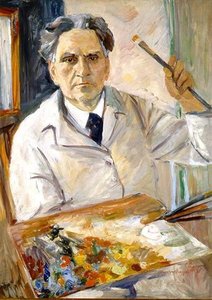
Martiros Saryan
1880 - 1972 , Oroszország
Rövid információk
- Artistic Movement Or Style: Modern Armenian Art / Post Impressionism / Fauvism
- Artists Or Movements Influenced By This Artist: ['The Four Arts']
- Artists Who Influenced This Artist:
- Paul Gauguin
- Henri Matisse
- Date Of Birth: Feb 28, 1880
- Date Of Death: May 5, 1972
- Full Name: Martiros Saryan
- Nationality: Armenian
- Notable Artworks:
- Makravank
- Aragats
- Buffalo
- Place Of Birth: Nakhichevan-on-Don, Russia
Kapcsolódó cikkek
A fényrózsaszín varázsa: 10 ikonikus festmény a művészettörténetből
Fedezze fel a 10 legikonikusabb festményt, melyeket a fényrózsaszín varázsa jellemez! Monet-tól Renoir-ig, ismerje meg a művészettörténet e gyönyörű árnyalatainak szerepét. Vászonképek és reprodukciók prémium minőségben – OriginalUniqueArt.com

Crimson Threads of Narrative: Exploring Symbolism & Representation in Artworks Featuring the Red Dress
Explore the rich symbolism of the red dress in art history! From ancient power displays to iconic portraits like Cézanne’s 'Madame Cezanne', discover the cultural and artistic significance behind this captivating color. Expert analysis & insights.
Nature's Bounty: The Art History of Fruit Arrangement Masterpieces and the Baroque Still Life Tradition
Explore the profound beauty of fruit arrangement masterpieces. From Dutch Golden Age opulence to Baroque chiaroscuro, discover the art history, symbolism, and timeless elegance of classical still life paintings for the discerning collector.

Silent Narratives: Exploring the Enduring Appeal of Still Life Painting Across Centuries
Explore the rich history of still life painting with OriginalUniqueArt. Discover Dutch Masters, decode vanitas symbolism & learn about collecting timeless art. Expert insights and museum-quality reproductions.

The Bountiful Still Life: Symbolism & Artistic Representation of Fruit Across Art History
Explore the rich history of still life painting & the symbolism of fruit across art movements. Discover masterpieces from Caravaggio to Cézanne with OriginalUniqueArt – expert guidance & museum-quality reproductions.