Megtekintés
 Küldés
 Megosztás
 Részletek
 Útmutató

 Letöltés
 Hasonló darabok
 X-ray felvétel
 Diavetítés
 Q&A
Q&A Statisztika
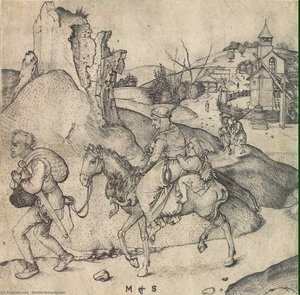
The Fourth Wise Virgin

- 122.0 x 84.0 cm


 Összes részlet megjelenítése
Giclée / Műnyomat
Múzeumi minőségű giclée vagy vászonnyomat, gyors gyártással és rugalmas finomítási lehetőségekkel. ( Kézzel festett másolat rendelése Áttérés digitális képre)




P118B Ft10

P118H Ft10

P118W Ft10

P438Z Ft10

P508JH Ft12

P508YH Ft12

P805H Ft10

P805Z Ft10

P919BZ Ft10

P919G Ft10

P919XJ Ft10

P959ZH Ft10

P968JZ Ft12

W106C Ft8

W218G Ft10

W218JH Ft8

W218Y Ft10

W307PJ Ft10

W316G Ft10

W316PJ Ft8

W316Y Ft10

W398PJ Ft8

W4111J Ft10

W500HY Ft15

W500JH Ft15

W692G Ft12

W849H Ft8

W940BG Ft15

W953PJ Ft8




Válasszon előre meghatározott méreteink közül, amelyek megfelelnek a műalkotás eredeti arányainak.

Írja be a keretének vagy a falának megfelelő szélességet és magasságot. A nyomatot csak le lehet vágni, soha nem tehető nagyobbá, mint az eredeti kép, így egy eltérő alakú méretnél a kép egy része elveszik. Mielőtt bármit kinyatintanánk, küldünk egy digitális próbamodellt jóváhagyásra. Az oldalon látható kép nem tartalmazza a valós levágást — ezt csak a próbamodell mutatja meg.
Világszerte történő kiszállítás területére mindössze 2 hét alatt, a szokásos 4-5 hét helyett. (2 november)

Ingyenes globális expressz szállítás

Prémium minőségű len vászon

Teljes körű szállítási biztosítás

Vámvisszatérítési Garancia

Hiteles színarányosság garancia

100 napos visszaküldési lehetőség (csak hibás termékek esetén)

100% pénzvisszatérítési garancia

Több darab vásárlásakor kedvezmény
 Az üvegkeretes opció csak 110 cm alatti méretben érhető el

The Fourth Wise Virgin
Giclée / Műnyomat
Reprodukció mérete
-


Összesített ár
Ft 26201
The Fourth Wise Virgin: A Glimpse into Northern Renaissance Mystery
Martin Schongauer’s “The Fourth Wise Virgin,” created around 1490, is more than just an engraving; it's a meticulously crafted window into the spiritual and artistic currents of late medieval Germany. This captivating image, housed within the National Gallery of Art in Washington D.C., draws upon both established iconography – referencing the biblical tale of the Wise Virgins – and Schongauer’s own distinctive style, blending meticulous detail with an almost haunting sense of introspection. The work immediately commands attention not through grand scale or overt drama, but through a profound quietude and a subtle layering of symbolism that invites prolonged contemplation.
Schongauer's artistic lineage is deeply rooted in the traditions of goldsmithing, a craft he likely learned from his father. This background profoundly shaped his approach to engraving – an art demanding unparalleled precision and control over line. The image’s remarkable clarity stems from Schongauer’s mastery of hatching and cross-hatching techniques, creating a sophisticated illusion of form and texture. He doesn't simply depict the figure; he sculpts her presence with carefully placed lines, imbuing the composition with an almost palpable sense of weight and volume. The use of negative space is equally crucial, drawing attention to the central subject while subtly suggesting the vastness of the surrounding world – a world both familiar and potentially perilous.
A Biblical Narrative Illuminated
The scene itself draws upon the well-known parable of the Wise and Foolish Virgins. Ten young women are preparing for the wedding of the king, each carrying a lamp filled with oil. The foolish ones neglect their duty, leaving their lamps unlit, and are subsequently barred from entering the celebration. The Fourth Virgin, depicted here in profile, embodies a serene yet subtly melancholic acceptance of her fate. Her posture is dignified, suggesting not despair but a quiet understanding of divine judgment. The candle she holds – a potent symbol of faith, enlightenment, and guidance – casts a gentle glow upon her face, illuminating her expression with an ethereal light.
Schongauer’s choice to focus on this particular virgin is intriguing. Unlike the more overtly dramatic depictions found in other prints from the series, Schongauer's rendering emphasizes introspection rather than external action. The background is deliberately sparse, devoid of elaborate details or distracting elements. This minimalist approach directs the viewer’s attention entirely onto the figure herself, amplifying her internal state and inviting us to contemplate the moral implications of the story. The composition subtly suggests a sense of isolation – a solitary figure contemplating a universal truth.
Technique and Historical Context
“The Fourth Wise Virgin” is a prime example of Northern Renaissance engraving, characterized by its meticulous detail, refined draftsmanship, and a deep engagement with both religious iconography and contemporary fashion. Schongauer’s work reflects the influence of Early Netherlandish painting, particularly the realism and attention to texture evident in the drapery and facial features. The print's creation coincided with a period of significant artistic innovation, as engravers began to explore new techniques for achieving greater tonal range and simulating the effects of paint. The use of a copper or iron plate, meticulously etched with lines using specialized tools like burins, is itself a testament to Schongauer’s technical skill.
Furthermore, the print's creation occurred during a time of intense religious fervor and social upheaval in Europe. The Reformation was gaining momentum, challenging traditional beliefs and practices. Schongauer’s work can be interpreted as a meditation on themes of faith, judgment, and redemption – timeless concerns that resonated deeply with audiences throughout the Renaissance.
A Timeless Symbol of Reflection
“The Fourth Wise Virgin” endures not merely as a beautiful engraving but as a poignant reflection on human nature. Schongauer’s masterful use of line, light, and shadow creates an image that is both visually arresting and emotionally resonant. It's a work that invites viewers to contemplate their own choices, their own faith, and their place within the larger narrative of life and death. The engraving’s quiet dignity and subtle symbolism continue to captivate audiences centuries after its creation, solidifying Schongauer’s legacy as one of the most important printmakers of the Northern Renaissance.
Kérdések és válaszok
Milyen színintenzitással rendelkezik a „The Fourth Wise Virgin”, Martin Schongauer alkotása?
A „The Fourth Wise Virgin”, Martin Schongauer alkotása színei Monochromatic intenzitásúak.
A „The Fourth Wise Virgin”, Martin Schongauer alkotása portré, tájékép vagy négyzet alakú kompozíció?
A „The Fourth Wise Virgin”, Martin Schongauer alkotása egy Portrait kompozíció. A nyomtatási méret kiválasztása előtt érdemes ellenőrizni az arányokat.
Milyen technikával készült a(z) „The Fourth Wise Virgin”, Martin Schongauer alkotása?
A "The Fourth Wise Virgin" alkotás Engraving technikával készült.
A művész életrajza
Martin Schongauer: Élet és örökség
Korai élet és képzés
Martin Schongauer, melynek születése körülbelül 1450 körül történt Colmarban, az Alsace régióban (ma már Franciaország területén), a korai Észak-európai Reneszánsz egyik legmeghatározóbb alakja volt a rajztéknika fejlődésében. Egy iparos családból származott; apja, Caspar Schongauer aranyászon volt, aki körülbelül 1440 körül költözött Németországból, Augsburgból Colmarba. Ez a családi háttér jelentős mértékben formálta Martin korai művészeti képzését, mivel az aranyászat olyan szoros precizitást és fémmunkálási technikákat kínált alapokat, amelyek közvetlenül átruházhatóak voltak a metszés művészetére is.
Tanulmányok és művészi fejlődés
1465-ben Schongauer rövid ideig studált a Lipcezi Egyetemen, ám hamarosan feladta az akadémiai törekvéseket, hogy teljesen a művészetnek szentelhesse életét. Elsőként Caspar Isenmann alatt tanult festőként, aki egy helyi mester volt, és a korai flamando (netherlands) festészet, különösen Rogier van der Szarden munkássága hatása alatt állt. A flamando realizmusnak és a részletek iránti odafigyelésnek való ez a korai érintettség vált később Schongauer saját stílusának egyik legmeghatározóbb jellegzetességévé.
Művészeti stílus és hatások
Schongauer művészeti stílusa egy tiszta, rendszerezett gótikus esztétika és a feltörekvő Észak-európai Reneszánsz hatásainak ötvözésével határozható meg. Jelentős mértékben hiányzott belőle a közvetlen olasz hatás; helyette német és korai flamando hagyományokból merített inspirációt. Műveit aprólékos részletesség, kifejező alakok és a kompozíció kifinomult megértése jellemzi.
- Kulcsfontosságú jellemzők: Precíz metszés, realista ábrázolás, drámai narratívák, gótikus struktúra
- Hatások: Rogier van der Weyden, Caspar Isenmann, német gótikus hagyományok
Főbb eredmények és alkotások
Schongauer leginkább 116 metszete miatt ismert, melyek mindegyikét saját monogramja jelzi. Ezek a grafikák széles körben terjedtek meg Európában, jelentős hatást gyakorolva a rajztéchnikai módsztek és a művészeti stílusok fejlődésére. Metszetei gyakran vallásos jeleneteket, portrékat és alegóriás témákat ábrázoltak.
- Madonna of the Rose Bower (1473): Egy jelentős festmény, amely kiválóan bemutatja képességét a finom részletek és az érzelmi mélység ábrázolásában.
- Metszetek: Olyan alkotások, mint a Szent Antónia kísértése vagy a Pásztorok imádata, amelyek a metszési technika mesteri tudását bizonyítják.
Történelmi jelentőség és örökség
Martin Schongauer hatása a művészet világára óriási volt. Ő volt az egyik első német művész, aki nemzetközi elismertté vált metszőként. Grafikái rendkívül keresettek voltak és széles körben másolták, így művészeti stílusa egész Európában elterjedt. Még azt is dokumentálták, hogy Michelangelo maga is tanulmányozta és lemásolt egy Schongauer-metszetet – a Szent Antónia bírálatát –, ami jól mutatja, milyen nagy tisztelettel élt a későbbi mesterek szemében Schongauer.
Schongauer munkássága áthidalta a szakadékot a gótikus művészet és a Reneszánsz között, utat nyitva olyan művészek számára, mint Albrecht Dürer. A metszési technikák innovatív használata és az alkotási részletek iránti elkötelezettsége maradandó örökséget hagyott a rajztéchnika és az európai északi művészet történetében.
Halál
Martin Schongauer 1491. február 2-án hunyt el Breisachban, magam mögött hagyva olyan lenyűgöző alkotások gyűjteményét, amelynek művészeti értéke és történelmi jelentősége a mai napig ünnepelt.

Martin Schongauer
1450 - 1491 , Németország
Rövid információk
- Artistic Movement Or Style: Gótika és Északnémet művészete
- Artists Or Movements Influenced By This Artist: ['Albrecht Dürer']
- Artists Who Influenced This Artist:
- Rogier van der Weyden
- Caspar Isenmann
- Date Of Death: 1491
- Full Name: Martin Schongauer
- Nationality: Alsácia
- Notable Artworks:
- Madonna az Ibrik Szirmában
- Szent Antónius Megértése
- Place Of Birth: Colmar, Francia
Kapcsolódó cikkek
A művészet forradalmárai: 10 ikonikus metszet, melyek örökre megváltoztatták a világot
Fedezze fel a művészettörténet 10 legikonikusabb metszetét! Dürertől Goyáig, ismerje meg a barokk és reneszánsz mesterek lenyűgöző alkotásait. Vászonképek, poszterek – múzeumi minőségben a OriginalUniqueArt.com-on. Explore the full collection online!

Hendrick Goltzius: Master Engraver & the Flourishing of Dutch Mannerism
Explore the life & art of Hendrick Goltzius, a master engraver of Dutch Mannerism. Discover his innovative techniques, iconic engravings like 'Jahel', and lasting influence on Baroque art. Learn about collecting Goltzius today.

The Art of Engraving: Mastering Precision and Detail in the Intaglio Tradition
Explore the profound mastery of engraving and intaglio printmaking. Delve into the rich history, technical precision of the burin, and the enduring legacy of fine art techniques that shaped the world's most iconic masterpieces.

The Intricate World of Engraving: A Historical Survey of Technique, Artistic Expression & Enduring Legacy
Explore the rich history of engraving with OriginalUniqueArt. Discover techniques, iconic artists like Dürer & Callot, collecting tips, and expert guidance for preserving your art investment. Learn about intaglio printing & more!

Engraving: A Historical Survey of Technique, Artistic Expression & Enduring Legacy
Explore the rich history of engraving with OriginalUniqueArt. Discover techniques, iconic artists like Dürer & Callot, collecting tips, and expert guidance for preserving your art investment. Learn about intaglio printing & more!