Váltás nyomtatványra
 Összes részlet megjelenítése







































 A bármely oldalsó méretét túlszálaló 105 cm (kb. 41 hüvelyk) meghaladó műalkotások vagy reprodukciók esetében a keret összeszerelhető készletként, szétszerelve kerül szállításra. Ez a módszer biztosítja a biztonságos szállítást, és megakadályozza a szállítás során fellépő sérüléseket.


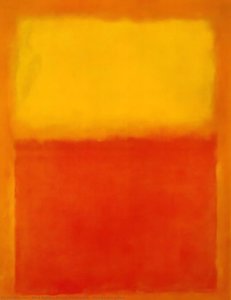
Mark Rothko’s ‘Untitled’: A Descent into Crimson Resonance
Mark Rothko's “Untitled,” painted in 1963, is not merely a canvas adorned with red; it’s an immersion into the profound anxieties and spiritual yearnings of the mid-20th century. Measuring a substantial 349 x 190 cm, this acrylic on canvas work embodies Rothko's signature approach to abstract expressionism – a deliberate reduction of form to its most elemental essence. The painting’s power resides in its deceptively simple composition: a dominant field of saturated red punctuated by a precisely delineated square. This seemingly austere arrangement belies a complex layering of emotional and philosophical intent, rooted deeply within Rothko's personal history and the broader cultural anxieties of his time.
- The Artist’s Context: Born in Dvinsk (Daugavpils), Latvia, in 1903, Mark Rothko’s early life was profoundly shaped by displacement and loss. His family's emigration to Portland, Oregon, following the death of his father, instilled a sensitivity to themes of mortality and existential questioning that would become central to his artistic vocabulary.
- Color as Language: Rothko’s masterful use of color is not decorative; it’s communicative. The intense red, often described as ‘ultramarine,’ was chosen for its ability to evoke primal emotions – passion, anger, and ultimately, a sense of impending doom. This wasn't about representing the world visually but conveying an internal state.
The Language of Rectangles: Form and Emotion
Rothko’s deployment of rectangular forms is crucial to understanding his work. The square within the red field isn’t a static element; it appears to shift and breathe, creating a dynamic tension between stability and dissolution. This technique, developed over years of experimentation, aimed to create an optical illusion – a sense of depth and movement that draws the viewer into the painting's emotional core. It’s a deliberate rejection of traditional perspective, instead opting for a more intuitive and psychologically driven approach to representation. The square can be interpreted as representing a contained space, perhaps a personal sanctuary or a fragile attempt to find order amidst chaos – mirroring Rothko’s own struggles with identity and belonging.
Symbolism and the Void
While Rothko resisted definitive interpretations of his work, “Untitled” is widely understood to grapple with profound existential themes. The vast expanse of red suggests an overwhelming void, a confrontation with mortality, or perhaps a yearning for spiritual transcendence. The square, as a symbol of containment, could represent the individual’s attempt to define themselves within this immense emptiness. The painting's lack of detail forces the viewer to confront their own emotions and associations, creating a deeply personal experience.
A Legacy of Resonance
Created in 1963, “Untitled” stands as a testament to Rothko’s enduring influence on abstract expressionism. Its powerful emotional resonance continues to captivate audiences today, demonstrating the timeless appeal of art that explores the fundamental questions of human existence. This hand-painted reproduction offers an unparalleled opportunity to experience the raw power and contemplative depth of this iconic work by one of the 20th century’s most significant artists.
Kérdések és válaszok
Melyik országból származik a Color Field irányzat Untitled című műve?
A "Untitled" a alkotó születésihelyén keresztül köti össze a Color Field irányzatot Lettország-val.
A „Untitled”, Mark Rothko alkotása portré, tájékép vagy négyzet alakú kompozíció?
A „Untitled”, Mark Rothko alkotása egy Tall kompozíció. A nyomtatási méret kiválasztása előtt érdemes ellenőrizni az arányokat.
Milyen az „Untitled”, Mark Rothko alkotása általános hangulata?
A „Untitled”, Mark Rothko alkotása hangulata Calm, ami segíthet a mű megfelelő környezetbe illesztésében.
Több információ erről a festményről
 Megtekintés
 Küldés
 Megosztás
 Részletek
 Útmutató

 Letöltés
 Hasonló darabok
 X-ray felvétel
 Diavetítés
 Kérdések és válaszok
 Statisztika