

 Megtekintés
 Küldés
 Megosztás
 Részletek
 Útmutató

 Letöltés
 Hasonló darabok
 X-ray felvétel
 Diavetítés
 Statisztika
Rabbi and Rabbitzin
 Oil
Oil- WallArt
- Post-Impressionism
 1914
1914- Modern
 48.0 x 37.0 cm
 Ben Uri Gallery and Museum
 Összes részlet megjelenítése
Giclée / Műnyomat
Múzeumi minőségű giclée vagy vászonnyomat, gyors gyártással és rugalmas finomítási lehetőségekkel. ( Kézzel festett másolat rendelése Áttérés digitális képre)




P118B Ft10

P118H Ft10

P118W Ft10

P438Z Ft10

P508JH Ft12

P508YH Ft12

P805H Ft10

P805Z Ft10

P919BZ Ft10

P919G Ft10

P919XJ Ft10

P959ZH Ft10

P968JZ Ft12

W106C Ft8

W218G Ft10

W218JH Ft8

W218Y Ft10

W307PJ Ft10

W316G Ft10

W316PJ Ft8

W316Y Ft10

W398PJ Ft8

W4111J Ft10

W500HY Ft15

W500JH Ft15

W692G Ft12

W849H Ft8

W940BG Ft15

W953PJ Ft8




Válasszon előre meghatározott méreteink közül, amelyek megfelelnek a műalkotás eredeti arányainak.

Írja be a keretének vagy a falának megfelelő szélességet és magasságot. A nyomatot csak le lehet vágni, soha nem tehető nagyobbá, mint az eredeti kép, így egy eltérő alakú méretnél a kép egy része elveszik. Mielőtt bármit kinyatintanánk, küldünk egy digitális próbamodellt jóváhagyásra. Az oldalon látható kép nem tartalmazza a valós levágást — ezt csak a próbamodell mutatja meg.
Világszerte történő kiszállítás területére mindössze 2 hét alatt, a szokásos 4-5 hét helyett. (25 október)

Ingyenes globális expressz szállítás

Prémium minőségű len vászon

Teljes körű szállítási biztosítás

Vámvisszatérítési Garancia

Hiteles színarányosság garancia

100 napos visszaküldési lehetőség (csak hibás termékek esetén)

100% pénzvisszatérítési garancia

Több darab vásárlásakor kedvezmény
 Az üvegkeretes opció csak 110 cm alatti méretben érhető el

Rabbi and Rabbitzin
Giclée / Műnyomat
Reprodukció mérete
-


Összesített ár
Ft 25642
A Glimpse into the Soul of Spitalfields
In the quiet, evocative depths of Mark Gertler’s 1914 masterpiece, Rabbi and Rabbitzin, we are invited into a moment of profound stillness that transcends the boundaries of time. Painted during a pivotal era when the artist was beginning to move beyond his formal training at the Slade School, this work serves as a poignant window into a world of tradition and intimacy. The painting presents us with a man and a woman standing in close proximity before a table laden with the humble artifacts of daily life—cups, bowls, and a solitary knife. There is an undeniable gravity to their presence; the man, adorned with a hat and a flowing white beard, carries the weight of wisdom and heritage, while the woman’s steady gaze connects the viewer directly to the heart of the scene. Through Gertler's lens, a simple gathering is elevated to something much more significant, capturing the quiet dignity found within communal rituals.
The composition is masterfully balanced, utilizing a technique that leans into the burgeoning experimentalism of early Modernism. While the subjects are anchored by a certain formal rigidity, there is a soft, rhythmic quality to the arrangement of objects on the table that guides the eye across the canvas. Gertler employs a palette that feels both grounded and atmospheric, using light to sculpt the figures and imbue them with a sculptural permanence. The background, featuring shadowy, less defined figures, creates a sense of depth and social context, suggesting that while our protagonists are the focal point, they are part of a larger, breathing tapestry of community life. This interplay between the sharp focus on the central pair and the ethereal quality of the surrounding space creates a captivating tension that keeps the viewer perpetually engaged.
For the discerning collector or interior designer, Rabbi and Rabbitzin offers much more than mere decoration; it provides an emotional anchor for any curated space. The painting’s symbolism—the shared table, the ritualistic objects, and the stoic expressions—speaks to themes of continuity, heritage, and the sanctity of the domestic sphere. It is a piece that commands attention through its subtlety rather than through loud or jarring colors. When rendered as a high-quality hand-painted reproduction, the textures of the brushwork and the nuanced transitions of tone are preserved, allowing the artwork to breathe life into a room. Whether placed in a sophisticated study, a contemporary living area, or a gallery-style hallway, this work serves as a conversation starter, inviting contemplation on the beauty of tradition and the enduring power of the human portrait.
Kérdések és válaszok
Milyen érzelmi hangulatot áraszt a „Rabbi and Rabbitzin”, Mark Gertler alkotása?
A „Rabbi and Rabbitzin”, Mark Gertler alkotása művészeti alkotás érzelmi tónusa Somber. Ez foglalja össze a mű által kifejezett érzést.
Mikor készült a(z) „Rabbi and Rabbitzin”, Mark Gertler alkotása?
A „Rabbi and Rabbitzin”, Mark Gertler alkotása alkotásának éve 1914.
Milyen elhelyezés illik „Rabbi and Rabbitzin”, Mark Gertler alkotása formátumához?
A formátum (Portrait) és a javasolt helyiség (Dining Room) a „Rabbi and Rabbitzin”, Mark Gertler alkotása alkotáshoz tartozó két elhelyezési adat.
A művész életrajza
Early Life and Career
Mark Gertler (born Marks Gertler; December 9, 1891 – June 23, 1939) was a British painter of figure subjects, portraits, and still-life. He was born to poor Polish-Jewish immigrant parents and spoke only Yiddish up to the age of 8. In 1906 he enrolled in art classes at Regent Street Polytechnic but was forced to drop out due to poverty. His early talent for drawing quickly became apparent, inspiring Gilbert Cannan’s novel Mendel. Gertler's forename was anglicised from "marks" to "mark" in 1896 when his family joined his father in London. He attended evening classes at Regent Street Polytechnic and began working as an apprentice at Clayton & Bell, a stained glass company, furthering his artistic education.Rise to Prominence and Notable Works
Gertler’s career gained momentum when he achieved third place in a national art competition in 1908. He subsequently enrolled at Slade School of Art in London, where he forged connections with fellow artists such as Paul Nash, Edward Wadsworth, and Sir Stanley Spencer—influences that profoundly shaped his artistic vision. Lady Ottoline Morrell introduced him to Walter Sickert, the leader of the Camden Town Group, solidifying his position within a vibrant artistic milieu. Despite his considerable success in portraiture, Gertler’s temperament and unwavering dedication to pursuing his own creative path often led to personal hardship and financial instability. Nevertheless, he produced remarkable artworks that continue to resonate with audiences today.- Still Life with Self Portrait: This painting exemplifies Gertler’s distinctive style, characterized by bold colors and expressive brushstrokes—a testament to his artistic individuality.
- Basket of Fruit & Peaches & Green Bottle: Demonstrating Gertler’s meticulous attention to detail and his ability to capture the essence of everyday subjects, this piece showcases his mastery of technique.
- Violin Case & Flowers: Gertler’s masterful depiction of floral arrangements reflects his fascination with natural beauty and his skillful use of color to convey emotion.
- Merry-Go-Round: Painted in 1916, this monumental canvas is considered Gertler’s magnum opus—a powerful critique of militarism conveyed through dynamic composition and vibrant hues.
Legacy and Burial
Mark Gertler's life was marked by both artistic triumph and personal struggle. He died on June 23, 1939, leaving behind a legacy as one of Britain’s most innovative painters of his era. He was buried at Willesden Jewish Cemetery alongside numerous other prominent figures from London’s Jewish community—a poignant reminder of his enduring contribution to British art history.Explore More
Mark Gertler: Discover more about Mark Gertler's life and artistic achievements on OriginalUniqueArt!
Mark Gertler
1891 - 1939 , Egyesült Királyföld
Rövid információk
- Artistic Movement Or Style: Post-Impressionism, Early Modernism
- Artists Who Influenced This Artist:
- Walter Sickert
- Paul Nash
- Edward Wadsworth
- Date Of Birth: December 9, 1891
- Date Of Death: June 23, 1939
- Full Name: Mark Gertler
- Nationality: British
- Notable Artworks:
- Still Life with Self Portrait
- Basket of Fruit
- Peaches and Green Bottle
- Violin Case and Flowers
- Place Of Birth: London, United Kingdom
Kapcsolódó cikkek
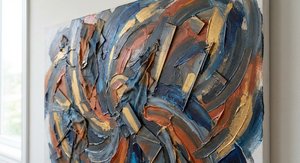
Beyond Representation: Exploring Emotional Resonance & Formal Innovation in Abstract Art
Explore the profound emotional depth & formal innovations of abstract painting. Discover key artists like Rothko & Kandinsky, understand art collecting insights, and elevate your space with timeless masterpieces. Expert analysis for discerning collectors.

Beyond Representation: Emotional Resonance & Formal Innovation in Abstract Painting
Explore the profound emotional depth & formal innovations of abstract painting. Discover key artists like Rothko & Kandinsky, understand art collecting insights, and elevate your space with timeless masterpieces. Expert analysis for discerning collectors.
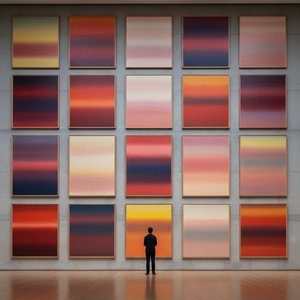
Mark Rothko 25 Mesterműve: Érzelmek és Színek a Modern Művészetben | OriginalUniqueArt
Fedezze fel Mark Rothko 25 legikonikusabb művét! Ismerje meg az absztrakt expresszionizmus mesterének érzelmi világát, színeit és technikáit. Múzeumi minőségű reprodukciók a OriginalUniqueArt-on – inspirálja otthonát egyedi faliképekkel! Explore the full collection online.

Mark Gertler: Modern Anxiety & British Vorticism – A Life Painted with Context
Explore the life & art of Mark Gertler, a key figure in British Vorticism. Discover his poignant portraits, Bloomsbury connections, and enduring legacy. Expert analysis & high-quality reproductions at OriginalUniqueArt.
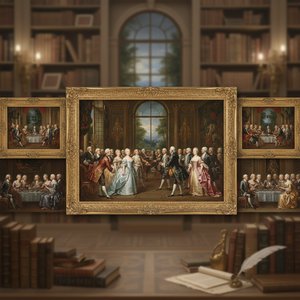
Capturing Elegance: The Art of the Formal Gathering in Masterpiece Paintings
Explore the timeless elegance of formal gatherings through the lens of art history. Discover how master painters captured social grace, status, and atmosphere in iconic group portraits and ballroom scenes.