
 Megtekintés
 Küldés
 Megosztás
 Részletek
 Útmutató

 Letöltés
 Hasonló darabok
 X-ray felvétel
 Diavetítés
 Kérdések és válaszok
 Statisztika
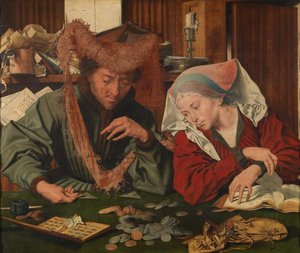
Two tax gatherers


 Összes részlet megjelenítése
Giclée / Műnyomat
Múzeumi minőségű giclée vagy vászonnyomat, gyors gyártással és rugalmas finomítási lehetőségekkel. ( Kézzel festett másolat rendelése Áttérés digitális képre)




P118B Ft10

P118H Ft10

P118W Ft10

P438Z Ft10

P508JH Ft12

P508YH Ft12

P805H Ft10

P805Z Ft10

P919BZ Ft10

P919G Ft10

P919XJ Ft10

P959ZH Ft10

P968JZ Ft12

W106C Ft8

W218G Ft10

W218JH Ft8

W218Y Ft10

W307PJ Ft10

W316G Ft10

W316PJ Ft8

W316Y Ft10

W398PJ Ft8

W4111J Ft10

W500HY Ft15

W500JH Ft15

W692G Ft12

W849H Ft8

W940BG Ft15

W953PJ Ft8




Válasszon előre meghatározott méreteink közül, amelyek megfelelnek a műalkotás eredeti arányainak.

Írja be a keretének vagy a falának megfelelő szélességet és magasságot. A nyomatot csak le lehet vágni, soha nem tehető nagyobbá, mint az eredeti kép, így egy eltérő alakú méretnél a kép egy része elveszik. Mielőtt bármit kinyatintanánk, küldünk egy digitális próbamodellt jóváhagyásra. Az oldalon látható kép nem tartalmazza a valós levágást — ezt csak a próbamodell mutatja meg.
Világszerte történő kiszállítás területére mindössze 2 hét alatt, a szokásos 4-5 hét helyett. (9 november)

Ingyenes globális expressz szállítás

Prémium minőségű len vászon

Teljes körű szállítási biztosítás

Vámvisszatérítési Garancia

Hiteles színarányosság garancia

100 napos visszaküldési lehetőség (csak hibás termékek esetén)

100% pénzvisszatérítési garancia

Több darab vásárlásakor kedvezmény
 Az üvegkeretes opció csak 110 cm alatti méretben érhető el

Two tax gatherers
Giclée / Műnyomat
Reprodukció mérete
-


Összesített ár
Ft 26397
Artistic Style and Technique
The painting showcases Marinus van Reymerswaele's unique style, which blends elements of realism and satire. The use of oil on oak wood gives the piece a sense of depth and texture, while the attention to detail in the depiction of the tax collectors' clothing and surroundings adds to the overall sense of realism. You can find more information about Marinus van Reymerswaele and his works on Marinus van Reymerswaele.Symbolism and Meaning
The painting is rich in symbolism, with the two tax collectors representing greed and corruption. The National Gallery notes that the clothing worn by the tax collectors is old-fashioned, adding to the sense of satire and social commentary. The use of manuscripts and legal documents in the background serves as a reminder of the tax collectors' role in society.- The painting is a prime example of Northern Renaissance art, characterized by its attention to detail and use of symbolism.
- The Two Tax Gatherers is a commentary on the social issues of the time, including greed and corruption.
- The painting's use of oil on oak wood gives it a sense of depth and texture, making it a unique piece in the world of art.
The "Two Tax Gatherers" is a masterpiece that continues to captivate art lovers to this day, offering a glimpse into the social issues and artistic styles of the 16th century.
Kérdések és válaszok
Megtekinthető a „Two tax gatherers”, Marinus Van Reymerswaele alkotása alkotás rendelés előtt?
A „Two tax gatherers” Előnézet oldalán megtekintheti a művészeti alkotást megrendelés előtt.
Milyen elhelyezés és milyen térhelyiség ajánlott a(z) „Two tax gatherers”, Marinus Van Reymerswaele alkotása számára?
A "Two tax gatherers" művet Conversation célokra javasoljuk, a legalkalmasabb helyszín pedig egy Office.
Milyen érzést közvetít a „Two tax gatherers”, Marinus Van Reymerswaele alkotása?
A „Two tax gatherers”, Marinus Van Reymerswaele alkotása hangulata Dramatic, érzelmi tónusa pedig Somber.
A művész életrajza
Antwerpen árnyai mögött rejtőzködő titokzatos mester
A tizenhatododik század ropogós, kereskedelmi forgalomta teli Alföldén egy olyan festő emelkedett ki, akinek ecsetje a mély feszültséget örökítette meg a spirituális odaigazlulás és a világi odavágyás között. Marinus Van Reymerswaele, akinek neve maga a születési helye, Reimerswaal tengerparti települsejét idézi fel, a holland reneszánsz egyik leglenyűgözőbb rejtélye maradt. Élete a képzett håndművesek tipikus pályafutását követte: Leuvenben végzett tanulmányai után megtalálta helyét a tekintélyes Antwerpeni Szent Lukács-ceheg sorai között. Symon van Daele üvegesfestő tanítonyaként regisztrálva Marinus Van Reymerswaele olyan érzéketiséggel rendelkezett a részletekkel és a fénnyel, amely később meghatározta textúrák és hangulatok mesteri uralmát.
Ahogy megtelepedett Antwerpenben, az európai kereskedelem központjában, művészete kezdte tükrözni a város saját, összetett identitását. Termékeny műhelyt működött, egy olyan pezsgő stúdiót, amely képes volt legnépszerűbb témái számos változatát előállítani. Ez a szorgalmakat tükröző tevékenység lehetővé tette, hogy saját vizuális nyelve — a precíz realizmus és a éles társadalmi kritikák különleges ötvözete — átszöszörjön az év korabeli gyűjteményeit. Festményei nem csupán jeleneteket ábrázoltak; morális drámákat szereztek be, amelyek a középkori piánitás és a kapitalizmus felemelkedő hullámai közötti feszült kor zaklatásait tükröztek.
A vonzalom és a kegyelem galériája
Egy Marinus Van Reymerswaele nevéhez köthető alkotás megtekintése olyan térbe visz, ahol a szentség és a profán összeütkezik. A tizenhatododik századi közönség képzeletét egy rendkívül specifikus, ismétlődő ikonográfiával varázslta el. Kompozíciói gyakran négy kulcsfontosságú téma köré épültek, amelyek a létezés különböző aspektusain keresztül kutatták a létezés lényegét:
- Szent Jeronimus intenzív tanulmányai, amelyek a tudományos odaigazlulást és a vallásos kontemplációt jelképezik.
- A adógyűjtők lenyugtathatatlan agitatálása, amely a rideg sátira eszköze a föltökösödés és a korrupció ellen.
- Egy pénzváltó és a felesége, amely a polgári élet és a kereskedelem metszéspontját rögzíti.
- A jogi világ, például egy ügyvéd az irodájában, amely a polgári bürokratia növekvő összetettségét tükrözi.
Főműve, a Két adógyűjtő, az északi reneszánsz művészetének lenyűgöző példája. Az tölgyfa panelre vászsolt olajfesték technikai bravúráival mélységet és olyan textúrát teremtett, amely életre keltette a felképezett alakokat. A festmény éles kritikája az adóhivatalok korrupciójának, ahol a ruházatok és a környezet részletgazdag ábrázolása a szatírát a felismerhető valóságba ágyazza. Ezekben a művekben a karakterek nehézkes, régimódias ruházata a társadalmi kritikát erősíti, emlékeztetve a nézőt a kor változó morális tájára.
Örökség és művészeti hatás
Marinus Van Reymerswaele stilisztikai fejlődése mély hatást mutat az antwerpeni festő, Quentin Matsys munkásságából. Ez a kapcsolat segítette kialakítani azt a képességet, amellyel a realizizmus elemeit éles, gyakran karikatúraszerű humorral ötvözte. Művészetét a részletek iránti odaigazlulás jellemzi, amely lehetővé teszi a néző számára, hogy megfigyelje a kézirvnyomok, a jogi dokumentumok és az érmék apró textúráit — mindezek pedig az korszak gazdagságra és a törvényre való koncentrációjának szimbólumaiként szolgálnak.
Bár Antwerpenben tevékenykedett, utazása végül visszavezette őt az északi Nederlandok felé. Miután legalább 1540-ig Antwerpenben maradt, Goes városába költözött, ahol élete lezárult. Bár számos tábláját inkább a stílusazonosítás, mintsem a konkrét aláírás határozza meg, hatása a műfaji jeleneteken (genre scene) tagadhatatlan marad. Vizuális örökséget hagyott maga után, amely ma is lenyűgöz, mély betekintést nyogatva egy olyan művész gondolkodásába, aki a hit, a tudomány és az emberi odavágyás örökös árnyékai között küzdött.
Marinus Van Reymerswaele
1490 - 1546 , Holland
Rövid információk
- Artistic Movement Or Style: Észak-európai reneszánsz
- Artists Who Influenced This Artist: ['Quentin Matsys']
- Date Of Birth: 1490
- Date Of Death: 1546
- Full Name: Marinus Van Reymerswaele
- Nationality: Holland
- Notable Artworks:
- Two Tax Gatherers
- The Tax Collectors
- St. Jerome in His Study
- Money-Changer and his Wife
- Place Of Birth: Reimerswaal, Holland
Kapcsolódó cikkek

The Enduring Power of Painting: A Historical & Contemporary Exploration of Form and Emotion
Explore the rich history & enduring techniques of oil painting with OriginalUniqueArt. Discover masterpieces, learn about art collecting, and find authentic handmade reproductions crafted by skilled artists.
Kortárs olajfestészet gyűjtésének tájképe: Útmutató a műgyűjtők számára
Böngéssze át a kortárs olajfestészet világát szakértői útmutatónkkal! Tanácsok a minőségi festmények kiválasztásához, befektetési lehetőségek és gondoskodási tippek műgyűjtőknek. Fedezze fel egyedi alkotásokat!

Oil on Canvas: A Historical & Technical Exploration of a Timeless Artistic Medium
Explore the rich history & enduring techniques of oil painting on canvas. Discover the science behind its longevity, conservation practices, and contemporary relevance. Expert insights for art enthusiasts.
The Northern Renaissance: A Masterclass in Hyper-Realism, Oil Innovation, and Symbolic Depth
Explore the profound mastery of Northern Renaissance art. Discover the technical brilliance of Flemish oil painting, the intricate symbolism of Bosch and Bruegel, and the revolutionary realism that redefined European art history through an expert historical lens.

The Enduring Legacy of Oil on Canvas: Technique, History & Aesthetic Impact
Explore the rich history & techniques of oil painting – from Renaissance masters to Impressionism. Discover pigments, layering methods, and why this timeless medium endures. Expert insights for artists & art enthusiasts.