

 Megtekintés
 Küldés
 Megosztás
 Részletek
 Útmutató

 Letöltés
 Hasonló darabok
 X-ray felvétel
 Diavetítés
 Q&A
Q&A Statisztika
St Jerome
 Oil On Panel
- WallArt
- Northern Renaissance
 1547
1547- Renaissance
 80.0 x 108.0 cm
 Prado Múzeum
 Összes részlet megjelenítése
Szerezzen be nyomtatásra kész fájlt, amely messze túlmutat a webes előnézeten. Minden általunk értékesített digitális kép az adatbázisunkban található nagy felbontású mesterfájlból származik – általában 5 000 és 15 000 pixel szélességű –, így magabiztosan nyomtathat nagy méretben, sokat vághat a képen, vagy reprodukálhatja a legfinomabb részleteket is.
Stúdiómból egyetlen fájl sem távozik feltartózkodás nélkül. Egy digitális szakértő az eredeti festménnyel összehasonlítja a színeket, és szükség esetén korrigálja azokat, majd professzionális retusználó eszközökkel javítja a tisztaságot és a részletgazdagságot — miközben mindig hű marad a művész vonalvezetéséhez és stílusához. Az eredmény egy olyan kép, amely úgy néz ki, mint egy festmény, és nem úgy, mint egy szűrőzött szkenn.
A végső munka befejezése előtt jóvá kell hagynia a képet: szakértőnk 72 órán belül elküldi azt e-mailben ellenőrzésre. Nem tetszett? Kérhet javításokat vagy korrekciókat, illetve visszatérítést kérhet, amennyiben a minőség nem felel meg az elvárásoknak.
Ez az a minőség, amelyre a kiadók, a design stúdiók, a galériák és a nyomdaték megbízhatnak.
Digitális kép
Töltsön le nagy felbontású fájlt személyes kiállításokhoz, nyomtatáshoz és kreatív projektekhez. ( Váltás nyomtatványra Kézzel festett másolat rendelése)
Minden digitális kép rendeléséhez tartozó extrák
Szakértői digitális kézbesítés, garantáltan
Amikor a OriginalUniqueArt.com szolgáltatást választja, nem csupán egy képet kap – professzionálisan felmagasított digitális műalkotást kap, amely precizitással készült, és amelyet megelégsedési gwarancia tesz biztoslássá. Az alábbiakban automatikusan minden benne 】

Gyors e-mail teslimítés
A nagy felbontású digitális képmásolatát a megrendelést követő 72 órán belül e-mailben elküldjük Önnek – azonnal használható formátumban.

MI-alapú digitális fájljavítás
Műve professzionális módon kerül optimalizálásra fejlett mesterséges intelligencia eszközök és manuális szerkesztés segítségével, biztosítva a maximális részletességet, tisztaságot és színpontosságot.

Örök életű ingyenes újradelivery
Véletlenül törölted vagy elvesztetted a fájlodat? Ne aggódj – bármikor ingyen újra megküldjük neked.

Nincs importköltség – soha
Élvezze műalkotásait azonnal, vám, illeték vagy szállítási költség nélkül – a digitális letöltések mindig adamentesek.

Színpontosság garantálása
Professzionális eszközök és színkezelés segítségével garantáljuk, hogy digitális képe a lehető legpontosabban tükrözze az eredeti színeket.

100 napos elégedettségi garancia
Ha nemມີ elégedett a digitális képével, 100 napon belül felülvizsgáljuk vagy 100% visszatérítjük az amountot – kérdés बिना.

100% Pénzvisszatérítési garancia
Nem tetszett a vásárlás? 100 napon belül teljes visszatérítést garantálunk a digitális fájl megvételétől számítva – kérdés nélkül.

Tömegrendelési kedvezmények
Vásároljon 3 képet, spóroljon 10%-et - Vásároljon 5-öt, spóroljon 15%-et - Vásároljon 10+ képet, spóroljon 20%-at. Kiváló kreatív projektekhez, galériákhoz és ügynökségekhez.
A Sanctuary of Silent Wisdom
In the quiet, contemplative depths of Marinus van Reymerswaele’s St Jerome, we are invited into a world where the pursuit of divine knowledge meets the heavy reality of human existence. Completed around 1547, this oil-on-panel masterpiece serves as a profound window into the Northern Renaissance—a period defined by an almost obsessive devotion to detail and a deep-seated fascination with the symbolic language of everyday objects. The painting captures the saint not merely as a historical figure, but as an emblem of intellectual piety, embodying the humanist ideals that were reshaping Europe during the Reformation era.
The scene is anchored by the central figure of St Jerome, an elderly scholar whose weathered face and long, flowing beard speak of decades spent in rigorous study. Draped in a richly textured crimson robe—a hue that signifies his ecclesiastical dignity as a cardinal or bishop—he sits at a desk that serves as a stage for profound theological reflection. The atmosphere is one of heavy, scholarly stillness, where the only movement is the soft stream of natural light entering from an upper corner, casting gentle shadows that heighten the sense of tranquil isolation.
The Language of Symbols and Mortality
Every object meticulously placed upon the desk by Reymerswaele serves as a silent narrator, contributing to a complex tapestry of meaning. At the heart of the composition lies an open book, its illuminated text hinting at Jerome’s monumental task: the translation of the Bible into Latin. This act of scholarship was pivotal in shaping Christian theology, and the artist renders the parchment with such tactile accuracy that one can almost feel the weight of the history contained within those pages.
Yet, amidst this celebration of intellect, a somber reminder of our shared fate rests near the book: a skull. This memento mori—a classic Renaissance motif—serves as a poignant counterpoint to the scholarly pursuits, reminding the viewer of the ephemeral nature of earthly life and the inevitability of death. Other carefully positioned tools, such as a pair of compasses symbolizing the navigation toward divine truth and a quill pen representing the power of intellectual discourse, further enrich the scene. Through these symbols, Reymerswaele transforms a simple study into a profound meditation on the balance between worldly learning and spiritual preparation.
A Masterpiece for the Discerning Collector
Technically, the painting is a triumph of Northern Renaissance realism. Reymerswaele’s ability to capture the varied textures of heavy fabric, aged wood, and cold bone is nothing short of remarkable. His expressive brushwork, blended with a subdued palette of earth tones, creates a solemn and immersive atmosphere that draws the viewer into the saint's private sanctuary. The subtle modeling of forms and the interplay of light and shadow provide a depth that makes the composition feel remarkably alive.
For the art lover or interior designer, a high-quality reproduction of St Jerome offers more than just aesthetic beauty; it brings a sense of historical gravity and intellectual depth to any space. Whether placed in a private library, a study, or a sophisticated living area, this artwork acts as a focal point for contemplation. It is a piece that invites conversation, offering a window into a time when faith and reason were inextricably intertwined, making it an enduring choice for those seeking to surround themselves with art that possesses both soul and substance.
Kérdések és válaszok
Milyen típusú műalkotás „St Jerome”, Marinus Van Reymerswaele alkotása?
A „St Jerome”, Marinus Van Reymerswaele alkotása művészeti alkotás a WallArt kategóriába tartozik. Ez a besorolás határozza meg az eredeti alkotás típusát.
Milyen színtelítettséggel rendelkezik „St Jerome”, Marinus Van Reymerswaele alkotása?
A „St Jerome”, Marinus Van Reymerswaele alkotása színei Subtle Color telítettségűek. A telítettség azt mutatja meg, hogy a színek mennyire élénkek vagy fakók.
Mekkora a mérete az eredeti „St Jerome”, Marinus Van Reymerswaele alkotása alkotásnak?
A „St Jerome”, Marinus Van Reymerswaele alkotása dokumentált méretei 80 x 108 cm. A reprodukciók más méretben is megrendelhetők, az eredeti arányok megtartásával.
Művész életrajza
The Enigmatic Master of Antwerp's Shadows
In the bustling, mercantile heart of the sixteenth-century Low Countries, a painter emerged whose brush captured the profound tension between spiritual devotion and worldly greed. Marinus van Reymerswaele, an artist whose very name evokes the coastal town of Reimerswaal where he was born, remains one of the most fascinating enigmas of the Dutch Renaissance. His life followed the typical trajectory of a skilled craftsman; after studying in Leuven, he found professional footing within the prestigious Antwerp Guild of Saint Luke. Registered as a pupil of the glass painter Symon van Daele, Reymerswaele possessed an eye for detail and light that would later define his mastery of texture and atmosphere.
As he established himself in Antwerp, the epicenter of European trade, his work began to mirror the city's own complex identity. He operated a prolific workshop, a bustling studio capable of producing numerous versions of his most celebrated themes. This industriousness allowed his specific visual language—a blend of meticulous realism and biting social commentary—to permeate the collections of the era. His paintings did not merely depict scenes; they staged moral dramas that reflected the anxieties of an era caught between medieval piety and the rising tide of capitalism.
A Gallery of Greed and Grace
To look upon a work attributed to Reymerswaele is to enter a space where the sacred and the profane collide. He was a master of a very specific, recurring iconography that captured the imagination of the sixteenth-century public. His compositions often centered on four pivotal themes that explored the human condition through various lenses:
- The intense study of St. Jerome, representing scholarly devotion and religious contemplation.
- The bustling activity of tax collectors, serving as a satirical commentary on greed and corruption.
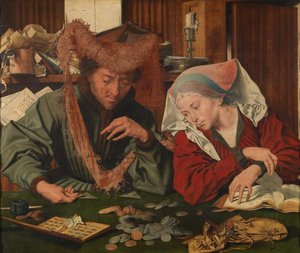
- A money changer and his wife, capturing the intersection of domestic life and commerce.
- The legal world, such as a lawyer in his office, reflecting the growing complexity of civic bureaucracy.
His masterpiece, Two Tax Gatherers, stands as a striking example of Northern Renaissance art. Through the use of oil on oak wood, he achieved a sense of depth and texture that brought his subjects to life. The painting serves as a vivid commentary on the corruption of tax officials, using the detailed depiction of clothing and surroundings to ground his satire in a recognizable reality. In these works, the heavy, old-fashioned garments of his characters add a layer of social critique, reminding the viewer of the era's shifting moral landscape.
Legacy and Artistic Influence
The stylistic development of Marinus van Reymerswaele shows the profound influence of the Antwerp painter Quentin Matsys. This connection helped shape his ability to blend elements of realism with a sharp, often caricatural sense of humor. His work is characterized by an attention to detail that allows the viewer to witness the minute textures of manuscripts, legal documents, and coins, all of which serve as symbols of the era's preoccupation with wealth and law.
While he worked extensively in Antwerp, his journey eventually led him back to the Northern Netherlands. After working in Antwerp until at least 1540, he moved to Goes, where his life reached its conclusion. Though many of his panels are known through attribution rather than signature, his impact on the genre scene remains undeniable. He left behind a visual legacy that continues to captivate, offering a profound glimpse into the mind of an artist grappling with faith, scholarship, and the ever-present shadows of human avarice.
Marinus Van Reymerswaele
1490 - 1546 , Holland