

 Előnézet
 Megosztás
 Megosztás
 Részletek
 Útmutató

 Letöltés
 Hasonló darabok
 X-ray felvétel
 Diavetítés
 Statisztika
Print sample
 Acrylic On Canvas
- WallArt
- Fortuny Aesthetic
 1907
1907- 19th Century
 49.0 x 34.0 cm
 Palazzo Fortuny
 Tovább olvasom
Giclée / Műnyomat
Múzeumi minőségű giclée vagy vászonnyomat, gyors gyártással és rugalmas finomítási lehetőségekkel. ( Kézzel festett másolat vásárlása Áttérés digitális képre)




P118B Ft10

P118H Ft10

P118W Ft10

P438Z Ft10

P508JH Ft12

P508YH Ft12

P805H Ft10

P805Z Ft10

P919BZ Ft10

P919G Ft10

P919XJ Ft10

P959ZH Ft10

P968JZ Ft12

W106C Ft8

W218G Ft10

W218JH Ft8

W218Y Ft10

W307PJ Ft10

W316G Ft10

W316PJ Ft8

W316Y Ft10

W398PJ Ft8

W4111J Ft10

W500HY Ft15

W500JH Ft15

W692G Ft12

W849H Ft8

W940BG Ft15

W953PJ Ft8




Válasszon előre meghatározott méreteink közül, amelyek megfelelnek a műalkotás eredeti arányainak.

Írja be a keretének vagy a falának megfelelő szélességet és magasságot. A nyomatot csak le lehet vágni, soha nem tehető nagyobbá, mint az eredeti kép, így egy eltérő alakú méretnél a kép egy része elveszik. Mielőtt bármit kinyatintanánk, küldünk egy digitális próbamodellt jóváhagyásra. Az oldalon látható kép nem tartalmazza a valós levágást — ezt csak a próbamodell mutatja meg.
Világszerte történő kiszállítás területére mindössze 2 hét alatt, a szokásos 4-5 hét helyett. (22 október)

Ingyenes globális expressz szállítás

Prémium minőségű len vászon

Teljes körű szállítási biztosítás

Vámvisszatérítési Garancia

Tökéletes színarányosság garancia

100 napos visszaküldési garancia (csak gyártási hibás termékek esetén)

100% pénzvisszatérítési garancia

Több darab vásárlásakor kedvezmény
 Az üvegkeretes opció csak 110 cm alatti méretben érhető el

Print sample
Giclée / Műnyomat
Reprodukció méretei
-


Összesített ár
Ft 25277
A Study in Color and Illusion: Mariano Fortuny’s “Print Sample”
This captivating artwork, titled "Print sample," offers an intimate glimpse into the revolutionary world of Mariano Fortuny – a figure as adept at theatrical innovation as he was at painting. Measuring 49 x 34 cm, this 1907 print embodies Fortuny’s meticulous approach to light and color, a cornerstone of his artistic legacy. The composition itself is deceptively simple: a square canvas dominated by a rich red background, punctuated by four overlapping circles of varying blues. Yet, within this apparent restraint lies a profound exploration of visual perception and the techniques that would define Fortuny's enduring fame.
The Genius of the Fortuny Cyclorama
Mariano Fortuny’s genius wasn’t confined to easel painting; it extended into the realm of theatrical design. Born in Reus, Spain, in 1871, he inherited a passion for art from his father, a genre painter who tragically died when Mariano was just three years old. This early loss propelled the family to Paris, where Mariano’s mother exposed him to the luxurious world of textiles and fabrics – an influence that would profoundly shape his artistic vocabulary. Fortuny's most significant contribution came with the development of the “cyclorama dome,” a semi-hemispherical structure designed to bathe theatrical scenes in indirect light, creating an illusion of vastness and seamlessly blending painted backdrops with the actual stage. This technique, detailed in his treatise "Eclairage Scenique," was born from his meticulous study of reflected light – a concept that he applied equally to his still-life paintings.
Technique and Materiality
Created using print media in 1907, “Print sample” demonstrates Fortuny’s mastery of color mixing and layering. The varying shades of blue within the circles aren't simply painted; they are achieved through a sophisticated understanding of how light interacts with different surfaces – a principle he meticulously documented. The use of multiple layers, characteristic of his technique, creates a shimmering depth that draws the viewer into the artwork. The slight overlap of the circles isn’t merely an aesthetic choice; it's a deliberate manipulation of perspective, echoing Fortuny’s broader interest in creating illusions and challenging traditional notions of representation. The piece speaks to his innovative approach to materials, utilizing print media to achieve effects previously only attainable through oil paint.
Symbolism and Emotional Resonance
"Print sample" can be interpreted as a meditation on the nature of perception itself. Fortuny’s relentless pursuit of creating believable illusions – whether in theatrical settings or paintings – suggests a fascination with the power of the mind to construct reality. The circles, seemingly simple forms, become imbued with a sense of mystery and contemplation. Displayed at the Palazzo Fortuny in Venice, this artwork serves as a tangible link to a visionary artist who fundamentally altered the landscape of both art and theatre. It’s a testament to his dedication to innovation and his profound understanding of how light, color, and form can evoke powerful emotions.
Gyakran Ismételt Kérdések
Hogyan egyensúlyozza a fényt és a sötétséget a "Print sample"?
A "Print sample" alkotás fényerisége összességében brilliant, luminanciája pedig Luminous.
Mi a "Print sample" formátuma?
A "Print sample" formátuma Portrait. Ez hasznos, amikor tervezünk, hogy a reprodukciót hová helyezzük el.
Mely művészeti irányba és mely korszakba sorolható a „Print sample”, Fortuny alkotása?
„Print sample”, Fortuny alkotása alkotásművében a Fortuny Aesthetic irányzat találkozik a Modern kor korszakkal.
A művész életrajza
Early Life and Inspiration
Mariano Fortuny, a name synonymous with theatrical innovation and opulent textiles, was born in Reus, Spain, on May 11, 1871. His early life was marked by profound loss – his father, Mariano Fortuny y Marsal, a respected genre painter, passed away when the young boy was just three years old. This event spurred the family’s relocation to Paris, France, where his mother, a woman of considerable artistic sensibility, introduced him to the world of textiles and fabrics. These early experiences with luxurious materials would profoundly shape Fortuny's future creative endeavors, laying the foundation for his revolutionary approach to design. His upbringing fostered an appreciation for both visual arts and craftsmanship, setting the stage for his diverse talents.Artistic Talents and Revolutionary Inventions
From a remarkably young age, Mariano Fortuny demonstrated a prodigious range of artistic abilities. He excelled in painting, photography, sculpting, architecture, etching, and theatrical stage lighting – a testament to his innate creativity and technical skill. However, it was his inventions that truly cemented his place in art history. Between 1901 and 1934, Fortuny patented over twenty groundbreaking devices, transforming the world of theater design as we know it. His most celebrated invention is undoubtedly the “fortuny cyclorama dome,” a quarter-dome structure constructed from plaster or cloth, ingeniously designed to create seamless transitions between scenes in theatrical productions. This innovative system utilized indirect lighting, meticulously calculated and strategically placed, to eliminate harsh shadows and produce an illusion of continuous space – a radical departure from traditional stage lighting. Fortuny’s treatise, “Eclairage Scenique” (1904), meticulously documented his discoveries regarding reflecting light, explaining how manipulating its color, intensity, and properties could dramatically alter the visual experience. He wasn't simply illuminating a stage; he was sculpting with light itself.Notable Collaborations and Artistic Influences
Fortuny’s work gained significant recognition in the 1920s, largely due to his collaborations with some of the most influential figures of the era. He worked closely with Richard Wagner, the German composer, whose operas deeply inspired Fortuny's artistic vision. He designed sets for the premiere of Tristan und Isolde at La Scala opera house in Milan, adapting his dome system to accommodate the theater’s vast scale and even inventing a sophisticated suction fan mechanism to maintain the dome’s taut structure – a remarkable feat of engineering. His work extended beyond opera; he collaborated with Marchesa Casati, a prominent socialite and patron of the arts, creating lavish sets for her private theatre in Venice. Fortuny's legacy is inextricably linked to the Gesamtkunstwerk (total artwork) concept championed by Wagner, where all artistic disciplines – music, drama, visual art – are seamlessly integrated to create a unified and immersive experience. His work also drew inspiration from the vibrant colors and exotic motifs of Orientalism, reflecting his fascination with Eastern cultures.Legacy and Lasting Impact
Mariano Fortuny passed away on May 3, 1949, in Venice, Italy. His innovative contributions to theatrical design, combined with his exquisite textiles – particularly the iconic “Delphos” gown – ensured his enduring legacy. His work profoundly influenced French novelist Marcel Proust, who frequently referenced Fortuny’s designs and artistic philosophy in his novels. The life of Mariano Fortuny was also depicted in Pere Gimferrer's novel "Fortuny," a testament to the artist's lasting cultural impact. Today, Fortuny’s legacy continues to inspire designers and artists worldwide, demonstrating the power of innovation and the enduring allure of beauty and craftsmanship. His techniques and designs remain relevant, proving that his vision transcended its time.
Fortuny
1871 - 1949 , Spanyolország
Gyors információk
- Artistic Movement Or Style: Orientalizmus
- Artists Or Movements Influenced By This Artist: ['Marcel Proust']
- Artists Who Influenced This Artist: ['Richard Wagner']
- Date Of Birth: 1871. május 11.
- Date Of Death: 1949. április 3.
- Full Name: Mariano Fortuny y Marsal
- Nationality: Spanyol
- Notable Artworks:
- Teagown
- Portrétt
- Place Of Birth: Reus, Spanyolország
Kapcsolódó cikkek
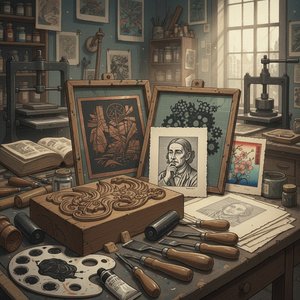
The Enduring Legacy of Printmaking: Techniques, Themes & Artistic Innovation Across Centuries
Explore the rich history of printmaking with OriginalUniqueArt. Discover techniques from intaglio to lithography, learn about collecting valuable prints & find museum-quality reproductions. Expert insights for art enthusiasts and collectors.

Giclée Prints: Archival Quality & Aesthetic Nuances for the Discerning Collector
Explore the world of giclée prints with OriginalUniqueArt. Learn about archival quality, aesthetic nuances & investment potential. Expert guidance for discerning art collectors seeking museum-quality reproductions and lasting value.

The Enduring Legacy of Fine Art Prints: Technique, History & Aesthetic Impact
Explore the rich history & techniques of fine art prints. Discover investment potential, assess authenticity, and learn how to preserve your collection with expert guidance. Trusted insights for discerning collectors.

Mariano Fortuny: A Fusion of Art, Fashion & Design – Exploring a Venetian Innovator's Legacy
Explore the captivating world of Mariano Fortuny – artist, designer & innovator. Discover his revolutionary textiles, iconic Delphos gown, and lasting influence on art, fashion & interiors. A collector's guide to a Venetian master.

Echoes of Time: Exploring the Enduring Appeal & Historical Context of Vintage Art Prints
Explore the captivating world of vintage art prints! Discover their history, collecting tips & enduring appeal. Expert insights on chromolithography and building a legacy collection with OriginalUniqueArt.
