
 Megtekintés
 Küldés
 Megosztás
 Részletek
 Útmutató

 Letöltés
 Hasonló darabok
 X-ray felvétel
 Diavetítés
 Kérdések és válaszok
 Statisztika
Lamentation

- 122.0 x 154.0 cm


 Összes részlet megjelenítése
Giclée / Műnyomat
Múzeumi minőségű giclée vagy vászonnyomat, gyors gyártással és rugalmas finomítási lehetőségekkel. ( Kézzel festett másolat rendelése Áttérés digitális képre)




P118B Ft10

P118H Ft10

P118W Ft10

P438Z Ft10

P508JH Ft12

P508YH Ft12

P805H Ft10

P805Z Ft10

P919BZ Ft10

P919G Ft10

P919XJ Ft10

P959ZH Ft10

P968JZ Ft12

W106C Ft8

W218G Ft10

W218JH Ft8

W218Y Ft10

W307PJ Ft10

W316G Ft10

W316PJ Ft8

W316Y Ft10

W398PJ Ft8

W4111J Ft10

W500HY Ft15

W500JH Ft15

W692G Ft12

W849H Ft8

W940BG Ft15

W953PJ Ft8




Válasszon előre meghatározott méreteink közül, amelyek megfelelnek a műalkotás eredeti arányainak.

Írja be a keretének vagy a falának megfelelő szélességet és magasságot. A nyomatot csak le lehet vágni, soha nem tehető nagyobbá, mint az eredeti kép, így egy eltérő alakú méretnél a kép egy része elveszik. Mielőtt bármit kinyatintanánk, küldünk egy digitális próbamodellt jóváhagyásra. Az oldalon látható kép nem tartalmazza a valós levágást — ezt csak a próbamodell mutatja meg.
Világszerte történő kiszállítás területére mindössze 2 hét alatt, a szokásos 4-5 hét helyett. (17 november)

Ingyenes globális expressz szállítás

Prémium minőségű len vászon

Teljes körű szállítási biztosítás

Vámvisszatérítési Garancia

Hiteles színarányosság garancia

100 napos visszaküldési lehetőség (csak hibás termékek esetén)

100% pénzvisszatérítési garancia

Több darab vásárlásakor kedvezmény
 Az üvegkeretes opció csak 110 cm alatti méretben érhető el

Lamentation
Giclée / Műnyomat
Reprodukció mérete
-


Összesített ár
Ft 26216
A Profound Echo of Sorrow: Exploring Basaiti's Lamentation
To stand before Marco Basaiti’s Lamentation is to be enveloped in an atmosphere thick with sacred grief. This monumental canvas, dating from 1527, does not merely depict a historical event; it captures the very essence of human sorrow meeting divine sacrifice. The scene unfolds outdoors against a rugged, rocky hillside, providing a stark, natural backdrop that heightens the drama unfolding at its heart. At the center, the figure of Christ, having endured the ultimate suffering on the cross, becomes the magnetic focal point for every eye in the composition. Surrounding him is a gathering of figures—at least twelve souls depicted with varying degrees of proximity and emotion—who form a complex tapestry of devotion, shock, and profound mourning.
Venetian Renaissance Mastery: Technique and Form
Basaiti’s handling of this dramatic subject showcases his skill as an artist bridging the gap between the late Quattrocento delicacy and the emerging power of the Cinquecento. While the narrative weight is immense, the execution retains a characteristic Venetian luminosity. Observe how the light seems to emanate not just from an external source, but from the very emotional core of the gathering itself. The composition is masterfully orchestrated; figures are arranged in layers, some kneeling low in palpable despair near the foreground, others standing back, their postures conveying varying degrees of contemplation and awe. The inclusion of elements like the visible bench anchors the scene slightly, giving structure to the surrounding chaos of emotion, while the overall palette speaks to the rich, earthy tones favored by Venetian masters.
Symbolism and Emotional Resonance
The symbolism within this Lamentation is deeply rooted in Christian iconography. Every gesture—the outstretched hand, the bowed head, the grouping of bodies—speaks volumes without uttering a word. The gathering itself symbolizes humanity’s eternal relationship with suffering and redemption. It invites the viewer into an intimate space of shared grief. For the modern collector or decorator, this piece offers more than mere decoration; it is a meditation object. Its palpable sense of reverence imbues any room it graces with a quiet dignity, transforming a space into a sanctuary for contemplation.
A Timeless Piece for Contemporary Spaces
Considering its size of 122 x 154 cm, this work possesses an imposing presence, making it ideal as a dramatic focal point in a grand hall, a chapel-inspired living area, or a formal reception room. When acquiring a high-quality reproduction of Basaiti’s hand-painted vision, one is not simply purchasing paint on canvas; one is inviting centuries of artistic devotion into your home. It speaks to enduring themes—loss, sacrifice, and ultimate hope—making it a piece that continues to resonate across the ages, connecting the contemporary viewer directly to the profound emotional currents of Renaissance Venice.
Kérdések és válaszok
Mennyire erős a kontraszt a(z) „Lamentation”, Marco Basaiti alkotása alkotásban?
A "Lamentation" fény-sötét kontrasztja Balanced értéket mutat. A kontraszt azt írja le, mennyire térnek el egymástól a világos és sötét részek.
Hol vásárolható „Lamentation”, Marco Basaiti alkotása kézzel festett másolata?
A „Lamentation”, Marco Basaiti alkotása kézzel festett reprodukcióját közvetlenül a(z) Kézzel festett másolat oldalon is megrendelheti: kézzel festett olajfesték reprodukció lino vászonon, egyedi igény szerinti gyártással.
Hogyan találkoznak a korszak és a mű stílusa „Lamentation”, Marco Basaiti alkotása alkotásban?
A „Lamentation” a Renaissance Venetian Painting irányzat alkotása, készítője pedig a Reneszánsz korszakban tevékenykedett.
A művész életrajza
Marco Basaiti: A híd a Quattrocento és a Cinquecento véneziai festészet között
Marco Basaiti (kb. 1470 – 1530) a reneszánsz Velence egyik kulcsfontosságú alakjaként áll mūsų előtt, képviseltenve azt a kritikus átmeneti korszakot, amely összeköti a Quattrocento stilisztikai konvencióit a Cinquecento feltörekvő pompájával. Bár életrajzi részletei ritkák – ami jól mutatja az akkori művészek dokumentálásának nehézségeit –, a megmaradt aláírásokból és céhes nyilvántartásokból származó tudományos kutatások egy olyan festőt mutatnak meg, aki mélyen beágyazott ideje művészeti landszerészetébe. Vasari beszámolója, bár vitatott Basaiti személyazonosságáról (mivel két különálló egyént tett volna össze), megergedtette őt mint kiemelkedő véneziai festőt, olyan fényemberek mellett, mint Giovanni Bellini vagy Cima da Conegliano.- Korai élet és képzés: Basaiti körülbelül 1470-ben született Venécében vagy Friuli területén; családi eredete rejtélybe burkolózik – valószínűleg albán vagy görög –, ami tükrözi a véneziai társadalomban élő külföldi közösségek bevett szokását, hogy viszonylag elszigetelten éljenek, így korlátozva jelenlétüket a hivatalos iratokban. Az 1526-os testamentum izgalmas nyomokat hagyott családi kapcsolataival kapcsolatban, bár hitelessége továbbra is tudományos vizsgálat tárgyát képezi.
- Bartolomeo Vivarini hatása: A bizonyítékok arra utalnak, hogy Basaiti művészeti nevelése Bartolomeo Vivarini tanítása alatt zajlott, akinek stilisztikai innovációi mélyreható hatást gyakoroltak a festő korai munkáira. Vivarini az 1490-es évek végén bekövetkezett halála jelentős fordulópontot jelentett, arra késztetve Basaitit, hogy együttműködjön Vivariniに着nepjével, Alvise Vivarinival is – egy olyan kapcsolatot, amelyet Alvise halála után elvállalt megbízások igazolnak.
Művészeti stílus és technika: Quattrocento gyökerek a Cinquecento innovációjában
Annak ellenére, hogy a Quattrocento stilisztikai érzékiséget örökölte, Basaiti készséggel alkalmazkodott módszereinek ahhoz, hogy rezonáljon a Cinquecento változó esztétikai áramlataival. Vászai mesteri szintű keveréket mutatnak az klasszikus ideálok és az emberista megfigyelés között, ami különösen portréiban nyilvánul meg, ahol az anatómiai pontosság és a pszichológiai árnyalatok dominálnak. A sfumato alkalmazása – egy Bellini által úttörő módon fejlesztett technika – jellemzővé tette festményeit, finom tónusváltásokat alkotva, amelyek éterikus minőséget kölcsönöznek a alakoknak. Emellett Basaiti kompozíciói gyakran tartalmaztak összetett térbeli elrendezéseket és drámai fényeffektusokat, jelezve a korai véneziai művészet kedvezettebb, síkabb perspektívájától való távolodást.- Jelentős megbízások és együttműködések: Basaiti jelentős hírnevet szerzett befolyásos megbízók alkotása révén – leginkább Alvise Vivarinival való kapcsolatán keresztül, aki rábízta rá a Szent Péter trónon és négy szent befejezését; ez egy olyan félbemaradt oltárképi alkotás volt, amely demonstrálta Basaiti képességét, hogy nagy ambíciókkal rendelkező projekteket is képes elvégezni a legnagyobb nyomás alatt is.
Témakörök és ikonográfia: A vénezia szellemiségét tükröző vallásos portrék
Művészete elsősorban portrékból – amelyek gyakran nemesembereket és egyházi dignitásokat ábrázolnak – valamint vallásos jelenetekből áll. Ellentétben számos kortársával, akik mitológiai témákat fedeztek fel, Basaiti művészeti fókuszában a keresztény ikonográfia maradt szilárdan jelen. Festményei gyakran ábrázolnak szenteket és bibliai alakokat aprólékos részletességgel és kifejelegő gesztusokkal, mély spirituális kontemplációt közvetítve.- Örökség és történelmi jelentőség: Marco Basaiti hozzájárulása a véneziai reneszánsz festészethez nem csupán egyéni alkotásaiban rejlik, hanem abban a szerepben is, mint stilisztikai hagyományok összekötője. Őtestesíti az művészeti fejlődés dinamizmusát – tanúskodva Velence tartós, európai kulturális innováció meghatározó pozíciójáról a tizenhatodik században.
További kutatások és erőforrások
Marco Basaiti életének és munkásságának mélyebb feltárásához keresse fel a Getty Research Institute ULAN Full Record Display oldalt (
Marco Basaiti
1470 - 1530 , Olaszország
Rövid információk
- Artistic Movement Or Style: Reneszánsz festészet
- Artists Or Movements Influenced By This Artist: ['Giovanni Bellini']
- Artists Who Influenced This Artist: ['Bartolomeo Vivarini']
- Date Of Birth: kb. 1470
- Date Of Death: 1530
- Full Name: Marco Basaiti
- Nationality: Olasz
- Notable Artworks:
- Fiatalember portréja
- Portré egy kalapos férfiról
- Szent Péter trónon és négy szent
- Place Of Birth: Velence, Olaszország
Kapcsolódó cikkek

Masterpieces of Grandeur: The Top 25 Artworks by Paolo Veronese
Step into the opulence of the Venetian Renaissance with our curated guide to the top 25 Paolo Veronese masterpieces. From grand feasts to luminous colors, explore the stories behind these timeless icons and find museum-quality reproductions. Discover all masterpieces on OriginalUniqueArt.com.

25 Must-See Masterpieces at Gallerie dell'Accademia di Venezia
Explore 25 Venetian masterpieces from Titian to Tintoretto. Discover museum-quality art at OriginalUniqueArt.com.

Echoes of Grief: The Tradition and Technique of Lamentation in Art History
Explore the evolution of grief through masters like Botticelli and Delacroix. Discover the profound techniques of art history now.

Masterpieces of Siena: Top 25 Artworks by Duccio di Buoninsegna
Journey through the Sienese School with our curated guide to the top 25 artworks by Duccio di Buoninsegna. Explore the divine beauty of Byzantine-inspired masterpieces and find museum-quality art reproductions for your decor. Discover all masterpieces on OriginalUniqueArt.com.
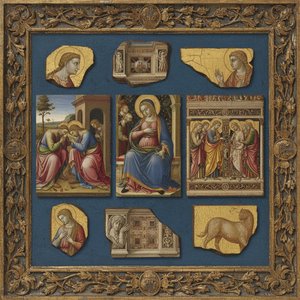
A Proto-Renaissance 10 Mesterműve: A Reneszánsz Előhírnökei – Vászonképek és Nyomatok a OriginalUniqueArt kínálatában
Fedezze fel a Proto-Renaissance 10 legikonikusabb mesterművét! Giotto, Cimabue és más firenzei festők alkotásai – történetek, technikák és időtálló szépség. Vászonképek és nyomatok a OriginalUniqueArt kínálatában. Explore the full collection online!