- Főoldal

- Vászonra nyomtatás
- Marcel Duchamp
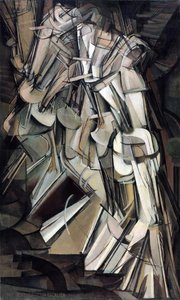
- The Chess Players
 Készíttetnék festményként Kép letöltése
 Megosztás
 Megosztás
 Részletek
 Kedvencekhez ad

 Letöltés
 Hasonló alkotások
 X-ray felvétel
 Diavetítés
The Chess Players


 Tovább olvasom
Giclée / Műnyomat
Múzeumi minőségű giclée vagy vászonnyomat, gyors gyártással és rugalmas finomítási lehetőségekkel.




P118B $10

P118H $10

P118W $10

P438Z $10

P508JH $12

P508YH $12

P805H $10

P805Z $10

P919BZ $10

P919G $10

P919XJ $10

P959ZH $10

P968JZ $12

W106C $8

W218G $10

W218JH $8

W218Y $10

W307PJ $10

W316G $10

W316PJ $8

W316Y $10

W398PJ $8

W4111J $10

W500HY $15

W500JH $15

W692G $12

W849H $8

W940BG $15

W953PJ $8




Válasszon előre meghatározott méreteink közül, amelyek megfelelnek a műalkotás eredeti arányainak.

Megadhat saját méreteket is egy konkrét kerethez vagy helyszínhez igazítva. Amennyiben a kiválasztott méret nem egyezik az eredeti kép arányokkal, a műalkotást le fogjuk vágni, vagy kiegészítjük a képet tükrözött vagy egyszínű szélekkel. A gyártás megkezdése előtt egy digitális tervezetet küldünk jóváhagyásra.
Kérjük, vegye figyelembe, hogy a képernyőn látható előnézet nem tükrözi a tényleges levágást vagy kiegészítést. Csak a tervezet mutatja pontosan a végső kompozíciót.
Bár az egyedi méretek is elérhetőek, az eredeti arányok megőrzése érdekében azt javasoljuk, hogy válasszon a előre meghatározott listából származó méretet.
Világszerte történő kiszállítás területére 2 hét alatt, a szokásos 4-5 hét helyett. 22 július

Ingyenes globális expressz szállítás

Prémium minőségű len vászon

Teljes szállítási biztosítás

Vámvisszatérítési Garancia

Tökéletes színpontosság garancia

60 napos visszaküldési lehetőség (csak gyártási hibák esetén)

100%-os pénzvisszatérítési garancia

Kedvezmény több termény esetén
 Az üvegkeretes opció csak 110 cm alatti méretben érhető el

The Chess Players
Giclée / Műnyomat
A reprodukció mérete
-


Összesített ár
-
Termékinformációk
A Revolutionary Glance at Form and Perception
Marcel Duchamp’s The Chess Players isn't merely a depiction of two men engaged in a game; it’s a profound meditation on the nature of representation, perspective, and the very act of seeing. Completed in 1911, this seminal work stands as a pivotal piece within Proto-Cubism – a transitional phase between traditional representational art and the fully realized geometric abstractions of Cubism itself. Duchamp, a restless intellectual and provocateur, deliberately dismantled conventional artistic norms, inviting viewers to question what constitutes ‘art’ and how we interpret the world around us. The painting's power lies not in its realistic portrayal but in its fragmented forms, overlapping planes, and unsettling intimacy between the figures – a visual embodiment of the complex interplay of thought and emotion.

Proto-Cubism: A Seed of Geometric Revolution
To understand The Chess Players, one must grasp the context of Proto-Cubism. This movement, flourishing between 1906 and 1910, represented a crucial stepping stone towards Cubism’s revolutionary impact on art. Artists like Duchamp began to move away from faithfully replicating reality, instead experimenting with geometric simplification and multiple viewpoints simultaneously. The reduction in color palette – predominantly muted earth tones – further emphasized this shift toward abstraction. Duchamp's approach wasn’t about creating a visually pleasing image; it was an exploration of how objects could be broken down, analyzed, and reassembled within the confines of a single canvas, offering a new way to perceive spatial relationships.
Symbolism and the Intimate Game
The painting's composition is laden with symbolic weight. The two men, positioned close together with their heads touching or appearing to kiss, create an intensely intimate scene. This isn’t a casual encounter; it suggests a deep connection, perhaps even rivalry, fueled by the strategic complexities of chess. The chessboard itself, subtly integrated into the background, becomes a metaphor for life – a game of strategy, deception, and ultimately, human interaction. The presence of the third figure in the distance adds another layer of intrigue, hinting at an unseen force or influence shaping their dynamic. Duchamp’s genius lies in his ability to convey profound ideas through deceptively simple imagery.
A Legacy of Conceptual Art
The Chess Players is more than just a beautiful painting; it's a cornerstone of modern art history and a precursor to the rise of conceptualism. Duchamp’s deliberate rejection of traditional artistic conventions paved the way for artists like Dada, Surrealism, and Pop Art – movements that challenged established notions of beauty, skill, and the role of the artist. The painting’s influence extends far beyond the realm of visual art, impacting music, literature, and architecture as well. Today, owning a high-quality reproduction of The Chess Players offers a unique opportunity to connect with this groundbreaking artistic movement and appreciate Duchamp's enduring legacy. OriginalUniqueArt.com provides an exceptional way to bring this iconic work into your home or office, allowing you to experience the power of Proto-Cubism firsthand.
A művész életrajza
Marcel Duchamp (1887–1968): A Revolutionary Spirit
Marcel Duchamp, born Henri-Robert-Marcel Duchamp in 1887 in Blainville-Crevon, Normandy, was more than an artist; he was a philosophical provocateur who fundamentally altered the course of modern art. His early life, though seemingly conventional – nurtured within a family that appreciated artistic expression with both brothers pursuing successful careers as artists – hinted at the iconoclasm to come. Duchamp initially pursued formal training, mastering traditional techniques and experimenting with post-impressionist styles. However, this academic foundation served not as an end in itself, but as a springboard for questioning the very nature of art, its purpose, and its definition. He wasn’t content merely to depict the world; he sought to challenge how we perceive it, and what constitutes artistic value. This restless intellectual curiosity would become the defining characteristic of his prolific career.Early Life and Artistic Beginnings
Duchamp's formative years were marked by a familial tradition of artistic inclination. His father, Eugène Duchamp, was a notary, yet four of the six Duchamp children embraced art as their vocation. Jacques Villon, Marcel’s elder brother, established himself as a painter, demonstrating an early aptitude for visual expression. Raymond Duchamp-Villon followed suit, pursuing sculpture with considerable success. Marcel himself began experimenting with painting at a young age, producing *Portrait of Marcel Lefrançois* (1904), which showcased his nascent stylistic sensibilities and technical prowess. His studies at the École des Beaux-Arts in Paris yielded mixed results—he famously failed to pass the final exam—but this setback fueled his determination to forge his own artistic path, independent from established conventions.Cubism: A Dialogue with Tradition
Duchamp’s initial engagement with Cubism, evident in works like *Portrait of Chess Players* (1911), represented a crucial step beyond purely decorative pursuits. He absorbed the influence of Picasso and Braque, adopting their innovative techniques for dissecting visual reality into fragmented planes and multiple perspectives—a deliberate departure from traditional representation. However, Duchamp didn’t simply replicate Cubist aesthetics; he interrogated its underlying principles, questioning whether it truly captured the essence of experience. The pervasive disillusionment stemming from World War I profoundly impacted his artistic vision, propelling him toward Dadaism as a reaction against perceived intellectual and moral failings.Dadaism: Rebellion Against Reason
The horrors of World War I galvanized Duchamp’s rebellious spirit, leading him to embrace Dadaism—a movement born out of utter despair and vehement rejection of logic, reason, and the prevailing artistic values of the time. Dadaists sought to dismantle accepted norms through absurdity, chance, and provocation, rejecting any attempt at rational explanation or aesthetic judgment. Within this anarchic framework, Duchamp unleashed his most radical innovation: the ‘readymade’. This concept—taking an ordinary manufactured object and declaring it art—challenged the very definition of artistic skill and authorship. His seminal work, *Fountain* (1917), a porcelain urinal signed “R. Mutt,” epitomized Dada’s irreverence for convention and ignited a furious debate about the role of the artist in society.The Readymades and Conceptual Art: A Paradigm Shift
Duchamp's embrace of the readymade irrevocably altered the trajectory of art history, establishing him as a progenitor of Conceptual Art—an artistic movement that prioritizes idea over material execution. Objects like *L.H.O.O.Q.* (1919), a postcard reproduction of the Mona Lisa defaced with a mustache and goatee, served as biting critiques of cultural icons and artistic traditions. These works weren’t judged on their visual beauty; they demanded contemplation and provoked viewers to confront uncomfortable questions about art's role in shaping our perceptions of reality. Duchamp’s unwavering conviction that art should reside in the mind—not merely in the eye—continues to resonate powerfully within contemporary artistic discourse. His legacy extends far beyond his individual creations, influencing countless artists who followed him and reshaping our understanding of what constitutes artistic expression.Later Years: Surrealism and Continued Innovation
Duchamp’s artistic explorations continued throughout his life, encompassing film, sculpture, and collaborative projects with fellow artists like Man Ray. He participated in Surrealist exhibitions organized by André Breton, demonstrating an enduring fascination with the subconscious mind and its capacity to generate unexpected imagery. His monumental *Etant donnés* (1965–6), a reconstructed version of *The Large Glass*, represents his final artistic endeavor—a complex symbolic work that embodies his lifelong preoccupation with challenging conventions and provoking intellectual engagement. Marcel Duchamp died in Neuilly-sur-Seine on October 2, 1968, leaving behind an unparalleled body of work that cemented his place as one of the most influential figures in modern art history.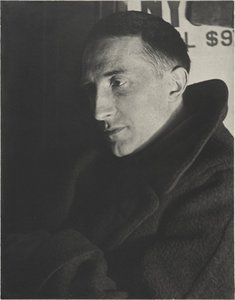
Marcel Duchamp
1887 - 1968 , Franciaország
Rövid tények
- Artistic Movement Or Style:
- Kubizmus
- Dadaizmus
- Szürrealizmus
- Artists Or Movements Influenced By This Artist: ['Minimalizmus']
- Date Of Birth: 28 július 1887
- Date Of Death: 2 október 1968
- Full Name: Marcel Duchamp
- Nationality: Francia-amerikai
- Notable Artworks:
- Fúvóka
- L.H.O.O.Q.
- A Nagy Üveg
- Place Of Birth: Blainville, Franciaország
Kapcsolódó cikkek
A Metropolitan Művészeti Múzeum 25 Gyöngyszeme: Klasszikus Remekművek és Inspiráció Otthonra
Fedezze fel a Metropolitan Művészeti Múzeum 25 legikonikusabb műalkotását! Monet, Van Gogh, Rembrandt és más mesterek remekműveinek történeteit olvassa el. Inspirálódjon otthon dekorációjához – magas minőségű festmény reprodukciók a OriginalUniqueArt.com-on!
A National Gallery győgyöngyei: 25 műalkotás, melyek inspirálnak – OriginalUniqueArt.com
Fedezze fel a National Gallery Washington 25 legikonikusabb műalkotását! Cézanne, Matisse és Picasso remekművei – történetükkel, technikájukkal. Inspirálódjon festményekből otthona dekorációjához. Museum-minőségű reprodukciók a OriginalUniqueArt.com oldalon!

James Abbott McNeill Whistler 25 Mesterműve: Hangulatok és Elegancia a Falakon
Fedezze fel James Abbott McNeill Whistler 25 legszebb művét! Ismerje meg a Nocturnok, portrék és az amerikai impresszionizmus mesterét. Elegáns faliképek otthonába – OriginalUniqueArt.com kínálatából. Böngésszen online!

Georges Braque Mesterek: A 25 Leglenyűgözőbb Kép, Ami Megváltoztatta a Modern Festészetet
Fedezze fel Georges Braque 25 legikonikusabb műalkotását! Ismerje meg a kubizmus történetét, Picasso hatását és a francia művész lenyűgöző festményeit. Múzeumi minőségű reprodukciók és inspiráló dekorációs ötletek a OriginalUniqueArt.com-on.
A detroiti Művészeti Intézet 25 Gyöngyszeme: Mesterművek, Amelyek Inspirálnak
Fedezze fel a detroiti Művészeti Intézet 25 legikonikusabb műalkotását! Rembrandt, Monet, Van Gogh és más mesterek történetei. Vászonképek reprodukciói, inspiráló dekoráció otthonába – OriginalUniqueArt.com.