
 Megtekintés
 Küldés
 Megosztás
 Részletek
 Útmutató

 Letöltés
 Hasonló darabok
 X-ray felvétel
 Diavetítés
 Kérdések és válaszok
 Statisztika
Profilban Öntudat – Marcel Duchamp


 Összes részlet megjelenítése
Az ezen az oldalon megjelenített műalkotások szerzői jogi védelem alatt állnak, ami azt jelenti, hogy törvényileg nem készíthetünk és nem adhatunk el belőlük pontos másolatokat. Ez a védelem olyan nemzetközi megállapodások alapján érvényesül, mint például a Berni Egyezmény és a nemzeti jogszabályok által, beleértve azokat is, amelyeket meghatározott Az USA szerzői jogi törvénye – 17. cím.
Ez a módszer teljes mértékben megfelel a szerzői jogi szabályozásnak, mivel nem tartalmazza a védett műalkotás másolását vagy duplikálását. Ehelyett ez egy kreatív újinterpretáció – egy új festmény, amely az eredetivel való összefüggései miatt hatással van rá, de nem az az.
Giclée / Műnyomat
Múzeumi minőségű giclée vagy vászonnyomat, gyors gyártással és rugalmas finomítási lehetőségekkel. ( Kézzel festett másolat rendelése Áttérés digitális képre)




P118B Ft10

P118H Ft10

P118W Ft10

P438Z Ft10

P508JH Ft12

P508YH Ft12

P805H Ft10

P805Z Ft10

P919BZ Ft10

P919G Ft10

P919XJ Ft10

P959ZH Ft10

P968JZ Ft12

W106C Ft8

W218G Ft10

W218JH Ft8

W218Y Ft10

W307PJ Ft10

W316G Ft10

W316PJ Ft8

W316Y Ft10

W398PJ Ft8

W4111J Ft10

W500HY Ft15

W500JH Ft15

W692G Ft12

W849H Ft8

W940BG Ft15

W953PJ Ft8




Válasszon előre meghatározott méreteink közül, amelyek megfelelnek a műalkotás eredeti arányainak.

Írja be a keretének vagy a falának megfelelő szélességet és magasságot. A nyomatot csak le lehet vágni, soha nem tehető nagyobbá, mint az eredeti kép, így egy eltérő alakú méretnél a kép egy része elveszik. Mielőtt bármit kinyatintanánk, küldünk egy digitális próbamodellt jóváhagyásra. Az oldalon látható kép nem tartalmazza a valós levágást — ezt csak a próbamodell mutatja meg.
Világszerte történő kiszállítás területére mindössze 2 hét alatt, a szokásos 4-5 hét helyett. (3 november)

Ingyenes globális expressz szállítás

Prémium minőségű len vászon

Teljes körű szállítási biztosítás

Vámvisszatérítési Garancia

Hiteles színarányosság garancia

100 napos visszaküldési lehetőség (csak hibás termékek esetén)

100% pénzvisszatérítési garancia

Több darab vásárlásakor kedvezmény
 Az üvegkeretes opció csak 110 cm alatti méretben érhető el

Profilban Öntudat – Marcel Duchamp
Giclée / Műnyomat
Reprodukció mérete
-


Összesített ár
Ft 26538
Marcel Duchamp – A Contemplative Silhouette
A Marcel Duchamp művész által alkotott „Profilban Látó önkép” egy olyan darab, amely azonnal felhívja a figyelmet, és mélyrehatóan szólítja meg az embert. Ez a 1958-as alkotás nem csupán egy portré, hanem Duchamp gondolkodásának, művészi filozófiájának egy szimbolikus kifejezése – egy jelentős áttörést követően, amely távol került a readymade-ok feltűnő kísérletezésétől. A kép egyfajta belső utalás, egy csendes és mélygondolkodásra ösztönöz, melyben az alkotó magára tekint, ugyanakkor a világra is figyel. A kompozíció egyszerűsége – egyértelműen meghatározott, sötét sziluett, amely dominál a képernyőn, és egy hatalmas, meleg, barnás-sárga színárnyalat, mely felettük helyezkedik el – azonnal vonzza a tekintetet, és egyfajta feszültséget teremti meg. A stílus intenzív minimalizmusát a formák egyszerűsítése jelzi, mely a részletekre való odafigyelés helyett a szimbolikus jelentésre összpontosít. Duchamp technikája, bár pontosan nem ismert, valószínűleg az egyéni nyomtatás vagy fařezítés technikáját használta, amelyek lehetővé teszik a precíz irányítást és a finom árnyalatok létrehozását. A szigorúan fekete háttér tovább hangsúlyozza a központi formákat, és egyfajta izolációt, mélységet teremt a perspektívában, annak ellenére, hogy a kép egy laposabb nézőpontot mutat.
A Duchamp család és az avantgárd
Marcel Duchamp nem csupán egy művész volt, hanem egy olyan generáció meghatározó alakja. A Duchamp család – Jacques Villon, a festő és nyomatlaposító, valamint Raymond Duchamp-Villon, a szobrász – mindannyian jelentős szerepet játszottak az első évszázad elejénél folyó avantgárd mozgalmakban. A család művészi ambíciója, a kreatív energiája és a folyamatos kísérletezés együttesen formálták a korszak művészetét. Duchamp testvérei, Jacques Villon és Raymond Duchamp-Villon is jelentős szerepet játszottak az avantgárd mozgalmakban, mindketten egyedi stílusokat hoztak létre, melyek a korabeli művészeket is nagyra voltak értékelve. Duchamp családja, különösen Jacques Villon és Raymond Duchamp-Villon, a 20. század elején meghatározó szerepet töltött be az európai művészeti életben.
Szimbolizmus és értelmezés
A kép gazdag szimbolikával teli. A profilnézet egyfajta távolságot, megfigyelést sugall – Duchamp magára tekint, ugyanakkor a világra is figyel. A meleg barnás-sárga színárnyalat az illúzió, az ösvény vagy az önismeret jelképe lehet, míg a fekete árnyalat a tudattalan, a belső titokvívás vagy akár a halál szimbóluma is. A fény és árnyék közötti kontraszt az emberi létezés kettősségét idézi – a látható és a nem látható, a tudatos és a tudhatatlan. Duchamp alkotása nem egy pillanatnyi kép, vagy fizikai megjelenítés; inkább egy állapot kifejezése. Az alkotás hangulata csendes, mélygondolkodásra ösztönöz, és intellektuális szigorúságot sugall. Duchamp művei a 20. század művészetének meghatározó alakjai, és örökségük ma is érvényesen befolyásolja a fiatalabb generációk alkotását. Ez a kép egyfajta meghívás az ember számára, hogy kérdezze meg saját elképzeléseit, és gondolkodjon el a művészet, az identitás és a percepció természetéről.
Kollektorok és tervezők számára
- Ez a darab minimalista esztétikai vonása jól illeszkedik modern és kortárs belső terekhez.
- A fény és árnyék közötti dinamikus kontraszt egyfajta fókuszpontot teremt, ami ideális a nappali szobák, irodák vagy galériák számára.
- Az alkotás intellektuális mélysége beszélgetést indít el, és hozzáadja a belső térhez egyfajta eleganciát.
- A kiváló minőségű reprodukció megőrzi Duchamp látomásának erejét, miközben hozzáférhetővé teszi a művészetet.
Ez a kép nem csupán egy vizuális közlemény; hanem egy meghívás az ember számára, hogy lépjen kapcsolatba egy a 20. század egyik legbefolyóbb gondolkodójával.
Kérdések és válaszok
Milyen az „Profilban Öntudat – Marcel Duchamp”, Marcel Duchamp alkotása általános hangulata?
A "Profilban Öntudat – Marcel Duchamp" Minimalista hangulatú.
Mit ábrázol a „Profilban Öntudat – Marcel Duchamp”, Marcel Duchamp alkotása, és milyen hangulatot áraszt?
A "Profilban Öntudat – Marcel Duchamp" című alkotás self-portrait, contemplation, minimalism, contrast, symbolism, identity, duchamp, profile témákat ábrázol, hangulata pedig Minimalista.
Mely művészhez köthető a "Profilban Öntudat – Marcel Duchamp"?
A "Profilban Öntudat – Marcel Duchamp" alkotója Marcel Duchamp. A mű Marcel Duchamp nevére van katalógusozva.
A művész életrajza
Marcel Duchamp (1887–1968): A Revolutionary Spirit
Marcel Duchamp, born Henri-Robert-Marcel Duchamp in 1887 in Blainville-Crevon, Normandy, was more than an artist; he was a philosophical provocateur who fundamentally altered the course of modern art. His early life, though seemingly conventional – nurtured within a family that appreciated artistic expression with both brothers pursuing successful careers as artists – hinted at the iconoclasm to come. Duchamp initially pursued formal training, mastering traditional techniques and experimenting with post-impressionist styles. However, this academic foundation served not as an end in itself, but as a springboard for questioning the very nature of art, its purpose, and its definition. He wasn’t content merely to depict the world; he sought to challenge how we perceive it, and what constitutes artistic value. This restless intellectual curiosity would become the defining characteristic of his prolific career.Early Life and Artistic Beginnings
Duchamp's formative years were marked by a familial tradition of artistic inclination. His father, Eugène Duchamp, was a notary, yet four of the six Duchamp children embraced art as their vocation. Jacques Villon, Marcel’s elder brother, established himself as a painter, demonstrating an early aptitude for visual expression. Raymond Duchamp-Villon followed suit, pursuing sculpture with considerable success. Marcel himself began experimenting with painting at a young age, producing *Portrait of Marcel Lefrançois* (1904), which showcased his nascent stylistic sensibilities and technical prowess. His studies at the École des Beaux-Arts in Paris yielded mixed results—he famously failed to pass the final exam—but this setback fueled his determination to forge his own artistic path, independent from established conventions.Cubism: A Dialogue with Tradition
Duchamp’s initial engagement with Cubism, evident in works like *Portrait of Chess Players* (1911), represented a crucial step beyond purely decorative pursuits. He absorbed the influence of Picasso and Braque, adopting their innovative techniques for dissecting visual reality into fragmented planes and multiple perspectives—a deliberate departure from traditional representation. However, Duchamp didn’t simply replicate Cubist aesthetics; he interrogated its underlying principles, questioning whether it truly captured the essence of experience. The pervasive disillusionment stemming from World War I profoundly impacted his artistic vision, propelling him toward Dadaism as a reaction against perceived intellectual and moral failings.Dadaism: Rebellion Against Reason
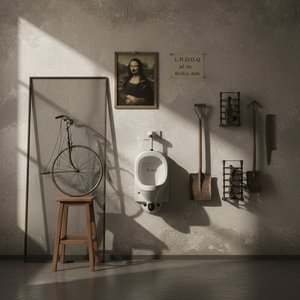
The horrors of World War I galvanized Duchamp’s rebellious spirit, leading him to embrace Dadaism—a movement born out of utter despair and vehement rejection of logic, reason, and the prevailing artistic values of the time. Dadaists sought to dismantle accepted norms through absurdity, chance, and provocation, rejecting any attempt at rational explanation or aesthetic judgment. Within this anarchic framework, Duchamp unleashed his most radical innovation: the ‘readymade’. This concept—taking an ordinary manufactured object and declaring it art—challenged the very definition of artistic skill and authorship. His seminal work, *Fountain* (1917), a porcelain urinal signed “R. Mutt,” epitomized Dada’s irreverence for convention and ignited a furious debate about the role of the artist in society.The Readymades and Conceptual Art: A Paradigm Shift
Duchamp's embrace of the readymade irrevocably altered the trajectory of art history, establishing him as a progenitor of Conceptual Art—an artistic movement that prioritizes idea over material execution. Objects like *L.H.O.O.Q.* (1919), a postcard reproduction of the Mona Lisa defaced with a mustache and goatee, served as biting critiques of cultural icons and artistic traditions. These works weren’t judged on their visual beauty; they demanded contemplation and provoked viewers to confront uncomfortable questions about art's role in shaping our perceptions of reality. Duchamp’s unwavering conviction that art should reside in the mind—not merely in the eye—continues to resonate powerfully within contemporary artistic discourse. His legacy extends far beyond his individual creations, influencing countless artists who followed him and reshaping our understanding of what constitutes artistic expression.Later Years: Surrealism and Continued Innovation
Duchamp’s artistic explorations continued throughout his life, encompassing film, sculpture, and collaborative projects with fellow artists like Man Ray. He participated in Surrealist exhibitions organized by André Breton, demonstrating an enduring fascination with the subconscious mind and its capacity to generate unexpected imagery. His monumental *Etant donnés* (1965–6), a reconstructed version of *The Large Glass*, represents his final artistic endeavor—a complex symbolic work that embodies his lifelong preoccupation with challenging conventions and provoking intellectual engagement. Marcel Duchamp died in Neuilly-sur-Seine on October 2, 1968, leaving behind an unparalleled body of work that cemented his place as one of the most influential figures in modern art history.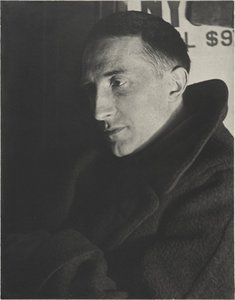
Marcel Duchamp
1887 - 1968 , Franciaország
Rövid információk
- Artistic Movement Or Style:
- Kubizmus
- Dadaizmus
- Szürrealizmus
- Artists Or Movements Influenced By This Artist: ['Minimalizmus']
- Date Of Birth: 28 július 1887
- Date Of Death: 2 október 1968
- Full Name: Marcel Duchamp
- Nationality: Francia-amerikai
- Notable Artworks:
- Fúvóka
- L.H.O.O.Q.
- A Nagy Üveg
- Place Of Birth: Blainville, Franciaország
Kapcsolódó cikkek
A sötét szépség: 10 híres festmény a 'Mars Black' árnyalataiban | OriginalUniqueArt
Fedezze fel a 10 leghíresebb festményt, melyeket a 'Mars Black' mély árnyalatai dominálnak! Rembrandt, Goya és Picasso remekművei – történetük, technikájuk és időtlenségük. Múzeumi minőségű művészeti reprodukciók otthonába. Fedezze fel a teljes gyűjteményt a OriginalUniqueArt.com-on!

A Fekete Szín Mesterei: 10 Híres Festmény, Amelyek Elvarázsolnak – OriginalUniqueArt.com
Fedezze fel a 10 leghíresebb, fekete tónusú festményt! Rembrandt, Goya és Manet remekművei elvarázsolják. Művészettörténet, inspiráció otthonába – OriginalUniqueArt.com kínálatából. Fedezze fel a teljes gyűjteményt online!
Reflecting the Self: A History of Portraiture & Psychological Insight
Explore the fascinating history of self-portraiture from Renaissance masters like Dürer & Rembrandt to modern interpretations. Discover the psychological insights and artistic techniques behind these iconic works. Expert analysis for art enthusiasts.
Dada: A Revolution of Anti-Art & the Rejection of Reason in Early 20th Century Aesthetics
Explore the revolutionary Dada art movement! Discover its origins, key artists like Duchamp & Arp, and lasting impact on modern art. A deep dive into anti-art & challenging conventions.
Marcel Duchamp: Challenging Conventions & Redefining Art in the 20th Century
Explore the revolutionary art of Marcel Duchamp! Discover how his Dadaist readymades challenged artistic conventions & redefined modern art. A deep dive into 'Fountain', conceptual shifts, and his lasting impact.


