

 Küldés
 Megosztás
 Részletek

 Letöltés
 Hasonló darabok
 Diavetítés
Fúvóka (Duchamp)
 Kerámia
- Szobrászat
- Dadaism and Conceptual Art
 1917
1917- Modern kor
 24.0 x 18.0 cm
 Tate Modern
 Összes részlet megjelenítése
Kézzel készített olajfestmény reprodukció
Kézzel festett olajvastú vászon, az Ön által választott méretben és keretben, művészeink készítik meglévőre. ( Nyomat rendelése Kép letöltése)




































Válasszon előre meghatározott méreteink közül, amelyek megfelelnek a műalkotás eredeti arányainak.

Ön megadhat saját méreteket egy adott kerethez vagy térhez igazításhoz. Ha a kiválasztott méret nem egyezik az eredeti kép arányával, akkor a műalkotást levágjuk, vagy további kézzel festett elemekkel meghosszabbítjuk a festményt. A gyártás megkezdése előtt küldünk Önnek egy digitális előnézetet jóváhagyásra.
Kérjük, vegye figyelembe, hogy a képernyőn megjelenő előnézet nem tükrözi a tényleges vágást vagy kiterjesztést. Csak az előnézet fog pontosan mutatni a végső kompozíciót.
Bár egyedi méretek állnak rendelkezésre, javasoljuk, hogy válasszon egy méretet az előre meghatározott listából az eredeti arányok megőrzése érdekében.
A rendelést követően a OriginalUniqueArt.com csapata e-mailt küld az ügyfélnek az instrukciókért, és biztosít egy előnézeti képet (mockup).
Világszerte elérhető szállítás () 3-4 hét alatt a szokásos 5 hét helyett. (21 augusztus). A minőség nem kérdőjelezhető.

Ingyenes globális expressz szállítás

Prémium minőségű len vászon

Teljes körű szállítási biztosítás

Vámvisszatérítési Garancia

Hiteles színpontosság garancia

60 napos visszaküldési lehetőség (csak hibás termékek esetén)

100% pénzvisszatérítési garancia

Több darab vásárlása esetén kedvezmény
 Az üvegkeretes opció csak 110 cm alatti méretben érhető el

Fúvóka (Duchamp)
Reprodukciós technika
Reprodukció mérete
-


Összesített ár
$ 300
A műalkotás leírása
A Forradalmi Gestus: A Fountain
Marcel Duchamp műve nem csupán egy objektum, hanem egy földrengésként ható esemény a művészettörténelemben. 1917-ben létrehozva ez a látszólag egyszerű kerámia mosogató – vagyis egy *readymade*, ami egyetlen darab – örökre megváltoztatta a művészi alkotás fogalmát és azt, hogy mit tekintünk művetté. A “Fountain”-nal való találkozás egy kihívást jelent: egy szándékos provokáció, amely lebontja évszázadok hagyományait és arra kényszerít bennünket, hogy megkérdőjelezzük a művészi érték építőköveit. A munka ma elsősorban fotó dokumentációkon maradt fenn, és engedélyes másolatokban, például a Tate Modern-ben, örökítve meg örökségét mint egy kulcsdarab a koncepciós művészetben.
A Dadaizmus és a Konvenciók Elleni Századvégi
A “Fountain”-nak a dübbel mozgalom gyökereihez vezetnek, amely a I. világháború következményei által motivált, a logika és az érvelés helyett a kaotikus és irracionális irányba tolta a művészetet. Duchamp, aki már a kubizmussal és a hagyományos formák fragmentálásával is kísérletezett, megtalálta egy szótvertező hangot ebben a konvenciók elutasításában. A masszály készített objektum – egy mosogató – kiválasztásával és bemutatásával nem volt célja a műszaki képesség vagy az esztétikai szépség megmutatása. Inkább egy állítást tett le, amelyben a művész szerepét átalakította: a alkotó helyett a kiválasztó, a kézműves helyett a koncepciószerkezetet. Az egyszerű tárgy kiválasztása és új kontextusba helyezése felmagasztalta azt a használati céljának fölött, ami arra késztette a nézőket, hogy megkérdőjelezzék előre elképzelt elképzeléseiket.
A Szánalmas Bemutatás és Tartós Hatás
Duchamp beadványt nyújtott be a Society of Independent Artists első kiállítására New Yorkban, aláírva a álnevet “R. Mutt”. A társaság ígért minden fizetős tagtól elfogadni a benyújtott műveket, de a لجنة elutasította a mosogatót, ami azonnal felkeltett vitát. Az elutasítás nem perustult művészi értékre, hanem az objektum feltételezett immoralitására és a művészet definíciójának megkérdőjelezésére. A viták, amelyek a *The Blind Man* című folyóiratban terjedtek, megerősítették a “Fountain”-t mint egy kulcsdarabot a modern művészettörténelemben. Ez egy szándékos ikonoklastikus cselekedet volt, amelynek célja az elismert művészi értékek hierarchiájának lerombolása volt. A "Fountain" fotója, Alfred Stieglitz készítette, olyan fontos szerepet játszik, mint maga az objektum, dokumentálva és megőrizve örökségét mint egy innovatív gondolatforrás. Ez egy beszélgetési kiáltvány, egy merészkedő darab, amely a gondolkodás újragondozását testesíti meg.
A Koncepciós Innováció Öröksége
A “Fountain”-nak tartós ereje a koncepciói bölcsességében rejlik. Útmutató jelét mutatott a későbbi mozgásoknak, mint például a Pop Art és a Minimalizmusnak, befolyásolva több generáció művészeket ahhoz, hogy az esztétika helyett az ötleteket hangsúlyozzák. Duchamp readymade-jai nem voltak arra tervezve, hogy valami *új*at hozzanak létre, hanem inkább meglévő dolgokat új kontextusba helyeztek, ami arra késztette a nézőket, hogy megfontolják a megszokott dolgokat. A művész kiválasztása és új pozícióba helyezése felmagasztalta azt a céljának fölött, amit valójában képviselt. Ma egy képregény másolatának birtoklása nem csupán egy kép megkívánásából áll, hanem Duchamp örökségének elfogadásából – egy művészi lázadás és szellemi kutatás erejének bizonyítékát.
A Művészeti Darab Információi
- Cím: Fountain
- Leírás:
The Radical Gesture of “Fountain”
Marcel Duchamp’s “Fountain,” more than just an object, is a seismic event in the history of art. Created in 1917, this seemingly simple porcelain urinal – or rather, a *readymade* consisting of one – irrevocably altered our understanding of artistic creation and what constitutes art itself. To encounter “Fountain” is to confront a challenge: a deliberate provocation that dismantles centuries of tradition and forces us to question the very foundations upon which aesthetic value is built. The work exists today primarily through photographic documentation, and in authorized replicas like the one held at Tate Modern, preserving its legacy as a cornerstone of conceptual art.
Dadaism and the Rejection of Convention
The genesis of “Fountain” lies within the burgeoning Dada movement, born from disillusionment with the horrors of World War I. Dada was an anti-art movement, rejecting reason and logic in favor of chaos and irrationality. Duchamp, already experimenting with Cubism and fracturing traditional forms, found a kindred spirit in this rejection of established norms. By selecting a mass-produced object – a urinal – and presenting it as art, he wasn’t aiming to display technical skill or aesthetic beauty. Instead, he was making a statement about the artist's role: shifting from creator to selector, from craftsman to conceptualizer. The act of choosing an everyday item – a urinal – and repositioning it within the context of an art exhibition elevated it beyond its utilitarian purpose, prompting viewers to reconsider their preconceived notions.
The Scandalous Submission and Lasting Impact
Duchamp submitted “Fountain,” signed with the pseudonym “R. Mutt,” to the inaugural exhibition of the Society of Independent Artists in New York. The society promised to accept all submissions from paying members, yet “Fountain” was rejected by a committee, sparking immediate controversy. This rejection wasn't based on artistic merit but rather on the object’s perceived indecency and its challenge to the very definition of art. The ensuing debate, fueled by publications like *The Blind Man*, cemented “Fountain’s” place in art history. It was a deliberate act of iconoclasm, designed to dismantle the established hierarchy of artistic values. The photograph of 'Fountain', taken by Alfred Stieglitz, became as important as the object itself, circulating widely and solidifying its status as a revolutionary work.
A Legacy of Conceptual Innovation
The enduring power of “Fountain” resides in its conceptual brilliance. It paved the way for subsequent movements like Pop Art and Minimalism, influencing generations of artists to explore ideas over aesthetics. Duchamp’s readymades weren’t about creating something *new* but rather about recontextualizing what already existed, forcing viewers to reconsider their preconceived notions. Today, owning a hand-painted reproduction of “Fountain” isn’t simply acquiring an image; it’s embracing a legacy of artistic rebellion and intellectual inquiry – a testament to the power of ideas to transform our perception of the world around us. It is a conversation starter, a bold statement piece that embodies the spirit of innovation and challenges conventional thinking.
Photo Description: --Overall Impression-- The image depicts a white ceramic fountain bowl, likely a Marcel Duchamp ‘Fountain’ variation. It is presented as a still life photograph against a dark, neutral background. The composition is centered on the bowl, which dominates the frame with its triangular form. The lighting appears to be studio-based, creating subtle highlights and shadows that emphasize the contours of the ceramic surface. Lines are predominantly geometric – sharp edges defining the bowl’s shape and the spout, and the small holes at the top. Shapes are primarily three-dimensional: the bowl itself, the spout, and the small holes at
A művész életrajza
Marcel Duchamp (1887–1968): A Revolutionary Spirit
Marcel Duchamp, born Henri-Robert-Marcel Duchamp in 1887 in Blainville-Crevon, Normandy, was more than an artist; he was a philosophical provocateur who fundamentally altered the course of modern art. His early life, though seemingly conventional – nurtured within a family that appreciated artistic expression with both brothers pursuing successful careers as artists – hinted at the iconoclasm to come. Duchamp initially pursued formal training, mastering traditional techniques and experimenting with post-impressionist styles. However, this academic foundation served not as an end in itself, but as a springboard for questioning the very nature of art, its purpose, and its definition. He wasn’t content merely to depict the world; he sought to challenge how we perceive it, and what constitutes artistic value. This restless intellectual curiosity would become the defining characteristic of his prolific career.Early Life and Artistic Beginnings
Duchamp's formative years were marked by a familial tradition of artistic inclination. His father, Eugène Duchamp, was a notary, yet four of the six Duchamp children embraced art as their vocation. Jacques Villon, Marcel’s elder brother, established himself as a painter, demonstrating an early aptitude for visual expression. Raymond Duchamp-Villon followed suit, pursuing sculpture with considerable success. Marcel himself began experimenting with painting at a young age, producing *Portrait of Marcel Lefrançois* (1904), which showcased his nascent stylistic sensibilities and technical prowess. His studies at the École des Beaux-Arts in Paris yielded mixed results—he famously failed to pass the final exam—but this setback fueled his determination to forge his own artistic path, independent from established conventions.Cubism: A Dialogue with Tradition
Duchamp’s initial engagement with Cubism, evident in works like *Portrait of Chess Players* (1911), represented a crucial step beyond purely decorative pursuits. He absorbed the influence of Picasso and Braque, adopting their innovative techniques for dissecting visual reality into fragmented planes and multiple perspectives—a deliberate departure from traditional representation. However, Duchamp didn’t simply replicate Cubist aesthetics; he interrogated its underlying principles, questioning whether it truly captured the essence of experience. The pervasive disillusionment stemming from World War I profoundly impacted his artistic vision, propelling him toward Dadaism as a reaction against perceived intellectual and moral failings.Dadaism: Rebellion Against Reason
The horrors of World War I galvanized Duchamp’s rebellious spirit, leading him to embrace Dadaism—a movement born out of utter despair and vehement rejection of logic, reason, and the prevailing artistic values of the time. Dadaists sought to dismantle accepted norms through absurdity, chance, and provocation, rejecting any attempt at rational explanation or aesthetic judgment. Within this anarchic framework, Duchamp unleashed his most radical innovation: the ‘readymade’. This concept—taking an ordinary manufactured object and declaring it art—challenged the very definition of artistic skill and authorship. His seminal work, *Fountain* (1917), a porcelain urinal signed “R. Mutt,” epitomized Dada’s irreverence for convention and ignited a furious debate about the role of the artist in society.The Readymades and Conceptual Art: A Paradigm Shift
Duchamp's embrace of the readymade irrevocably altered the trajectory of art history, establishing him as a progenitor of Conceptual Art—an artistic movement that prioritizes idea over material execution. Objects like *L.H.O.O.Q.* (1919), a postcard reproduction of the Mona Lisa defaced with a mustache and goatee, served as biting critiques of cultural icons and artistic traditions. These works weren’t judged on their visual beauty; they demanded contemplation and provoked viewers to confront uncomfortable questions about art's role in shaping our perceptions of reality. Duchamp’s unwavering conviction that art should reside in the mind—not merely in the eye—continues to resonate powerfully within contemporary artistic discourse. His legacy extends far beyond his individual creations, influencing countless artists who followed him and reshaping our understanding of what constitutes artistic expression.Later Years: Surrealism and Continued Innovation
Duchamp’s artistic explorations continued throughout his life, encompassing film, sculpture, and collaborative projects with fellow artists like Man Ray. He participated in Surrealist exhibitions organized by André Breton, demonstrating an enduring fascination with the subconscious mind and its capacity to generate unexpected imagery. His monumental *Etant donnés* (1965–6), a reconstructed version of *The Large Glass*, represents his final artistic endeavor—a complex symbolic work that embodies his lifelong preoccupation with challenging conventions and provoking intellectual engagement. Marcel Duchamp died in Neuilly-sur-Seine on October 2, 1968, leaving behind an unparalleled body of work that cemented his place as one of the most influential figures in modern art history.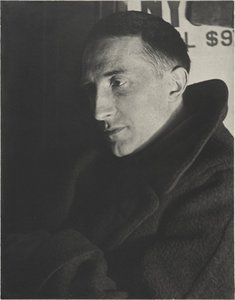
Marcel Duchamp
1887 - 1968 , Franciaország
A művészről röviden
- Artistic Movement Or Style:
- Kubizmus
- Dadaizmus
- Szürrealizmus
- Artists Or Movements Influenced By This Artist: ['Minimalizmus']
- Date Of Birth: 28 július 1887
- Date Of Death: 2 október 1968
- Full Name: Marcel Duchamp
- Nationality: Francia-amerikai
- Notable Artworks:
- Fúvóka
- L.H.O.O.Q.
- A Nagy Üveg
- Place Of Birth: Blainville, Franciaország
Kapcsolódó cikkek
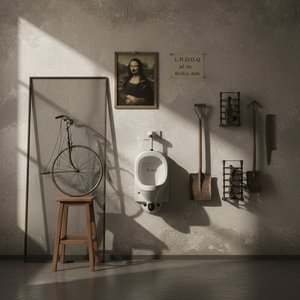
Marcel Duchamp: Challenging Conventions & Redefining Art in the 20th Century
Explore the revolutionary art of Marcel Duchamp! Discover how his Dadaist readymades challenged artistic conventions & redefined modern art. A deep dive into 'Fountain', conceptual shifts, and his lasting impact.

A művészettörténet 10 legikonikusabb bronzszobra – OriginalUniqueArt.com
Fedezze fel a művészettörténet 10 legikonikusabb bronzszobrát! Ismerje meg Rodint, Michelangelót és más mestereket. Luxus minőségű nyomatok otthonába – OriginalUniqueArt.com.

Dadaism Explained: The Anti-Art Movement That Redefined Modernity
Explore the radical origins of Dadaism. From the chaos of WWI to Marcel Duchamp's revolutionary readymades, discover how this anti-art movement dismantled tradition and birthed modern conceptual art. An essential guide for students and collectors of fine art history.

The Enduring Form: Exploring Themes & Techniques in Sculpture Across Historical Periods
Explore the rich history of sculpture from ancient masterpieces to contemporary innovations. Discover key techniques, influential artists & investment potential for discerning art collectors.
The Enduring Form: Sculpture Across History, Technique & Emotional Resonance
Explore the rich history of sculpture with OriginalUniqueArt. Discover key techniques, influential artists & investment potential for discerning collectors. Expert insights into valuing and collecting timeless masterpieces.



