
 Megtekintés
 Küldés
 Megosztás
 Részletek
 Útmutató

 Letöltés
 Hasonló darabok
 X-ray felvétel
 Diavetítés
 Q&A
Q&A Statisztika
Madame Henriette

- 246.0 x 185.0 cm


 Összes részlet megjelenítése
Giclée / Műnyomat
Múzeumi minőségű giclée vagy vászonnyomat, gyors gyártással és rugalmas finomítási lehetőségekkel. ( Kézzel festett másolat rendelése Áttérés digitális képre)




P118B Ft10

P118H Ft10

P118W Ft10

P438Z Ft10

P508JH Ft12

P508YH Ft12

P805H Ft10

P805Z Ft10

P919BZ Ft10

P919G Ft10

P919XJ Ft10

P959ZH Ft10

P968JZ Ft12

W106C Ft8

W218G Ft10

W218JH Ft8

W218Y Ft10

W307PJ Ft10

W316G Ft10

W316PJ Ft8

W316Y Ft10

W398PJ Ft8

W4111J Ft10

W500HY Ft15

W500JH Ft15

W692G Ft12

W849H Ft8

W940BG Ft15

W953PJ Ft8




Válasszon előre meghatározott méreteink közül, amelyek megfelelnek a műalkotás eredeti arányainak.

Írja be a keretének vagy a falának megfelelő szélességet és magasságot. A nyomatot csak le lehet vágni, soha nem tehető nagyobbá, mint az eredeti kép, így egy eltérő alakú méretnél a kép egy része elveszik. Mielőtt bármit kinyatintanánk, küldünk egy digitális próbamodellt jóváhagyásra. Az oldalon látható kép nem tartalmazza a valós levágást — ezt csak a próbamodell mutatja meg.
Világszerte történő kiszállítás területére mindössze 2 hét alatt, a szokásos 4-5 hét helyett. (2 november)

Ingyenes globális expressz szállítás

Prémium minőségű len vászon

Teljes körű szállítási biztosítás

Vámvisszatérítési Garancia

Hiteles színarányosság garancia

100 napos visszaküldési lehetőség (csak hibás termékek esetén)

100% pénzvisszatérítési garancia

Több darab vásárlásakor kedvezmény
 Az üvegkeretes opció csak 110 cm alatti méretben érhető el

Madame Henriette
Giclée / Műnyomat
Reprodukció mérete
-


Összesített ár
Ft 26201
A Brushstroke of Rococo Grandeur – Exploring Jean-Marc Nattier’s Madame Henriette
Jean-Marc Nattier’s *Madame Henriette*, completed in 1754, stands as a quintessential exemplar of the Rococo style—a movement that prioritized ornamentation, pastel hues, and an idealized depiction of aristocratic life. More than just a likeness of Princess Henriette Adelaide of Savoy, it embodies the spirit of its era, reflecting the opulent tastes and refined sensibilities of Louis XV’s court.
- Subject Matter: The portrait captures Madame Henriette seated gracefully in a chair, her gaze directed towards the viewer with an understated composure. Her posture exudes confidence and refinement, mirroring the social standing she represented.
- Composition & Style: Nattier employed the Rigaud style—a technique characterized by expansive drapery and architectural framing—creating a theatrical backdrop that elevates the figure’s importance. The artist skillfully utilized chiaroscuro, subtly modulating light and shadow to sculpt Madame Henriette's form and imbue the scene with depth.
Technical Mastery: Color Palette & Texture
Nattier’s masterful use of color is immediately striking. Dominating the canvas are shades of crimson—a bold choice that underscores Madame Henriette’s wealth and status. Delicate pastel tones adorn her gown and collar, contributing to an overall atmosphere of ethereal beauty. The artist meticulously rendered fabrics with painstaking detail, capturing the shimmer of silk and lace through delicate brushstrokes. This textural richness enhances the visual impact of the portrait.
Historical Context: Patronage & Artistic Conventions
Commissioned by Louis XV himself, *Madame Henriette* exemplifies the pervasive influence of aristocratic patronage on artistic production during the Rococo period. Nattier’s work adhered to established conventions—the depiction of noblewomen engaged in activities deemed appropriate for their social position—emphasizing grace, modesty, and idealized femininity. The cello or bass violin held by Madame Henriette serves as a symbol of musical culture and aristocratic refinement.
Symbolism & Emotional Resonance
Beyond its formal elements, *Madame Henriette* communicates profound emotional resonance. The princess’s serene expression conveys inner tranquility and dignity—a reflection of the idealized virtues prized by Rococo artists. The careful positioning of Madame Henriette within the architectural setting reinforces her elevated status and underscores the grandeur of the royal court. Ultimately, Nattier's portrait transcends mere representation, capturing a moment of aristocratic elegance that continues to captivate viewers centuries later.
A Legacy of Elegance: Reproduction Considerations
Reproductions of *Madame Henriette* offer an opportunity to experience the beauty and sophistication of Rococo art firsthand. OriginalUniqueArt’s hand-painted reproductions meticulously recreate Nattier's original technique, ensuring that collectors can appreciate the nuances of color, texture, and composition—a testament to the enduring legacy of this iconic masterpiece.
Kérdések és válaszok
Mikor készült a "Madame Henriette", és mely művészeti irányba tartozik?
A "Madame Henriette" 1754-ben készült, a Rococo Portraiture irányzat egyik alkotásaként. A dátum és az irányzat rögzíti a művet a művészettörténetben.
Honnan érkeznek a „Madame Henriette”, Marc Nattier alkotása látogatói?
A „Madame Henriette”, Marc Nattier alkotása Statisztikák oldala a nyilvános látogatási statisztikákat mutatja be: az alkotás havi látogatottságát, összehasonlításban a művész legnézettebb alkotásaival, valamint a látogatók származási helyét.
Milyen technikával készült és mikor született meg „Madame Henriette”, Marc Nattier alkotása?
A "Madame Henriette" alkotása 1754-ben készült, Oil On Canvas technikával.
A művész életrajza
A Brushstroke of Elegance: The Life and Art of Jean-Marc Nattier
Jean-Marc Nattier, a name synonymous with the refined elegance of 18th-century French court life, was more than just a portrait painter; he was a master of illusion, an architect of dreams. Born in Paris on March 17, 1685, into a family steeped in artistic tradition – his father, Marc Nattier, a respected portraitist, and his mother, Marie Courtois, a celebrated miniaturist – Nattier inherited not only technical skill but also a deep appreciation for beauty and the art of capturing it. His early training was rigorous, beginning with direct instruction from his father and further honed by diligent study of masterpieces within the Luxembourg Gallery, a practice that instilled in him an understanding of composition and likeness that would become hallmarks of his distinctive style. Despite being offered the coveted opportunity to pursue his artistic education at the prestigious French Academy in Rome – a path typically followed by aspiring artists – Nattier chose to remain in Paris, believing he could cultivate his unique vision independently, a decision that ultimately proved pivotal to his artistic development.The Painter of Aristocratic Dreams
Nattier’s rise to prominence was swift and remarkable. He quickly established himself as the preferred portraitist for the ladies of Versailles, transforming their beauty and status into captivating works of art. However, Nattier didn't simply paint portraits; he crafted elaborate illusions, skillfully weaving his sitters into scenes from classical mythology and allegorical narratives. This innovative approach – a revival of the ancient tradition of allegorical portraiture – was what truly set him apart. Instead of merely depicting a woman’s likeness, Nattier would transform her into a goddess, a nymph, or a mythological figure, adorned in flowing classical drapery and placed within evocative landscapes that transported viewers to realms of beauty and grace. Consider *Madame Le Fèvre de Caumartin as Hebe*, for example – the delicate rendering of the sitter’s features combined with the ethereal quality of her depiction as the cupbearer to the gods creates a mesmerizing effect, showcasing Nattier's mastery of light, color, and composition. Similarly, *Comtesse de Tillières and Mademoiselle de Clermont en Sultane* presents a striking image of power and sophistication, blending realism with elements of exoticism. These weren’t mere exercises in costume; they were carefully constructed representations designed to imbue the subject with an aura of timeless beauty, grace, and aristocratic refinement. His ability to seamlessly blend historical accuracy with imaginative embellishment made his portraits not just aesthetically pleasing but also deeply symbolic, reflecting the values and aspirations of the French court.Influences and Artistic Development
Nattier’s artistic journey was shaped by a complex interplay of influences. The foundation for his technical skills was laid by his father, Marc Nattier, who instilled in him a love for portraiture and an understanding of fundamental painting techniques. His mother, Marie Courtois, a miniaturist renowned for her exquisite detail and delicate brushwork, further refined his eye for precision and subtlety. However, the most significant influence on Nattier’s artistic development was undoubtedly Peter Paul Rubens, the master Flemish painter whose dynamic compositions, rich colors, and sensual depictions of the human form captivated Nattier's imagination. Studying Rubens’ works at the Luxembourg Palace profoundly impacted Nattier’s style, inspiring him to incorporate elements of Baroque dynamism into his own Rococo aesthetic. He absorbed Rubens’ energy and exuberance, adapting them to his own refined sensibility and creating a unique artistic voice that distinguished him from his contemporaries. This synthesis of influences – the technical precision of his father, the delicate artistry of his mother, and the dramatic flair of Rubens – resulted in a style characterized by its elegance, grace, and captivating beauty.Major Achievements and Historical Significance
Jean-Marc Nattier’s impact on French art and culture during the reign of Louis XV is undeniable. He became the official portrait painter to the king's four daughters, capturing their youthful beauty and embodying the ideals of aristocratic femininity. His portraits were not merely decorative; they served as powerful symbols of status, wealth, and refinement, reflecting the values and aspirations of the French court. Beyond his artistic achievements, Nattier played a crucial role in shaping the image of the aristocracy during a period of significant social and political change. His paintings offer invaluable insights into the fashion, customs, and social dynamics of 18th-century France, providing a visual record of an era defined by elegance, sophistication, and a fervent pursuit of beauty. The revival of allegorical portraiture under Nattier’s hand was a particularly significant artistic development, demonstrating his ability to breathe new life into established genres while simultaneously upholding the traditions of French courtly art. His works are now treasured possessions of prestigious museums across Europe, including the Louvre, The Wallace Collection, and the Alte Pinakothek Museum in Munich, testament to his enduring legacy as one of France’s most celebrated portraitists.Exploring Nattier's World Further
- Notable Works: The Artist Surrounded by His Family (1730), Marie Lečinska (Dijon Museum), Magdalen (Louvre), Comtesse de Tillières and Mademoiselle de Clermont en Sultane (The Wallace Collection), Madame Le Fèvre de Caumartin as Hebe (National Gallery of Art), The Lovers (Alte Pinakothek Museum, Munich).
- Key Characteristics: Rococo style, allegorical portraits, mythological attire, masterful use of light and shadow, attention to detail.
- Further Research: Explore resources like Wikipedia (https://en.wikipedia.org/wiki/Jean-Marc_Nattier) and Britannica (https://www.britannica.com/biography/Jean-Marc_Nattier) for more in-depth information.

Marc Nattier
1685 - 1766 , Franciaország
Rövid információk
- Artistic Movement Or Style: Rococo
- Artists Or Movements Influenced By This Artist: ['Késő Rococo']
- Artists Who Influenced This Artist:
- Marc Nattier
- Jouvenet
- Rubens
- Date Of Birth: 1685. március 17.
- Date Of Death: 1766. november 7.
- Full Name: Jean-Marc Nattier
- Nationality: Francia
- Notable Artworks:
- Arckép családjával
- Marie Lečinska
- Magdalen
- Comtesse de Tillières
- Madame Le Fèvre Hebe
- Place Of Birth: Párizs, Franciaország
Kapcsolódó cikkek

The Rococo Aesthetic: Opulence, Rebellion & the Pursuit of Pleasure in 18th-Century Art
Explore the opulent world of Rococo art! Discover its origins, key artists like Watteau & Boucher, and lasting influence on design. Expert insights for collectors & enthusiasts.

A Rokoko Mesterek: 10 alkotás, mely meghatározta a művészetet | OriginalUniqueArt.com
Fedezze fel a Rokoko művészet 10 legikonikusabb remekművét! Ismerje meg Watteau, Boucher és Fragonard festményeinek történetét. Elegáns dekorációk inspirációja – OriginalUniqueArt.com kínálatában megtalálható minden művészi nyomat. Explore the full collection online!

Giclée Prints: Archival Quality & Aesthetic Nuances for the Discerning Collector
Explore the world of giclée prints with OriginalUniqueArt. Learn about archival quality, aesthetic nuances & investment potential. Expert guidance for discerning art collectors seeking museum-quality reproductions and lasting value.
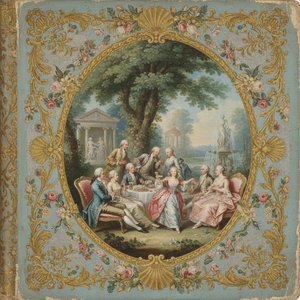
The Rococo Style: Aristocratic Leisure & the Pursuit of Delight in 18th-Century Art
Explore the opulent world of Rococo art! Discover Watteau, Boucher & Nattier's masterpieces. Expert insights for collectors seeking museum-quality reproductions and custom portraits at OriginalUniqueArt.

Jean-Marc Nattier: Rococo Portraiture & Aristocratic Patronage
Explore the exquisite Rococo portraits of Jean-Marc Nattier, favored by French aristocracy. Discover his artistic techniques, patronage network, and lasting legacy – a guide for discerning collectors.

