

 Előnézet
 Megosztás
 Megosztás
 Részletek
 Útmutató

 Letöltés
 Hasonló darabok
 X-ray felvétel
 Diavetítés
 Statisztika
A Nagy Színház
 Olajfestmény vászonon
- Falfeliratok és faldekoráció
- Surrealist Expressionism
 1968
1968- Modern kor
 169.0 x 160.0 cm
 Tovább olvasom
Az ezen az oldalon megjelenített műalkotások szerzői jogi védelem alatt állnak, ami azt jelenti, hogy törvényileg nem készíthetünk és nem adhatunk el belőlük pontos másolatokat. Ez a védelem olyan nemzetközi megállapodások alapján érvényesül, mint például a Berni Egyezmény és a nemzeti törvények által, beleértve azokat is, amelyeket meghatározott Az USA szerzői jogi törvénye – 17. cím.
Ez a módszer teljes mértékben megfelel a szerzői jogi szabályozásnak, mivel nem tartalmazza a védett műalkotás másolását vagy duplikálását. Ehelyett ez egy kreatív újinterpretáció – egy új festmény, amely az eredetivel való összefüggései miatt hatással van rá, de nem az az.
Giclée / Műnyomat
Múzeumi minőségű giclée vagy vászonnyomat, gyors gyártással és rugalmas finomítási lehetőségekkel. ( Kézzel festett másolat vásárlása Áttérés digitális képre)




P118B Ft10

P118H Ft10

P118W Ft10

P438Z Ft10

P508JH Ft12

P508YH Ft12

P805H Ft10

P805Z Ft10

P919BZ Ft10

P919G Ft10

P919XJ Ft10

P959ZH Ft10

P968JZ Ft12

W106C Ft8

W218G Ft10

W218JH Ft8

W218Y Ft10

W307PJ Ft10

W316G Ft10

W316PJ Ft8

W316Y Ft10

W398PJ Ft8

W4111J Ft10

W500HY Ft15

W500JH Ft15

W692G Ft12

W849H Ft8

W940BG Ft15

W953PJ Ft8




Válasszon előre meghatározott méreteink közül, amelyek megfelelnek a műalkotás eredeti arányainak.

Írja be a keretének vagy a falának megfelelő szélességet és magasságot. A nyomatot csak le lehet vágni, soha nem tehető nagyobbá, mint az eredeti kép, így egy eltérő alakú méretnél a kép egy része elveszik. Mielőtt bármit kinyatintanánk, küldünk egy digitális próbamodellt jóváhagyásra. Az oldalon látható kép nem tartalmazza a valós levágást — ezt csak a próbamodell mutatja meg.
Világszerte történő kiszállítás területére mindössze 2 hét alatt, a szokásos 4-5 hét helyett. (23 október)

Ingyenes globális expressz szállítás

Prémium minőségű len vászon

Teljes körű szállítási biztosítás

Vámvisszatérítési Garancia

Tökéletes színarányosság garancia

100 napos visszaküldési garancia (csak gyártási hibás termékek esetén)

100% pénzvisszatérítési garancia

Több darab vásárlásakor kedvezmény
 Az üvegkeretes opció csak 110 cm alatti méretben érhető el

A Nagy Színház
Giclée / Műnyomat
Reprodukció méretei
-


Összesített ár
Ft 25565
A Nagy Színház – Marc Chagall Építőelmi Kalandja
Marc Chagall *Nagy Színház* című alkotása 1968-ban született és több mint egy évszázadnyi művészi hagyományt tükrözi. Ez a hatalmas olajképet festő nagy előadásnak tűnik túl, hanem egy izgalmas emlékjelenetnek és az artista mély személyes ikonográfiának színes összefoglalása. Ez a lenyűgöző vászonfestmény nem csak egy színpadra helyezett jelenetet ábrázol, hanem egy olyan világot idéz meg, ahol a valóság elfordul az elképzelés szellemével – ezzel pedig Chagall helyét kötelezővé teszi a modern művészet egyik igaz nagy mestereévé. Szolgáltatás és Szerkesztés: Egy Szellem színpada A festmény hatalmas energiával töltött fel. Központjában egy női figura áll, aki gyakran jelképezi meg az artista szeretett feleségét, Bellát, körülötte pedig szökőkönnyel táncoló akrobatikusok, állatok (elsősorban egy büszke elefánt) és közönség mozog. Szerkesztési megoldása nem követi hagyományos perspektívát; ehelyett az alakokat egymás mellé helyezi és összefűzi őket, ami dinamikus mozgást és örömös káosz érzést kelt. Madarak lakják meg a vászontáblát, mely szimbólumai szabadságot és lelki aspirációt jelentenek – ezek szállnak el a színpad világától és valami fölébb helyzetével. Több történet szól egymás mellett, ami részletes vizsgálatnak örülhet az alkotó művészi megközelítésének teljes megismerésére. Stílus és Technikája: Surrealizmus Érzelmekkel Megjátszva *Nagy Színház* Chagall egyedi stíluskombinációját mutatja be. Szerződésesen gyakran sorolják fel a surrealisták közé, mert ábrázolja az álomvilágot és az értelmetlen összeállításokat – ami odaveri régi művészi felfedezéseit. Technikája karakterisztikus színészként: nagy erővel használt színek alkalmazása és szabad, kifejezett festőtechnikával végzett munka. Az Impasto technikát alkalmazza – tehát vastag rétegű színt használ –, ami mélyíti meg a vászontáblán található felületet és érinthetetlen érzést kelt. Az eredmény nem egy pontos ábrázolás, hanem egy érzelmi kifejezés és csodálat érzékének kiváltása – ez pedig Chagall művészi világának igaz értelmét adja meg. Történelmi Kontextus és Hatások: Egy Élet Festményében Marc Chagall született Liovánában, egy zsidó családba, aki először egy helyi tábla festőként tanult meg, majd később számos nagy művészi alkotás létrehozására fordult. Vitebszk több volt mint egyszerű születési hely; ez az artista művészi univerzumának központja lett – melyet újra és újra megjelenít színpadon, szokatlan állatokkal és színekkel – ami meghatározóvá teszi az ő művészi hagyományát. A város egyedi kultúrája – országhatáros templomok és zsűri piacok – egy olyan művészi érzéket alakított ki Benne, melyet egész pályája során nem lehet könnyen kategorizálni. Együtt dolgozott több nagy művész társával és számos jelentős alkotás létrehozására fordult.Gyakran Ismételt Kérdések
A Marc Chagall alkotása, a "A Nagy Színház", a jogi szabadhasználatban (public domain) áll-e, és miért?
A "A Nagy Színház" szerzői jogi státusza - még szerzői jogにより védi - a művész 1985 évi halálából következik.
Hol találhatok egy útmutatót a(z) "A Nagy Színház" alkotáshoz?
A „A Nagy Színház”, Marc Chagall alkotása alkotáshoz elérhető egy Útmutató oldal: egy kinyomtatható információs lap a műről, amelyet diákok és tantervhez készült használatra terveztek.
Van-e rozšíngtott valóság (AR) előnézete a(z) "A Nagy Színház" alkotásnak?
A „A Nagy Színház”, Marc Chagall alkotása mű kedvező esetben megtekinthető a saját falán is a mű AR előnézet oldalán keresztül, az argementált valóság technológiájának alkalmazásával egy kompatibilis eszközön.
A művész életrajza
A Life Painted in Dreams: The World of Marc Chagall
Marc Chagall, born Moishe Shagal in 1887 in the small Belarussian town of Liozna near Vitebsk, wasn’t merely a painter; he was a poet of color, a weaver of dreams, and a chronicler of memory. His life, spanning nearly a century, mirrored the tumultuous currents of the 20th century, yet his art remained steadfastly rooted in a deeply personal vision—one infused with the folklore of his Hasidic Jewish upbringing and an unwavering belief in the power of imagination. Vitebsk itself was more than just a birthplace; it became the emotional core of his artistic universe, a recurring motif populated by flying figures, whimsical animals, and the vibrant hues of remembered landscapes. The town’s unique blend of cultures—Russian Orthodox churches alongside bustling Jewish marketplaces—forged an aesthetic sensibility that would defy easy categorization throughout his long career. Though he sought formal training first with a local sign painter and later in St. Petersburg under Léon Bakst, and then in Paris at the Académie de la Grande Chaumière, Chagall never fully embraced any single artistic movement. He absorbed elements of Cubism, Symbolism, and Fauvism, but always filtered them through his own intensely personal lens, creating a style that was uniquely, unmistakably Chagall.Early Years and Artistic Beginnings
Chagall’s formative years were marked by hardship and displacement. Born into a family of impoverished Jewish artisans, he experienced the trauma of pogroms—violent anti-Jewish riots—which instilled in him a lifelong preoccupation with themes of persecution and resilience. Despite these challenges, Chagall possessed an innate talent for drawing and painting from a young age. He initially studied at Vitebsk Art School, where he honed his skills under Léon Bakst, a prominent figure in the Ballets Russes avant-garde movement. This exposure to theatrical art profoundly influenced his visual language, fostering a fascination with dynamism and expressive gesture. However, Chagall’s artistic ambitions extended beyond the confines of academic training; he sought inspiration from folk traditions—particularly Jewish folklore—which would become central to his artistic vision. His early canvases already hinted at the distinctive style that would define his career: bold color palettes, flattened perspectives, and fantastical imagery—elements that defied conventional realism.The Symbolism of Vitebsk
Vitebsk remained an indelible presence in Chagall’s imagination throughout his life. The town served as a constant source of inspiration for his paintings, appearing repeatedly in works such as I and the Village (1911) and *Over Vitebsk* (1920-1922). These canvases aren't merely depictions of place; they are explorations of identity, memory, and the relationship between the individual and community. The village isn’t rendered realistically but as a fragmented collection of recollections, imbued with symbolic meaning. Houses tumble upside down, figures float in midair, and animals mingle seamlessly—creating an otherworldly atmosphere that captures the essence of Vitebsk's cultural landscape. Chagall’s use of color was particularly striking during this period. He employed vibrant hues—blues, yellows, reds—to convey emotion rather than literal representation, reflecting the spiritual fervor of his Jewish upbringing. This stylistic approach wasn’t accidental; it stemmed from a desire to move beyond mere imitation of reality and capture the essence of feeling, the weight of memory, and the power of folklore.The Influence of Cubism and Surrealism
While Chagall rejected strict adherence to any single artistic movement, he absorbed influences from Cubism and Surrealism—particularly from Pablo Picasso and André Breton. He experimented with fragmented perspectives and geometric forms, as seen in works like *The Chapel of Saint Helena* (1927), adapting cubist techniques to express his inner vision. Simultaneously, Chagall embraced the dreamlike logic of Surrealism, incorporating fantastical imagery and irrational juxtapositions into his canvases. This fusion of styles resulted in a distinctive visual language characterized by lyrical abstraction—a hallmark of his artistic oeuvre. He sought inspiration from biblical narratives and Jewish mysticism, translating these themes into emotionally charged paintings that explored profound questions about faith, suffering, and redemption.Major Achievements and Legacy
Throughout his prolific career, Chagall achieved international acclaim for his monumental canvases and innovative stained glass windows. His masterpiece, *White Crucifixion* (1937), stands as a poignant meditation on the horrors of Nazism and Jewish persecution—a testament to his artistic courage and moral conviction. He continued to produce works during World War II, reflecting the anxieties and uncertainties of the time. Following the war, Chagall emigrated to New York City, where he established himself as one of America’s leading artists. His paintings from this period explored themes of exile and displacement, capturing the spirit of a generation grappling with trauma and loss. He received numerous prestigious commissions, including the ceiling of the Paris Opera (1964), a breathtaking explosion of color and form that celebrated musical masterpieces. And his stunning stained glass windows for the Hadassah Hebrew University Medical Center synagogue in Jerusalem—a project undertaken in collaboration with Anatoly Yankilevich—transformed sacred space into an immersive experience of light and color. Marc Chagall’s legacy extends beyond his artistic creations; it resides in the enduring power of his vision—a vision that celebrates love, memory, and the boundless possibilities of the human imagination. He left behind a body of work that is both deeply personal and universally accessible, inviting viewers to lose themselves in a world painted with dreams and illuminated by hope. His art continues to inspire, challenge, and move us, ensuring that his vibrant and imaginative spirit will live on for generations to come.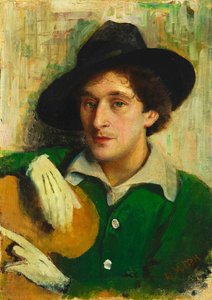
Marc Chagall
1887 - 1985 , Білорусь
Gyors információk
- Artistic Movement Or Style: Современный стиль
- Artists Or Movements Influenced By This Artist: ['Сюрреализм']
- Artists Who Influenced This Artist:
- Леон Бакст
- Дюманьи
- Date Of Birth: 6 július 1887
- Date Of Death: 28 március 1985
- Full Name: Marc Chagall
- Nationality: Білім беруші
- Notable Artworks:
- В городе Витебск
- Белая распятие
- Place Of Birth: Liozna, Беларусь
Kapcsolódó cikkek

Az olajfestészet örökös hagyatéka: technika, történelem és kortárs gyakorlat
Fedezze fel az olajfestészet történetét, technikáit és a kortárs művészeti trendeket! Szakértői útmutatók, híres festők alkotásai és tippek az olajfestmény ápolásához. Inspirálódjon most!

The Enduring Legacy of Oil on Canvas: Technique, History & Aesthetic Impact
Explore the rich history & techniques of oil painting – from Renaissance masters to Impressionism. Discover pigments, layering methods, and why this timeless medium endures. Expert insights for artists & art enthusiasts.
Megváltoztathatja NFT-jét: Múzeumminőségű kézzel festett olajművessé, 2–6 hét alatt – profitáljon saját árazásával!
Átalakítja NFT-det kézzel festett olajművessé – múzeumminőség, 2–6 hét, profitáljon saját árazásával. OriginalUniqueArt szakértői garantálják a minőséget, gyors szállítást és 100% elégedettségi garanciát.

The Enduring Power of Painting: A Historical & Contemporary Exploration of Form and Emotion
Explore the rich history & enduring techniques of oil painting with OriginalUniqueArt. Discover masterpieces, learn about art collecting, and find authentic handmade reproductions crafted by skilled artists.

Oil on Canvas: A Historical & Technical Exploration of a Timeless Artistic Medium
Explore the rich history & enduring techniques of oil painting on canvas. Discover the science behind its longevity, conservation practices, and contemporary relevance. Expert insights for art enthusiasts.


