

 Megosztás
 Megosztás
 Részletek
 Útmutató

 Letöltés
 Hasonló darabok
 Diavetítés
 Statisztika
Gertrude Stein


 Tovább olvasom
Az ezen az oldalon megjelenített műalkotások szerzői jogi védelem alatt állnak, ami azt jelenti, hogy törvényileg nem készíthetünk és nem adhatunk el belőlük pontos másolatokat. Ez a védelem olyan nemzetközi megállapodások alapján érvényesül, mint például a Berni Egyezmény és a nemzeti törvények által, beleértve azokat is, amelyeket meghatározott Az USA szerzői jogi törvénye – 17. cím.
Ez a módszer teljes mértékben megfelel a szerzői jogi szabályozásnak, mivel nem tartalmazza a védett műalkotás másolását vagy duplikálását. Ehelyett ez egy kreatív újinterpretáció – egy új festmény, amely az eredetivel való összefüggései miatt hatással van rá, de nem az az.
Giclée / Műnyomat
Múzeumi minőségű giclée vagy vászonnyomat, gyors gyártással és rugalmas finomítási lehetőségekkel. ( Kézzel festett másolat vásárlása Áttérés digitális képre)




































Válasszon előre meghatározott méreteink közül, amelyek megfelelnek a műalkotás eredeti arányainak.

Írja be a keretének vagy a falának megfelelő szélességet és magasságot. A nyomatot csak le lehet vágni, soha nem tehető nagyobbá, mint az eredeti kép, így egy eltérő alakú méretnél a kép egy része elveszik. Mielőtt bármit kinyatintanánk, küldünk egy digitális próbamodellt jóváhagyásra. Az oldalon látható kép nem tartalmazza a valós levágást — ezt csak a próbamodell mutatja meg.
Világszerte történő kiszállítás területére mindössze 2 hét alatt, a szokásos 4-5 hét helyett. (23 október)

Ingyenes globális expressz szállítás

Prémium minőségű len vászon

Teljes körű szállítási biztosítás

Vámvisszatérítési Garancia

Tökéletes színarányosság garancia

100 napos visszaküldési garancia (csak gyártási hibás termékek esetén)

100% pénzvisszatérítési garancia

Több darab vásárlásakor kedvezmény
 Az üvegkeretes opció csak 110 cm alatti méretben érhető el

Gertrude Stein
Giclée / Műnyomat
Reprodukció méretei
-


Összesített ár
Ft 25718
A Gaze Through Time: The Enigmatic Presence of Gertrude Stein
In the quiet, monochromatic depths of Man Ray’s portrait of Gertrude Stein, we encounter more than just a photographic likeness; we enter a profound dialogue between light and shadow. The image captures the legendary American writer, a titan of modernist literature, seated with a resolute and unyielding presence. Her gaze, directed firmly toward the lens, establishes an immediate, almost haunting connection with the viewer, inviting us to contemplate the complexities of identity and the weight of intellectual legacy. There is a stillness in her posture that suggests a deep, contemplative interiority, as if she is peering through the camera's eye into the very soul of the twentieth century. The soft textures of her patterned dress and the subtle interplay of light across her features create a sense of tactile reality, yet the black and white medium lends the portrait an ethereal, timeless quality that transcends the moment it was captured.
The composition is masterfully balanced, utilizing the surrounding space to anchor Stein within her environment. The presence of chairs in the background—one to the left and another closer to the right—adds a layer of structural depth, framing the subject and grounding her within a domestic yet scholarly setting. This arrangement does not merely document a sitter; it constructs a stage for her persona. For the discerning collector or interior designer, this piece offers a sophisticated focal point that commands attention through its understated elegance. The lack of color forces the eye to focus on form, texture, and the raw emotional resonance of the subject's expression, making it an ideal acquisition for spaces that value intellectual depth and minimalist grandeur.
The Alchemy of Monochrome: Technique and Artistic Vision
Man Ray, a pioneer who navigated the fluid boundaries between Dadaism, Surrealism, and photography, brings his unique mastery of light to this portrait. While he was a virtuoso of the "rayograph," his approach to traditional portraiture is equally revolutionary in its ability to evoke emotion through tonal range alone. The technique employed here relies on a delicate gradation of grays, blacks, and whites to sculpt the subject's face and clothing. This monochromatic palette strips away the distractions of hue, leaving behind a raw, sculptural essence that emphasizes the contours of Stein’s face and the intricate patterns of her attire. It is a study in contrast—where the brightness of light meets the profound mystery of shadow.
The emotional impact of the work lies in this very tension. There is a certain gravity to the image, a solemnity that reflects the era of great intellectual shifts occurring in Paris during Stein's tenure there. To possess a reproduction of this work is to bring a piece of art history into one's home—a fragment of the avant-garde spirit that continues to inspire. It serves as a testament to the power of the photographic medium to capture not just what a person looks like, but how they feel and what they represent. For those seeking to curate an environment of sophistication and historical resonance, this portrait stands as a monumental achievement in the art of visual storytelling.
Gyakran Ismételt Kérdések
Milyen fényerőt sugároz „Gertrude Stein”, Man Ray alkotása?
A megjelenő fényerő tekintetében a „Gertrude Stein”, Man Ray alkotása művének balanced.
Hogyan találkoznak a korszak és a mű stílusa „Gertrude Stein”, Man Ray alkotása alkotásban?
A „Gertrude Stein” a Cubism irányzat alkotása, készítője pedig a Modern kor korszakban tevékenykedett.
Hogyan egyensúlyozza a fényt és a sötétséget a "Gertrude Stein"?
A „Gertrude Stein”, Man Ray alkotása fényerősége balanced, luminanciája pedig Gentle Luminance.
A művész életrajza
A Life Illuminated by Shadows
Emmanuel Radnitzky, known to the world as Man Ray, was a restless spirit who defied easy categorization. Born in 1890 in Philadelphia to Russian Jewish immigrant parents, his journey from aspiring painter to pioneering photographer and filmmaker embodies the radical artistic ferment of the early 20th century. The shift from “Manny” Radnitzky to the enigmatic “Man Ray” itself speaks volumes about an artist determined to forge a new identity, one unbound by convention. His family’s move to New York City proved pivotal, exposing him to the burgeoning modernist scene and instilling in him a lifelong fascination with experimentation. Early influences included the European avant-garde showcased at Alfred Stieglitz's 291 gallery, and the gritty realism of the Ashcan School – a blend that would subtly inform his later work. Though initially dedicated to painting, it was photography that ultimately became Ray’s most potent medium for exploring the boundaries of perception and reality. He wasn't merely capturing images; he was inventing new ways of *seeing*. His early artistic endeavors were marked by a desire to break from traditional styles, influenced by his exposure to both European modernism and the raw energy of New York City life. The Ferrer Centre, with its anarchist leanings and emphasis on free expression, proved particularly formative during this period, fostering an environment where experimentation was not just encouraged but expected.Dada, Surrealism, and the Pursuit of the Impossible
Man Ray's artistic trajectory took a dramatic turn with his encounter with Marcel Duchamp in New York around 1915. This meeting sparked a shared fascination with challenging traditional notions of art, leading to explorations of “ready-mades” – ordinary manufactured objects elevated to the status of artwork. This rebellious spirit propelled Ray into the heart of the Dada movement, an anti-art protest born from the disillusionment of World War I. He embraced the Dadaists’ rejection of logic and reason, their embrace of chance and absurdity, and their critique of bourgeois values. Ray quickly became a key figure in the New York Dada scene, organizing exhibitions and collaborating with other artists on provocative manifestos and performances. His work during this period was characterized by collage, assemblage, and photomontage – techniques that reflected his desire to dismantle traditional artistic conventions. He wasn’t interested in creating beautiful objects; he wanted to shock, provoke, and challenge the viewer's assumptions about art and reality. This engagement with Dada laid the groundwork for his later explorations of Surrealism, a movement that sought to unlock the power of the unconscious mind. Ray’s interest in dreams, symbolism, and the irrational would profoundly influence his artistic vision. In 1921, he made the momentous decision to relocate to Paris, becoming a central figure in both the Dada and Surrealist circles that flourished there.Rayographs and the Alchemy of Light
Man Ray is perhaps most famously known for his invention of the “rayograph,” a cameraless photographic technique he stumbled upon almost by accident. It began with an experiment to document his paintings – he simply placed objects directly onto light-sensitive paper and exposed them to sunlight, creating ghostly, ethereal images. These weren’t photographs in the traditional sense; they were more like abstract compositions, capturing the essence of the objects rather than their literal appearance. The rayograph wasn't merely an alternative method; it was a philosophical statement about the nature of photography itself. By eliminating the camera lens, Ray stripped away the illusion of objectivity, revealing the inherent subjectivity of the medium. These weren’t representations *of* things, but rather direct imprints *from* them, imbued with a sense of mystery and otherworldliness. He continued to refine this technique throughout his career, experimenting with different objects, light sources, and paper types. Beyond rayographs, Ray's photographic portraits – particularly those of artists like Lee Miller (who would become both his muse and collaborator) – are renowned for their striking compositions and psychological depth. He experimented relentlessly with solarization, multiple exposures, and darkroom manipulation, pushing the boundaries of what photography could achieve. Solarization, in particular, became a signature technique, creating dramatic reversals of tone that added an element of the uncanny to his portraits.Beyond Stillness: Film and a Lasting Legacy
Man Ray’s artistic curiosity extended beyond still images into the realm of filmmaking. His experimental films, such as *Le Retour à la Raison* (1923) and *L'Étoile de Mer* (1928), were characterized by their surreal imagery, unconventional editing techniques, and rejection of narrative conventions. These weren’t stories told in a traditional sense; they were visual poems, explorations of form, rhythm, and the subconscious. He often employed innovative techniques like stop-motion animation and superimposition to create disorienting and dreamlike effects. His films were deeply influenced by Surrealist ideas, exploring themes of desire, memory, and the fluidity of identity. Though his film work remained relatively small in volume, it was profoundly influential on subsequent generations of avant-garde filmmakers. Throughout his long career, Man Ray continued to challenge artistic norms, refusing to be confined by labels or expectations. He died in Paris in 1976, leaving behind a body of work that continues to inspire and provoke. His legacy lies not only in his technical innovations but also in his unwavering commitment to artistic freedom and his relentless pursuit of the impossible—a true pioneer who forever altered our perception of art and reality.A Continuing Influence
- Photography: Man Ray’s techniques, particularly rayography and solarization, continue to be explored by contemporary photographers.
- Surrealism: His contributions solidified the movement's visual language and inspired countless artists across disciplines.
- Experimental Film: His pioneering work in film laid the groundwork for future generations of avant-garde filmmakers.
- Fashion Photography: Ray’s innovative approach to portraiture and composition influenced the development of modern fashion photography.

Man Ray
1890 - 1976 , Egyesült Államok
Gyors információk
- Artistic Movement Or Style: Dada, Surrealizmus
- Artists Or Movements Influenced By This Artist: ['Surrealizmus']
- Artists Who Influenced This Artist: ['Marcel Duchamp']
- Date Of Birth: 1890. augusztus 27.
- Date Of Death: 1976. november 18.
- Full Name: Emmanuel Radnitzky
- Nationality: Amerikai
- Notable Artworks:
- Rayográfia
- Le Retour à la Raison
- Place Of Birth: Philadelphia, USA
Kapcsolódó cikkek

A Fehér Szín Mesterei: 10 Híres Festmény, Amelyek Elvarázsolnak – OriginalUniqueArt.com
Fedezze fel a 10 legikonikusabb fehér tónusú festményt! Monet, Van Gogh és más mesterek alkotásainak története. Vászonképek, reprodukciók – inspiráció otthonába. OriginalUniqueArt.com: minőségi művészet online.

Giclée Prints: Archival Quality & Aesthetic Nuances for the Discerning Collector
Explore the world of giclée prints with OriginalUniqueArt. Learn about archival quality, aesthetic nuances & investment potential. Expert guidance for discerning art collectors seeking museum-quality reproductions and lasting value.
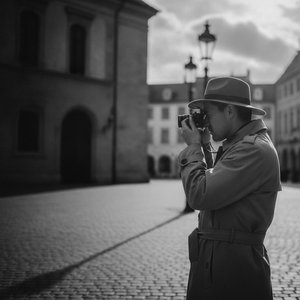
Beyond Color: The Timeless Power and Artistry of Black and White Photography
Explore the profound artistry of black and white photography. From the chemistry of gelatin silver to the chiaroscuro of the Old Masters, discover how monochrome captures the eternal essence of light, form, and emotion for the discerning art collector.

A Fekete Szín Mesterei: 10 Híres Festmény, Amelyek Elvarázsolnak – OriginalUniqueArt.com
Fedezze fel a 10 leghíresebb, fekete tónusú festményt! Rembrandt, Goya és Manet remekművei elvarázsolják. Művészettörténet, inspiráció otthonába – OriginalUniqueArt.com kínálatából. Fedezze fel a teljes gyűjteményt online!

Monochrome Visions: Exploring the Aesthetic & Historical Significance of Black & White Photography
Explore the rich history & artistic power of black and white photography. From early techniques to iconic masters like Ansel Adams, discover why monochrome continues to captivate art lovers today. Expert insights for collectors.
