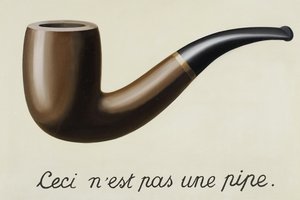
Előnézet
 Megosztás
 Megosztás
 Részletek
 Útmutató

 Letöltés
 Hasonló darabok
 X-ray felvétel
 Diavetítés
 Statisztika
A varázsló
 Olajfestmény vászonon
- Falfeliratok és faldekoráció
- Surrealism
 1952
1952- Modern kor
 34.0 x 45.0 cm
 Tovább olvasom
Az ezen az oldalon megjelenített műalkotások szerzői jogi védelem alatt állnak, ami azt jelenti, hogy törvényileg nem készíthetünk és nem adhatunk el belőlük pontos másolatokat. Ez a védelem olyan nemzetközi megállapodások alapján érvényesül, mint például a Berni Egyezmény és a nemzeti törvények által, beleértve azokat is, amelyeket meghatározott Az USA szerzői jogi törvénye – 17. cím.
Ez a módszer teljes mértékben megfelel a szerzői jogi szabályozásnak, mivel nem tartalmazza a védett műalkotás másolását vagy duplikálását. Ehelyett ez egy kreatív újinterpretáció – egy új festmény, amely az eredetivel való összefüggései miatt hatással van rá, de nem az az.
Giclée / Műnyomat
Múzeumi minőségű giclée vagy vászonnyomat, gyors gyártással és rugalmas finomítási lehetőségekkel. ( Kézzel festett másolat vásárlása Áttérés digitális képre)




P118B Ft10

P118H Ft10

P118W Ft10

P438Z Ft10

P508JH Ft12

P508YH Ft12

P805H Ft10

P805Z Ft10

P919BZ Ft10

P919G Ft10

P919XJ Ft10

P959ZH Ft10

P968JZ Ft12

W106C Ft8

W218G Ft10

W218JH Ft8

W218Y Ft10

W307PJ Ft10

W316G Ft10

W316PJ Ft8

W316Y Ft10

W398PJ Ft8

W4111J Ft10

W500HY Ft15

W500JH Ft15

W692G Ft12

W849H Ft8

W940BG Ft15

W953PJ Ft8




Válasszon előre meghatározott méreteink közül, amelyek megfelelnek a műalkotás eredeti arányainak.

Írja be a keretének vagy a falának megfelelő szélességet és magasságot. A nyomatot csak le lehet vágni, soha nem tehető nagyobbá, mint az eredeti kép, így egy eltérő alakú méretnél a kép egy része elveszik. Mielőtt bármit kinyatintanánk, küldünk egy digitális próbamodellt jóváhagyásra. Az oldalon látható kép nem tartalmazza a valós levágást — ezt csak a próbamodell mutatja meg.
Világszerte történő kiszállítás területére mindössze 2 hét alatt, a szokásos 4-5 hét helyett. (21 október)

Ingyenes globális expressz szállítás

Prémium minőségű len vászon

Teljes körű szállítási biztosítás

Vámvisszatérítési Garancia

Tökéletes színarányosság garancia

100 napos visszaküldési garancia (csak gyártási hibás termékek esetén)

100% pénzvisszatérítési garancia

Több darab vásárlásakor kedvezmény
 Az üvegkeretes opció csak 110 cm alatti méretben érhető el

A varázsló
Giclée / Műnyomat
Reprodukció méretei
-


Összesített ár
Ft 25277
A Mester: Egy Szürrealista Kaland a Valóság Kereteiben
René Magritte, a 20. század egyik legjelentősebb szürrealista festője, művei nem csupán képek, hanem gondolatok, kérdések és a valóság természetének feltárásának kísérletei. A "Mester" (angolul: *The Magician*), 1952-ben elkészült alkotása, egy különleges jelenetet ábrázol, melyben a látványosság és az apró részletek keverednek, hogy megkérdőjelezzék a mindennapi világot. A kép egy férfi alakját mutatja be, aki formális öltözetben ül egy asztalhoz, mintha éppen étkezni készülne. Azonban ez a hétköznapi jelenet egy furcsa, szürrealista elemet hordoz magában: a férfi négy kezét használ – kettő az étkezéshez, egy a borozáshoz és egy pedig a távolba nyújtózik. A háttér sötét és homályos, ami felerősíti a kép központi alakjának vonzerejét és a látványosságot.
Magritte művei gyakran feltűnő részleteket tartalmaznak, melyek a valóság illúzióját torzíthatják. A "Mester" esetében ez a négy kezű férfi egyértelműen a tudás, a varázslat és az elmélet képviselője. Magritte saját maga volt a mester, aki a művészet révén kísérletezett a látásunkkal és a valóság megértésünkkel. A festményt a szürrealista mozgalom egyik legkiemelkedőbb alkotása tekintik, mely a képzeletet és a logikát egyaránt felvonultatja.
Technika és Stílus: A Realizmus Illúziója
A "Mester" egy olajfestmény, mely Magritte jellegzetes realista stílusa tükrözi. A festő precíz részletekre fókuszált, a felülete sima és gazdag, ami a képek mélységét és háromdimenziósságát növeli. Az olajkrétát használva Magritte ügyesen építette fel az alakokat, hangsúlyozta a kontúrokat és a textúrákat. A színpaletta visszafogott, földszínárnyalatok dominálnak – sötétbarna, bézs és mély zöld – melyek a kép hangulatát egyfajta rejtélyes nyugtalansággal töltik be. A férfi öltözete mélyfekete, ami kontrasztot alkot a fehér inget és kék kötés színeivel. A borózkosár, a pohár és a tálca pedig a hétköznapi jelenetet erősítik, melyben a szürrealista elemek egyedül állnak.
Történeti Kontekstus és Szimbolizmus
Magritte művészete a második világháború idején virágzott, amikor a művészek gyakran kísérleteztek a valóság és a képzelet határán. A "Mester" elkészültése egy időszak volt, amikor Magritte elméleti gondolkodásával foglalkozott, és a művészetet használta arra, hogy megvizsgálja a tudat és a látás természetét. A festmény szimbolikus jelentése összetett: a négy kezű férfi a tudás, a varázslat és az elmélet képviselője, aki egyúttal a valóság illuziójának is emlékeztet. A kép arra ösztönzi a nézőt, hogy kérdezze meg a saját látását és a valóság természetét.
Érzelmi Hatás és Intérió Design
A "Mester" egyfajta pszicho-szürrealista kép, mely mély érzelmeket vált ki a nézőből. A festmény egyfajta rejtélyes nyugtalanságot, bizonytalanságot és a valóság illuziójának tudatosságát kelti. A kép egyfajta reflexiót indít el a látásunkról, a valóságról és a képzeletről. A "Mester" egyfajta vizuális paradoxon, mely egyszerre vonzza és zavarja a nézőt. Éppen ezért a festmény különösen alkalmas az interjorió design számára, ahol a szürrealista elemek és a rejtélyes hangulat egyedülálló atmoszférát teremtenek.
Gyakran Ismételt Kérdések
Milyen orientációban készült a „A varázsló”, Magritte alkotása?
A „A varázsló”, Magritte alkotása egy Fenyőképi kompozíció. A nyomtatási méret kiválasztása előtt érdemes ellenőrizni az arányokat.
Hány éves volt Magritte, amikor megalkotta a "A varázsló" című alkotást?
Magritte 54 éves korában festette a „A varázsló” című művét. A művész 1898 született, a alkotás dátuma pedig 1952.
A „A varázsló”, Magritte alkotása a keresett Surrealism művészeti alkotások közé tartozik?
A katalógban a Surrealism művek körében a "A varázsló" Elismert rangsorolást kapott.
A művész életrajza
Early Life and the Seeds of Surrealism
René Magritte, born René François Ghislain Magritte on November 21, 1898, in Lessines, Belgium, emerged into a world that would profoundly shape his enigmatic artistic vision. His early years were marked by an unsettling event – the suicide of his mother when he was just thirteen. The image of her body being recovered from the River Sambre, with her dress obscuring her face, became a haunting motif that would subtly permeate his later work, manifesting in veiled figures and a persistent exploration of hidden realities. This early trauma instilled within him a fascination with mystery, loss, and the unsettling power of what remains unseen. While details of his childhood remain somewhat elusive, it’s clear this formative experience laid the groundwork for his lifelong questioning of perception and representation. He began drawing lessons at age ten, revealing an innate inclination towards visual expression, but initially explored Impressionism before embarking on a path that would lead him to become one of the most significant figures in Surrealist art.Artistic Development and Influences
Magritte’s artistic journey was not immediate or straightforward. He studied at the Académie Royale des Beaux-Arts in Brussels, yet found its traditional methods stifling. His early work experimented with Futurism and Cubism, absorbing elements of these avant-garde movements but ultimately rejecting their purely formal concerns. It wasn't until encountering Giorgio de Chirico’s painting *The Song of Love* in 1922 that Magritte discovered a resonance that would irrevocably alter his artistic course. De Chirico’s dreamlike landscapes and unsettling juxtapositions unlocked within Magritte a new way of seeing – a world where the familiar could be rendered strange, and the ordinary imbued with profound mystery. This encounter sparked his commitment to Surrealism, though he often maintained a unique distance from its more overtly psychological or automatic approaches. He preferred a meticulous, almost clinical precision in his painting, using realistic techniques to depict illogical scenarios.The Heart of Surrealism: Challenging Reality
By 1926, Magritte had fully embraced the tenets of Surrealism, producing *Le Jockey Perdu (The Lost Jockey)*, widely considered his first truly surrealist work. However, his brand of Surrealism was distinct. He wasn’t interested in exploring the subconscious through free association or dream imagery in the manner of some of his contemporaries. Instead, Magritte sought to challenge viewers' perceptions of reality by presenting ordinary objects in unexpected contexts, forcing them to question their assumptions about the world around them. Iconic works like *The Treachery of Images (This is not a pipe)* (1929) brilliantly deconstructs the relationship between image and object, reminding us that a representation is never the thing itself. *Les Amants (The Lovers)* (1927-1928), with its shrouded figures, echoes the trauma of his mother’s death while simultaneously exploring themes of concealment and intimacy. *Time Transfixed* (1938) presents a locomotive bursting through a brick wall, disrupting our sense of space and time. And *The Human Condition* (1933), a canvas within a canvas, blurs the boundaries between representation and reality, prompting us to consider how we perceive and interpret the world.Later Life, Recognition, and Enduring Legacy
Despite initial struggles for recognition, Magritte’s work gradually gained prominence, particularly in the United States with exhibitions in 1936 and later retrospective shows at the Museum of Modern Art (1965) and the Metropolitan Museum of Art (1992). He remained politically engaged throughout his life, advocating for artistic autonomy. He continued to refine his signature style, exploring themes of repetition, illusion, and the power of language in paintings that are both intellectually stimulating and visually arresting. Magritte died on August 15, 1967, leaving behind a body of work that continues to captivate and challenge audiences worldwide. His influence extends far beyond the realm of painting, impacting pop art, minimalist art, conceptual art, and even advertising and film. Today, his paintings are held in major museum collections around the globe, including the Musées royaux des beaux-arts de Belgique in Brussels, which houses the Magritte Museum – dedicated entirely to his work and boasting the world’s largest collection of his creations.- Museum Collections: Musées royaux des beaux-arts de Belgique, Brussels; Magritte Museum.
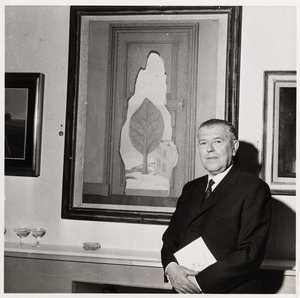
Magritte
1898 - 1967 , Belgium
Gyors információk
- Artistic Movement Or Style: Szürrealizmus
- Artists Or Movements Influenced By This Artist:
- Pop art
- Minimalista művészet
- Artists Who Influenced This Artist: ['Giorgio de Chirico']
- Date Of Birth: November 21, 1898
- Date Of Death: August 15, 1967
- Full Name: René François Ghislain Magritte
- Nationality: Belga
- Notable Artworks:
- Les Amants
- A kép árulása
- Idő vetve
- Place Of Birth: Lessines, Belgium
Kapcsolódó cikkek
A szürrealizmus 10 legikonikusabb festménye: művészeti remekművek otthonába – OriginalUniqueArt
Fedezze fel a szürrealizmus 10 legmeghatározóbb festményét! Salvador Dalí, René Magritte és más művészek álomvilágába kalauzoljuk. Vászonképek, faliképek – inspirálódjon otthonához a OriginalUniqueArt-on! Fedezze fel a teljes gyűjteményt online.

Oil on Canvas: A Historical & Technical Exploration of a Timeless Artistic Medium
Explore the rich history & enduring techniques of oil painting on canvas. Discover the science behind its longevity, conservation practices, and contemporary relevance. Expert insights for art enthusiasts.

The Enduring Power of Painting: A Historical & Contemporary Exploration of Form and Emotion
Explore the rich history & enduring techniques of oil painting with OriginalUniqueArt. Discover masterpieces, learn about art collecting, and find authentic handmade reproductions crafted by skilled artists.

The Enduring Legacy of Oil on Canvas: Technique, History & Aesthetic Impact
Explore the rich history & techniques of oil painting – from Renaissance masters to Impressionism. Discover pigments, layering methods, and why this timeless medium endures. Expert insights for artists & art enthusiasts.

The Treachery of Images: Decoding René Magritte’s Surrealist Vision and the Paradox of Representation
Delve into the profound mysteries of René Magritte’s Surrealism. Explore an expert analysis of 'The Treachery of Images,' decoding the philosophical paradoxes and visual subversions that redefined modern art history for collectors and connoisseurs alike.