 Előnézet
 Megosztás
 Megosztás
 Részletek
 Útmutató

 Letöltés
 Hasonló darabok
 X-ray felvétel
 Diavetítés
 Statisztika
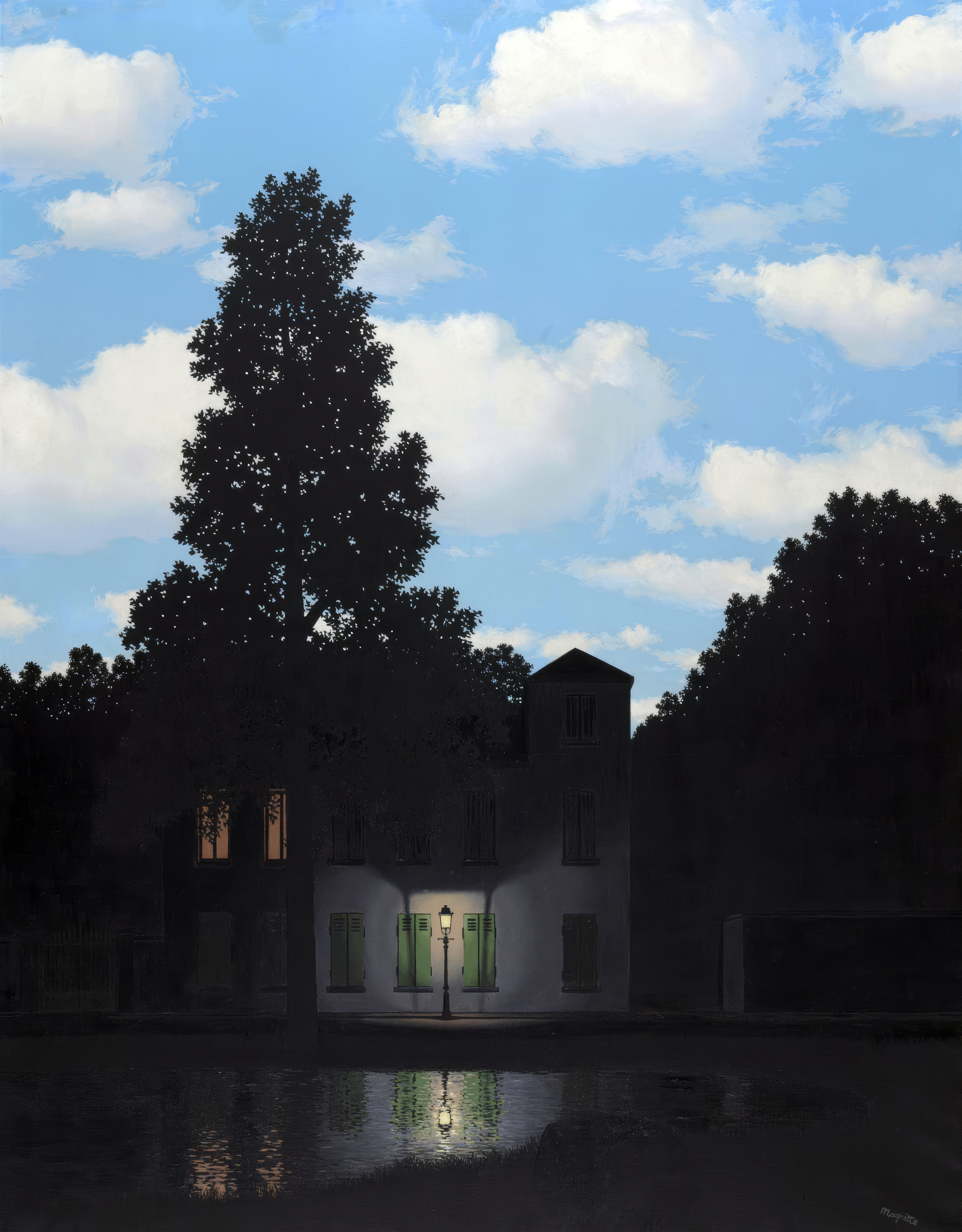
A fény Birodalma


 Tovább olvasom
Az ezen az oldalon megjelenített műalkotások szerzői jogi védelem alatt állnak, ami azt jelenti, hogy törvényileg nem készíthetünk és nem adhatunk el belőlük pontos másolatokat. Ez a védelem olyan nemzetközi megállapodások alapján érvényesül, mint például a Berni Egyezmény és a nemzeti törvények által, beleértve azokat is, amelyeket meghatározott Az USA szerzői jogi törvénye – 17. cím.
Ez a módszer teljes mértékben megfelel a szerzői jogi szabályozásnak, mivel nem tartalmazza a védett műalkotás másolását vagy duplikálását. Ehelyett ez egy kreatív újinterpretáció – egy új festmény, amely az eredetivel való összefüggései miatt hatással van rá, de nem az az.
Giclée / Műnyomat
Múzeumi minőségű giclée vagy vászonnyomat, gyors gyártással és rugalmas finomítási lehetőségekkel. ( Kézzel festett másolat vásárlása Áttérés digitális képre)




P118B Ft10

P118H Ft10

P118W Ft10

P438Z Ft10

P508JH Ft12

P508YH Ft12

P805H Ft10

P805Z Ft10

P919BZ Ft10

P919G Ft10

P919XJ Ft10

P959ZH Ft10

P968JZ Ft12

W106C Ft8

W218G Ft10

W218JH Ft8

W218Y Ft10

W307PJ Ft10

W316G Ft10

W316PJ Ft8

W316Y Ft10

W398PJ Ft8

W4111J Ft10

W500HY Ft15

W500JH Ft15

W692G Ft12

W849H Ft8

W940BG Ft15

W953PJ Ft8




Válasszon előre meghatározott méreteink közül, amelyek megfelelnek a műalkotás eredeti arányainak.

Megadhat saját méreteket is egy konkrét kerethez vagy helyszínhez igazítva. Amennyiben a kiválasztott méret nem egyezik az eredeti kép arányokkal, a műalkotást le fogjuk vágni, vagy kiegészítjük a képet tükrözött vagy egyszínű szélekkel. A gyártás megkezdése előtt egy digitális tervezetet küldünk jóváhagyásra.
Kérjük, vegye figyelembe, hogy a képernyőn látható előnézet nem tükrözi a tényleges levágást vagy kiegészítést. Csak a tervezet mutatja pontosan a végső kompozíciót.
Bár az egyedi méretek is elérhetőek, az eredeti arányok megőrzése érdekében azt javasoljuk, hogy válasszon a előre meghatározott listából származó méretet.
Világszerte történő kiszállítás területére mindössze 2 hét alatt, a szokásos 4-5 hét helyett. (13 október)

Ingyenes globális expressz szállítás

Prémium minőségű len vászon

Teljes körű szállítási biztosítás

Vámvisszatérítési Garancia

Tökéletes színarányosság garancia

100 napos visszaküldési garancia (csak gyártási hibás termékek esetén)

100% pénzvisszatérítési garancia

Több darab vásárlásakor kedvezmény
 Az üvegkeretes opció csak 110 cm alatti méretben érhető el

A fény Birodalma
Giclée / Műnyomat
Reprodukció méretei
-


Összesített ár
Ft 25070
A fény birodalma: John Atkinson Grimshaw és William Degouve de Nuncques árnyékában
René Magritte, a 20. század egyik legjelentősebb és legkülönlegesebb művésze, a "Fény birodalmát" (L’Empire des lumières) egy olyan álomképek sorozatával alkotta meg, amelyek a valóság és a képzelés határán táncolnak. Ez a remekmű, melyben egyedül álló ház ragyog a sötét, felhős éjszakai égbolt felett, nem csupán egy festett jelenet, hanem egy mélyen gondolatébresztő élmény. Magritte, aki a szürrealizmus egyik meghatározó alakja volt, itt ismételten megmutatja, hogy a látásunk mennyire könnyen csalódhat, és hogyan tud egy egyszerű tájban rejtélyt és filozofiai kérdéseket felvetni. A képben megjelenő ház, a sötétség közepén ragyogó fényforrás, nem pusztán biztonság és meleg szimboluma, hanem egy elutasított, elrejtett világ iránti vágya is, egy olyan hely iránt, ahol a valóságot megkérdőjelehetünk.
- Stílus és technika: A festmény a szürrealista művészet egyik kiemelkedő példája. Magritte precíz, részletesen kidolgozott technikával dolgozik, melyben a finom vonalak és árnyékjátékok egyfajta mélységet és realisztikus hatást kölcsönöznek a képen. A fény és árnyék játék különösen figyelemre méltó, a ragyogó ház szembeszáll a körülötte lévő sötéthez, ami tovább fokozza a kép pszichológiai hatását.
- Történelmi kontextus: A művész a korabeli John Atkinson Grimshaw és William Degouve de Nuncques munkásságának ihletét vette. Mindkettőük a 19. század végének és a 20. százat kezdő tájfestők voltak, akik a városi tájak és a természet szépségét ábrázolták. Magritte azonban nem egyszerűen utánozta őket, hanem saját szürrealista látásmódja keretében értelmezte és továbbfejlesztette az elképzeléseket, melyek a paradox képet mutatnak: egy éjszakai táj a napfényben.
Szimbolizmus és érzelmi hatás
A ragyogó ház szimbóluma több jelentéssel bír. Egyrészt biztonságot, melegséget és menedéket jelképez, másrészt pedig egy elutasított, elrejtett világ iránti vágyat. A kép központi elemeinek kontrasztja – a fény és a sötét – mélyen személyes érzelmeket ébreszti meg: magányt, rezdülést és önreflexiót. A természet elemei – az fa és a felhők – egyfajta békés kapcsolatot teremtenek velünk, de ugyanakkor emlékeztetnek arra is, hogy a természet szépsége gyakran titokzatos és megérthetetlen.
- A fa: A fa erő és ellenállás szimbóluma, amely a sötétségben áll, mint egy remény jelképe.
- A felhők: A felhők elmélet és titokszórványokat sugallnak, melyek a lélek mélyebb rétegeit tükrözik.
Miért érdemes választani ezt a műalkotást?
A "Fény birodalma" egy szürrealista remekmű, amely tökéletes választás minden olyan művészetkedvelő számára, aki egyedülálló és mélygående gondolatébresztő alkotót keres. A kép álomszerű hangulata azonnali figyelmet kap, és a kiegyensúlyozott kompozíciója azt garantálja, hogy bármilyen dekorációs stílushoz illeszkedik. Ez a festmény egy igazi beszélgetős darab, amely emellett egyfokú otthoni vagy irodai környezetbe is beilleszthető.
Ne maradjunk ezen a lenyűgöző műalkotásnak valódi, magas minőségű reprodukciójával. Legyen szó egy kis érzelmi töltést szeretnél adni otthonodnak vagy irodádnak, vagy egy szürrealista hangulatot akarsz teremteni, ez a festmény garantáltan elnyeri a tetszésedet.
Gyakran Ismételt Kérdések
Teljes képernyős diaporámaként is megtekinthető a "A fény Birodalma"?
Elérhető egy diaváltó: a Diaváltás oldala a(z) „A fény Birodalma”, Magritte alkotása alkotáshoz.
Hol találhatok egy útmutatót a(z) "A fény Birodalma" alkotáshoz?
A "A fény Birodalma" útmutatója a mű Útmutató oldala – egy kinyomtatható adatlap, amely bemutatja a művet a leírással, a szerzői megjegyzéssel és az azonosító táblázattal (művész, dátumok, technika, eredeti méret, gyűjtemény) együtt.
Milyen motívumok jelennek meg a(z) „A fény Birodalma”, Magritte alkotása alkotásban?
A "A fény Birodalma" alkotás tárgyai: night landscape, illuminated house, darkness, light contrast, surrealism, mystery, reflection.
Szabadon reprodukálható-e a/az „A fény Birodalma”, Magritte alkotása képe?
A „A fény Birodalma”, Magritte alkotása szerzői jogi státusza: a mű még szerzői jogにより védi. Ez határozza meg, hogy a kép másolatai szabadon készíthetők-e.
Mit ábrázol a „A fény Birodalma”, Magritte alkotása, és milyen hangulatot közvetít?
A „A fény Birodalma”, Magritte alkotása night landscape, illuminated house, darkness, light contrast, surrealism, mystery, reflection-t ábrázol, Misztikus hangulatban. A tárgy és a légkör együtt határozza meg a művet.
What other names is Magritte known by?
Magritte is also known as René Magritte, René François Ghislain Magritte.
Milyen összefüggésben áll a "A fény Birodalma" témája Magritte megszokott motíveivel?
Magritte ismétlődő témái közé tartozik a grimshaw, degouve de nuncques, light & darkness paradox, symbolic refuge, solitude, magritte’s recurring motif, series, exploration of reality; a „A fény Birodalma” fókuszál a night landscape, illuminated house, darkness, light contrast, surrealism, mystery, reflection témakörre.
Magritte pályájának mely időszakához tartozik a „A fény Birodalma”?
Magritte pályaművében a „A fény Birodalma” a Mature Period korszakba tartozik. Ez az időszak segít összehasonlíthatóvá tenni a művet a művész többi alkotásával.
A művész életrajza
Early Life and the Seeds of Surrealism
René Magritte, born René François Ghislain Magritte on November 21, 1898, in Lessines, Belgium, emerged into a world that would profoundly shape his enigmatic artistic vision. His early years were marked by an unsettling event – the suicide of his mother when he was just thirteen. The image of her body being recovered from the River Sambre, with her dress obscuring her face, became a haunting motif that would subtly permeate his later work, manifesting in veiled figures and a persistent exploration of hidden realities. This early trauma instilled within him a fascination with mystery, loss, and the unsettling power of what remains unseen. While details of his childhood remain somewhat elusive, it’s clear this formative experience laid the groundwork for his lifelong questioning of perception and representation. He began drawing lessons at age ten, revealing an innate inclination towards visual expression, but initially explored Impressionism before embarking on a path that would lead him to become one of the most significant figures in Surrealist art.Artistic Development and Influences
Magritte’s artistic journey was not immediate or straightforward. He studied at the Académie Royale des Beaux-Arts in Brussels, yet found its traditional methods stifling. His early work experimented with Futurism and Cubism, absorbing elements of these avant-garde movements but ultimately rejecting their purely formal concerns. It wasn't until encountering Giorgio de Chirico’s painting *The Song of Love* in 1922 that Magritte discovered a resonance that would irrevocably alter his artistic course. De Chirico’s dreamlike landscapes and unsettling juxtapositions unlocked within Magritte a new way of seeing – a world where the familiar could be rendered strange, and the ordinary imbued with profound mystery. This encounter sparked his commitment to Surrealism, though he often maintained a unique distance from its more overtly psychological or automatic approaches. He preferred a meticulous, almost clinical precision in his painting, using realistic techniques to depict illogical scenarios.The Heart of Surrealism: Challenging Reality
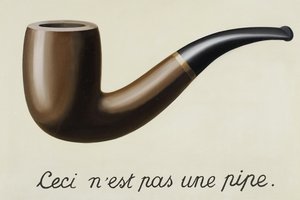
By 1926, Magritte had fully embraced the tenets of Surrealism, producing *Le Jockey Perdu (The Lost Jockey)*, widely considered his first truly surrealist work. However, his brand of Surrealism was distinct. He wasn’t interested in exploring the subconscious through free association or dream imagery in the manner of some of his contemporaries. Instead, Magritte sought to challenge viewers' perceptions of reality by presenting ordinary objects in unexpected contexts, forcing them to question their assumptions about the world around them. Iconic works like *The Treachery of Images (This is not a pipe)* (1929) brilliantly deconstructs the relationship between image and object, reminding us that a representation is never the thing itself. *Les Amants (The Lovers)* (1927-1928), with its shrouded figures, echoes the trauma of his mother’s death while simultaneously exploring themes of concealment and intimacy. *Time Transfixed* (1938) presents a locomotive bursting through a brick wall, disrupting our sense of space and time. And *The Human Condition* (1933), a canvas within a canvas, blurs the boundaries between representation and reality, prompting us to consider how we perceive and interpret the world.Later Life, Recognition, and Enduring Legacy
Despite initial struggles for recognition, Magritte’s work gradually gained prominence, particularly in the United States with exhibitions in 1936 and later retrospective shows at the Museum of Modern Art (1965) and the Metropolitan Museum of Art (1992). He remained politically engaged throughout his life, advocating for artistic autonomy. He continued to refine his signature style, exploring themes of repetition, illusion, and the power of language in paintings that are both intellectually stimulating and visually arresting. Magritte died on August 15, 1967, leaving behind a body of work that continues to captivate and challenge audiences worldwide. His influence extends far beyond the realm of painting, impacting pop art, minimalist art, conceptual art, and even advertising and film. Today, his paintings are held in major museum collections around the globe, including the Musées royaux des beaux-arts de Belgique in Brussels, which houses the Magritte Museum – dedicated entirely to his work and boasting the world’s largest collection of his creations.- Museum Collections: Musées royaux des beaux-arts de Belgique, Brussels; Magritte Museum.
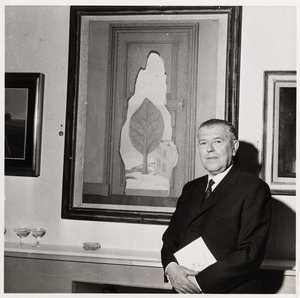
Magritte
1898 - 1967 , Belgium
Gyors információk
- Artistic Movement Or Style: Szürrealizmus
- Artists Or Movements Influenced By This Artist:
- Pop art
- Minimalista művészet
- Artists Who Influenced This Artist: ['Giorgio de Chirico']
- Date Of Birth: November 21, 1898
- Date Of Death: August 15, 1967
- Full Name: René François Ghislain Magritte
- Nationality: Belga
- Notable Artworks:
- Les Amants
- A kép árulása
- Idő vetve
- Place Of Birth: Lessines, Belgium
Kapcsolódó cikkek

The Treachery of Images: Decoding René Magritte’s Surrealist Vision and the Paradox of Representation
Delve into the profound mysteries of René Magritte’s Surrealism. Explore an expert analysis of 'The Treachery of Images,' decoding the philosophical paradoxes and visual subversions that redefined modern art history for collectors and connoisseurs alike.
A szürrealizmus 10 legikonikusabb mesterműve – Vásároljon művészetet online a OriginalUniqueArt-on!
Fedezze fel a szürrealizmus 10 legmeghatározóbb műalkotását! Salvador Dalí, René Magritte és más ikonikus festők álomképei. Vásároljon exkluzív reprodukciókat a OriginalUniqueArt-on – otthona elegáns dekorációjához!
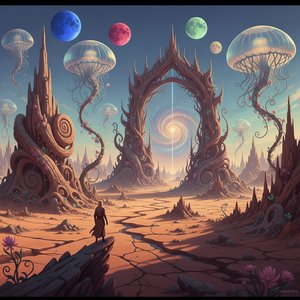
Beyond Reality: A Curated Guide to the Dreamlike World of Surrealist Landscapes
Embark on a visual journey through the subconscious. Explore our expert guide to Surrealist landscapes, uncovering the dreamlike techniques of masters like Dalí to deepen your appreciation for this captivating art movement.
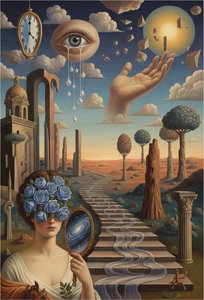
A szürrealizmus 10 legikonikusabb festménye: művészeti remekművek otthonába – OriginalUniqueArt
Fedezze fel a szürrealizmus 10 legmeghatározóbb festményét! Salvador Dalí, René Magritte és más művészek álomvilágába kalauzoljuk. Vászonképek, faliképek – inspirálódjon otthonához a OriginalUniqueArt-on! Fedezze fel a teljes gyűjteményt online.
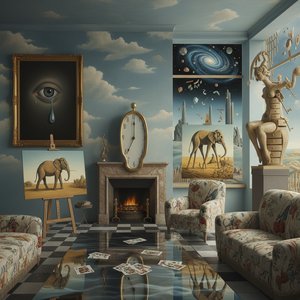
A szürrealizmus 10 legikonikusabb műalkotása – OriginalUniqueArt.com
Fedezze fel a szürrealizmus 10 legmeghatározóbb műalkotását! Salvador Dalí, René Magritte és más mesterek álomképei – történetükkel és inspirációjukkal. Vászonkép, falikép otthonába? OriginalUniqueArt.com - a minőségi reprodukciók galériája.