

 Megtekintés
 Küldés
 Megosztás
 Részletek

 Letöltés
 Hasonló darabok
 X-ray felvétel
 Diavetítés
 Statisztika
Portrait of Anna Codde
 Oil On Canvas
- WallArt
- Renaissance
 1529
1529 86.0 x 66.0 cm
 Rijksmuseum
 Összes részlet megjelenítése
Giclée / Műnyomat
Múzeumi minőségű giclée vagy vászonnyomat, gyors gyártással és rugalmas finomítási lehetőségekkel. ( Kézzel festett másolat rendelése Áttérés digitális képre)




P118B $10

P118H $10

P118W $10

P438Z $10

P508JH $12

P508YH $12

P805H $10

P805Z $10

P919BZ $10

P919G $10

P919XJ $10

P959ZH $10

P968JZ $12

W106C $8

W218G $10

W218JH $8

W218Y $10

W307PJ $10

W316G $10

W316PJ $8

W316Y $10

W398PJ $8

W4111J $10

W500HY $15

W500JH $15

W692G $12

W849H $8

W940BG $15

W953PJ $8




Válasszon előre meghatározott méreteink közül, amelyek megfelelnek a műalkotás eredeti arányainak.

Megadhat saját méreteket is egy konkrét kerethez vagy helyszínhez igazítva. Amennyiben a kiválasztott méret nem egyezik az eredeti kép arányokkal, a műalkotást le fogjuk vágni, vagy kiegészítjük a képet tükrözött vagy egyszínű szélekkel. A gyártás megkezdése előtt egy digitális tervezetet küldünk jóváhagyásra.
Kérjük, vegye figyelembe, hogy a képernyőn látható előnézet nem tükrözi a tényleges levágást vagy kiegészítést. Csak a tervezet mutatja pontosan a végső kompozíciót.
Bár az egyedi méretek is elérhetőek, az eredeti arányok megőrzése érdekében azt javasoljuk, hogy válasszon a előre meghatározott listából származó méretet.
Világszerte történő kiszállítás területére mindössze 2 hét alatt, a szokásos 4-5 hét helyett. (18 szeptember)

Ingyenes globális expressz szállítás

Prémium minőségű len vászon

Teljes körű szállítási biztosítás

Vámvisszatérítési Garancia

Hiteles színpontosság garancia

100 napos visszaküldési lehetőség (csak hibás termékek esetén)

100% pénzvisszatérítési garancia

Több darab vásárlása esetén kedvezmény
 Az üvegkeretes opció csak 110 cm alatti méretben érhető el

Portrait of Anna Codde
Giclée / Műnyomat
Reprodukció mérete
-


Összesített ár
$ 80
A Window into the Dutch Renaissance: The Portrait of Anna Codde
Maerten van Heemskerck’s “Portrait of Anna Codde,” painted in 1529, isn't merely a likeness; it’s a meticulously crafted tableau vivant – a snapshot of life within the burgeoning world of early Dutch Renaissance society. More than just a portrait, this work offers a rare glimpse into the domestic sphere, revealing a woman engaged in a timeless activity: spinning wool. The scene unfolds with quiet dignity and understated elegance, capturing not only Anna’s physical appearance but also her role as a skilled artisan and devoted wife – a common yet increasingly valued ideal within the Dutch merchant class of the era.
The painting immediately draws the eye to Anna herself, seated comfortably in a simple chair. Her long, flowing hair is partially arranged, suggesting a deliberate effort towards presentation, while her gaze is direct and engaging, inviting the viewer into her world. The spindle she holds isn’t just an object of craft; it's a symbol of domesticity, industry, and the woman’s vital contribution to the household economy. Her dress, though modest in style, speaks volumes about her status – a subtle indication of wealth and refinement. Notice the careful attention to detail in the rendering of her hands, demonstrating Heemskerck’s mastery of capturing texture and form.
The Painter's Palette: Technique and Style
Heemskerck’s style is immediately recognizable as a masterful blend of Italian Renaissance ideals with distinctly Dutch sensibilities. The influence of Jan van Scorel, his former teacher, is evident in the use of light and shadow – a technique known as *chiaroscuro* – which creates a sense of depth and volume within the composition. However, Heemskerck departs from the purely idealized forms often found in Italian portraits, opting for a more naturalistic approach that reflects the growing interest in portraying individuals with greater realism.
The painting’s color palette is restrained yet sophisticated, dominated by earthy tones – browns, ochres, and muted greens – which evoke the textures of the wool and the surrounding domestic environment. The background, featuring a chair and a clock on the wall, provides context without overwhelming the central figure. Heemskerck's skill lies not just in depicting individual features but also in creating a harmonious whole, where every element contributes to the overall narrative.
A Portrait of an Era: Historical Context
“Portrait of Anna Codde” was painted during a period of significant social and economic transformation in the Netherlands. The rise of merchant families like the Coddes fueled a burgeoning economy and a growing emphasis on wealth, status, and family lineage. Portraits became increasingly important as a means of documenting these achievements and solidifying one’s place within society. The inclusion of domestic scenes like this one was not uncommon; it served to portray the subject as both a successful businesswoman and a devoted wife – qualities highly valued in 16th-century Dutch culture.
Furthermore, the painting reflects the growing interest in secular portraiture during this time. While religious subjects remained important, artists began experimenting with depicting everyday life and capturing the personalities of their patrons. The meticulous detail and realistic portrayal of Anna Codde demonstrate Heemskerck’s commitment to portraying his subject with honesty and dignity.
Symbolism and Emotional Resonance
Beyond its technical merits, “Portrait of Anna Codde” is rich in symbolism. The spinning wheel represents not only her craft but also the woman's role as a provider for her household – a vital contribution to the family’s well-being. The clock on the wall serves as a reminder of time and the passage of life, subtly emphasizing the importance of cherishing each moment. The birds in the background, one near the top right corner and another towards the bottom left of the painting, may represent good fortune or simply add to the idyllic scene.
Ultimately, “Portrait of Anna Codde” is a poignant reminder of a bygone era – a time when domesticity was intertwined with prosperity and artistry. It’s a testament to Heemskerck's skill as a painter and his ability to capture not just a likeness but also the essence of a human being within her historical context. Reproductions of this captivating work offer a beautiful window into the heart of the Dutch Renaissance.
A művész életrajza
korai élet és képzés
Maerten van Heemskerck, a holland reneszánsz művészet egyik meghatározó portré- és vallásos festője, 1498. június 1-jén született Észak-Holland Heemskerk nevű falujában. Művészi utazása Haarlemben kezdődött Cornelius Willemsz irányítása alatt, majd egy rövid időszakot töltött Delftben Jan Lucasz mellett. Végül Jan van Scorel tanítványa lett, s ezzel átvette mestere olasz hatású stílusát, amely később művészetének alapját képezte.karrier-kiemességek
- Maerten van Heemskerck munkássága az innovatív holland és olasz hatások ötvözéséről ismerthető fel, amint azt híres családi portréja is példaként mutatja be, amely a holland családi festészet hosszú sorozatának első képessé vált alkotása.
- A római Porta San Sebastiano újbedobásán során folytatott együttműködése Antonio da Sangallo younger, Battista Franco és Francesco de' Rossi (Il Salviati) neve mellett – amely egy V. Károly tiszteletére állított diadalmas ív – kiválóan bemutatja képzőfestőként való gyors és precíz kivitelezési képességét.
- Heemskerck klasszikus szobrokról és építészetről készült rajzai, amelyek ma két vázlatfüzetben a Berlin Kupferstichkabinett gyűjteményében őrzik, hitelesen ragadták meg az olasz művészet lényegét.
kiemelt alkotások és örökség
- A le donor és Szent Mária Magdolna (megtekintés az OriginalUniqueArt oldalán)
- A Szűz Mária és Szent János az evangélista (megtekintés az OriginalUniqueArt oldalán)
- Szezon: Szimón a templom oszlopainak döntése, Maarten van Heemskerck (megtekintés az OriginalUniqueArt oldalán)
konklúzió
Maerten van Heemskerck mélyreható hatása a művészet világára tagadhatatlan. Művei, amelyek ma már számos múzeumi gyűjtemény részét képezik, köztük a Rijksmuseumé is, továbbra is inspirációt nyújtanak a művészeknek és a művészrajongóknak egyaránt. Mesterműveinek további felfedezéséhez látogasson el Maerten van Heemskerck OriginalUniqueArt oldalán található profiljára. Életének és munkásságának mélyebb megértéséhez kattintson a Wikipedia életrajzára.
Maerten Van Heemskerck
1498 - 1574 , Holland
A művészről röviden
- Artistic Movement Or Style: Manierizmus
- Artists Who Influenced This Artist:
- Jan van Scorel
- Antonio da Sangallo az Fiatal
- Date Of Birth: 1498. június 1.
- Date Of Death: 1574. október 1.
- Full Name: Maerten Jacobsz van Heemskerck
- Nationality: Holland
- Notable Artworks:
- A halott Krisztus gyászolatos felidézése
- Pieter Jan Foppeszoon és családja
- Krisztus a Szomorúság Embereként
- Place Of Birth: Heemskerk, Hollandia
Kapcsolódó cikkek

Rembrandt legikonikusabb művei: 25 mestermű a vászonon – OriginalUniqueArt
Fedezze fel Rembrandt van Rijn 25 legikonikusabb művét! Barokk portrék, bibliai jelenetek és önarcképek a Holland aranykorból. Művészeti reprodukciók prémium minőségben – OriginalUniqueArt. Explore the full collection online!

Jan van Goyen: Master of Dutch Landscape & Atmospheric Perspective
Discover Jan van Goyen, the master of Dutch landscape painting. Explore his subtle technique, atmospheric realism & lasting influence on art history. Learn about this 17th-century pioneer at OriginalUniqueArt.
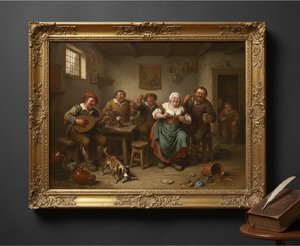
Adriaen van Ostade: A Master of Dutch Genre Painting & Social Commentary
Explore the life & work of Adriaen van Ostade, a leading Dutch Golden Age painter. Discover his realistic genre scenes, social commentary, and lasting influence on art history. Learn more at OriginalUniqueArt.

Willem van de Velde the Elder: Master of Maritime Painting & Chronicler of the Dutch Golden Age
Discover the captivating maritime paintings of Willem van de Velde the Elder, a master chronicler of the Dutch Golden Age. Explore his unparalleled realism and lasting influence on naval art history.

Maerten van Heemskerck: Bridging Mannerism & Renaissance Ideals
Explore the captivating world of Maerten van Heemskerck, a pivotal Dutch Renaissance painter bridging Mannerism & Italian influence. Discover his masterpieces and legacy with OriginalUniqueArt.
