- Főoldal

- Vászonra nyomtatás
- luis de carbajal
- Circumcision

 Preview
 Készíttetnék festményként Kép letöltése
 Megosztás
 Megosztás
 Részletek
 Kedvencekhez ad

 Letöltés
 Hasonló alkotások
 X-ray felvétel
 Diavetítés
Circumcision
 Akril vászonon
- Falfeliratok és faldekoráció
- Baroque Revival
 1580
1580 95.0 x 73.0 cm
 Hermitázsmúzeum
 Tovább olvasom
Giclée / Műnyomat
Múzeumi minőségű giclée vagy vászonnyomat, gyors gyártással és rugalmas finomítási lehetőségekkel.




P118B $10

P118H $10

P118W $10

P438Z $10

P508JH $12

P508YH $12

P805H $10

P805Z $10

P919BZ $10

P919G $10

P919XJ $10

P959ZH $10

P968JZ $12

W106C $8

W218G $10

W218JH $8

W218Y $10

W307PJ $10

W316G $10

W316PJ $8

W316Y $10

W398PJ $8

W4111J $10

W500HY $15

W500JH $15

W692G $12

W849H $8

W940BG $15

W953PJ $8




Válasszon előre meghatározott méreteink közül, amelyek megfelelnek a műalkotás eredeti arányainak.

Megadhat saját méreteket is egy konkrét kerethez vagy helyszínhez igazítva. Amennyiben a kiválasztott méret nem egyezik az eredeti kép arányokkal, a műalkotást le fogjuk vágni, vagy kiegészítjük a képet tükrözött vagy egyszínű szélekkel. A gyártás megkezdése előtt egy digitális tervezetet küldünk jóváhagyásra.
Kérjük, vegye figyelembe, hogy a képernyőn látható előnézet nem tükrözi a tényleges levágást vagy kiegészítést. Csak a tervezet mutatja pontosan a végső kompozíciót.
Bár az egyedi méretek is elérhetőek, az eredeti arányok megőrzése érdekében azt javasoljuk, hogy válasszon a előre meghatározott listából származó méretet.
Világszerte történő kiszállítás területére 2 hét alatt, a szokásos 4-5 hét helyett. 27 július

Ingyenes globális expressz szállítás

Prémium minőségű len vászon

Teljes szállítási biztosítás

Vámvisszatérítési Garancia

Tökéletes színpontosság garancia

60 napos visszaküldési lehetőség (csak gyártási hibák esetén)

100%-os pénzvisszatérítési garancia

Kedvezmény több termény esetén
 Az üvegkeretes opció csak 110 cm alatti méretben érhető el

Circumcision
Giclée / Műnyomat
A reprodukció mérete
-


Összesített ár
-
Termékinformációk
Luis de Carbajal: Toledo’s Gothic Soul Transformed
Luis de Carbajal (c. 1531 – after 1618), born in Toledo, Spain, stands as one of the most prolific and influential painters of the Spanish Renaissance, particularly renowned for his monumental cathedral altarpieces that embody the grandeur and spiritual fervor of the era. While overshadowed by contemporaries like El Greco—with whom he shared a formative artistic connection—Carvajal’s distinctive style cemented his place in art history as a pivotal figure in Toledo’s artistic revival and a masterful interpreter of Gothic sensibilities adapted to the burgeoning humanist spirit. His output spanned decades, leaving behind an impressive legacy that continues to inspire admiration for its meticulous detail and emotive power. ### The Crucible of Influence: Early Training and El Greco's Legacy Carvajal’s formative years coincided with El Greco’s arrival in Toledo, establishing himself as a teacher and fostering a stylistic dialogue that would profoundly shape Carbajal's artistic vision. This mentorship instilled in him a fascination for dramatic lighting—a hallmark of El Greco’s Mannerist style—and an unwavering commitment to conveying spiritual depth through meticulously rendered figures. The influence of Villoldo, another prominent Toledo artist, contributed to his understanding of classical proportions and compositional balance, grounding his work in humanist principles alongside religious devotion. This confluence of artistic traditions ensured that Carbajal's oeuvre would never be merely decorative; it would always strive for profound emotional resonance. ### Cathedral Altarpieces: Monumental Expressions of Faith – A Synthesis of Tradition and Innovation Carvajal’s fame rests primarily on his monumental cathedral altarpieces—a genre that flourished during the Habsburg reign and served as a powerful vehicle for disseminating theological narratives. His most celebrated commissions included seven canvases depicting saints for the Escorial Cathedral, commissioned by Philip II to commemorate the Holy Spirit. These works exemplify Carbajal's mastery of technique: he employed oil paint on canvas with painstaking precision, layering translucent glazes to achieve luminous effects and capturing subtle nuances of expression in his figures. The composition—characterized by pyramidal structures and dramatic diagonals—mirrors the architectural grandeur of the cathedral itself, reinforcing its symbolic significance as a locus of divine presence. Each saint is portrayed with palpable emotion, conveying not merely doctrinal correctness but also spiritual contemplation. He skillfully blended Gothic stylistic elements – elongated figures, stylized drapery – with Renaissance humanist ideals to create images that were both aesthetically compelling and spiritually profound. ### Symbolism and Technique: Capturing the Sublime Carvajal’s artistic approach wasn't simply about replicating religious iconography; it was about reimagining Gothic traditions within the framework of Renaissance humanism. He deliberately incorporated elements reminiscent of medieval art—such as stylized drapery and elongated figures—to evoke a sense of solemn reverence and to honor Toledo’s rich ecclesiastical heritage. The saints depicted are not merely representations of biblical figures but embodiments of virtues – compassion, humility, courage – reflecting the moral values championed by humanist thinkers. Furthermore, Carbajal's meticulous attention to detail—from the folds of robes to the expressions on faces—demonstrates a profound understanding of human psychology and elevates his paintings beyond mere visual spectacle into emotionally resonant experiences. The use of chiaroscuro—the dramatic interplay of light and shadow—was particularly effective in conveying spiritual solemnity and highlighting the saint’s inner life. ### Legacy: Toledo's Artistic Revival Revisited – A Masterpiece Enduring Through Time Today, Carbajal’s canvases reside primarily in the Museo del Prado in Madrid, where they continue to captivate audiences with their breathtaking beauty and spiritual depth. Recent scholarship has illuminated the significance of his work within the broader context of Toledo’s artistic revival—a period marked by a renewed interest in classical ideals alongside an enduring devotion to Christian faith. His paintings stand as testament to Carbajal's skill, creativity, and unwavering commitment to conveying the sublime—a legacy that secures his place among Spain’s greatest artists and ensures that his masterpieces endure for generations to come. The Museo del Prado houses several of his works, allowing visitors to experience firsthand the impact of this Toledo Master on European art history.A művész életrajza
Luis de Carbajal: A Toledo Master Shaping Gothic Faith
Luis de Carbajal (c. 1531 – after 1618), born in Toledo, Spain, stands as one of the most prolific and influential painters of the Spanish Renaissance, particularly renowned for his monumental cathedral altarpieces that embody the grandeur and spiritual fervor of the era. While overshadowed by contemporaries like El Greco—with whom he shared a formative artistic connection—Carvajal’s distinctive style cemented his place in art history as a pivotal figure in Toledo’s artistic revival and a masterful interpreter of Gothic sensibilities adapted to the burgeoning humanist spirit.- Early Life & Artistic Training: Carbajal's origins remain somewhat obscure, though he was undoubtedly educated within the vibrant intellectual milieu of Toledo, a city steeped in religious tradition and increasingly receptive to European ideas circulating from Italy. His formative years coincided with El Greco’s arrival in Toledo, establishing himself as a teacher and profoundly impacting Carbajal’s artistic vision. This mentorship instilled a deep appreciation for dramatic chiaroscuro—the interplay of light and shadow—a technique that would become a hallmark of Carbajal's oeuvre.
- The Gothic Influence: Unlike El Greco’s ethereal mysticism, Carbajal’s paintings retain an unwavering grounding in the architectural vocabulary of Gothic churches. He meticulously studied cathedrals like Toledo Cathedral itself, absorbing their soaring vaults, ribbed arches, and stained glass windows—elements he skillfully incorporated into his compositions to convey a sense of awe and reverence. This stylistic choice reflects not merely aesthetic preference but also a deliberate engagement with the theological concerns of the time.
- Notable Works & Artistic Style: Carbajal’s output spanned decades, producing an astonishing number of paintings – estimated at over 300 – primarily focused on religious subjects. His most celebrated achievements include the monumental altarpiece for Toledo Cathedral (completed in 1591), depicting scenes from the Passion of Christ and embodying the apex of Gothic artistic expression. Other significant commissions included works for monasteries and noble patrons, showcasing his mastery of color palettes—often rich hues accented by gold leaf—and meticulous detail.
- El Greco’s Legacy & Artistic Dialogue: Carbajal's relationship with El Greco was complex yet undeniably formative. While he absorbed El Greco’s dramatic style, Carbajal tempered it with a more restrained elegance and a greater emphasis on architectural precision. Critics have noted subtle influences from El Greco in Carbajal’s compositions—particularly in the expressive gestures of figures and the use of luminous color—suggesting a continuous artistic conversation across generations.
- Historical Significance & Artistic Reputation: Carbajal's contribution to Toledo’s artistic heritage is undeniable, shaping the visual landscape of one of Spain’s most historically significant cities. His paintings continue to inspire admiration for their technical virtuosity and spiritual depth, securing his legacy as a cornerstone of Spanish Renaissance art and a testament to the enduring power of Gothic aesthetics.

luis de carbajal
1531 - 1618 , Spain
Rövid tények
- Artistic Movement Or Style: Religious Painting; Gothic Art Style
- Artists Or Movements Influenced By This Artist: ['El Greco']
- Artists Who Influenced This Artist: ['Alonso Berruguete']
- Date Of Birth: 1531
- Full Name: Luis de Carbajal y de la Cueva
- Nationality: Spanish
- Notable Artworks: ['Circumcision']
- Place Of Birth: Toledo, Spain
Kapcsolódó cikkek
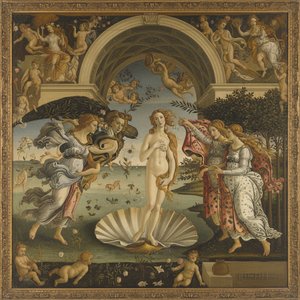
Botticelli Mesterművek: A 25 Leglenyűgözőbb Kép a Reneszánsz Gyöngyszemeiből | OriginalUniqueArt
Fedezze fel Sandro Botticelli 25 legpazarabb műalkotását! Merüljön el a reneszánsz festészet világában, ismerje meg a Primavera és Vénusz születése történetét. Museum-minőségű reprodukciók és inspiráló dekorációs ötletek a OriginalUniqueArt.com oldalon.
A Reneszánsz Korai Gyöngyszemei: 10 Mestermű, Ami Megváltoztatta a Világot
Fedezze fel a korai reneszánsz 10 legikonikusabb műalkotását! Leonardo, Michelangelo és Botticelli remekművei elmesélnek egy új korszak történetét. Vászonképek, faliképek – inspirálódjon OriginalUniqueArt.com-on!

El Greco 25 Mesterműve: A Spanyol Reneszánsz Legkiemelkedőbb Alkotásai – OriginalUniqueArt.com
Fedezze fel El Greco 25 leglenyűgözőbb művészeti alkotását! Ismerje meg a spanyol reneszánsz és manierizmus mesterét, festményeinek történetét és spirituális mélységét. Luxus reprodukciók – OriginalUniqueArt.com.
A müncheni Alte Pinakothek 25 Mesterműve: Klasszikus festmények otthonra – OriginalUniqueArt.com
Fedezze fel a müncheni Alte Pinakothek 25 legikonikusabb művészeti remekművét! Reneszánsz és barokk festmények, Leonardo da Vinci, Dürer alkotásai – inspiráló történetek és magas minőségű reprodukciók. Otthonra vagy ajándékba? OriginalUniqueArt.com-on minden megtalálható!

Claude Monet 25 Mesterműve: A Fény és a Szín Zsenialitása – OriginalUniqueArt.com
Fedezze fel Claude Monet 25 legikonikusabb mesterművét! Ismerje meg az impresszionizmus zseniális festőjének történetét, a fény és szín varázsát. Vásároljon exkluzív reprodukciókat otthona dekorációjához a OriginalUniqueArt.com-on!


