
 Megtekintés
 Küldés
 Megosztás
 Részletek

 Letöltés
 Hasonló darabok
 X-ray felvétel
 Diavetítés
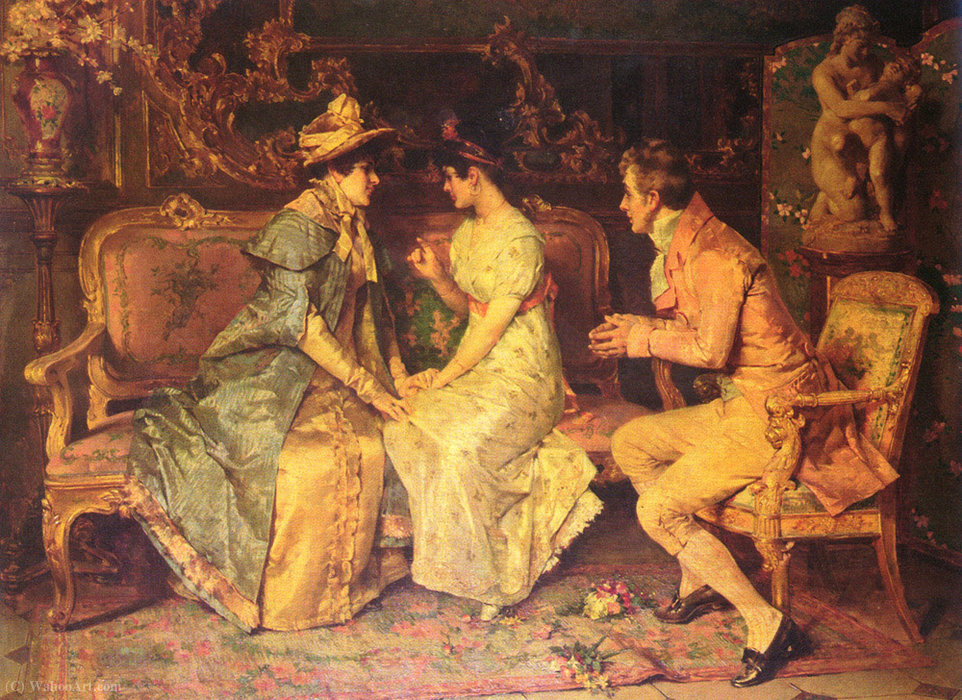
The suitor
 Összes részlet megjelenítése
Giclée / Műnyomat
Múzeumi minőségű giclée vagy vászonnyomat, gyors gyártással és rugalmas finomítási lehetőségekkel. ( Kézzel festett másolat rendelése Kép letöltése)




































Válasszon előre meghatározott méreteink közül, amelyek megfelelnek a műalkotás eredeti arányainak.

Megadhat saját méreteket is egy konkrét kerethez vagy helyszínhez igazítva. Amennyiben a kiválasztott méret nem egyezik az eredeti kép arányokkal, a műalkotást le fogjuk vágni, vagy kiegészítjük a képet tükrözött vagy egyszínű szélekkel. A gyártás megkezdése előtt egy digitális tervezetet küldünk jóváhagyásra.
Kérjük, vegye figyelembe, hogy a képernyőn látható előnézet nem tükrözi a tényleges levágást vagy kiegészítést. Csak a tervezet mutatja pontosan a végső kompozíciót.
Bár az egyedi méretek is elérhetőek, az eredeti arányok megőrzése érdekében azt javasoljuk, hogy válasszon a előre meghatározott listából származó méretet.
Világszerte történő kiszállítás területére mindössze 2 hét alatt, a szokásos 4-5 hét helyett. (23 augusztus)

Ingyenes globális expressz szállítás

Prémium minőségű len vászon

Teljes körű szállítási biztosítás

Vámvisszatérítési Garancia

Hiteles színpontosság garancia

60 napos visszaküldési lehetőség (csak hibás termékek esetén)

100% pénzvisszatérítési garancia

Több darab vásárlása esetén kedvezmény
 Az üvegkeretes opció csak 110 cm alatti méretben érhető el

The suitor
Giclée / Műnyomat
Reprodukció mérete
-


Összesített ár
$ 80
A művész életrajza
Luis Álvarez Catalá (1836 - 1901): A Painter of Northern Spain’s Soul
Luis Álvarez Catalá (born January 22, 1836 – died October 4, 1901) was a Spanish painter renowned for his depictions of rural life and historical scenes rooted in the traditions of Asturias and León. He achieved considerable acclaim during his lifetime as Director of the Museo del Prado from 1898 to 1901, cementing his legacy as a pivotal figure in late nineteenth-century Spanish art.Early Life and Artistic Formation
Catalá’s origins lay in Helmo, Asturias, where he spent formative summers amidst the landscapes that would profoundly inspire his artistic vision. His family's heritage instilled in him a deep connection to the region’s cultural identity—a connection that would permeate throughout his oeuvre. Following primary education in Oviedo, he pursued formal artistic training at the Escuela Especial de Pintura, Escultura y Grabado and subsequently enrolled at the Real Academia de Bellas Artes de San Fernando in Madrid, under the tutelage of Federico de Madrazo. This influential mentorship shaped his technique and aesthetic sensibilities, establishing him firmly within the academic tradition prevalent during his era.Rome and Artistic Breakthrough
In 1857, Catalá embarked on a transformative journey to Rome—a pilgrimage for aspiring artists seeking inspiration and honing their craft amidst Europe’s artistic epicenter. Alongside Eduardo Rosales and Vicente Palmaroli, he benefited from a generous scholarship, allowing him to immerse himself in the Roman artistic milieu. The experience proved decisive, culminating in the prestigious Gold Medal awarded at the First National Exposition of Florence for his painting “Calpurnia’s Dream,” which secured second place at the National Exhibition of Fine Arts in Spain in 1862. This accomplishment signaled a burgeoning talent and established him as one of Spain's most promising painters.Style and Technique: Costumbrismo and Detail
Catalá’s artistic style distinguished itself through its meticulous observation of everyday life—a characteristic known as costumbrismo. He captured the essence of rural Asturias and León with remarkable precision, portraying scenes imbued with vibrant colors and intricate details that conveyed a palpable sense of authenticity. His canvases weren't merely representations; they were windows into specific cultural contexts, reflecting the customs, traditions, and social realities of his time. This dedication to realism—combined with masterful brushwork—became a hallmark of his artistic practice.Directorate at the Museo del Prado and Legacy
Catalá’s appointment as Director of the Museo del Prado in 1898 marked a significant moment in Spanish art history. During his tenure, he championed ambitious acquisitions aimed at enriching the museum's collection—most notably securing several works by Francisco Goya, furthering the Prado’s reputation as a repository of artistic excellence. He oversaw the installation of Aniceto Marinas’ statue of Velázquez and spearheaded the publication of *Catálogo ilustrado de la sala de Velázquez*, meticulously documenting the museum’s celebrated Velázquez Gallery. His unwavering commitment to preserving and promoting Spanish art ensured that his influence would endure beyond his lifetime, securing his place as a pivotal figure in the Prado's history and cementing his contribution to the broader artistic landscape of Spain.Notable Works
* “The Filandón”: A captivating portrayal of a traditional evening gathering in León and Asturias, embodying Catalá’s masterful depiction of rural life. * “Calpurnia’s Dream”: Recognized for its second place at the National Exhibition of Fine Arts in Spain in 1862, showcasing his exceptional skill in capturing emotion and narrative within a historical context.
luis alvarez catala
1836 - 1901
A művészről röviden
- Artistic Movement Or Style: Costumbrista
- Artists Or Movements Influenced By This Artist: ['Diego Velázquez']
- Artists Who Influenced This Artist: ['Federico de Madrazo']
- Date Of Birth: January 22, 1836
- Date Of Death: October 4, 1901
- Full Name: Luis Álvarez Catalá
- Nationality: Spanish
- Notable Artworks:
- The Filandón
- The Suitor
- Calpurnia's Dream
- Place Of Birth: Madrid, Spain

