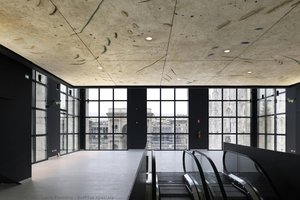
Térbeli Koncepció
Akril vászonon
Falfeliratok és faldekoráció
Térbeli Koncepció
1967
Modern kor
200.0 x 91.0 cm
Quirinale Palota
Kézzel készített olajfestmény reprodukció
Kézzel festett olajvastú vászon, az Ön által választott méretben és keretben, művészeink készítik meglévőre. ( Áttérés Nyomtatványra
Áttérés digitális képre)
P118B $10
P118H $10
P118W $10
P438Z $10
P508JH $12
P508YH $12
P805H $10
P805Z $10
P919BZ $10
P919G $10
P919XJ $10
P959ZH $10
P968JZ $12
W106C $8
W218G $10
W218JH $8
W218Y $10
W307PJ $10
W316G $10
W316PJ $8
W316Y $10
W398PJ $8
W4111J $10
W500HY $15
W500JH $15
W692G $12
W849H $8
W940BG $15
W953PJ $8
Válasszon előre meghatározott méreteink közül, amelyek megfelelnek a műalkotás eredeti arányainak.
Ön megadhat saját méreteket egy adott kerethez vagy térhez igazításhoz. Ha a kiválasztott méret nem egyezik az eredeti kép arányával, akkor a műalkotást levágjuk, vagy további kézzel festett elemekkel meghosszabbítjuk a festményt. A gyártás megkezdése előtt küldünk Önnek egy digitális előnézetet jóváhagyásra.

Kérjük, vegye figyelembe, hogy a képernyőn megjelenő előnézet nem tükrözi a tényleges vágást vagy kiterjesztést. Csak az előnézet fog pontosan mutatni a végső kompozíciót.
Bár egyedi méretek állnak rendelkezésre, javasoljuk, hogy válasszon egy méretet az előre meghatározott listából az eredeti arányok megőrzése érdekében.
A rendelést követően a OriginalUniqueArt.com csapata e-mailt küld az ügyfélnek az instrukciókért, és biztosít egy előnézeti képet (mockup).
Világszerte elérhető szállítás () 3-4 hét alatt a szokásos 5 hét helyett. (15 szeptember). A minőség nem kérdőjelezhető.
Ingyenes globális expressz szállítás
Prémium minőségű len vászon
Teljes körű szállítási biztosítás
Vámvisszatérítési Garancia
Hiteles színpontosság garancia
100 napos visszaküldési lehetőség (csak hibás termékek esetén)
100% pénzvisszatérítési garancia
Több darab vásárlása esetén kedvezmény
Térbeli Koncepció
Reprodukciós technika
Reprodukció mérete
-
Összesített ár
$ 300
Egy Portál a Nihilizmusba: Lucio Fontana *Concetto Spaziale*-ja
Lucio Fontana *Concetto Spaziale* (1967) nem csupán festmény; az egy építészeti írva, a tér maga mély megvizsgálása. Ez a csodálatos műalkotás, amely 200 x 91 cm méretű, fogja el Fontana radikális Spacializmusának lényegét – egy mozgalmat, amely áthatatlanul megváltoztatta a 20. századi művészet korszakát azzal, hogy kihívta a vászon és a festmény definícióját.
A jelenet gondosan elkészített palota belső térében játszódik. Egy gazdag vörös szőnyeg rögzíti a kompozíciót, amely az emelkedő tekintetet a mennyezetről függő monumentális kristálylámpára irányítja, amely opulens nagyság szimbóluma. Két óraóra pontozza ki a teret, finoman utalva az idő múlására – ez egy visszatérő téma Fontana művészetében, amely az létezés elfugadó természetét és az emberi vágyat képviseli a korlátok meghaladására.
A Spacializmus Kelépása: Forradalmi Technika
Fontana géniusza nem csak a tárgyain, hanem a forradalmi technikájában rejlett. 1899-ben született Rosario, Argentinában, Fontana művészi utazása hagyományos szobrászattól kezdődött, mielőtt eljutott volna az áttörő pillanathoz: a vásznak átvágásához. Ez az aktus – egy speciális géppel végrehajtva – nem csupán lyukak létrehozását jelentette; ez egy szándékos megszakítás volt a képfelületen, kísérlet arra, hogy áttörje a kétdimenziós és háromdimenziós tér közötti akadályt. Az így keletkező „vágások”, vagy *buchi*, dinamikus feszültséget teremtettek, meghívva az nézőt, hogy belépjen a műalkotásba és azt egy portálként élje meg – egy kapukként az végtelenségbe.
Ez a különleges reprodukció, amelyet 1967-ben készítenek, kiemeli Fontana mesteriasságát ebben a technikában. A kézzel aláírt litográfia, amely manuális szétvágással készült, gondosan másolja az artista eredeti folyamatát, fogva el azt a nyers energiát és szándékos pontosságot, amely meghatározta művészetét. Egy kis, lyukított rajz hozzáadása növeli a műalkotás belső titokzatos hangulatát, és arra készteti az elmélkedést az érzékelés természetéről.
Szimbólika és Érzelmi Hatás
Fontana *Concetto Spaziale*-ja szimbolikus jelentéssel van átitatva. A palota környezete maga a rendet, a struktúrát és a társadalmi konvenciókat képviseli – mindazt, amit Fontana művével akart széthullatni. A vörös szőnyeg, amely hagyományos jelkép a gazdagságról és státuszról, destabilizálódik a vágás aktusával, sugerva az elavult hierarchiák elutasítását.
Szakmai mélységében a mű az emberiség belső vágyára utal: az elterjedésre, felfedezésre és transzcendenciara. A „vágások” úgy értelmezhetők, mint egy kátatás a korlátoktól – fizikai, mentális vagy szellemi – és új élményvilágokhoz való hozzáférés vágya. Az így keletkező kép megidézi az elhársak érzését, a titkot, és talán még egy kis nyugtalanságot is, arra késztetve a nézőket, hogy szembenézzenek a térről, az időről és helyünkről szóló alapvető kérdésekkel az univerzumban.
Egy OriginalUniqueArt Reprodukció: Hitelesség és Minőség
A OriginalUniqueArt büszkölkedik e kivételes reprodukcióval Lucio Fontana *Concetto Spaziale*-jából. Minden műalkotás mesterségesen festett, képzett mestereik által, biztosítva, hogy hű reprezentációt nyújtson az eredetinek, miközben megtartja saját egyedi karakterét is. Minden reprodukcióunkhoz hasonlóan, ez a darab egy hitelességi tanúsítvánnyal érkezik, amely garantálja eredetét és minőségét.
Hozza el otthonába vagy irodájába Lucio Fontana forradalmi szellemét – egy kiemelt darabot, amely kétségtelenül beszélgetést vált ki, és évekig inspirálja az elmélkedést.
A művész életrajza
A Life Forged in Spatialism
Lucio Fontana, a name synonymous with radical innovation in 20th-century art, was born into a world poised between tradition and modernity. His journey began not in Italy, the nation he would come to define within the artistic landscape, but in Rosario, Argentina, in 1899. The son of an Italian sculptor, Luigi Fontana, young Lucio inherited a craftsman’s sensibility alongside a burgeoning artistic vision. This early exposure to form and material proved foundational, even as his life became a series of geographical and stylistic explorations. Returning to Italy with his family, he absorbed the rich cultural heritage of Europe, studying at the Brera Academy in Milan and immersing himself in the avant-garde movements that were beginning to challenge established norms. However, the pull of his origins remained strong; multiple returns to Argentina punctuated his career, shaping his perspective and fueling a desire to transcend conventional artistic boundaries. Fontana’s early work reflected this duality – initially rooted in figurative sculpture and painting, it gradually evolved towards abstraction, hinting at the revolutionary path he was destined to forge.Breaking the Canvas: The Birth of Spatialism
The devastation of World War II proved a catalyst for Fontana's most groundbreaking artistic endeavor. Witnessing the destruction and upheaval firsthand, he felt compelled to redefine art’s purpose in a world irrevocably altered. This led to the formulation of *Spatialism*, a movement that sought not merely to represent space but to incorporate it as an integral element of the artwork itself. Fontana believed traditional painting was limited by its two-dimensionality, confining art within a static plane. He envisioned a new form of expression that would break down these barriers, acknowledging the infinite depth and potential of space beyond the canvas. This wasn’t simply about creating illusions of depth; it was about physically opening up the artwork to reveal what lay *beyond*. Beginning in the late 1940s, Fontana began his now-iconic series of slashed and punctured canvases – the *Concetti Spaziali* (Spatial Concepts). These weren't acts of destruction but rather deliberate interventions, revealing a void that symbolized the vastness of the cosmos. The slashes, often executed with a razor blade, were precise and purposeful, transforming the canvas into a window onto another dimension. He wasn’t destroying the painting; he was liberating it from its limitations.Influences and Artistic Kinship
Fontana's artistic development wasn’t born in isolation. He engaged with a diverse range of influences, absorbing and transforming them into his unique visual language. The expressive power of Vincent van Gogh resonated deeply within him, particularly the emotional intensity conveyed through brushwork. He also admired the satirical edge of Pieter Bruegel the Elder, finding inspiration in the older master’s ability to critique societal flaws. However, a pivotal encounter with the work of Polish artist Jan Grzegorz Stanisławski proved particularly transformative. Stanisławski's exploration of light and color within his 'Mullein' series profoundly impacted Fontana’s approach to abstraction and spatial representation. Furthermore, his participation in groups like *Abstraction-Création* in Paris exposed him to a broader network of avant-garde artists, fostering an exchange of ideas that fueled his experimentation. While distinctively original, Fontana’s work also shares affinities with other post-war movements such as Zero and Nouveau Réalisme, all striving to redefine the boundaries of art and challenge conventional perceptions.The Iconic Cuts: *Concetti Spaziali*
Fontana's most famous works are undoubtedly his *Concetti Spaziali*, or “Spatial Concepts.” These canvases, initially executed in monochrome, became a symbol of the movement he pioneered. The act of slashing – often described as "cutting into space" – was not merely decorative but a fundamental shift in how artists approached their materials and the very nature of painting. Fontana didn’t simply cut holes; he created precise, deliberate interventions that disrupted the surface of the canvas and invited viewers to contemplate the void beneath. The *Concetti Spaziali* series evolved over time, incorporating techniques such as “hole paintings,” where the canvas was entirely pierced, and “soffitto spaziale” (spatial ceiling) installations, which enveloped entire rooms in a three-dimensional space. These works challenged traditional notions of painting, sculpture, and architecture, blurring the boundaries between them and creating immersive experiences for the viewer.A Lasting Legacy
Lucio Fontana’s death in Comabbio, Italy, in 1968, marked the end of a remarkable career but not the end of his influence. His work continues to be exhibited worldwide, celebrated for its radical innovation and profound impact on contemporary art. Fontana's legacy extends beyond the slashed canvases; he fundamentally altered our understanding of space, materiality, and the role of the artist in shaping perception. He demonstrated that art could be more than representation—it could be an exploration of existence itself. His influence can be seen in countless artists who followed in his footsteps, pushing the boundaries of artistic expression and challenging conventional notions of what art *can* be. Fontana remains a pivotal figure in post-war abstract art, celebrated for his courage to challenge conventions and redefine the very essence of artistic expression. He opened up new possibilities for artists, inviting them to engage with space itself and create works that invite viewers to contemplate the infinite.Lucio Fontana
1899 - 1968 , Argentína
A művészről röviden
- Artistic Movement Or Style: Spatializmus
- Artists Or Movements Influenced By This Artist:
- Zero
- Nouveau Réalisme
- Artists Who Influenced This Artist:
- Jan Grzegorz Stanisławski
- Vincent van Gogh
- Date Of Birth: 1899
- Date Of Death: 1968
- Full Name: Lucio Fontana
- Nationality: Olasz-Argentin
- Notable Artworks:
- Concetto Spaziale
- Soffitto Spaziale
- Place Of Birth: Rosario, Argentína

Az üvegkeretes opció csak 110 cm alatti méretben érhető el