
 Előnézet
 Megosztás
 Megosztás
 Részletek
 Útmutató

 Letöltés
 Hasonló darabok
 X-ray felvétel
 Diavetítés
 Statisztika
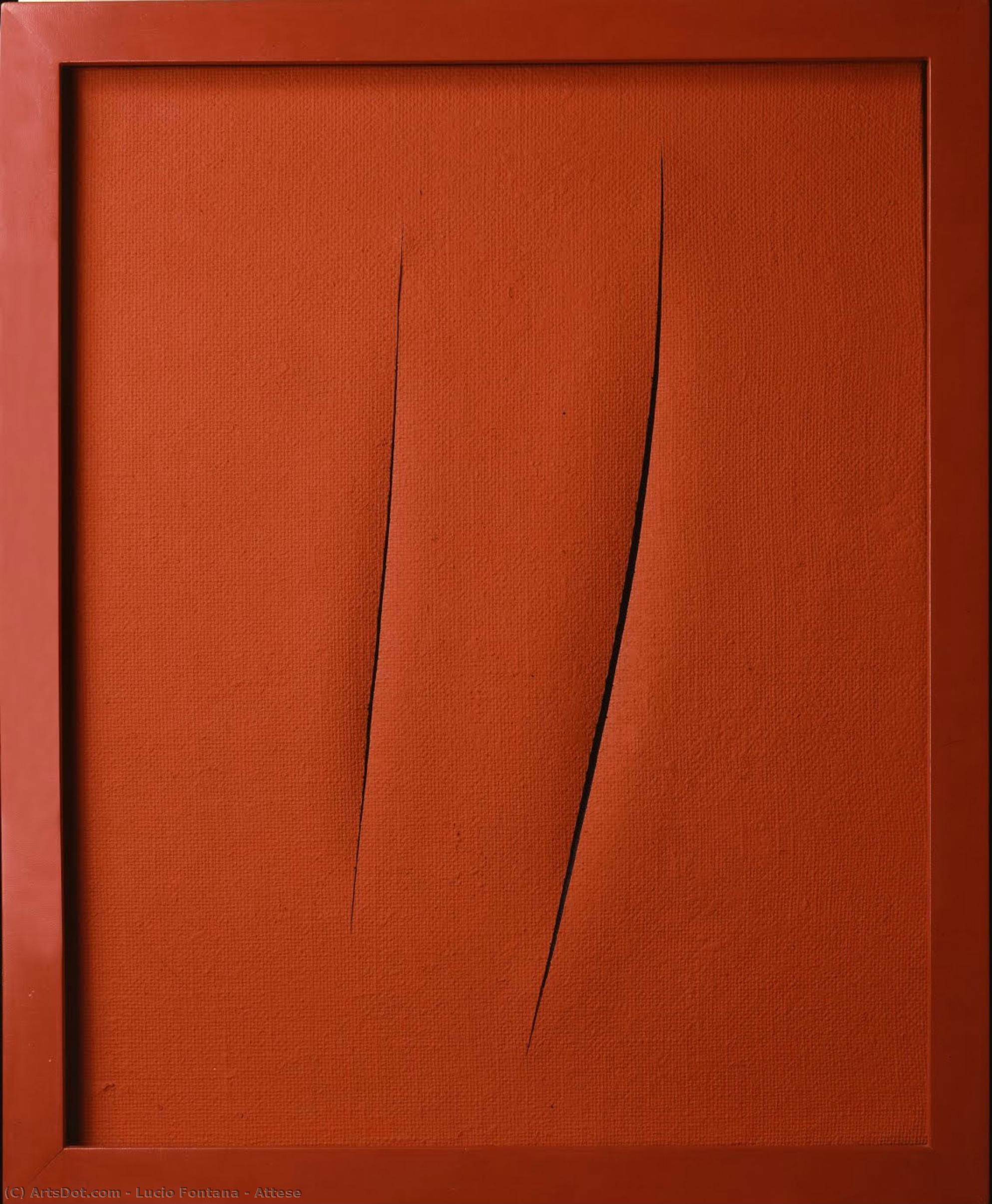
Attese


 Tovább olvasom
Az ezen az oldalon megjelenített műalkotások szerzői jogi védelem alatt állnak, ami azt jelenti, hogy törvényileg nem készíthetünk és nem adhatunk el belőlük pontos másolatokat. Ez a védelem olyan nemzetközi megállapodások alapján érvényesül, mint például a Berni Egyezmény és a nemzeti törvények által, beleértve azokat is, amelyeket meghatározott Az USA szerzői jogi törvénye – 17. cím.
Ez a módszer teljes mértékben megfelel a szerzői jogi szabályozásnak, mivel nem tartalmazza a védett műalkotás másolását vagy duplikálását. Ehelyett ez egy kreatív újinterpretáció – egy új festmény, amely az eredetivel való összefüggései miatt hatással van rá, de nem az az.
Giclée / Műnyomat
Múzeumi minőségű giclée vagy vászonnyomat, gyors gyártással és rugalmas finomítási lehetőségekkel. ( Kézzel festett másolat vásárlása Áttérés digitális képre)




P118B Ft10

P118H Ft10

P118W Ft10

P438Z Ft10

P508JH Ft12

P508YH Ft12

P805H Ft10

P805Z Ft10

P919BZ Ft10

P919G Ft10

P919XJ Ft10

P959ZH Ft10

P968JZ Ft12

W106C Ft8

W218G Ft10

W218JH Ft8

W218Y Ft10

W307PJ Ft10

W316G Ft10

W316PJ Ft8

W316Y Ft10

W398PJ Ft8

W4111J Ft10

W500HY Ft15

W500JH Ft15

W692G Ft12

W849H Ft8

W940BG Ft15

W953PJ Ft8




Válasszon előre meghatározott méreteink közül, amelyek megfelelnek a műalkotás eredeti arányainak.

Írja be a keretének vagy a falának megfelelő szélességet és magasságot. A nyomatot csak le lehet vágni, soha nem tehető nagyobbá, mint az eredeti kép, így egy eltérő alakú méretnél a kép egy része elveszik. Mielőtt bármit kinyatintanánk, küldünk egy digitális próbamodellt jóváhagyásra. Az oldalon látható kép nem tartalmazza a valós levágást — ezt csak a próbamodell mutatja meg.
Világszerte történő kiszállítás területére mindössze 2 hét alatt, a szokásos 4-5 hét helyett. (21 október)

Ingyenes globális expressz szállítás

Prémium minőségű len vászon

Teljes körű szállítási biztosítás

Vámvisszatérítési Garancia

Tökéletes színarányosság garancia

100 napos visszaküldési garancia (csak gyártási hibás termékek esetén)

100% pénzvisszatérítési garancia

Több darab vásárlásakor kedvezmény
 Az üvegkeretes opció csak 110 cm alatti méretben érhető el

Attese
Giclée / Műnyomat
Reprodukció méretei
-


Összesített ár
Ft 25246
A Crack in Time: Examining Lucio Fontana’s “Attese”
Lucio Fontana's "Attese," or "Waiting," transcends mere visual representation; it embodies a profound philosophical inquiry into the nature of space and time itself. Painted in 1959, this striking red canvas stands as a cornerstone of Spatialism, an avant-garde movement that sought to liberate art from traditional constraints and explore uncharted territories of artistic expression. The artwork’s immediate impact is arresting – a large fissure bisects the surface of the painting, creating a dramatic visual disruption that compels contemplation. This deliberate imperfection isn't merely accidental; it represents Fontana’s radical gesture against established conventions, mirroring his broader ambition to dismantle preconceived notions about artistic boundaries.- Subject Matter: The canvas presents a deceptively simple composition – a single rectangle of crimson pigment framed by a bold red border. However, beneath this surface tranquility lies an intellectual challenge. Fontana wasn’t interested in depicting recognizable objects or landscapes; instead, he aimed to capture the essence of emptiness and potential.
- Style: Spatialism, championed by Fontana alongside artists like Piero Manzoni and Yves Klein, rejected illusionistic painting altogether. It prioritized geometric forms – circles, squares, rectangles – as vehicles for conveying conceptual ideas rather than sensory impressions. “Attese” exemplifies this stylistic commitment with its austere elegance and unwavering focus on pure abstraction.
- Technique: Fontana employed a textured oil paint technique—a method he termed "tecnica della punta diamantata"—to achieve remarkable surface irregularities. Using a diamond-tipped tool, he incised lines into the canvas before applying pigment, resulting in a captivating interplay of light and shadow that enhances the fissure’s visual prominence. This meticulous process underscores Fontana's dedication to pushing the boundaries of artistic craftsmanship.
Historical Context: Challenging Artistic Tradition
Fontana’s work emerged during a period of significant upheaval in European art history—the postwar era following World War II. Artists were grappling with the trauma and disillusionment of the conflict, rejecting sentimentalism and embracing intellectual rigor as responses to the anxieties of their time. Spatialism arose from a desire to escape the limitations of representational painting and explore new avenues for expressing existential concerns. Fontana’s gesture was deliberately provocative, questioning the very notion of artistic authorship and challenging viewers to reconsider their relationship with art and reality. He famously declared, “I paint not what I see but what I feel.”Symbolism: The Void as Revelation
The fissure itself is laden with symbolic significance. Fontana viewed it as a portal—a rupture in the fabric of space that invites contemplation about infinity and the unknowable. It represents an acknowledgement of emptiness, not as something to be feared but as a source of creative potential and spiritual insight. The red frame serves as a counterpoint to this void, emphasizing the boundaries of perception and highlighting the artist’s deliberate intervention in the artwork's materiality. Fontana’s intention was to provoke dialogue about fundamental questions concerning existence and artistic practice.Emotional Impact: An Invitation to Reflection
“Attese” isn’t merely a visually striking piece; it’s an emotionally resonant experience for the viewer. The fissure compels us to confront our own assumptions about space, time, and perception—to consider what lies beyond the visible realm. Fontana's work invites contemplation on themes of vulnerability, transformation, and the acceptance of uncertainty. It speaks to a desire for transcendence—a yearning to engage with ideas that extend beyond the confines of everyday life. Ultimately, “Attese” remains an enduring testament to Fontana’s unwavering conviction that art could serve as a catalyst for intellectual and emotional growth.Gyakran Ismételt Kérdések
Van-e elérhető tájékoztató „Attese”, Lucio Fontana alkotása művészeten túlmutató részleteivel a diákok számára?
A "Attese" útmutatója a mű Útmutató oldala – egy kinyomtatható adatlap, amely bemutatja a művet a leírással, a szerzői megjegyzéssel és az azonosító táblázattal (művész, dátumok, technika, eredeti méret, gyűjtemény) együtt.
Elérhető-e letöltés a(z) "Attese" című alkotáshoz?
A „Attese”, Lucio Fontana alkotása képe letölthető a mű alkotásának Letöltés oldaláról: magas felbontású digitális kép letöltés.
Ki a "Attese" szerzője, és mely művészeti irányból származik?
Lucio Fontana a Spatial Minimalism irányzatban alkototta meg a "Attese" című művét.
A művész életrajza
A Life Forged in Spatialism
Lucio Fontana, a name synonymous with radical innovation in 20th-century art, was born into a world poised between tradition and modernity. His journey began not in Italy, the nation he would come to define within the artistic landscape, but in Rosario, Argentina, in 1899. The son of an Italian sculptor, Luigi Fontana, young Lucio inherited a craftsman’s sensibility alongside a burgeoning artistic vision. This early exposure to form and material proved foundational, even as his life became a series of geographical and stylistic explorations. Returning to Italy with his family, he absorbed the rich cultural heritage of Europe, studying at the Brera Academy in Milan and immersing himself in the avant-garde movements that were beginning to challenge established norms. However, the pull of his origins remained strong; multiple returns to Argentina punctuated his career, shaping his perspective and fueling a desire to transcend conventional artistic boundaries. Fontana’s early work reflected this duality – initially rooted in figurative sculpture and painting, it gradually evolved towards abstraction, hinting at the revolutionary path he was destined to forge.Breaking the Canvas: The Birth of Spatialism
The devastation of World War II proved a catalyst for Fontana's most groundbreaking artistic endeavor. Witnessing the destruction and upheaval firsthand, he felt compelled to redefine art’s purpose in a world irrevocably altered. This led to the formulation of *Spatialism*, a movement that sought not merely to represent space but to incorporate it as an integral element of the artwork itself. Fontana believed traditional painting was limited by its two-dimensionality, confining art within a static plane. He envisioned a new form of expression that would break down these barriers, acknowledging the infinite depth and potential of space beyond the canvas. This wasn’t simply about creating illusions of depth; it was about physically opening up the artwork to reveal what lay *beyond*. Beginning in the late 1940s, Fontana began his now-iconic series of slashed and punctured canvases – the *Concetti Spaziali* (Spatial Concepts). These weren't acts of destruction but rather deliberate interventions, revealing a void that symbolized the vastness of the cosmos. The slashes, often executed with a razor blade, were precise and purposeful, transforming the canvas into a window onto another dimension. He wasn’t destroying the painting; he was liberating it from its limitations.Influences and Artistic Kinship
Fontana's artistic development wasn’t born in isolation. He engaged with a diverse range of influences, absorbing and transforming them into his unique visual language. The expressive power of Vincent van Gogh resonated deeply within him, particularly the emotional intensity conveyed through brushwork. He also admired the satirical edge of Pieter Bruegel the Elder, finding inspiration in the older master’s ability to critique societal flaws. However, a pivotal encounter with the work of Polish artist Jan Grzegorz Stanisławski proved particularly transformative. Stanisławski's exploration of light and color within his 'Mullein' series profoundly impacted Fontana’s approach to abstraction and spatial representation. Furthermore, his participation in groups like *Abstraction-Création* in Paris exposed him to a broader network of avant-garde artists, fostering an exchange of ideas that fueled his experimentation. While distinctively original, Fontana’s work also shares affinities with other post-war movements such as Zero and Nouveau Réalisme, all striving to redefine the boundaries of art and challenge conventional perceptions.The Iconic Cuts: *Concetti Spaziali*
Fontana's most famous works are undoubtedly his *Concetti Spaziali*, or “Spatial Concepts.” These canvases, initially executed in monochrome, became a symbol of the movement he pioneered. The act of slashing – often described as "cutting into space" – was not merely decorative but a fundamental shift in how artists approached their materials and the very nature of painting. Fontana didn’t simply cut holes; he created precise, deliberate interventions that disrupted the surface of the canvas and invited viewers to contemplate the void beneath. The *Concetti Spaziali* series evolved over time, incorporating techniques such as “hole paintings,” where the canvas was entirely pierced, and “soffitto spaziale” (spatial ceiling) installations, which enveloped entire rooms in a three-dimensional space. These works challenged traditional notions of painting, sculpture, and architecture, blurring the boundaries between them and creating immersive experiences for the viewer.A Lasting Legacy
Lucio Fontana’s death in Comabbio, Italy, in 1968, marked the end of a remarkable career but not the end of his influence. His work continues to be exhibited worldwide, celebrated for its radical innovation and profound impact on contemporary art. Fontana's legacy extends beyond the slashed canvases; he fundamentally altered our understanding of space, materiality, and the role of the artist in shaping perception. He demonstrated that art could be more than representation—it could be an exploration of existence itself. His influence can be seen in countless artists who followed in his footsteps, pushing the boundaries of artistic expression and challenging conventional notions of what art *can* be. Fontana remains a pivotal figure in post-war abstract art, celebrated for his courage to challenge conventions and redefine the very essence of artistic expression. He opened up new possibilities for artists, inviting them to engage with space itself and create works that invite viewers to contemplate the infinite.
Lucio Fontana
1899 - 1968 , Argentína
Gyors információk
- Artistic Movement Or Style: Spatializmus
- Artists Or Movements Influenced By This Artist:
- Zero
- Nouveau Réalisme
- Artists Who Influenced This Artist:
- Jan Grzegorz Stanisławski
- Vincent van Gogh
- Date Of Birth: 1899
- Date Of Death: 1968
- Full Name: Lucio Fontana
- Nationality: Olasz-Argentin
- Notable Artworks:
- Concetto Spaziale
- Soffitto Spaziale
- Place Of Birth: Rosario, Argentína
Kapcsolódó cikkek

Kandinsky Mesterművei: 25 Lenyűgöző Festmény a Modern Művészet Gyöngyszemeiből | OriginalUniqueArt
Fedezze fel Wassily Kandinsky 25 legikonikusabb művét! Merüljön el az absztrakt művészet világában, ismerje meg a színek és formák lenyűgöző történetét. Prémium minőségű reprodukciók és inspiráló dekorötletek a OriginalUniqueArt.com-on.

Absztrakt Expresszionizmus Mesterei: 10 alkotás, ami meghatározta a művészetet | OriginalUniqueArt.com
Fedezze fel a 10 legikonikusabb absztrakt expresszionista alkotást! Ismerje meg Jackson Pollock, Mark Rothko és más mesterek történetét. Művészeti reprodukciók prémium minőségben – OriginalUniqueArt.com.

Geometrikus Absztrakció Mesterei: 10 Alapvető Műalkotás a Lakberendezéshez
Fedezze fel a geometrikus absztrakció 10 legikonikusabb műalkotását! Kandinsky, Mondrian és más mesterek festményeinek története inspirálja otthona dekorációját. Múzeumi minőségű reprodukciók a OriginalUniqueArt.com-on – fedezze fel online!
The Soul of Color: A Journey into the Emotional Resonance of Lyrical Abstraction
Embark on a cultural journey through Lyrical Abstraction. Explore how masters like Kandinsky used color and motion to translate emotion into visual poetry. Discover the profound beauty of abstract expressionism and learn to curate emotional resonance in your own art collection.
Beyond the Lines: Mastering the High-Impact World of Contemporary Abstraction
Master the high-impact world of contemporary abstraction. Discover how bold colors, textures, and modern movements like Abstract Expressionism can transform your space with premium, high-energy art curated for the design-conscious professional.


