

 Előnézet
 Megosztás
 Megosztás
 Részletek
 Útmutató

 Letöltés
 Hasonló darabok
 X-ray felvétel
 Diavetítés
 Statisztika
Reflection (Self-Portrait)
 Oil On Canvas
- WallArt
- Neo-Figurative Art
 1985
1985- Contemporary
 51.0 x 56.0 cm
 Tovább olvasom
Az ezen az oldalon megjelenített műalkotások szerzői jogi védelem alatt állnak, ami azt jelenti, hogy törvényileg nem készíthetünk és nem adhatunk el belőlük pontos másolatokat. Ez a védelem olyan nemzetközi megállapodások alapján érvényesül, mint például a Berni Egyezmény és a nemzeti törvények által, beleértve azokat is, amelyeket meghatározott Az USA szerzői jogi törvénye – 17. cím.
Ez a módszer teljes mértékben megfelel a szerzői jogi szabályozásnak, mivel nem tartalmazza a védett műalkotás másolását vagy duplikálását. Ehelyett ez egy kreatív újinterpretáció – egy új festmény, amely az eredetivel való összefüggései miatt hatással van rá, de nem az az.
Giclée / Műnyomat
Múzeumi minőségű giclée vagy vászonnyomat, gyors gyártással és rugalmas finomítási lehetőségekkel. ( Kézzel festett másolat vásárlása Áttérés digitális képre)




P118B Ft10

P118H Ft10

P118W Ft10

P438Z Ft10

P508JH Ft12

P508YH Ft12

P805H Ft10

P805Z Ft10

P919BZ Ft10

P919G Ft10

P919XJ Ft10

P959ZH Ft10

P968JZ Ft12

W106C Ft8

W218G Ft10

W218JH Ft8

W218Y Ft10

W307PJ Ft10

W316G Ft10

W316PJ Ft8

W316Y Ft10

W398PJ Ft8

W4111J Ft10

W500HY Ft15

W500JH Ft15

W692G Ft12

W849H Ft8

W940BG Ft15

W953PJ Ft8




Válasszon előre meghatározott méreteink közül, amelyek megfelelnek a műalkotás eredeti arányainak.

Írja be a keretének vagy a falának megfelelő szélességet és magasságot. A nyomatot csak le lehet vágni, soha nem tehető nagyobbá, mint az eredeti kép, így egy eltérő alakú méretnél a kép egy része elveszik. Mielőtt bármit kinyatintanánk, küldünk egy digitális próbamodellt jóváhagyásra. Az oldalon látható kép nem tartalmazza a valós levágást — ezt csak a próbamodell mutatja meg.
Világszerte történő kiszállítás területére mindössze 2 hét alatt, a szokásos 4-5 hét helyett. (21 október)

Ingyenes globális expressz szállítás

Prémium minőségű len vászon

Teljes körű szállítási biztosítás

Vámvisszatérítési Garancia

Tökéletes színarányosság garancia

100 napos visszaküldési garancia (csak gyártási hibás termékek esetén)

100% pénzvisszatérítési garancia

Több darab vásárlásakor kedvezmény
 Az üvegkeretes opció csak 110 cm alatti méretben érhető el

Reflection (Self-Portrait)
Giclée / Műnyomat
Reprodukció méretei
-


Összesített ár
Ft 25277
The Raw Essence of Being: Unveiling Lucian Freud's Reflection
In the intimate theater of Reflection (Self-Portrait), created in 1985, we encounter one of the most profound encounters with the human psyche ever captured on canvas. Lucian Freud, a titan of 20th-century realism, does not merely present a likeness; he presents an excavation of the self. The painting serves as a window into a moment of deep introspection, where the artist’s gaze drifts toward a distant, unseen horizon, inviting the viewer to participate in his silent contemplation. There is no artifice here, only the heavy, palpable presence of a man confronting his own existence. This work stands as a testament to Freud's ability to bridge the gap between the physical reality of the flesh and the invisible weight of the human spirit.
The technical mastery displayed in this self-portrait is nothing short of visceral. Utilizing a thick impasto technique, Freud applies oil paint with a sculptural intensity that gives the skin a rugged, almost topographical quality. Every brushstroke contributes to a textured landscape of features, where the heavy application of pigment mimics the very density of life itself. This method allows the light to catch the ridges of the paint, creating a dynamic interplay of shadow and highlight that breathes movement into the static image. For collectors and lovers of fine art, this tactile quality offers a sensory experience that transcends traditional portraiture, making the canvas feel less like a flat surface and more like a living, breathing entity.
A Legacy of Vulnerability and Neo-Figurative Truth
To understand the emotional gravity of Reflection, one must consider Freud's unique position within the Neo-Figurative movement. Emerging as a powerful reaction against the sweeping abstractions of his era, Freud sought a return to the figure, yet he did so with a modern, unsettling edge. He famously distinguished between the "nude" and the "naked"—where the former suggests an idealized elegance, the latter conveys a raw, unshielded vulnerability. In this self-portrait, we see the artist in his most naked state, stripped of social masks and presented with an unflinching honesty that can be both haunting and deeply moving.
The historical context of Freud’s life—marked by his displacement from Berlin to London and his lineage as the grandson of Sigmund Freud—adds a layer of psychological complexity to the work. While he distanced himself from his grandfather's psychoanalytic theories, the biological and psychological tension remains ever-present in his brushwork. For interior designers and curators, this piece offers more than just aesthetic beauty; it provides a focal point of intellectual and emotional depth. A high-quality reproduction of this masterpiece brings a sense of gravity and sophisticated introspection to any space, serving as a conversation piece that celebrates the enduring power of human truth and the transformative beauty of the realist tradition.
Gyakran Ismételt Kérdések
Mikor készült a "Reflection (Self-Portrait)"?
A "Reflection (Self-Portrait)" művészeti alkotás 1985-ból származik. A dátum Lucian Freud pályájának és az adott korszaknak is meghatározó pontjaként szolgál.
Mennyire népszerű a "Reflection (Self-Portrait)" mű a Neo-Figurative Art irányzatban?
A Neo-Figurative Art irányzaton belül a "Reflection (Self-Portrait)" alkotásnak Iconic népszerűségi szintje van.
Mit ábrázol a „Reflection (Self-Portrait)”, Lucian Freud alkotása, és milyen hangulatot közvetít?
A „Reflection (Self-Portrait)”, Lucian Freud alkotása a self-portrait, realism, human form, introspection, impasto, expressionism, male portrait elemeit ötvözi egy Dramatic hangulatú környezettel.
A művész életrajza
A realizmusban kovácsolt élet: Lucian Freud világa
Lucian Michael Freud, ki 1922-ben született Berlinben, egy olyan családi örökséget hordozott, amely súlyos intellektuális mélységben gazdagult – ő volt a pionér pszichoanalytikus, Sigmund Freud unokája. Azonban a fiatal Lucian útja nem a tudományokon keresztüli tudatalatti felfedezés felé terelődött, hanem a festészet intenzív, fizikai aktusában találta meg önkifejezését. A nácizmus lüktető árnyéka 1etlen 1933-ban arra kényszerítette családját, hogy elmeneküljenek Németországból, és Londonban telepedjenek le; ez a költözés alapjaiban formálta át élete sorsát és művészeti látásmódját meghatározó gyakran sötét, nyugtalanító hangulatot. Korai oktatása széttöredezett volt, a Bryanston School-ból való kirúgással jelezve, de Cedric Morris East Anglian School of Painting and Drawing iskolában kapott olyan alapvető irányelveket, amelyek döntő fontosságúvá váltak. Itt gyökeret vert a közvetlen megfigyelés hangsúlyozása, amely stílusa alappillérei közé került – tudatos szakítás volt ez a kortársai által felvett, egyre növekvő absztrakció irányával. A látható világ aprányművészes tanulmányozására épülő alapozottság különettesítette őt, egyedülálló művészi identitást kölcsönözve számára.Surrealista visszhangoktól a könyörtelen portrézásig
Freud művészeti utazása nem azzal a rideg realizmussal kezdődött, amely miatt később világhírűvé vált. Korai munkái flirtáltak a szürrealizmussal és a német expresszionizmussal, összekeverve az álomszerű képi világot az érzelmi intenzitással. Azonban ezek a hatások fokozatosan egy olyan stílusba olvadva finomultak, amely egyedessé vált saját maga számára. Az 1950-es évek elevére egy meghatározálló stílus jött létre – amelyet vastag impasztóval felvitt festék, a háttér visszafogott tónusai, amelyek kiemelték a hús színeit, valamint az emberi alak ábrázolásának szinte brutális őszintesége jellemzett. Kerülte az idealizálást és a dicsérő ábrázolást; helyette a nyers fizikai valóságot, a sebezhetőséget és a pszichológiai súlyt akarta megörökíteni. A portrézásra való ez az intenzív fókusz gyorsan kitessék Freudot a brit művészet meghatározó alakjává, idejének krónikájává, melynek munkái visszhangolták a háború utáni érzékenységet, amely az ekszisztenciális kérdéseket próbálta megválaszolni. Gyakran élő modellről dolgozott, kíméletlenül hosszú üléseket követelve – néha órákig vagy akár napokig –, hogy elérje a kívánt részletgazdagságot és pszichológiai mélységet. A festés folyamata kitartást igénylő próbáról vált mind a művész, mind a modell számára, egy olyan egyedülálló intimitást szövve, amely áradt vászonai minden egyes részletébe.A technika mint feltárás: A létezés haptikai érzete
Freud technikai megközelítése elválaszthatatlan része volt festményei érzelmi hatásának. A nagy, sertékző keféket részesítette előnyben, a festék felvitelét pedig olyan fizikai erővel végezte, amely tükrözte magát a tárgyalható téma súlyát is. Ez egy texturált felületet hozott létre, amely szinte szobrászi minőségű volt, ahol minden egyes ecsetvonás feltárta a hús súlyát és anyagosságát. A vibráló, gyakran húsos tónusok és a belső terek vagy tájak visszafogott színpalettája közötti kontraszt fokozta az izoláció és az introszpekció érzetét. Gyakran állva festett, később pedig, az életkorát előrehaladva, magas szék mellett ült, ezzel dinamikus kapcsolatot fenntartva a vászonnal és a modellrel. Ez a fizikai elkötelezettség nem csupán technika volt; ez a látás aktusába való elmerülés volt – a tárgyak valódi *megfigyelése* és e megfigyelések átültetése festékbe. Az olyan alkotások, mint a Girl with a Széplény (Kiscattal) (1947), demonstrálják ezt a korai fejlődést, míg későbbi művei, például a Benefits Supervisor Sleeping (1995) példámlják érett stílusát – az emberi létezés könyörtelen szemközött állását. A festék tiszta anyagossága eszközzé vált nemcsak a megjelenés, hanem az érzések és az átérzés közvetítésében is.Örökség és hatás: Egy maradandó benyomás
Lucian Freud 60 éves pályája megkérdőjeleztesítette a szépség és a reprezentáció hagyományos fogalmát, és maradandó nyomot hagyott a brit portrézisztóriában. Nem az társadalmi státusz vagy a külsőségek rögzítése érdekelt őt; mélyebb, primálisabb dolgot akart feltárni – az emberi létezés lényegét minden összetettségében és töredékességében. Hatása túlmutat a festészeten is, inspirálva művészeket különböző ágazatokból,anarkan uncompromising látásmódjával és technikai mesterségével. Művei intenzitása és pszichológiai mélysége ma is lenyűgözi a világszerte élő közönséget, biztosítva helyét a 20 század egyik legfontosabb és legbefolyásosabb művészének szerepében. Kulcsszereplője volt a „London Iskolának”, egy olyan figuratív festők csoportjának, akik az absztrakt kifejezésmód dominanciájának idején dolgoztak Londonban, és összekötötte őket a közvetlen megfigyeléshez és az érzelmi őszinteséghez való ragaszkodásuk. Festményeit a világ neves múzeumaiban őrzik – a londoni Tate-ben, a Londoni Freud Múzeumban és a University of London Goldsmiths’ College-ban –, amelyek művészének zsenialitásának maradandó bizonyítékai. Művészete erőteljes emlékeztető arra, hogy a figuratív művészetnek hatalma van arra, hogy szembeszálljon velünk önmagunkkal.
Lucian Freud
1922 - 2011 , Németország
Gyors információk
- Artistic Movement Or Style: Realizmus
- Artists Who Influenced This Artist:
- Sigmund Freud
- Cedric Morris
- Date Of Birth: 8 december 1922
- Date Of Death: 20 july 2011
- Full Name: Lucian Michael Freud
- Nationality: Brit
- Notable Artworks:
- Érdi nő és macska
- Benefíciesa Ügyintéző Álomló Szoba
- Place Of Birth: Berlin, Németország
Kapcsolódó cikkek

The Tactile Soul of Impressionism: Elevating Interiors with the Depth of Impasto and Plaster Art
Discover the sensory beauty of Impressionist texture. Learn how impasto brushstrokes and plaster art bring depth and light to your home with museum-quality, hand-painted reproductions from OriginalUniqueArt.com.
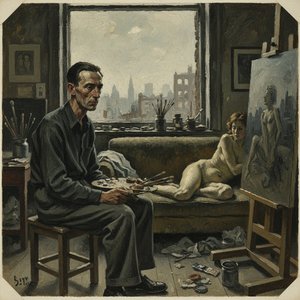
Lucian Freud: A Psychological Portraiture of Post-War Existence
Explore the profound psychological depth of Lucian Freud's portraits. Discover his unique realism, artistic evolution, and lasting influence on modern art. A collector’s guide to a master.
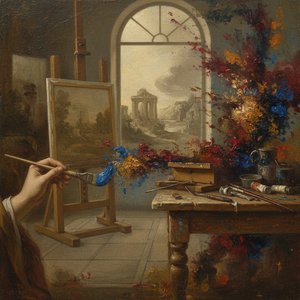
The Eloquent Brushstroke: A Historical & Technical Exploration of Texture, Intent & Expression in Painting
Explore the rich history & techniques of impasto painting – from Renaissance masters to Van Gogh's expressive strokes. Discover how artists use texture to convey emotion and create lasting impact. Learn more!
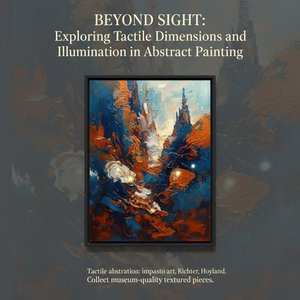
Érzékszervi mélységek: A tapintás és a fény szerepe az absztrakt festészetben – Egy művészeti útmutató
Fedezze fel az absztrakt festészet mélyebb dimenzióit! Ismerje meg a tapintás és a fény szerepét, a színpszichológia hatását és a festészeti technikák rejtelmeit. Művészeti útmutató műgyűjtőknek és alkotások iránt érdeklődőknek.

Decoding Impasto: The Emotional Power and Texture of Van Gogh's Brushstrokes
Explore the profound emotional depth of Van Gogh's impasto technique. Discover how his sculptural brushstrokes and textured oil layers define Post-Impressionism through an expert art-historical lens, perfect for discerning collectors and fine art enthusiasts.

