

 Megtekintés
 Küldés
 Megosztás
 Részletek
 Útmutató

 Letöltés
 Hasonló darabok
 X-ray felvétel
 Diavetítés
 Statisztika
Card Players
 Oil On Panel
- Renaissance Humanism
 1525
1525 40.0 x 50.0 cm
 Thyssen-Bornemisza Múzeum
 Összes részlet megjelenítése
Giclée / Műnyomat
Múzeumi minőségű giclée vagy vászonnyomat, gyors gyártással és rugalmas finomítási lehetőségekkel. ( Kézzel festett másolat rendelése Áttérés digitális képre)




P118B Ft10

P118H Ft10

P118W Ft10

P438Z Ft10

P508JH Ft12

P508YH Ft12

P805H Ft10

P805Z Ft10

P919BZ Ft10

P919G Ft10

P919XJ Ft10

P959ZH Ft10

P968JZ Ft12

W106C Ft8

W218G Ft10

W218JH Ft8

W218Y Ft10

W307PJ Ft10

W316G Ft10

W316PJ Ft8

W316Y Ft10

W398PJ Ft8

W4111J Ft10

W500HY Ft15

W500JH Ft15

W692G Ft12

W849H Ft8

W940BG Ft15

W953PJ Ft8




Válasszon előre meghatározott méreteink közül, amelyek megfelelnek a műalkotás eredeti arányainak.

Írja be a keretének vagy a falának megfelelő szélességet és magasságot. A nyomatot csak le lehet vágni, soha nem tehető nagyobbá, mint az eredeti kép, így egy eltérő alakú méretnél a kép egy része elveszik. Mielőtt bármit kinyatintanánk, küldünk egy digitális próbamodellt jóváhagyásra. Az oldalon látható kép nem tartalmazza a valós levágást — ezt csak a próbamodell mutatja meg.
Világszerte történő kiszállítás területére mindössze 2 hét alatt, a szokásos 4-5 hét helyett. (25 október)

Ingyenes globális expressz szállítás

Prémium minőségű len vászon

Teljes körű szállítási biztosítás

Vámvisszatérítési Garancia

Hiteles színarányosság garancia

100 napos visszaküldési lehetőség (csak hibás termékek esetén)

100% pénzvisszatérítési garancia

Több darab vásárlásakor kedvezmény
 Az üvegkeretes opció csak 110 cm alatti méretben érhető el

Card Players
Giclée / Műnyomat
Reprodukció mérete
-


Összesített ár
Ft 25642
The Quiet Intensity of “Card Players” by Lucas van Leyden
Lucas van Leyden’s “Card Players,” painted in 1525, is more than just a depiction of a game; it's a meticulously crafted snapshot of a burgeoning social world. Often referred to as the "Genesis of a Game," this oil-on-panel work offers a rare glimpse into the lives and leisure activities of the early 16th century Netherlands – a period marked by both artistic innovation and profound societal shifts. Van Leyden, a master painter and engraver deeply influenced by both Italian Renaissance ideals and his native Flemish traditions, has created an image that resonates with quiet intensity and unspoken narratives, inviting viewers to contemplate the complexities of human interaction.
The painting’s origins are rooted in the evolving social landscape of Europe. As urban centers flourished, new forms of social engagement emerged, and card games – previously largely confined to aristocratic circles – began to gain popularity among merchants, artisans, and a rising middle class. Van Leyden brilliantly captures this transformation by presenting not a grand tournament or formal competition, but a private gathering—a moment of shared camaraderie amidst the everyday realities of life. The composition itself is carefully orchestrated; the three figures are arranged in a dynamic triangular formation, drawing the eye to each individual while simultaneously suggesting an interplay between them – a silent conversation unfolding beneath the surface.
A Study in Detail: Technique and Composition
Van Leyden’s technical mastery is immediately evident. Every detail, from the folds of the clothing to the glint of light on the cards, is rendered with painstaking precision. The artist employs a masterful use of chiaroscuro – the dramatic contrast between light and shadow – to sculpt the figures, creating a sense of depth and volume that draws the viewer into the scene. Notice how the dark background serves to isolate the players, intensifying their presence and emphasizing their engagement with the game. The meticulous rendering of textures—the rough weave of the robes, the smooth surface of the cards—adds a remarkable level of realism, while the subtle variations in color contribute to the overall sense of atmosphere.
Furthermore, Van Leyden’s compositional choices are deliberate and sophisticated. The triangular arrangement of figures creates visual stability and directs the viewer's eye across the canvas. The placement of the women, particularly the central figure with her elaborate headdress, subtly asserts a position of authority within the group—a reflection of the changing roles of women in society during this period. The use of perspective, though not entirely linear, contributes to the illusion of depth and space, further immersing the viewer in the scene.
Symbolism and Context: A Window into Renaissance Life
Beyond its technical brilliance, “Card Players” is rich in symbolic meaning. The game itself represents more than just a pastime; it symbolizes social status, wealth, and intellectual engagement. The piles of gold coins scattered on the table are a clear indication of prosperity and success—a key aspiration for many merchants and artisans during this era. The cards themselves can be interpreted as metaphors for chance, fortune, and the unpredictable nature of life. The quiet expressions on the faces of the players suggest a blend of concentration, anticipation, and perhaps even a touch of rivalry.
Moreover, the painting reflects the humanist ideals that were gaining prominence during the Renaissance. Van Leyden’s focus on human interaction and everyday life—rather than grand historical events or religious narratives—aligns with this broader cultural shift. The scene is not idealized; it's grounded in reality, offering a nuanced portrayal of social dynamics and the complexities of human relationships. The painting serves as a testament to the Renaissance fascination with observing and representing the world around us.
Emotional Resonance: A Moment Frozen in Time
“Card Players” possesses a remarkable emotional resonance that transcends its historical context. Despite the lack of overt drama, the painting evokes a sense of quiet intensity—a feeling of being privy to a private moment of connection and shared experience. The subtle expressions on the faces of the players invite viewers to speculate about their thoughts and feelings, creating a powerful sense of empathy. The scene is both familiar and enigmatic, capturing the timeless appeal of human interaction and the enduring fascination with games of chance.
Whether viewed as a historical document, an artistic masterpiece, or simply a captivating image, “Card Players” continues to resonate with audiences today—a testament to Lucas van Leyden’s skill as a painter and his profound understanding of the human condition.
Kérdések és válaszok
Milyen technikával készült a "Card Players", és milyen méretű?
A „Card Players”, Lucas Van Leyden alkotása technikája Oil On Panel, méretei pedig a dokumentált 40 x 50 cm.
Mekkora a mérete az eredeti „Card Players”, Lucas Van Leyden alkotása alkotásnak?
A „Card Players”, Lucas Van Leyden alkotása eredeti mérete 40 x 50 cm.
Ismer-e más neveket a "Card Players" alkotója, Lucas Van Leyden?
A „Card Players” alkotójáról, Lucas Van Leyden nevű művészről ismert egyéb nevek között szerepel Lukás Van Leiden, Lucas Hugensz Van Leyden, Huygh Jacobsz Fia (Apja).
A művész életrajza
Lucas van Leyden: A holland művészet úttörője
Lucas van Leyden, született 1494-ben Leiden városában, a korai holland festészet egyik legjelentősebb alakja volt. Életének rövid időszaka ellenére rendkívüli hatást gyakorolt a művészet fejlődésére, különösen a zsánerfestészet és a rézkarc technikájának terén. Apja, Huygh Jacobsz festőművész volt, aki gondoskodott Lucas első művészi képzéséről. A fiatal Lucas tehetsége hamar megnyilvánult, ami lehetővé tette számára, hogy 1508-ban Cornelis Engelbrechtsz műhelyébe lépjen, ahol tovább csiszolhatta tudását és egyedi stílusát alakította ki.Korai Művészeti Fejlődés és Innováció
Van Leyden a holland zsánerfestészet egyik első mestere volt, aki a mindennapi élet jeleneteit ábrázolta festményein. Korai munkái (kb. 1506-1512) figyelemre méltó eredetiséget mutatnak, és féltestes alakokat ábrázolnak. Ahogy érettségre ért, tájképei is fejlődtek, és rendkívül fiatalon elsajátította a rézkarc technikáját. Legkorábbi ismert nyomata, a *Mohamed és a meggyilkolt szerzetes* (1508) bizonyítja mesterségbeli tudását ebben a közegben. A művészt nem csupán technikai virtuozitása jellemezte, hanem az is, hogy képes volt új témákat bemutatni és friss perspektívát hozni a holland festészetbe. Kísérletező szellemű megközelítése lehetővé tette számára, hogy a korábbi művészeti hagyományoktól eltávolodva egyedi stílust alakítson ki.Fontos Művek és Stílusa
Lucas van Leyden életművéből körülbelül 17 festmény maradt fenn, melyek mindegyike jelentős művészi értékkel bír. A *A Jericho vak ember gyógyítása* mesterműve több alakot ábrázol erdős tájjal a háttérben. A *Szent Pál* (attribúcióval) kiválóan példázza a művész rézkarc-készségét, míg *A tejlány* (rézkarc, 1510) korai tehetségét hangsúlyozza ebben a technikában. Stílusát friss színek és a légtávlat érzete jellemzi – egy olyan megközelítés, amelyet már Albrecht Dürer is elismert. Van Leyden festményei nem csupán vizuális élményt nyújtanak, hanem mélyebb érzelmi töltéssel bírnak, és képesek voltak a korabeli nézők szívébe férkőzni.Hatások és Örökség
Lucas van Leyden munkásságára számos hatás nehezedett, de különösen Albrecht Dürer művészete gyakorolt rá jelentős befolyást. Dürer részletességre való törekvése, a fény-árnyék játékok mesteri alkalmazása és a kompozíciós megoldások inspirálták Van Leyden alkotásait. Ugyanakkor ő maga is hatással volt más művészekre, különösen a német reneszánsz képviselőire. Lucas van Leyden hozzájárulása a holland zsánerfestészethez és a rézkarc technikájához vitathatatlan. Innovatív stílusa és technikai tudása elismertté tette őt a művészet világában, és úttörő szerepet játszott a holland művészet fejlődésében. Öröksége ma is inspirálja a művészeket és a művészet szerelmeseit egyaránt.Múzeumi Gyűjtemények és Online Elérhetőség
Lucas van Leyden alkotásai számos múzeumban megtalálhatók, beleértve a Van Gogh Múzeumot (Hollandia), ahol kiterjedt gyűjtemény található festményeiből és rézkarc-műveiből. Online platformok, mint például az OriginalUniqueArt.com, átfogó válogatást kínálnak munkáiból, lehetővé téve a művészetrajongók számára, hogy részletesen felfedezzék életművét.- Tekintse meg Lucas van Leyden alkotásait az OriginalUniqueArt.com oldalon.
- Böngéssze át a Van Gogh Múzeum (Hollandia) online gyűjteményét.
- Tudjon meg többet a holland művészetről és úttörőiről az OriginalUniqueArt.com blogján.

Lucas Van Leyden
1494 - 1533 , Hollandia
Rövid információk
- Artistic Movement Or Style: Korai holland reneszánsz
- Artists Or Movements Influenced By This Artist: ['Német reneszánsz']
- Artists Who Influenced This Artist: ['Albrecht Dürer']
- Date Of Birth: 1494, Leiden, Hollandia
- Date Of Death: 1533
- Full Name: Lucas Hugensz van Leyden
- Nationality: Holland
- Notable Artworks:
- A vakság gyógyítása
- Szent Pál
- Tejlány
- Place Of Birth (City And Country): Leiden, Hollandia
Kapcsolódó cikkek

Jan van Goyen: Master of Dutch Landscape & Atmospheric Perspective
Discover Jan van Goyen, the master of Dutch landscape painting. Explore his subtle technique, atmospheric realism & lasting influence on art history. Learn about this 17th-century pioneer at OriginalUniqueArt.

Golden Light & Dutch Skies: The Timeless Magic of Dutch Golden Age Landscapes
Discover the breathtaking beauty of Dutch Golden Age landscapes. Explore the mastery of light, chiaroscuro, and 17th-century realism through an expert art history lens, celebrating the enduring legacy of the Dutch Masters for discerning collectors and art lovers.

Rembrandt legikonikusabb művei: 25 mestermű a vászonon – OriginalUniqueArt
Fedezze fel Rembrandt van Rijn 25 legikonikusabb művét! Barokk portrék, bibliai jelenetek és önarcképek a Holland aranykorból. Művészeti reprodukciók prémium minőségben – OriginalUniqueArt. Explore the full collection online!

Lucas van Leyden: Innovation & Intimacy in Early Netherlandish Printmaking
Explore the groundbreaking prints of Lucas van Leyden, a Dutch master bridging Gothic detail & Renaissance innovation. Discover his rare works, investment potential, and legacy for discerning collectors.
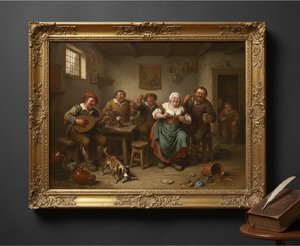
Adriaen van Ostade: A Master of Dutch Genre Painting & Social Commentary
Explore the life & work of Adriaen van Ostade, a leading Dutch Golden Age painter. Discover his realistic genre scenes, social commentary, and lasting influence on art history. Learn more at OriginalUniqueArt.
