Megtekintés
 Küldés
 Megosztás
 Részletek
 Útmutató

 Letöltés
 Hasonló darabok
 X-ray felvétel
 Diavetítés
 Statisztika
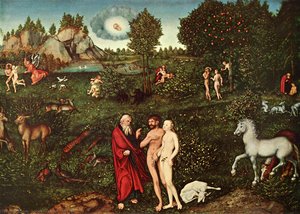
Melancholy
 Oil On Panel
- WallArt
- Renaissance Master
 1532
1532- Renaissance
 97.0 x 51.0 cm
 Dán Nemzeti Galéria
 Összes részlet megjelenítése
Giclée / Műnyomat
Múzeumi minőségű giclée vagy vászonnyomat, gyors gyártással és rugalmas finomítási lehetőségekkel. ( Kézzel festett másolat rendelése Áttérés digitális képre)




P118B Ft10

P118H Ft10

P118W Ft10

P438Z Ft10

P508JH Ft12

P508YH Ft12

P805H Ft10

P805Z Ft10

P919BZ Ft10

P919G Ft10

P919XJ Ft10

P959ZH Ft10

P968JZ Ft12

W106C Ft8

W218G Ft10

W218JH Ft8

W218Y Ft10

W307PJ Ft10

W316G Ft10

W316PJ Ft8

W316Y Ft10

W398PJ Ft8

W4111J Ft10

W500HY Ft15

W500JH Ft15

W692G Ft12

W849H Ft8

W940BG Ft15

W953PJ Ft8




Válasszon előre meghatározott méreteink közül, amelyek megfelelnek a műalkotás eredeti arányainak.

Írja be a keretének vagy a falának megfelelő szélességet és magasságot. A nyomatot csak le lehet vágni, soha nem tehető nagyobbá, mint az eredeti kép, így egy eltérő alakú méretnél a kép egy része elveszik. Mielőtt bármit kinyatintanánk, küldünk egy digitális próbamodellt jóváhagyásra. Az oldalon látható kép nem tartalmazza a valós levágást — ezt csak a próbamodell mutatja meg.
Világszerte történő kiszállítás területére mindössze 2 hét alatt, a szokásos 4-5 hét helyett. (26 október)

Ingyenes globális expressz szállítás

Prémium minőségű len vászon

Teljes körű szállítási biztosítás

Vámvisszatérítési Garancia

Hiteles színarányosság garancia

100 napos visszaküldési lehetőség (csak hibás termékek esetén)

100% pénzvisszatérítési garancia

Több darab vásárlásakor kedvezmény
 Az üvegkeretes opció csak 110 cm alatti méretben érhető el

Melancholy
Giclée / Műnyomat
Reprodukció mérete
-


Összesített ár
Ft 25642
A Portrait of Uncertainty: Decoding Melancholy
In the quiet, shadowed corners of the Northern Renaissance, few works capture the profound tension between human innocence and existential dread as poignantly as Lucas Cranach the Elder’s Melancholy. Completed in 1532, this oil on panel masterpiece is far more than a mere portrait; it is an enduring enigma that invites the viewer into a deep meditation on mortality and the elusive nature of the human experience. As one gazes upon the composition, there is an immediate sense of being pulled into a world where the boundaries between reality and allegory are beautifully blurred. The painting presents a woman seated with a quiet, heavy grace, accompanied by two infants whose presence serves as a stark, tender contrast to the underlying themes of contemplation and loss.
Cranach’s technical mastery is on full display through his meticulous handling of oil paint, a medium he used to achieve a level of precision that borders on the photographic. Unlike the softer, more atmospheric approaches seen in other contemporary movements, Cranach employs crisp contours and luminous planes of color that give each element—from the delicate folds of drapery to the subtle nuances of skin tone—a startlingly tactile quality. This sharp, almost graphic clarity creates a visual language that feels remarkably modern, anticipating the bold lines of later centuries while remaining firmly rooted in the 16th-century tradition of detail-oriented Northern art.
Symbolism and the Dance of Life and Death
The true power of this artwork lies in its layered symbolism, where every bird, object, and gesture whispers a hidden meaning. The composition is a delicate balance of life and decay; while the two infants represent the purity of potential and the beginning of the human journey, the woman’s introspective gaze suggests an awareness of the inevitable passage of time. The presence of various animals and birds scattered throughout the scene adds a layer of naturalistic complexity, acting as messengers of the soul or symbols of the fleeting nature of earthly joys. This interplay between the innocence of childhood play and the heavy weight of adult reflection creates a psychological depth that continues to captivate collectors and historians alike.
Historically, this piece emerged from the turbulent atmosphere of the German Reformation. As a court painter to the Electors of Saxony and a close associate of Martin Luther, Cranach was uniquely positioned to capture the intellectual ferment of an era grappling with faith, reason, and the restructuring of the world. Melancholy embodies this spirit of transition—a period where the certainties of the past were being challenged by new, often unsettling, philosophical inquiries. For the discerning art lover, owning a reproduction of such a piece is not merely about decorating a space; it is about bringing a conversation piece into one's home that speaks to the universal human condition.
An Inspiration for the Modern Interior
For interior designers and collectors seeking to infuse a room with character and intellectual depth, this painting offers unparalleled versatility. Its rich, somber palette and intricate details make it an exquisite focal point for a study, a library, or a sophisticated living space. The artwork’s ability to evoke a sense of quiet drama allows it to complement both classical, traditional settings and more contemporary, minimalist environments where a single, powerful image can anchor the entire aesthetic. To display Melancholy is to celebrate the beauty of complexity and the timeless allure of the Renaissance spirit, making it a profound addition to any curated collection.
Kérdések és válaszok
Hogyan találkoznak a korszak és a mű stílusa „Melancholy”, Lucas Cranach idős alkotása alkotásban?
„Melancholy”, Lucas Cranach idős alkotása alkotásművében a Renaissance Master irányzat találkozik a Reneszánsz korszakkal.
Ismertebb műalkotás a „Melancholy”, Lucas Cranach idős alkotása?
A „Melancholy”, Lucas Cranach idős alkotása népszerűségi szintje: Recognized.
Melyik országból származik a Renaissance Master irányzat Melancholy című műve?
A "Melancholy" alkotását Lucas Cranach idős készítette, aki Németország-ban született, a Renaissance Master irányzat keretein belül. A művész származása összeköti a művet a Renaissance Master stílussal, amelyet Németország művészei gyakoroltak.
A művész életrajza
A Renaissance Master of Saxony: The Life and Art of Lucas Cranach the Elder
Lucas Cranach the Elder, born in Kronach, Germany around 1472, stands as a pivotal figure of the German Renaissance. His life unfolded during a period of immense religious and political upheaval, and his art became inextricably linked to both the burgeoning Protestant Reformation and the opulent courts he served. Initially trained by his father, Hans Maler, Cranach’s early artistic development remains somewhat shrouded in mystery, though influences from South German masters are evident in his evolving style. He quickly distinguished himself not merely as a skilled craftsman but as an artist capable of capturing psychological depth alongside technical precision – qualities that would soon draw the attention of powerful patrons. In 1504, he entered the service of Frederick III, Elector of Saxony, a relationship that would define much of his career and provide him with both stability and access to influential circles. This appointment as court painter in Wittenberg wasn’t simply about producing decorative works; it placed Cranach at the very heart of one of the most transformative movements in European history.- Early Years and Training: Cranach's formative years were spent primarily in Kronach, under the tutelage of his father, Hans Maler, a respected local artist. While details about this early training are scarce, it’s believed he absorbed fundamental techniques and artistic principles from his father, laying the groundwork for his future development.
- Vienna Period (1502-1504): A crucial period in Cranach's artistic journey occurred during his brief sojourn in Vienna. Here, he encountered a vibrant intellectual environment, engaging with humanists and scholars at the university. This exposure significantly broadened his horizons and influenced his approach to art, particularly evident in his early woodcuts which were strongly influenced by the graphic art of Albrecht Dürer.
- Court Painter in Wittenberg: Cranach’s appointment as court painter to Frederick III in 1505 marked a turning point. Wittenberg became his base of operations, where he served not only as an artist but also as a diplomat, administrator, and even a town council member – a testament to his influence within the region.
Patronage, Reformation, and Artistic Innovation
Cranach's position within the Saxon court proved crucial not only for his livelihood but also for his artistic development. He wasn’t merely documenting events; he was actively shaping visual narratives during a time of profound change. His most enduring legacy is arguably his close association with Martin Luther, the central figure of the Protestant Reformation. Cranach created no fewer than eleven portraits of Luther, each offering a unique glimpse into the reformer's personality and evolving role. These weren’t simply likenesses; they were carefully constructed images designed to project authority, piety, and intellectual strength – essential qualities for a leader challenging the established religious order. The portrait of Luther as ‘Junker Jorg’, depicting him in secular attire, cleverly subverted traditional representations of religious figures, aligning him with the common people and emphasizing his commitment to reform. Beyond portraiture, Cranach translated Reformation theology into visual form, producing woodcuts and paintings that disseminated Protestant ideas widely. His depictions of biblical scenes moved away from traditional Catholic iconography, emphasizing direct engagement with scripture and fostering a more personal relationship between the viewer and faith. The Annunciation to Joachim, for example, radiates a joyful spirit, reflecting the new emphasis on individual piety within the reformed church. This innovative approach extended beyond religious subjects; Cranach’s mythological paintings, such as depictions of Venus and other classical figures, often carried allegorical meanings relevant to contemporary political and social issues.- Luther Portraits: These portraits are not merely representations of Luther but carefully constructed images designed to project a specific image of the reformer – one of strength, piety, and intellectual authority. Cranach’s skill in capturing psychological depth is particularly evident in these works.
- Visualizing Reformation Theology: Cranach's woodcuts and paintings served as powerful tools for disseminating Protestant ideas, reaching a wider audience than traditional sermons or theological treatises.
A Workshop Dynasty: Style and Technique
Lucas Cranach the Elder was not a solitary artist working in isolation. He ran a remarkably productive workshop, employing numerous assistants and apprentices who contributed significantly to his output. This collaborative approach meant that many works attributed to Cranach were actually produced under his direction or by members of his circle – including his son, Lucas Cranach the Younger. The Cranach workshop became known for its distinctive style: elegant figures with elongated proportions, vibrant colors, and meticulous attention to detail. His technique involved a combination of oil painting, woodcut, and engraving, allowing him to reach a broad audience through both original artworks and affordable prints. Stag Hunt of Elector Friedrich III the Wise, exemplifies his mastery of Northern Renaissance style, showcasing detailed realism alongside noble symbolism. The composition is dynamic, capturing the energy of the hunt while simultaneously conveying the power and status of the elector. Cranach’s use of light and shadow creates a sense of depth and atmosphere, drawing the viewer into the scene. His portraits are equally compelling, characterized by their psychological insight and refined execution.- Workshop Production: The scale of the Cranach workshop was immense, producing a vast quantity of artworks – paintings, woodcuts, engravings, and decorative elements for court celebrations.
- Technological Versatility: Cranach’s mastery of various techniques—oil painting, woodcut, and engraving—allowed him to adapt his style and reach different audiences through diverse media.
Legacy and Enduring Influence
Lucas Cranach the Elder died in 1553, leaving behind an extraordinary artistic legacy that continues to resonate today. He was a master of portraiture, a skilled interpreter of religious themes, and a shrewd businessman who understood the power of visual communication. His work not only reflects the cultural and intellectual currents of his time but also helped shape them. The Cranach workshop continued to flourish after his death, ensuring that his style and techniques were perpetuated for generations. His influence can be seen in the works of numerous subsequent artists, and his paintings remain highly sought-after by collectors and museums worldwide. From the iconic portraits of Martin Luther to the captivating mythological scenes, Cranach’s art offers a fascinating window into the world of the German Renaissance – a world marked by both profound spiritual questioning and artistic innovation. His ability to blend religious fervor, political savvy, and artistic talent cemented his place as one of the most important artists of his era, and his contributions continue to inspire and captivate audiences centuries later.
Lucas Cranach idős
1472 - 1553 , Németország
Rövid információk
- Artistic Movement Or Style: German Renaissance
- Artists Or Movements Influenced By This Artist: ['Albrecht Dürer']
- Artists Who Influenced This Artist: ['Hans Maler']
- Date Of Birth: 1472
- Date Of Death: 1553
- Full Name: Lucas Cranach the Elder
- Nationality: Német
- Notable Artworks:
- Stag Jagás
- Önismeret portré
- Szentháromszék
- Ádám és Éva
- Júdith Holofernes
- Place Of Birth: Kronach, Németország
Kapcsolódó cikkek

The Enduring Power of Painting: A Historical & Contemporary Exploration of Form and Emotion
Explore the rich history & enduring techniques of oil painting with OriginalUniqueArt. Discover masterpieces, learn about art collecting, and find authentic handmade reproductions crafted by skilled artists.
The Enduring Legacy of Likeness: Commissioning Oil Portraits as Vessels of Memory and Emotional Connection
Commission a timeless oil portrait with OriginalUniqueArt.com! Expert artists capture your legacy & emotions in museum-quality paintings. Preserve family history – explore our bespoke services today.

Oil on Canvas: A Historical & Technical Exploration of a Timeless Artistic Medium
Explore the rich history & enduring techniques of oil painting on canvas. Discover the science behind its longevity, conservation practices, and contemporary relevance. Expert insights for art enthusiasts.

The Enduring Legacy of Oil on Canvas: Technique, History & Aesthetic Impact
Explore the rich history & techniques of oil painting – from Renaissance masters to Impressionism. Discover pigments, layering methods, and why this timeless medium endures. Expert insights for artists & art enthusiasts.

Az olajfestészet örökös hagyatéka: technika, történelem és kortárs gyakorlat
Fedezze fel az olajfestészet történetét, technikáit és a kortárs művészeti trendeket! Szakértői útmutatók, híres festők alkotásai és tippek az olajfestmény ápolásához. Inspirálódjon most!