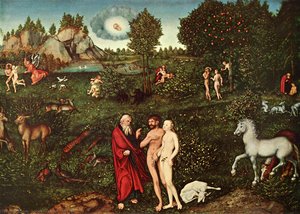
Megtekintés
 Küldés
 Megosztás
 Részletek
 Útmutató

 Letöltés
 Hasonló darabok
 X-ray felvétel
 Diavetítés
 Q&A
Q&A Statisztika
Hans Melber
 Oil On Panel
- WallArt
- Northern Renaissance
 1526
1526- Renaissance
 60.0 x 39.0 cm
 Alte Pinakothek
 Összes részlet megjelenítése
Giclée / Műnyomat
Múzeumi minőségű giclée vagy vászonnyomat, gyors gyártással és rugalmas finomítási lehetőségekkel. ( Kézzel festett másolat rendelése Áttérés digitális képre)




































Válasszon előre meghatározott méreteink közül, amelyek megfelelnek a műalkotás eredeti arányainak.

Írja be a keretének vagy a falának megfelelő szélességet és magasságot. A nyomatot csak le lehet vágni, soha nem tehető nagyobbá, mint az eredeti kép, így egy eltérő alakú méretnél a kép egy része elveszik. Mielőtt bármit kinyatintanánk, küldünk egy digitális próbamodellt jóváhagyásra. Az oldalon látható kép nem tartalmazza a valós levágást — ezt csak a próbamodell mutatja meg.
Világszerte történő kiszállítás területére mindössze 2 hét alatt, a szokásos 4-5 hét helyett. (31 október)

Ingyenes globális expressz szállítás

Prémium minőségű len vászon

Teljes körű szállítási biztosítás

Vámvisszatérítési Garancia

Hiteles színarányosság garancia

100 napos visszaküldési lehetőség (csak hibás termékek esetén)

100% pénzvisszatérítési garancia

Több darab vásárlásakor kedvezmény
 Az üvegkeretes opció csak 110 cm alatti méretben érhető el

Hans Melber
Giclée / Műnyomat
Reprodukció mérete
-


Összesített ár
Ft 26157
Hans Melber by Lucas Cranach the Elder: A Renaissance Portrait
- Title: Hans Melber
- Artist: Lucas Cranach the Elder
- Date: 1526
- Medium: Oil on panel
- Size: 60 x 39 cm
- Location: Alte Pinakothek, Munich, Germany
A Glimpse into the Renaissance: Artistic Context
“Hans Melber” by Lucas Cranach the Elder is a remarkable example of Northern Renaissance art, showcasing the artist's skill in capturing the essence of his subjects. Created in 1526, this oil on panel masterpiece measures 60 x 39 cm and resides within the esteemed Alte Pinakothek in Munich, Germany.
Cranach was a prominent figure of the Northern Renaissance, celebrated for his vivid and detailed paintings. His works frequently explored religious themes alongside compelling portraits of influential figures from his time. In “Hans Melber,” Cranach demonstrates his ability to capture subtle human expressions; the subject appears to engage directly with the viewer.
Detailed Description: The Portrait's Elements
The portrait features a man distinguished by a striking red hat adorned with polka dots, accompanied by a neatly trimmed beard and mustache. He is dressed in elegant black clothing, including a long coat, and holds a ring prominently displayed on one hand. The background presents a detailed landscape featuring mountains, adding depth and visual interest to the scene. Two additional figures are visible in the distance, though smaller and less emphasized than the central subject.
Symbolism and Interpretation
Several elements within the portrait carry symbolic weight. The red hat with polka dots is distinctive and may indicate a specific social status or affiliation. The ring held by Hans Melber likely signifies nobility or power. His direct gaze suggests confidence and perhaps a desire to project authority. The landscape background, while detailed, serves primarily as a backdrop, drawing attention to the subject's presence and importance.
Emotional Impact and Legacy
“Hans Melber” evokes a sense of quiet dignity and understated power. Cranach’s masterful use of light and shadow creates depth and realism, bringing the subject to life on the panel. The painting offers a fascinating glimpse into 16th-century society and provides insight into the artistic skill of Lucas Cranach the Elder. It stands as a testament to the enduring appeal of Renaissance portraiture.
Kérdések és válaszok
Hogyan írható le „Hans Melber”, Lucas Cranach idős alkotása hangulata?
A "Hans Melber" Classic hangulatú.
Mi a(z) domináns színe a(z) „Hans Melber”, Lucas Cranach idős alkotása alkotásnak?
A(z) "Hans Melber" alkotásban leginkább a Gray (#978771) szín tűnik ki. A domináns szín hasznos, amikor egy műalkotást össze kell egyeztetni egy belső térrel.
Mely helyet foglal el a művészettörténetben a „Hans Melber”, Lucas Cranach idős alkotása?
A „Hans Melber”, Lucas Cranach idős alkotása művészettörténeti besorolása a Northern Renaissance, a Renaissance korszakba tartozik.
A művész életrajza
A Renaissance Master of Saxony: The Life and Art of Lucas Cranach the Elder
Lucas Cranach the Elder, born in Kronach, Germany around 1472, stands as a pivotal figure of the German Renaissance. His life unfolded during a period of immense religious and political upheaval, and his art became inextricably linked to both the burgeoning Protestant Reformation and the opulent courts he served. Initially trained by his father, Hans Maler, Cranach’s early artistic development remains somewhat shrouded in mystery, though influences from South German masters are evident in his evolving style. He quickly distinguished himself not merely as a skilled craftsman but as an artist capable of capturing psychological depth alongside technical precision – qualities that would soon draw the attention of powerful patrons. In 1504, he entered the service of Frederick III, Elector of Saxony, a relationship that would define much of his career and provide him with both stability and access to influential circles. This appointment as court painter in Wittenberg wasn’t simply about producing decorative works; it placed Cranach at the very heart of one of the most transformative movements in European history.- Early Years and Training: Cranach's formative years were spent primarily in Kronach, under the tutelage of his father, Hans Maler, a respected local artist. While details about this early training are scarce, it’s believed he absorbed fundamental techniques and artistic principles from his father, laying the groundwork for his future development.
- Vienna Period (1502-1504): A crucial period in Cranach's artistic journey occurred during his brief sojourn in Vienna. Here, he encountered a vibrant intellectual environment, engaging with humanists and scholars at the university. This exposure significantly broadened his horizons and influenced his approach to art, particularly evident in his early woodcuts which were strongly influenced by the graphic art of Albrecht Dürer.
- Court Painter in Wittenberg: Cranach’s appointment as court painter to Frederick III in 1505 marked a turning point. Wittenberg became his base of operations, where he served not only as an artist but also as a diplomat, administrator, and even a town council member – a testament to his influence within the region.
Patronage, Reformation, and Artistic Innovation
Cranach's position within the Saxon court proved crucial not only for his livelihood but also for his artistic development. He wasn’t merely documenting events; he was actively shaping visual narratives during a time of profound change. His most enduring legacy is arguably his close association with Martin Luther, the central figure of the Protestant Reformation. Cranach created no fewer than eleven portraits of Luther, each offering a unique glimpse into the reformer's personality and evolving role. These weren’t simply likenesses; they were carefully constructed images designed to project authority, piety, and intellectual strength – essential qualities for a leader challenging the established religious order. The portrait of Luther as ‘Junker Jorg’, depicting him in secular attire, cleverly subverted traditional representations of religious figures, aligning him with the common people and emphasizing his commitment to reform. Beyond portraiture, Cranach translated Reformation theology into visual form, producing woodcuts and paintings that disseminated Protestant ideas widely. His depictions of biblical scenes moved away from traditional Catholic iconography, emphasizing direct engagement with scripture and fostering a more personal relationship between the viewer and faith. The Annunciation to Joachim, for example, radiates a joyful spirit, reflecting the new emphasis on individual piety within the reformed church. This innovative approach extended beyond religious subjects; Cranach’s mythological paintings, such as depictions of Venus and other classical figures, often carried allegorical meanings relevant to contemporary political and social issues.- Luther Portraits: These portraits are not merely representations of Luther but carefully constructed images designed to project a specific image of the reformer – one of strength, piety, and intellectual authority. Cranach’s skill in capturing psychological depth is particularly evident in these works.
- Visualizing Reformation Theology: Cranach's woodcuts and paintings served as powerful tools for disseminating Protestant ideas, reaching a wider audience than traditional sermons or theological treatises.
A Workshop Dynasty: Style and Technique
Lucas Cranach the Elder was not a solitary artist working in isolation. He ran a remarkably productive workshop, employing numerous assistants and apprentices who contributed significantly to his output. This collaborative approach meant that many works attributed to Cranach were actually produced under his direction or by members of his circle – including his son, Lucas Cranach the Younger. The Cranach workshop became known for its distinctive style: elegant figures with elongated proportions, vibrant colors, and meticulous attention to detail. His technique involved a combination of oil painting, woodcut, and engraving, allowing him to reach a broad audience through both original artworks and affordable prints. Stag Hunt of Elector Friedrich III the Wise, exemplifies his mastery of Northern Renaissance style, showcasing detailed realism alongside noble symbolism. The composition is dynamic, capturing the energy of the hunt while simultaneously conveying the power and status of the elector. Cranach’s use of light and shadow creates a sense of depth and atmosphere, drawing the viewer into the scene. His portraits are equally compelling, characterized by their psychological insight and refined execution.- Workshop Production: The scale of the Cranach workshop was immense, producing a vast quantity of artworks – paintings, woodcuts, engravings, and decorative elements for court celebrations.
- Technological Versatility: Cranach’s mastery of various techniques—oil painting, woodcut, and engraving—allowed him to adapt his style and reach different audiences through diverse media.
Legacy and Enduring Influence
Lucas Cranach the Elder died in 1553, leaving behind an extraordinary artistic legacy that continues to resonate today. He was a master of portraiture, a skilled interpreter of religious themes, and a shrewd businessman who understood the power of visual communication. His work not only reflects the cultural and intellectual currents of his time but also helped shape them. The Cranach workshop continued to flourish after his death, ensuring that his style and techniques were perpetuated for generations. His influence can be seen in the works of numerous subsequent artists, and his paintings remain highly sought-after by collectors and museums worldwide. From the iconic portraits of Martin Luther to the captivating mythological scenes, Cranach’s art offers a fascinating window into the world of the German Renaissance – a world marked by both profound spiritual questioning and artistic innovation. His ability to blend religious fervor, political savvy, and artistic talent cemented his place as one of the most important artists of his era, and his contributions continue to inspire and captivate audiences centuries later.
Lucas Cranach idős
1472 - 1553 , Németország
Rövid információk
- Artistic Movement Or Style: German Renaissance
- Artists Or Movements Influenced By This Artist: ['Albrecht Dürer']
- Artists Who Influenced This Artist: ['Hans Maler']
- Date Of Birth: 1472
- Date Of Death: 1553
- Full Name: Lucas Cranach the Elder
- Nationality: Német
- Notable Artworks:
- Stag Jagás
- Önismeret portré
- Szentháromszék
- Ádám és Éva
- Júdith Holofernes
- Place Of Birth: Kronach, Németország
Kapcsolódó cikkek
The Northern Awakening: Artistic Innovation & Cultural Transformation in the German Renaissance
Explore the artistic innovation of the German Renaissance! Discover Dürer, the Danube School & Reformation art. Learn about techniques, materials & lasting influence. Find museum-quality reproductions at OriginalUniqueArt.

Hans Holbein the Younger: A Renaissance Portraitist's Mastery of Realism & Psychological Insight
Explore the life & art of Hans Holbein the Younger, a Renaissance master renowned for his strikingly realistic portraits and psychological insight. Discover iconic works like 'The Ambassadors' and delve into his lasting legacy.

A Német Expresszionizmus 10 Mesterműve: Érzelmek és Forradalom a Falakon
Fedezze fel a Német Expresszionizmus 10 legikonikusabb műalkotását! Kirchner, Munch és más német mesterek érzelmi festményeinek történetét bemutatva. Vászonképek, faliképek otthonába – OriginalUniqueArt.com kínálata.

A müncheni Alte Pinakothek 25 Mesterműve: Klasszikus festmények otthonra – OriginalUniqueArt.com
Fedezze fel a müncheni Alte Pinakothek 25 legikonikusabb művészeti remekművét! Reneszánsz és barokk festmények, Leonardo da Vinci, Dürer alkotásai – inspiráló történetek és magas minőségű reprodukciók. Otthonra vagy ajándékba? OriginalUniqueArt.com-on minden megtalálható!
Hans Baldung Grien: A Renaissance Master of Allegory, Innovation & the Grotesque
Explore the captivating world of Hans Baldung Grien, a Renaissance master renowned for his allegorical paintings, striking woodcuts & unique depictions of mythology and the grotesque. Discover his life, works & legacy with OriginalUniqueArt.