Megtekintés
 Küldés
 Megosztás
 Részletek
 Útmutató

 Letöltés
 Hasonló darabok
 X-ray felvétel
 Diavetítés
 Q&A
Q&A Statisztika
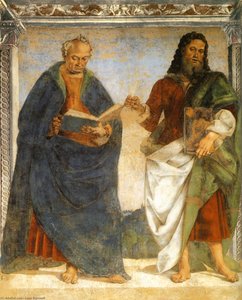
St Augustine Altarpiece (left wing)
 Oil On Canvas
- WallArt
- High Renaissance
 1498
1498 146.0 x 76.0 cm
 Staatliche Museen zu Berlin
 Összes részlet megjelenítése
Giclée / Műnyomat
Múzeumi minőségű giclée vagy vászonnyomat, gyors gyártással és rugalmas finomítási lehetőségekkel. ( Kézzel festett másolat rendelése Áttérés digitális képre)




P118B Ft10

P118H Ft10

P118W Ft10

P438Z Ft10

P508JH Ft12

P508YH Ft12

P805H Ft10

P805Z Ft10

P919BZ Ft10

P919G Ft10

P919XJ Ft10

P959ZH Ft10

P968JZ Ft12

W106C Ft8

W218G Ft10

W218JH Ft8

W218Y Ft10

W307PJ Ft10

W316G Ft10

W316PJ Ft8

W316Y Ft10

W398PJ Ft8

W4111J Ft10

W500HY Ft15

W500JH Ft15

W692G Ft12

W849H Ft8

W940BG Ft15

W953PJ Ft8




Válasszon előre meghatározott méreteink közül, amelyek megfelelnek a műalkotás eredeti arányainak.

Írja be a keretének vagy a falának megfelelő szélességet és magasságot. A nyomatot csak le lehet vágni, soha nem tehető nagyobbá, mint az eredeti kép, így egy eltérő alakú méretnél a kép egy része elveszik. Mielőtt bármit kinyatintanánk, küldünk egy digitális próbamodellt jóváhagyásra. Az oldalon látható kép nem tartalmazza a valós levágást — ezt csak a próbamodell mutatja meg.
Világszerte történő kiszállítás területére mindössze 2 hét alatt, a szokásos 4-5 hét helyett. (29 október)

Ingyenes globális expressz szállítás

Prémium minőségű len vászon

Teljes körű szállítási biztosítás

Vámvisszatérítési Garancia

Hiteles színarányosság garancia

100 napos visszaküldési lehetőség (csak hibás termékek esetén)

100% pénzvisszatérítési garancia

Több darab vásárlásakor kedvezmény
 Az üvegkeretes opció csak 110 cm alatti méretben érhető el

St Augustine Altarpiece (left wing)
Giclée / Műnyomat
Reprodukció mérete
-


Összesített ár
Ft 25847
Luca Signorelli’s St Augustine Altarpiece (Left Wing): A Window into Renaissance Devotion
The left wing of Luca Signorelli's “St Augustine Altarpiece,” completed in 1498 for the Bichi Chapel within the church of Sant’Agostino in Siena, is more than just a beautiful painting; it’s a profound meditation on faith, charity, and the intertwined destinies of earthly and divine figures. Measuring a modest 146 x 76 centimeters, this panel offers an intimate glimpse into the artistic sensibilities of a master navigating the complexities of late Renaissance Italy. Signorelli, already establishing himself as a draftsman of exceptional skill – evidenced by his early work in Arezzo and Castelli – here demonstrates a remarkable ability to imbue a seemingly simple scene with layers of meaning and emotional resonance.
The composition immediately draws the eye to the central trio: three women draped in rich crimson robes, their gestures conveying both solemnity and profound compassion. The woman on the left cradles a baby, a potent symbol of innocence and new life – a direct reference to Mary holding infant Jesus. Beside her stands another woman, supporting a child, mirroring the Virgin’s protective embrace. The third figure, positioned slightly further back, gazes downwards with an expression of quiet contemplation, perhaps reflecting on the spiritual journey or offering solace to those she observes. These women are not merely decorative elements; they represent key figures in Christian iconography – Mary Magdalene, Saint Catherine of Siena, and Saint Jerome, each embodying a specific virtue and contributing to the altarpiece’s overarching theme of divine grace.
Adding depth to this devotional tableau are two men, subtly integrated into the scene. One stands near the center, engaged in conversation with the women, while the other is positioned on the left side, seemingly observing the proceedings. Their presence suggests a community united by faith and shared devotion – a microcosm of Renaissance society reflecting upon spiritual matters. Signorelli’s masterful use of foreshortening, a technique he honed during his time in Florence under Piero della Francesca, creates a sense of spatial realism, drawing the viewer into this intimate tableau. The figures appear to be caught in a moment of genuine interaction, their expressions conveying a palpable sense of warmth and connection.
Technique and Style: High Renaissance Refinement
Signorelli’s style within this altarpiece is firmly rooted in the High Renaissance, yet it possesses a distinctly Italian character. He skillfully blends classical influences with his own innovative approach to composition and color. The use of *sfumato*, a technique popularized by Leonardo da Vinci, softens the edges of the figures and creates an atmospheric haze that enhances the sense of depth and realism. The rich crimson robes are rendered with meticulous detail, their textures suggesting luxurious fabrics while simultaneously conveying a sense of solemnity. Signorelli’s palette is restrained yet vibrant, dominated by earthy tones – ochres, siennas, and umbers – punctuated by flashes of red and gold.
Signorelli's mastery of drawing is immediately apparent in the precise rendering of the figures’ anatomy and drapery. He demonstrates a deep understanding of human form, capturing both its beauty and vulnerability with remarkable accuracy. The subtle gradations of light and shadow – *chiaroscuro* – further enhance the sense of realism, creating a three-dimensional effect that draws the viewer into the scene. The composition is carefully balanced, with each figure occupying a specific space within the frame, contributing to the overall harmony and visual impact of the work.
Historical Context: Siena and the Renaissance
To fully appreciate the “St Augustine Altarpiece,” it’s crucial to understand its historical context. Siena in the late 15th century was a thriving center of commerce, art, and religious devotion. The Bichi Chapel, where the altarpiece resided, served as a focal point for community life, reflecting the city's wealth and piety. The commission itself underscores the importance of religious patronage during this period – wealthy families like the Piccolominis sought to demonstrate their faith through lavish displays of art and architecture.
Signorelli’s work reflects the broader trends of the High Renaissance, which emphasized humanism, classical learning, and a renewed interest in naturalism. However, unlike some of his contemporaries who embraced Mannerist styles characterized by elongated figures and distorted perspectives, Signorelli maintains a sense of balance and clarity. His altarpiece embodies a harmonious blend of tradition and innovation, reflecting the artistic sensibilities of a master navigating the complexities of his time.
A Timeless Reflection on Faith and Humanity
The “St Augustine Altarpiece (Left Wing)” is more than just a beautiful painting; it’s a poignant meditation on faith, charity, and the enduring power of human connection. Signorelli's masterful composition, skillful technique, and profound understanding of religious iconography combine to create an image that continues to resonate with viewers centuries after its creation. Reproductions capture the essence of this work, allowing us to experience its beauty and emotional depth in our own homes. It serves as a reminder of the enduring legacy of Renaissance art – a testament to the power of human creativity to express profound spiritual truths.
Kérdések és válaszok
Melyik szobához ajánlott a „St Augustine Altarpiece (left wing)”, Luca Signorelli alkotása, színei alapján végezve?
A Earthy színei miatt a "St Augustine Altarpiece (left wing)" mű egy Living Room számára javasolt.
Hogyan találhatok olyan műalkotásokat, amelyek stílusában hasonlítanak a(z) „St Augustine Altarpiece (left wing)”, Luca Signorelli alkotása alkotásra?
A „St Augustine Altarpiece (left wing)”, Luca Signorelli alkotása alkotással hasonló műalkotások a(z) Hasonló alkotások oldalon találhatók.
Hol függene jól a „St Augustine Altarpiece (left wing)”, Luca Signorelli alkotása reprodukciója?
A Tall formájú, a „St Augustine Altarpiece (left wing)” című alkotás reprodukcióját egy Living Room számára javasoljuk.
A művész életrajza
korai élet és képzés
Luca Signorelli, az olasz reneszánsz festő, Toscana megyében, Cortonában született körülbelül 1450-ben. Bár születési pontos dátuma bizonytalan, a történészek úgy vélik, hogy 1441 és 1445 között jöttette csoda a világra. A művész rendkívüli rajzkészségéről és a perspektíva, különösen a rövidülés mesteri használatáról ismert.művészeti karrier
Signorelli a művészet iránti első szenvedélyét Perugia városában gyűjthette össze, ahol olyan meghatározó stílusokat ismerhetett meg, mint Benedetto Bonfigli, Lorenzo di Guido da Forlì és Pinturicchio alkotásai. Giorgio Vasari feljegyzései szerint Signorelli tan lärját Piero della Francesca alatt kapta, amit anyai unokatestvéje, Lazzaro Vasari szervezett meg számára. Művészete számos helyen megélénkül, többek között Arezzóban (1472) és Città di Castellában (1474). Egyik legkiemelkedőbb alkotása a „Pan iskolája”, melyet Lorenzo de' Medici számára készített; ez a festmény az emberi alak rendkívül valóságos ábrázolását mutatja be, lenyűgöző chiaroscuro-technikával és lineáris perspektívával fűzve össze.kiemelkedő művek
- Az ítélendő (1499–1503), az Orvietói Székesegyházban – melyet nagyművészetének tartanak, ez a monumentális freszkó zseniálisan mutatja be a apokalipszis és az utolsó ítélet drámáját.
- Szent Medárd poliptychusa (1507), a San Medardo múzeum, Arcevia, Olaszország – Signorelli munkásságának egyik legfőbb példája, amely az emberi alak rendkívül részletgazdag és naturalisztikus ábrázolását tartalmazza.
művészeti irányzat
Signorelli az olasz reneszánsz mozgalom meghatározó alakja volt, amely a középkor és a korai modern Európa közötti átmenetét jelenteette. Ez az időszak a klasszikus hagyományok, a naturalizmus és az emberizmus újrazáradását hozta magával.- A korai reneszánsz művészeti irányzat – rövid bemutató arról a stílusról, amely formálta a művészettörténet alakulását.
- Fra Angelico – a neves művész, aki Signorelli munkásságát befolyásolta, és kivételes festőtechnikai tudásáról ismert.
- Luca Signorelli – rövid életrajz a művészi alkotótól, kiemelve legfontosabb műveit és stílusát.
örökség
Signorelli munkásságának jelentős hatása volt a reneszánsz művészet fejlődésére. A rövidülés mesteri alkalmazása és rajzi tudása számos olyan utódját inspirálta, aki útjára vállalt az általa kialakított hagyományokban. Az olasz reneszánsz meghatározó alakjaként Signorelli öröksége ma is tiszteltet, alkotásai pedig Olaszország számos múzeumában és katedrálisában megtekinthetők. fontos dátumok:- 1450: születés Cortonában, Toscanában
- 1499–1503: Az ítélendő készítése, az Orvietói Székesegyházban
- 1523: halál, kivételes művészeti örökséget hagyva себе

Luca Signorelli
1450 - 1523 , Olaszország
Rövid információk
- Artistic Movement Or Style: Renaissance
- Artists Who Influenced This Artist: ['Piero della Francesca']
- Date Of Birth: 1445/50
- Full Name: Luca di Egidio di Ventura Signorelli
- Nationality: Italian
- Notable Artworks:
- The Last Judgment
- School of Pan
- Place Of Birth: Cortona, Itália
Kapcsolódó cikkek

Sacred Narratives on Canvas: Exploring Devotional Imagery Across Art History
Explore the rich history of devotional art! Discover iconic masterpieces, symbolism & techniques from antiquity to the Renaissance. Expert insights for collectors & enthusiasts at OriginalUniqueArt.

The Enduring Muse: Women as Subject & Symbol in Art History
Explore the rich history of women in art – from iconic muses to groundbreaking artists. Discover feminist movements, global perspectives & reclaim female narratives with OriginalUniqueArt.
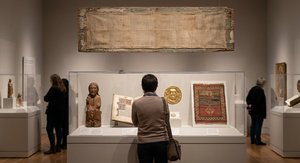
Sacred Expressions: A Journey Through Devotional Art Across Cultures & Eras
Explore the rich history of devotional art across cultures & eras with expert insights! Discover iconic masterpieces, symbolism, and artistic techniques. A guide for collectors & enthusiasts.
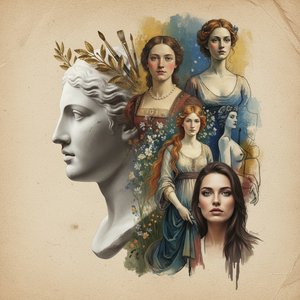
The Enduring Muse: Women as Subject & Symbol in Art History
Explore the rich history of women in art – from archetypal representations to contemporary voices challenging norms. Discover iconic artists & movements, and learn about reclaiming female narratives through painting and beyond.
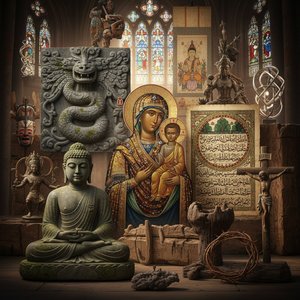
Sacred Expressions: A Journey Through Devotional Art Across Cultures & Eras
Explore the rich history of devotional art across cultures & eras. Discover iconic masterpieces, symbolism, and artistic techniques. Expert insights for collectors & enthusiasts.