Megtekintés
 Küldés
 Megosztás
 Részletek
 Útmutató

 Letöltés
 Hasonló darabok
 X-ray felvétel
 Diavetítés
 Kérdések és válaszok
 Statisztika
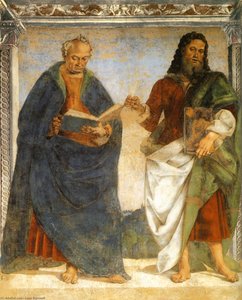
Four Demons with a Book

- 335.0 x 284.0 cm


 Összes részlet megjelenítése
Giclée / Műnyomat
Múzeumi minőségű giclée vagy vászonnyomat, gyors gyártással és rugalmas finomítási lehetőségekkel. ( Kézzel festett másolat rendelése Áttérés digitális képre)




P118B Ft10

P118H Ft10

P118W Ft10

P438Z Ft10

P508JH Ft12

P508YH Ft12

P805H Ft10

P805Z Ft10

P919BZ Ft10

P919G Ft10

P919XJ Ft10

P959ZH Ft10

P968JZ Ft12

W106C Ft8

W218G Ft10

W218JH Ft8

W218Y Ft10

W307PJ Ft10

W316G Ft10

W316PJ Ft8

W316Y Ft10

W398PJ Ft8

W4111J Ft10

W500HY Ft15

W500JH Ft15

W692G Ft12

W849H Ft8

W940BG Ft15

W953PJ Ft8




Válasszon előre meghatározott méreteink közül, amelyek megfelelnek a műalkotás eredeti arányainak.

Írja be a keretének vagy a falának megfelelő szélességet és magasságot. A nyomatot csak le lehet vágni, soha nem tehető nagyobbá, mint az eredeti kép, így egy eltérő alakú méretnél a kép egy része elveszik. Mielőtt bármit kinyatintanánk, küldünk egy digitális próbamodellt jóváhagyásra. Az oldalon látható kép nem tartalmazza a valós levágást — ezt csak a próbamodell mutatja meg.
Világszerte történő kiszállítás területére mindössze 2 hét alatt, a szokásos 4-5 hét helyett. (6 november)

Ingyenes globális expressz szállítás

Prémium minőségű len vászon

Teljes körű szállítási biztosítás

Vámvisszatérítési Garancia

Hiteles színarányosság garancia

100 napos visszaküldési lehetőség (csak hibás termékek esetén)

100% pénzvisszatérítési garancia

Több darab vásárlásakor kedvezmény
 Az üvegkeretes opció csak 110 cm alatti méretben érhető el

Four Demons with a Book
Giclée / Műnyomat
Reprodukció mérete
-


Összesített ár
Ft 26460
The Genesis of a Masterpiece: Luca Signorelli's Preparatory Drawing
Luca Signorelli’s “Four Demons with a Book,” a remarkably detailed preparatory study for the monumental fresco cycle adorning Orvieto Cathedral, offers a captivating glimpse into the mind of one of the High Renaissance’s most potent visual storytellers. More than just a sketch, it's a concentrated distillation of ideas, a vibrant testament to Signorelli’s meticulous draftsmanship and his profound understanding of human psychology – particularly as manifested through the unsettling interplay of demonic figures and forbidden knowledge. The drawing itself, rendered in charcoal or silverpoint on aged paper, possesses an immediate power, radiating a palpable sense of urgency and contained chaos.
The work’s genesis lies within the Cappella Nova, a space already steeped in religious narrative through earlier frescoes by Fra Angelico. Signorelli was tasked with expanding this existing framework, creating a dramatic visual representation of the Apocalypse – a subject demanding both grandeur and terrifying intimacy. This preparatory study isn't merely a preliminary sketch; it’s a crucial stage in the artist’s process, revealing his initial compositional choices, anatomical explorations, and the evolution of individual figures before they were unleashed upon the vast cathedral walls.
A Symphony of Line: Technique and Composition
Signorelli's mastery is immediately evident in the drawing’s intensely linear quality. Hatching and cross-hatching dominate, building up volume with a remarkable degree of precision and control. The figures aren’t simply outlined; they are sculpted through layers of carefully applied lines, conveying not just their physical form but also the texture of skin, clothing, and even the suggestion of demonic musculature. The limited palette – primarily shades of gray and white – amplifies this effect, creating a dramatic chiaroscuro that emphasizes the figures’ powerful presence against an implied darkness. The composition itself is deliberately claustrophobic, with the demons crowding together in a dynamic, almost violent arrangement. There's no background; the focus remains entirely on these unsettling characters and their interaction with the central object of contemplation – the book.
The drawing’s flattened perspective, characteristic of preparatory studies, lends it an immediacy and intimacy rarely found in finished works. It feels as though we are witnessing Signorelli wrestling with his ideas directly, capturing a fleeting moment of creative struggle. The subtle erasures and adjustments visible throughout the piece further underscore this sense of process, revealing the artist’s willingness to experiment and refine his vision.
Symbolism and Psychological Depth
The subject matter – four demonic figures clustered around a book – is laden with symbolic weight. Demons, traditionally representing temptation, sin, and the forces of evil, are inherently unsettling. Their muscular physiques and aggressive postures convey power and menace. The book, however, introduces an element of ambiguity. It’s not simply a symbol of knowledge; it suggests a dangerous, potentially corrupting influence – a forbidden text promising enlightenment but ultimately leading to damnation. The positioning of the demons, particularly one holding the book aloft with a look of intense concentration, hints at a struggle between intellect and faith, reason and revelation.
Signorelli’s genius lies in his ability to imbue these archetypal figures with psychological depth. The expressions on their faces – ranging from rage and suspicion to curiosity and perhaps even a hint of despair – suggest a complex internal landscape. The drawing isn't merely a depiction of demons; it’s an exploration of the human condition, confronting us with our own vulnerabilities and temptations.
A Legacy in Stone and Charcoal
“Four Demons with a Book” stands as a pivotal work in Signorelli’s oeuvre, foreshadowing the dramatic intensity and psychological complexity that would define his masterpiece at Orvieto. It's a testament to his extraordinary draftsmanship, his profound understanding of human anatomy, and his ability to translate complex theological ideas into visually arresting imagery. The drawing offers a rare opportunity to connect with the creative process of one of the Renaissance’s most influential artists, revealing the meticulous care and intellectual rigor that underpinned his monumental achievements. Reproductions of this captivating study offer a window into a world of dramatic tension, profound symbolism, and enduring artistic power.
Kérdések és válaszok
Mi a(z) domináns színtónus „Four Demons with a Book”, Luca Signorelli alkotása-nél?
A Green to Violet Spectrum árnyalat áthatárolja a „Four Demons with a Book”, Luca Signorelli alkotása alkotást.
Hogyan találhatok olyan műalkotásokat, amelyek stílusában hasonlítanak a(z) „Four Demons with a Book”, Luca Signorelli alkotása alkotásra?
A „Four Demons with a Book”, Luca Signorelli alkotása Hasonló alkotások oldala kapcsolódó műalkotásokat mutat be.
Mik a „Four Demons with a Book” mű másolati jogai a Pierpont Morgan Könyvtár és Múzeum gyűjteményében?
A „Four Demons with a Book”, Luca Signorelli alkotása szerzői jogi státusza egyértelmű: a mű közösségi tulajdon – a szerzői jog lejártt. A Pierpont Morgan Könyvtár és Múzeum gyűjteményében való szereplése nem változtat ezen a státuszon.
A művész életrajza
korai élet és képzés
Luca Signorelli, az olasz reneszánsz festő, Toscana megyében, Cortonában született körülbelül 1450-ben. Bár születési pontos dátuma bizonytalan, a történészek úgy vélik, hogy 1441 és 1445 között jöttette csoda a világra. A művész rendkívüli rajzkészségéről és a perspektíva, különösen a rövidülés mesteri használatáról ismert.művészeti karrier
Signorelli a művészet iránti első szenvedélyét Perugia városában gyűjthette össze, ahol olyan meghatározó stílusokat ismerhetett meg, mint Benedetto Bonfigli, Lorenzo di Guido da Forlì és Pinturicchio alkotásai. Giorgio Vasari feljegyzései szerint Signorelli tan lärját Piero della Francesca alatt kapta, amit anyai unokatestvéje, Lazzaro Vasari szervezett meg számára. Művészete számos helyen megélénkül, többek között Arezzóban (1472) és Città di Castellában (1474). Egyik legkiemelkedőbb alkotása a „Pan iskolája”, melyet Lorenzo de' Medici számára készített; ez a festmény az emberi alak rendkívül valóságos ábrázolását mutatja be, lenyűgöző chiaroscuro-technikával és lineáris perspektívával fűzve össze.kiemelkedő művek
- Az ítélendő (1499–1503), az Orvietói Székesegyházban – melyet nagyművészetének tartanak, ez a monumentális freszkó zseniálisan mutatja be a apokalipszis és az utolsó ítélet drámáját.
- Szent Medárd poliptychusa (1507), a San Medardo múzeum, Arcevia, Olaszország – Signorelli munkásságának egyik legfőbb példája, amely az emberi alak rendkívül részletgazdag és naturalisztikus ábrázolását tartalmazza.
művészeti irányzat
Signorelli az olasz reneszánsz mozgalom meghatározó alakja volt, amely a középkor és a korai modern Európa közötti átmenetét jelenteette. Ez az időszak a klasszikus hagyományok, a naturalizmus és az emberizmus újrazáradását hozta magával.- A korai reneszánsz művészeti irányzat – rövid bemutató arról a stílusról, amely formálta a művészettörténet alakulását.
- Fra Angelico – a neves művész, aki Signorelli munkásságát befolyásolta, és kivételes festőtechnikai tudásáról ismert.
- Luca Signorelli – rövid életrajz a művészi alkotótól, kiemelve legfontosabb műveit és stílusát.
örökség
Signorelli munkásságának jelentős hatása volt a reneszánsz művészet fejlődésére. A rövidülés mesteri alkalmazása és rajzi tudása számos olyan utódját inspirálta, aki útjára vállalt az általa kialakított hagyományokban. Az olasz reneszánsz meghatározó alakjaként Signorelli öröksége ma is tiszteltet, alkotásai pedig Olaszország számos múzeumában és katedrálisában megtekinthetők. fontos dátumok:- 1450: születés Cortonában, Toscanában
- 1499–1503: Az ítélendő készítése, az Orvietói Székesegyházban
- 1523: halál, kivételes művészeti örökséget hagyva себе

Luca Signorelli
1450 - 1523 , Olaszország
Rövid információk
- Artistic Movement Or Style: Renaissance
- Artists Who Influenced This Artist: ['Piero della Francesca']
- Date Of Birth: 1445/50
- Full Name: Luca di Egidio di Ventura Signorelli
- Nationality: Italian
- Notable Artworks:
- The Last Judgment
- School of Pan
- Place Of Birth: Cortona, Itália
Kapcsolódó cikkek
The Nuances of Graphite: Exploring Emotional Depth & Technical Mastery in Pencil Drawing
Explore the captivating world of graphite drawing! Discover its rich history, master essential techniques like chiaroscuro, and learn how artists evoke emotion through this timeless medium. Expert insights for art enthusiasts.
The Power of Graphite: Mastering Depth, Texture, and Detail in the Art of Pencil Drawing
Explore the profound artistry of graphite drawing. Discover professional techniques for mastering depth, texture, and detail through a lens of art history, from classical sketches to modern masterpieces. Elevate your understanding of the pencil medium with our expert guide.
The Eloquent Line: Exploring the Artistic Significance of Sketches Across Movements and Media
Explore the profound artistic significance of sketches throughout history. From Renaissance masters to modern innovators like Van Gogh & Guston, discover how these foundational works reveal technique, emotion, and vision. Learn more at OriginalUniqueArt.

The Alchemy of Graphite: An Expert Guide to Mastering Detail and Depth in Pencil Sketching
Unlock the secrets of graphite sketching with our expert guide for art students. Learn to master pencil grades, create realistic depth, and capture intricate textures through professional techniques designed to elevate your observational drawing skills.
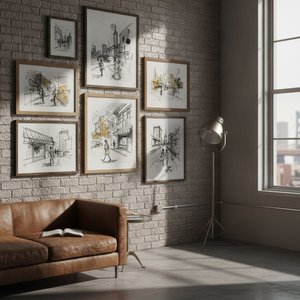
Raw Energy: Why Sketch Studies are the Ultimate Urban Vibe for Your Walls
Elevate your space with the raw energy of sketch studies. Discover how the unfiltered power of charcoal, line, and gesture creates the ultimate urban vibe for modern interiors. Expert trends in contemporary wall art curation for the design-conscious professional.