

 Megtekintés
 Küldés
 Megosztás
 Részletek
 Útmutató

 Letöltés
 Hasonló darabok
 X-ray felvétel
 Diavetítés
 Q&A
Q&A Statisztika
Resurrection
 Acrylic On Canvas
- WallArt
- Baroque
 114.0 x 116.0 cm
 Residenzgalerie
 Összes részlet megjelenítése
Giclée / Műnyomat
Múzeumi minőségű giclée vagy vászonnyomat, gyors gyártással és rugalmas finomítási lehetőségekkel. ( Kézzel festett másolat rendelése Áttérés digitális képre)




P118B Ft10

P118H Ft10

P118W Ft10

P438Z Ft10

P508JH Ft12

P508YH Ft12

P805H Ft10

P805Z Ft10

P919BZ Ft10

P919G Ft10

P919XJ Ft10

P959ZH Ft10

P968JZ Ft12

W106C Ft8

W218G Ft10

W218JH Ft8

W218Y Ft10

W307PJ Ft10

W316G Ft10

W316PJ Ft8

W316Y Ft10

W398PJ Ft8

W4111J Ft10

W500HY Ft15

W500JH Ft15

W692G Ft12

W849H Ft8

W940BG Ft15

W953PJ Ft8




Válasszon előre meghatározott méreteink közül, amelyek megfelelnek a műalkotás eredeti arányainak.

Írja be a keretének vagy a falának megfelelő szélességet és magasságot. A nyomatot csak le lehet vágni, soha nem tehető nagyobbá, mint az eredeti kép, így egy eltérő alakú méretnél a kép egy része elveszik. Mielőtt bármit kinyatintanánk, küldünk egy digitális próbamodellt jóváhagyásra. Az oldalon látható kép nem tartalmazza a valós levágást — ezt csak a próbamodell mutatja meg.
Világszerte történő kiszállítás területére mindössze 2 hét alatt, a szokásos 4-5 hét helyett. (31 október)

Ingyenes globális expressz szállítás

Prémium minőségű len vászon

Teljes körű szállítási biztosítás

Vámvisszatérítési Garancia

Hiteles színarányosság garancia

100 napos visszaküldési lehetőség (csak hibás termékek esetén)

100% pénzvisszatérítési garancia

Több darab vásárlásakor kedvezmény
 Az üvegkeretes opció csak 110 cm alatti méretben érhető el

Resurrection
Giclée / Műnyomat
Reprodukció mérete
-


Összesített ár
Ft 26157
Luca Giordano’s “Resurrection”: A Symphony of Light and Divine Awakening
Luca Giordano's "Resurrection," painted circa 1665 in the heart of Naples, isn’t merely a depiction of a biblical event; it’s an immersive experience—a vibrant testament to the artist’s revolutionary approach to Baroque painting. More than just a religious scene, it embodies a profound sense of movement, luminosity, and emotional intensity that immediately captivates the viewer. Giordano, nicknamed “Luca fa presto” for his prodigious speed and versatility, had already established himself as a master of capturing dramatic action and realistic figures, but this work represents a pivotal shift in his style—a conscious embrace of light and color that would define his legacy.
The painting immediately draws the eye to Christ’s resurrected form. He is not depicted as a static, ethereal figure, but rather as a dynamic force being lifted heavenward by a multitude of angels. The composition is carefully orchestrated: the dark foreground, dominated by startled Roman soldiers, serves as a dramatic counterpoint to the radiant light emanating from Christ and his ascent. Giordano masterfully employs chiaroscuro—the interplay of light and shadow—to heighten the sense of drama and create an almost theatrical effect. Notice how the shadows cling to the figures in the foreground, emphasizing their astonishment and vulnerability, while the light washes over Christ’s body, highlighting its physicality and conveying a powerful message of rebirth.
The Neapolitan Baroque: Giordano's Innovative Palette
Giordano’s style was deeply rooted in the artistic traditions of Naples, yet he boldly pushed beyond the somber palette favored by his predecessor, Jusepe de Ribera. While influenced by Ribera’s dramatic realism and anatomical precision—evident in the muscularity of Christ’s body and the detailed rendering of the soldiers—Giordano infused his work with a newfound vibrancy and luminosity. He drew inspiration from Venetian masters like Titian and Veronese, incorporating their techniques for creating rich color harmonies and dynamic compositions. The use of ochre, crimson, and gold creates an opulent atmosphere, suggesting not just resurrection but also divine grace and power.
The artist’s technique is particularly noteworthy. Giordano employed a rapid, almost frenetic brushstroke—a characteristic that earned him his nickname “Luca fa presto.” This technique allowed him to capture the fleeting expressions of emotion on the faces of the soldiers and create a sense of movement within the composition. He also utilized a layering technique, applying thin glazes of color over previous layers to build up depth and luminosity. The result is a surface that seems to shimmer with light—a testament to Giordano’s mastery of color and his innovative approach to painting.
Symbolism and Spiritual Resonance
Beyond its technical brilliance, “Resurrection” is rich in symbolic meaning. The soldiers, initially frozen in terror, represent the human condition—our vulnerability and our need for salvation. Their awakening signifies a shift from darkness to light, fear to faith. Christ’s outstretched arms symbolize his sacrifice and his triumph over death. The angels, depicted with dynamic gestures, embody divine intervention and the promise of eternal life. The sword at the bottom left corner, often interpreted as representing the power of judgment, subtly underscores the gravity of the event while simultaneously hinting at the possibility of redemption.
Furthermore, the scene’s setting—a humble Roman house—adds another layer of meaning. It suggests that salvation is not confined to a grand cathedral or a sacred temple but can be found in everyday life. Giordano's choice to depict this pivotal moment within a domestic space elevates it from a purely religious narrative to a universal story of hope and renewal. The painting invites contemplation on themes of faith, sacrifice, and the enduring power of the human spirit.
A Legacy of Light: Reproductions and Artistic Inspiration
“Resurrection” remains one of Luca Giordano’s most celebrated works, admired for its dramatic intensity, vibrant color palette, and innovative technique. Today, high-quality reproductions offer a remarkable opportunity to experience this masterpiece firsthand. Whether adorning a grand salon or a smaller interior space, a reproduction of “Resurrection” can infuse any room with a sense of drama, spirituality, and timeless beauty. It’s a powerful reminder of Giordano's revolutionary contribution to the Baroque era—a testament to his ability to capture not just the likeness of his subjects but also their very souls.
Kérdések és válaszok
Milyen színharmóniát mutat be „Resurrection”, Luca Giordano alkotása?
A "Resurrection" színharmóniája úgy van rögzítve, mint Balanced Harmony.
Mit ábrázol a „Resurrection”, Luca Giordano alkotása, és milyen hangulatot áraszt?
A "Resurrection" című alkotás resurrection, christ, mary, angels, biblical, figures, dramatic, light témákat ábrázol, hangulata pedig Dramatic.
Mekkora méretű az eredeti "Resurrection"?
A „Resurrection”, Luca Giordano alkotása eredeti mérete 114 x 116 cm.
A művész életrajza
Egy nápolyi tűzgyújtó: Luca Giordano élete és művészete
Luca Giordano, 1634-ben született Nápolyban, hamar a késő barokk kor szellemiségének megtestesítőjévé vált. Nem csupán festő volt, hanem egy természeti erő, egy kreativitás örvénye, melynek páratlan produktivitása átalakította az olasz és spanyol területek vásznait és építészeti tereit egyaránt. Apja, Antonio Giordano fektette le a művészi képzés alapjait, de Jusepe de Ribera szigorú, ám mesteri útmutatása alatt kezdte Luca igazán kialakítani sajátos stílusát. Ez a korai tanulság nyomot hagyott rajta, ami megnyilvánult az alakok drámai intenzitásában és realista ábrázolásmódjában, melyek Giordano első alkotásait jellemezték. Ribera gyakran komor palettájától eltérően azonban Luca természetes hajlama volt a fényességre és a mozgásra – olyan tulajdonságok, amelyek végül meghatározták egyedi stílusát. Már ekkor elnyerte a „Luca fa presto” (Luca a gyors) becenevet, ami figyelemreméltó sebességére és látszólag határtalan energiájára utalt. Nem csupán tehetséges volt, hanem képes volt mély érzelmeket és lenyűgöző látványosságokat megörökíteni olyan könnyedséggel, ami ámulatba ejtette kortársait.Utazások és megbízások: A művész állandó mozgásban
Giordano művészi útja messze nem volt statikus. Egy dinamikus fejlődés volt, melyet megrendelések és utazások hajtottak, elvezette az olasz félszigeten túlra is. Nápolyban kiemelkedő csillaggá emelkedett, majd lehetőségeket keresett Rómában, Firenzében és Velencében, felszívva minden város egyedi hatásait szivacsként. Velencében tanulmányozta Titian és Veronese munkásságát, átvéve élénk színpalettájukat és dinamikus kompozícióikat – éles ellentétben a korai képzésének árnyékos tenebrizmusával. Firenzében jelentős falfestményciklusokat vállalt, leginkább a Chiesa del Carmine Corsini kápolnájának dómján, bemutatva növekvő mesterségét az illuzionisztikus térben és a narratív történetmesélésben. De éppen egy évtizedes spanyolországi tartózkodása (1682-1692) szilárdította meg nemzetközi hírnevét. II. Károly udvari festőjévé nevezték ki, és Giordano gazdag falfestményekkel varázsolta át a spanyol belső tereket, friss olasz lendületet juttatva a visszafogottabb spanyol művészeti hagyományokba. A firenzei Biblioteca Riccardiana allegorikus falfestményeivel, melyek az isteni bölcsességet ünneplik, példaként szolgál erre az időszakra, bemutatva képességét az intellektuális mélység és a vizuális pompák ötvözésére.Egy stílus szintézise: Giordano művészi kézjegy
Giordano zsenialitása nem új technikák feltalálásában rejlett, hanem a meglévők szintézisében egy figyelemre méltó folyékony és dekoratív stílussá. Mesteri módon ötvözte Ribera örökségének drámai realizmusát, a velencei festők által inspirált fényes kolorizmust és Pietro da Cortona dinamikus kompozícióit. Ecsetkezelése szabadságával és spontaneitásával jellemezhető, ami könnyedség érzetét keltett. Nem tartózkodott az ornamentikától, vásznait bonyolult részletekkel és hullámzó draperákkal töltötte meg – ez a késői stílusának védjegye. Ez a megközelítés lehetővé tette számára, hogy széles körű témákat – vallási jeleneteket, mitológiai történeteket, portrékat és dekoratív sémákat – egyaránt hasonló bravúrával kezeljen. A párizsi ítélet, mely a berlini múzeumban található, példaként szolgál erre a szintézisre; ez a klasszikus mitológia vibráló ábrázolása, amely egyértelműen barokk stílusban készült. Falfestményei, különösen a nápolyi székesegyházban és számos nápolyi palotában találhatóak, monumentális alkotások, amelyek átalakítják az építészeti tereket magával ragadó vizuális élményekké, melyek színnel és drámával borítják be a nézőt.Hagyaték és hatás: Egy mester tartós öröksége
Luca Giordano hatása élete után is túlmutatott rajta. Számos tanítványt nevelt, köztük Paolo de Matteis-t, aki sikeres művésszé vált, terjesztve stilisztikai innovációit Itáliában és azon kívül. Munkássága hidat képezett a magas barokk és a rokokó korszak között, utat nyitva a 18. századi művészet könnyedebb, játékosabb esztétikájának. Párátlan termelékenysége – több mint hatszáz festményre és számos falfestményciklusra becsülve – továbbra is lenyűgözi a közönséget. A nápolyi Capodimonte palota kincsesbánya a művei számára, átfogó képet nyújtva művészi fejlődéséről. Giordano képessége a technikai virtuozitás és az érzelmi mélység zökkenőmentes ötvözésére biztosítja helyét az olasz barokk egyik legfontosabb és legkedveltebb alakjaként. 1705-ben halt meg szülővárosában, Nápolyban, örökséget hagyva maga után, amely továbbra is inspirálja a művészeket és a művészet szerelmeseit egyaránt.Főbb művek és művészeti kapcsolatok
Íme néhány figyelemreméltó munka és művészeti kapcsolat:- A párizsi ítélet (Berlini Múzeum): Giordano mitológiai festményeinek kiemelkedő példája, bemutatva vibráló színpalettáját és dinamikus kompozícióját.
- Krisztus a templomban a tanítókkal (Corsini Galéria, Róma): Bemutatja képességét a vallási narratívákban és a fény-árnyék mesteri kezelésében.
- Falfestmények Firenzében és Nápolyban: Monumentális alkotások, amelyek átalakították az építészeti tereket magával ragadó vizuális élményekké.
- Hatások: Jusepe de Ribera, Titian, Veronese, Pietro da Cortona
- A művészre hatottak: Paolo de Matteis és egy generáció nápolyi festője.
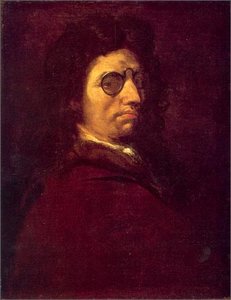
Luca Giordano
1634 - 1705 , Olaszország
Rövid információk
- Artistic Movement Or Style: Késő barokk
- Artists Or Movements Influenced By This Artist: ['Paolo de Matteis']
- Artists Who Influenced This Artist:
- Ribera
- Titian
- Veronese
- Date Of Birth: 1634. október 18.
- Date Of Death: 1705. január 12.
- Full Name: Luca Giordano
- Nationality: Olasz
- Notable Artworks:
- Párizs ítélete
- Krisztus a doktoraival
- Place Of Birth (City And Country): Nápoly, Itália
Kapcsolódó cikkek

The Dramatic Flourish: Exploring the Baroque Movement's Enduring Legacy in Art History
Explore the dramatic world of Baroque art! Discover iconic artists like Caravaggio & Rubens, defining techniques, and its lasting impact on art history. Expert insights for collectors & enthusiasts at OriginalUniqueArt.

The Visceral Stage: Exploring Dramatic Narratives & Emotional Intensity in Baroque Art
Explore the dramatic world of Baroque art! Discover iconic masters like Caravaggio & Rembrandt, their techniques, and the movement's lasting impact. Expert insights for collectors & enthusiasts at OriginalUniqueArt.

A Barokk Mesterek 10 Legikonikusabb Remekműve – OriginalUniqueArt.com
Fedezze fel a barokk művészet 10 legpártosabb remekművét! Caravaggio, Rembrandt és Vermeer alkotásainak története – OriginalUniqueArt.com kínálatában exkluzív reprodukciók és inspiráló dekorációs ötletek várják Önt. Nézze meg most!
Luca Giordano: Neapolitan Baroque Master & His European Influence
Explore the life & works of Luca Giordano, the celebrated Neapolitan Baroque master. Discover his prolific fresco cycles, Roman commissions, and lasting influence on European art history. Learn more at OriginalUniqueArt.

Drama and Light: A Definitive Guide to the Italian Baroque Masterpieces and the Revolution of Chiaroscuro
Explore the dramatic world of Italian Baroque art. Discover how masters like Caravaggio used chiaroscuro and tenebrism to revolutionize painting through light, shadow, and profound realism. A definitive guide for history lovers and art collectors.


