

 Előnézet
 Megosztás
 Megosztás
 Részletek
 Útmutató

 Letöltés
 Hasonló darabok
 X-ray felvétel
 Diavetítés
 Statisztika
Apollo and Marsia


 Tovább olvasom
Giclée / Műnyomat
Múzeumi minőségű giclée vagy vászonnyomat, gyors gyártással és rugalmas finomítási lehetőségekkel. ( Kézzel festett másolat vásárlása Áttérés digitális képre)




P118B Ft10

P118H Ft10

P118W Ft10

P438Z Ft10

P508JH Ft12

P508YH Ft12

P805H Ft10

P805Z Ft10

P919BZ Ft10

P919G Ft10

P919XJ Ft10

P959ZH Ft10

P968JZ Ft12

W106C Ft8

W218G Ft10

W218JH Ft8

W218Y Ft10

W307PJ Ft10

W316G Ft10

W316PJ Ft8

W316Y Ft10

W398PJ Ft8

W4111J Ft10

W500HY Ft15

W500JH Ft15

W692G Ft12

W849H Ft8

W940BG Ft15

W953PJ Ft8




Válasszon előre meghatározott méreteink közül, amelyek megfelelnek a műalkotás eredeti arányainak.

Írja be a keretének vagy a falának megfelelő szélességet és magasságot. A nyomatot csak le lehet vágni, soha nem tehető nagyobbá, mint az eredeti kép, így egy eltérő alakú méretnél a kép egy része elveszik. Mielőtt bármit kinyatintanánk, küldünk egy digitális próbamodellt jóváhagyásra. Az oldalon látható kép nem tartalmazza a valós levágást — ezt csak a próbamodell mutatja meg.
Világszerte történő kiszállítás területére mindössze 2 hét alatt, a szokásos 4-5 hét helyett. (25 október)

Ingyenes globális expressz szállítás

Prémium minőségű len vászon

Teljes körű szállítási biztosítás

Vámvisszatérítési Garancia

Tökéletes színarányosság garancia

100 napos visszaküldési garancia (csak gyártási hibás termékek esetén)

100% pénzvisszatérítési garancia

Több darab vásárlásakor kedvezmény
 Az üvegkeretes opció csak 110 cm alatti méretben érhető el

Apollo and Marsia
Giclée / Műnyomat
Reprodukció méretei
-


Összesített ár
Ft 25642
A Divine Confrontation: The Drama of Apollo and Marsyas
In the sweeping tradition of the Neapolitan Baroque, Luca Giordano captures a moment of profound mythological tension in his masterpiece, Apollo and Marsia. The canvas serves as a stage for a high-stakes celestial conflict, where the divine meets the mortal in a clash of musical prowess and devastating consequence. At the heart of this composition lies the harrowing story of the satyr Marsyas, who dared to challenge the god Apollo to a musical contest. Through Giordano’s masterful hand, we witness not just a myth, but a visceral exploration of pride, power, and the heavy price of hubris.
The scene is rendered with an intense chiaroscuro, where deep, velvety shadows collide with brilliant highlights to create a theatrical atmosphere that pulls the viewer into the struggle. The composition is masterfully dynamic, utilizing diagonal lines that guide the eye from the regal, poised figure of Apollo down to the prostrate and defeated form of Marsyas. This movement creates an inescapable sense of momentum, mirroring the unstoppable force of divine justice. As light spills across the figures, it emphasizes the muscular anatomy and the flowing drapery, lending a sculptural weight to the characters that makes their suffering feel tangibly real.
Technique and the Baroque Spirit
Giordano, often celebrated as "Luca fa presto" for his incredible speed and prolific talent, demonstrates here a sophisticated command of oil on canvas. The technique is characterized by a rich, painterly texture where visible brushstrokes contribute to the overall energy of the piece. While the artist’s early training under Jusepe de Ribera instilled in him a sense of dramatic tenebrism—the stark contrast between light and dark—Giordano infuses this work with a burgeoning luminosity. This balance between shadow and light prevents the scene from becoming purely somber, instead imbuing it with a vibrant, breathing vitality.
The color palette is dominated by deep, earthy tones that ground the mythological event in a sense of gravity, yet these are punctuated by luminous highlights on skin and fabric. This careful orchestration of color and light serves to heighten the emotional stakes; the brightness of Apollo’s presence stands in stark opposition to the darkening, more turbulent atmosphere surrounding the fallen Marsyas. For the collector or designer, this piece offers a profound sense of depth and movement, making it a commanding focal point that brings the sophisticated drama of 17th-century Italy into a contemporary space.
Symbolism and Emotional Resonance
Beyond the physical struggle, Apollo and Marsia is a profound meditation on the hierarchy of the universe. Apollo represents the ordered, divine intellect, while Marsyas embodies the raw, untamed impulses of nature. The presence of the musical instrument near the fallen figure serves as a poignant symbol of the contest that led to this moment of ruin. Every element of the painting—from the distressed expressions of the background figures to the heavy, atmospheric shadows—is designed to evoke a complex spectrum of emotions: tension, despair, and a haunting sense of pity.
For those seeking to adorn a space with art that speaks to the human condition, this reproduction offers more than mere decoration. It provides an opportunity to possess a fragment of Baroque history, a work that invites contemplation on the themes of ambition and fate. The painting’s ability to command attention through its intense emotionality and technical brilliance makes it an ideal selection for those who appreciate art that is both intellectually stimulating and visually breathtaking.
Gyakran Ismételt Kérdések
Hol tudom letölteni a(t) „Apollo and Marsia”, Luca Giordano alkotása?
A „Apollo and Marsia”, Luca Giordano alkotása képe letölthető a mű alkotásának Letöltés oldaláról: magas felbontású digitális kép letöltés.
Hol javasolt a(z) "Apollo and Marsia" Landscape formátumú alkotás kihelyezését?
A formátum (Landscape) és a javasolt helyiség (Restaurant) az a két elhelyezési adat, amely a „Apollo and Marsia”, Luca Giordano alkotása alkotáshoz tartozik.
Elérhető-e a "Apollo and Marsia" nagy felbontású letöltése?
A "Apollo and Marsia" elérhető magas felbontású digitális kép letöltés formátumban, amelyet közvetlenül a Digitális kép oldalon vásárolhat meg.
A művész életrajza
Egy nápolyi tűzgyújtó: Luca Giordano élete és művészete
Luca Giordano, 1634-ben született Nápolyban, hamar a késő barokk kor szellemiségének megtestesítőjévé vált. Nem csupán festő volt, hanem egy természeti erő, egy kreativitás örvénye, melynek páratlan produktivitása átalakította az olasz és spanyol területek vásznait és építészeti tereit egyaránt. Apja, Antonio Giordano fektette le a művészi képzés alapjait, de Jusepe de Ribera szigorú, ám mesteri útmutatása alatt kezdte Luca igazán kialakítani sajátos stílusát. Ez a korai tanulság nyomot hagyott rajta, ami megnyilvánult az alakok drámai intenzitásában és realista ábrázolásmódjában, melyek Giordano első alkotásait jellemezték. Ribera gyakran komor palettájától eltérően azonban Luca természetes hajlama volt a fényességre és a mozgásra – olyan tulajdonságok, amelyek végül meghatározták egyedi stílusát. Már ekkor elnyerte a „Luca fa presto” (Luca a gyors) becenevet, ami figyelemreméltó sebességére és látszólag határtalan energiájára utalt. Nem csupán tehetséges volt, hanem képes volt mély érzelmeket és lenyűgöző látványosságokat megörökíteni olyan könnyedséggel, ami ámulatba ejtette kortársait.Utazások és megbízások: A művész állandó mozgásban
Giordano művészi útja messze nem volt statikus. Egy dinamikus fejlődés volt, melyet megrendelések és utazások hajtottak, elvezette az olasz félszigeten túlra is. Nápolyban kiemelkedő csillaggá emelkedett, majd lehetőségeket keresett Rómában, Firenzében és Velencében, felszívva minden város egyedi hatásait szivacsként. Velencében tanulmányozta Titian és Veronese munkásságát, átvéve élénk színpalettájukat és dinamikus kompozícióikat – éles ellentétben a korai képzésének árnyékos tenebrizmusával. Firenzében jelentős falfestményciklusokat vállalt, leginkább a Chiesa del Carmine Corsini kápolnájának dómján, bemutatva növekvő mesterségét az illuzionisztikus térben és a narratív történetmesélésben. De éppen egy évtizedes spanyolországi tartózkodása (1682-1692) szilárdította meg nemzetközi hírnevét. II. Károly udvari festőjévé nevezték ki, és Giordano gazdag falfestményekkel varázsolta át a spanyol belső tereket, friss olasz lendületet juttatva a visszafogottabb spanyol művészeti hagyományokba. A firenzei Biblioteca Riccardiana allegorikus falfestményeivel, melyek az isteni bölcsességet ünneplik, példaként szolgál erre az időszakra, bemutatva képességét az intellektuális mélység és a vizuális pompák ötvözésére.Egy stílus szintézise: Giordano művészi kézjegy
Giordano zsenialitása nem új technikák feltalálásában rejlett, hanem a meglévők szintézisében egy figyelemre méltó folyékony és dekoratív stílussá. Mesteri módon ötvözte Ribera örökségének drámai realizmusát, a velencei festők által inspirált fényes kolorizmust és Pietro da Cortona dinamikus kompozícióit. Ecsetkezelése szabadságával és spontaneitásával jellemezhető, ami könnyedség érzetét keltett. Nem tartózkodott az ornamentikától, vásznait bonyolult részletekkel és hullámzó draperákkal töltötte meg – ez a késői stílusának védjegye. Ez a megközelítés lehetővé tette számára, hogy széles körű témákat – vallási jeleneteket, mitológiai történeteket, portrékat és dekoratív sémákat – egyaránt hasonló bravúrával kezeljen. A párizsi ítélet, mely a berlini múzeumban található, példaként szolgál erre a szintézisre; ez a klasszikus mitológia vibráló ábrázolása, amely egyértelműen barokk stílusban készült. Falfestményei, különösen a nápolyi székesegyházban és számos nápolyi palotában találhatóak, monumentális alkotások, amelyek átalakítják az építészeti tereket magával ragadó vizuális élményekké, melyek színnel és drámával borítják be a nézőt.Hagyaték és hatás: Egy mester tartós öröksége
Luca Giordano hatása élete után is túlmutatott rajta. Számos tanítványt nevelt, köztük Paolo de Matteis-t, aki sikeres művésszé vált, terjesztve stilisztikai innovációit Itáliában és azon kívül. Munkássága hidat képezett a magas barokk és a rokokó korszak között, utat nyitva a 18. századi művészet könnyedebb, játékosabb esztétikájának. Párátlan termelékenysége – több mint hatszáz festményre és számos falfestményciklusra becsülve – továbbra is lenyűgözi a közönséget. A nápolyi Capodimonte palota kincsesbánya a művei számára, átfogó képet nyújtva művészi fejlődéséről. Giordano képessége a technikai virtuozitás és az érzelmi mélység zökkenőmentes ötvözésére biztosítja helyét az olasz barokk egyik legfontosabb és legkedveltebb alakjaként. 1705-ben halt meg szülővárosában, Nápolyban, örökséget hagyva maga után, amely továbbra is inspirálja a művészeket és a művészet szerelmeseit egyaránt.Főbb művek és művészeti kapcsolatok
Íme néhány figyelemreméltó munka és művészeti kapcsolat:- A párizsi ítélet (Berlini Múzeum): Giordano mitológiai festményeinek kiemelkedő példája, bemutatva vibráló színpalettáját és dinamikus kompozícióját.
- Krisztus a templomban a tanítókkal (Corsini Galéria, Róma): Bemutatja képességét a vallási narratívákban és a fény-árnyék mesteri kezelésében.
- Falfestmények Firenzében és Nápolyban: Monumentális alkotások, amelyek átalakították az építészeti tereket magával ragadó vizuális élményekké.
- Hatások: Jusepe de Ribera, Titian, Veronese, Pietro da Cortona
- A művészre hatottak: Paolo de Matteis és egy generáció nápolyi festője.
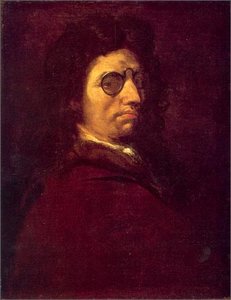
Luca Giordano
1634 - 1705 , Olaszország
Gyors információk
- Artistic Movement Or Style: Késő barokk
- Artists Or Movements Influenced By This Artist: ['Paolo de Matteis']
- Artists Who Influenced This Artist:
- Ribera
- Titian
- Veronese
- Date Of Birth: 1634. október 18.
- Date Of Death: 1705. január 12.
- Full Name: Luca Giordano
- Nationality: Olasz
- Notable Artworks:
- Párizs ítélete
- Krisztus a doktoraival
- Place Of Birth (City And Country): Nápoly, Itália
Kapcsolódó cikkek

Masterpieces of Motion: The Top 25 Greatest Artworks by Peter Paul Rubens
Immerse yourself in the dramatic splendor of Baroque master Peter Paul Rubens. Explore 25 iconic paintings, from mythological tales to vibrant oil masterpieces. Find inspiration for museum-quality art reproductions and decor. Discover all masterpieces on OriginalUniqueArt.com.

Masterpieces of Motion: The Top 25 Greatest Artworks by Peter Paul Rubens
Immerse yourself in the dramatic beauty of Baroque masterworks. Explore our curated list of the top 25 Peter Paul Rubens paintings, from mythological epics to powerful portraits. Find inspiration for museum-quality art reproductions and decor. Discover all masterpieces on OriginalUniqueArt.com.

Masterpieces of Motion: The Top 25 Greatest Artworks by Peter Paul Rubens
Immerse yourself in the dramatic splendor of Baroque master, Peter Paul Rubens. Explore 25 iconic paintings, from mythological epics to vibrant portraits. Find inspiration for museum-quality art reproductions and luxury decor. Discover all masterpieces on OriginalUniqueArt.com.
10 Iconic Baroque Masterpieces That Changed Art Forever
Step into the drama of the Baroque era. Explore 10 iconic masterpieces featuring dramatic chiaroscuro and legendary artists. Find inspiration for your space with museum-quality art reproductions and curated decor. Discover all masterpieces on OriginalUniqueArt.com.

10 Iconic Baroque Masterpieces That Changed Art Forever
Step into the drama of the Baroque era. Explore 10 iconic masterpieces by legends like Caravaggio and Rembrandt, featuring breathtaking chiaroscuro and emotion. Find museum-quality art reproductions for your decor. Discover all masterpieces on OriginalUniqueArt.com.


