

 Megtekintés
 Küldés
 Megosztás
 Részletek
 Útmutató

 Letöltés
 Hasonló darabok
 X-ray felvétel
 Diavetítés
 Q&A
Q&A Statisztika
Henry Wilkinson Cookson


 Összes részlet megjelenítése
Giclée / Műnyomat
Múzeumi minőségű giclée vagy vászonnyomat, gyors gyártással és rugalmas finomítási lehetőségekkel. ( Kézzel festett másolat rendelése Áttérés digitális képre)




P118B Ft10

P118H Ft10

P118W Ft10

P438Z Ft10

P508JH Ft12

P508YH Ft12

P805H Ft10

P805Z Ft10

P919BZ Ft10

P919G Ft10

P919XJ Ft10

P959ZH Ft10

P968JZ Ft12

W106C Ft8

W218G Ft10

W218JH Ft8

W218Y Ft10

W307PJ Ft10

W316G Ft10

W316PJ Ft8

W316Y Ft10

W398PJ Ft8

W4111J Ft10

W500HY Ft15

W500JH Ft15

W692G Ft12

W849H Ft8

W940BG Ft15

W953PJ Ft8




Válasszon előre meghatározott méreteink közül, amelyek megfelelnek a műalkotás eredeti arányainak.

Írja be a keretének vagy a falának megfelelő szélességet és magasságot. A nyomatot csak le lehet vágni, soha nem tehető nagyobbá, mint az eredeti kép, így egy eltérő alakú méretnél a kép egy része elveszik. Mielőtt bármit kinyatintanánk, küldünk egy digitális próbamodellt jóváhagyásra. Az oldalon látható kép nem tartalmazza a valós levágást — ezt csak a próbamodell mutatja meg.
Világszerte történő kiszállítás területére mindössze 2 hét alatt, a szokásos 4-5 hét helyett. (30 október)

Ingyenes globális expressz szállítás

Prémium minőségű len vászon

Teljes körű szállítási biztosítás

Vámvisszatérítési Garancia

Hiteles színarányosság garancia

100 napos visszaküldési lehetőség (csak hibás termékek esetén)

100% pénzvisszatérítési garancia

Több darab vásárlásakor kedvezmény
 Az üvegkeretes opció csak 110 cm alatti méretben érhető el

Henry Wilkinson Cookson
Giclée / Műnyomat
Reprodukció mérete
-


Összesített ár
Ft 26157
Henry Wilkinson Cookson – Egy Cambridge Ünnep Érzeke
A „Henry Wilkinson Cookson” című műalkotás egy különleges alkotás, mely Peterhouse Collegium szégyensége és büszkesége tükröződik meg. Lowes Cato Dickinson 1875-ben festette meg ezt a tájképet, amikor még mindig aktív szerepet játszott az angol művészet és társadalmi életében. Ez nem csak egy egyszerű portréó; hanem egy időszak szellemiségének és tudományos értékének megörökítése. Dickinson bátyja Joseph Dickinson, egy kiváló litográfus és kiadó volt Bond Streeten, ami nagyban befolyásolta Lowes Cato Dickinson életét és művészi pályáját. Az ő családjuk kapcsolatára pedig az időszak meghatározó művészei és gondolkodói tekintettel lehetünk Született 1819-ben és végül meghalt 1908-ban, Kilburn városában. Dickinson Brothers nevű nyomdaipari vállalkozásának sikere bizonyítja, hogy Dickinson és fia együttes erővel képes volt megváltoztatni az időszak művészi világát. A festmény egy férfióságot ábrázoló tájképet mutat be, mely nagy hangsúlyt helyez el a részletek precíz megjelenítésére és az árnyékok szabályszerű használatára. Dickinson technikája realista jellegű, és követi az akkori művészek hagyományos módszereit. Az alkotás fő színtere egy sötét háttér, amely kontrasztot képez Cookson bőre színével, ami különösen jól mutatja meg a férfióság szégyensét és büszkeségét. Egy fehér nyakkendő pedig még tovább fokozza ezt az elegáns megjelenést. A tájképen szerepel egy nagy ház és egy kert, melyek közepén Cookson álló helyzetében van. Az épület hatalmas és impozáns, ami tükröződik meg a festmény színeiben és fényében. A táj széles körben mutatja meg Peterhouse Collegium környezetét és jellegét, ami egy időszak jelentőségét és tudományos hagyományát idézi fel. Dickinson műve nem csak egy egyszerű tájképet tartalmaz; hanem egy teljes életmód tükröződik meg benne. Együtt érzünk vele az elmélkedés és a szégyens érzését egy időszak nagy eredményének örömét és büszkeségét. Ez egy igazán különleges műalkotás, mely minden látójának megköszönheti az időszak szellemiségének és tudományos értékének megörökítését.Kérdések és válaszok
Mennyire fényes „Henry Wilkinson Cookson”, Lowes Cato Dickinson alkotása?
A „Henry Wilkinson Cookson”, Lowes Cato Dickinson alkotása alkotás Sötét fényerőséggel rendelkezik. A fényerő azt mutatja meg, hogy a színek mennyire tűnnek visszafényesnek.
Milyen technikával készült a(z) „Henry Wilkinson Cookson”, Lowes Cato Dickinson alkotása?
A „Henry Wilkinson Cookson”, Lowes Cato Dickinson alkotása technikája Akril vászonon. A reprodukciók célja ezen technika megjelenítésének hiteles återadása.
Mi magyarázza a „Henry Wilkinson Cookson”, Lowes Cato Dickinson alkotása szerzői jogi helyzetét?
A "Henry Wilkinson Cookson" szerzői jogi státusza – közösségi tulajdon – a szerzői jog lejártt – a művész 1908 évi halálából adódik.
A művész életrajza
A Life Etched in Portraits: The World of Lowes Cato Dickinson
Lowes Cato Dickinson, born in Kilburn, London, in 1819, was a figure deeply embedded within the artistic and social currents of Victorian England. Coming from a family intimately connected to the art world—his father, Joseph Dickinson, being a respected lithographer and publisher on Bond Street—Dickinson’s path seemed preordained. Yet, his journey wasn't merely one of inheritance but of active engagement with the evolving aesthetic sensibilities and progressive social movements of his time. One of eleven siblings, he received his early education at Topsham School and Dr Lord's School in Tooting, grounding him in a solid foundation before fully immersing himself within the family business following his father’s death in 1849. He then joined forces with his brothers, Gilbert Bell Dickinson and William Robert Dickinson, to continue the legacy of Dickinson Brothers on Bond Street, a firm that quickly became synonymous with quality art publishing and photography. This early exposure wasn't simply about commerce; it was an apprenticeship in visual culture, shaping his eye for detail and composition—qualities that would define his later work as a portraitist.The Pre-Raphaelite Circle and the Call of Social Reform
Dickinson’s artistic development took a significant turn with a three-year sojourn in Italy around 1850. This period proved formative, exposing him to the masterpieces of the Renaissance and influencing his evolving style. Upon his return to England, he found himself drawn into the orbit of the Pre-Raphaelite Brotherhood. Though not a formal member, Dickinson engaged in correspondence and collaboration with key figures like Dante Gabriel Rossetti and John Ruskin, absorbing their emphasis on truth to nature and emotional intensity. He even lectured alongside them, solidifying his position within this influential artistic milieu. This association wasn’t purely aesthetic; it was intertwined with a burgeoning sense of social responsibility. Dickinson became deeply involved in the Christian socialist movement, a group advocating for social justice through the lens of faith. His commitment manifested most concretely in 1854 with the co-founding of the Working Men's College in London. This institution, dedicated to providing accessible education to working-class individuals, was a testament to his belief in the transformative power of knowledge and a reflection of his desire to bridge social divides. The presence of Ford Madox Brown, who worked for Dickinson Brothers, further underscores his connection to this vibrant artistic and intellectual network.A Portraitist of Victorian Society
Dickinson’s skill lay not in grand historical narratives or dramatic allegories but in capturing the essence of his sitters—the prominent figures who shaped British society. He painted Queen Victoria herself, members of Parliament, leading scientists like Arthur Cayley and James Clerk Maxwell, and fervent Christian socialists such as Charles Kingsley and Thomas Hughes. He developed a remarkable technique, often focusing solely on rendering the faces of his subjects with meticulous detail, leaving the depiction of clothing and accessories to other artists. This collaborative approach allowed him to concentrate on conveying personality and character through nuanced facial expressions and subtle shading. Perhaps one of his most celebrated achievements was the 1868 cabinet portrait of Mr. Gladstone, captured within the iconic Cabinet Room of 10 Downing Street—a work that offers a fascinating glimpse into the inner workings of British politics. He also became renowned for his unique ability to create posthumous portraits, skillfully reconstructing likenesses from photographs or descriptions, ensuring that memory endured beyond physical presence.Notable Works and Recognition
Dickinson’s prolific output spanned decades, producing over 300 portraits—a remarkable feat considering the era's constraints on artistic production. Among his most enduring images are depictions of Gladstone (1868), Lord Tennyson (1879), Sir Edward Burne-Jones (1882), and numerous members of Parliament and prominent academics. His distinctive style, characterized by a masterful command of tonal gradation and an unwavering attention to anatomical accuracy, cemented his reputation as one of the foremost portrait painters of his time. He was awarded the Royal Academy Gold Medal in 1879 for his contribution to British art. Furthermore, his portraits hang prominently in institutions such as the National Portrait Gallery in London and Cambridge University—a lasting testament to his artistic legacy and its enduring influence on subsequent generations of artists.Legacy and Enduring Influence
Lowes Cato Dickinson’s life embodies a fascinating confluence of artistic talent, social conscience, and intellectual curiosity. He wasn't merely a painter of portraits; he was a chronicler of his time—a visual historian who captured the spirit of an era defined by both progress and profound societal challenges. His legacy endures not only in the images he created but also in the institutions he helped build, continuing to inspire generations with their commitment to education, social justice, and the power of art.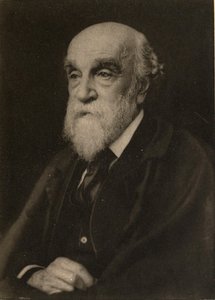
Lowes Cato Dickinson
1819 - 1908 , Egyesült Királyság
Rövid információk
- Artistic Movement Or Style: Pre-Raphaelite
- Artists Or Movements Influenced By This Artist: ['Christian Socialism']
- Artists Who Influenced This Artist:
- John Ruskin
- Dante Gabriel Rossetti
- Date Of Birth: November 27, 1819
- Date Of Death: 1908
- Full Name: Lowes Cato Dickinson
- Nationality: British
- Notable Artworks:
- Gladstone's Cabinet (1868)
- Gordon Portrait
- Place Of Birth: Kilburn, United Kingdom
Kapcsolódó cikkek

The Enduring Legacy of Oil on Canvas: Technique, History & Aesthetic Impact
Explore the rich history & techniques of oil painting – from Renaissance masters to Impressionism. Discover pigments, layering methods, and why this timeless medium endures. Expert insights for artists & art enthusiasts.

Oil on Canvas: A Historical & Technical Exploration of a Timeless Artistic Medium
Explore the rich history & enduring techniques of oil painting on canvas. Discover the science behind its longevity, conservation practices, and contemporary relevance. Expert insights for art enthusiasts.

The Timeless Charm of Oil on Board: Reimagining Texture and Light through the Impressionist Lens
Discover the profound intimacy of oil on panel. Explore how Impressionist masters used rigid supports to capture light, texture, and impasto depth through exquisite, handmade oil reproductions for discerning collectors.

Az olajfestészet örökös hagyatéka: technika, történelem és kortárs gyakorlat
Fedezze fel az olajfestészet történetét, technikáit és a kortárs művészeti trendeket! Szakértői útmutatók, híres festők alkotásai és tippek az olajfestmény ápolásához. Inspirálódjon most!

The Enduring Power of Painting: A Historical & Contemporary Exploration of Form and Emotion
Explore the rich history & enduring techniques of oil painting with OriginalUniqueArt. Discover masterpieces, learn about art collecting, and find authentic handmade reproductions crafted by skilled artists.


