

 Megtekintés
 Küldés
 Megosztás
 Részletek

 Letöltés
 Hasonló darabok
 X-ray felvétel
 Diavetítés
Clara Pater
 Oil On Canvas
- WallArt
- Academic Realism
 1860
1860 80.0 x 62.0 cm
 Somerville College
 Összes részlet megjelenítése
Vásároljon nagy felbontású, javított digitális képet, amely minőségében messze felülmúlja az online előnézetet.
Minden fájlt szakembereink a legmodernebb eszközök és precíz, kézi retusálás segítségével készítenek el aprólékosan. Gondoskodunk arról, hogy minden kép kivételes tisztasággal, pontos színhelyességgel és részletgazdag finomsággal rendelkezzen.
A végleges fájl 72 órán belül e-mailben megérkezik, professzionális, szerkesztői és nyomtatási környezetbe optimalizálva az azonnali használathoz. Ez ugyanaz a minőség, amelyben a legmeghatározóbb tervezőstúdiók, kiadók és galériák is megbízhatnak.
Digitális kép
Töltsön le nagy felbontású fájlt személyes kiállításokhoz, nyomtatáshoz és kreatív projektekhez. ( Nyomat rendelése Kézzel festett másolat rendelése)
Minden digitális kép rendeléséhez tartozó extrák
Szakértői digitális kézbesítés, garantáltan
Amikor a OriginalUniqueArt.com szolgáltatást választja, nem csupán egy képet kap – professzionálisan felmagasított digitális műalkotást kap, amely precizitással készült, és amelyet megelégsedési gwarancia tesz biztoslássá. Az alábbiakban automatikusan minden benne 】

Gyors e-mail teslimítés
A nagy felbontású digitális képmásolatát a megrendelést követő 72 órán belül e-mailben elküldjük Önnek – azonnal használható formátumban.

MI-alapú digitális fejlesztésű fájl
Műve professzionális módon kerül optimalizálásra fejlett mesterséges intelligencia eszközök és manuális szerkesztés segítségével, biztosítva a maximális részletességet, tisztaságot és színpontosságot.

Örök életű ingyenes újradelivery
Véletlenül törölted vagy elvesztetted a fájlodat? Ne aggódj – bármikor ingyen újra megküldjük neked.

Nincs importköltség – soha
Élvezze műalkotásait azonnal, vám, illeték vagy szállítási költség nélkül – a digitális letöltések mindig adamentesek.

Színpontosság garantálása
Professzionális eszközök és színkezelés segítségével garantáljuk, hogy digitális képe a lehető legpontosabban tükrözze az eredeti színeket.

60 napos elégedettségi garancia
Ha nemມີ elégedett a digitális képpel, 60 napon belül átmunkáljuk azt, vagy 100% visszatérítjük az amountot – kérdés nélkül.

100% Pénzvisszatérítési garancia
Nem érheted el a teljes elégedettséget? 60 napon belül teljes visszatérítést kapsz a digitális fájlod megérkezése után – kérdés nélkül.

Tömegrendelési kedvezmények
Vásároljon 3 képet, spóroljon 10%-et - Vásároljon 5-öt, spóroljon 15%-et - Vásároljon 10+ képet, spóroljon 20%-at. Kiváló kreatív projektekhez, galériákhoz és ügynökségekhez.
A gyűjtemény részletei
Clara Pater: A Study in Victorian Dignity
Lowes Cato Dickinson’s portrait of Clara Pater stands as a quintessential emblem of late 19th-century artistic sensibility—a testament to the Pre-Raphaelites' fascination with capturing inner life and conveying moral seriousness. Painted in 1860, this oil on canvas masterpiece resides within Somerville College, Oxford, offering viewers an intimate glimpse into a period defined by intellectual debate and burgeoning feminist aspirations. Dickinson’s meticulous approach to composition and execution speaks volumes about his commitment to academic realism, prioritizing accuracy of form and subtle tonal gradations over flamboyant embellishment.- Composition: The portrait is centered around Clara Pater's face and upper body, seated posture immediately establishing a formal demeanor indicative of Victorian social conventions. Dickinson skillfully employs lines—defining the folds of her gown and delineating contours of her visage—to sculpt volume and texture, guiding the eye towards the subject’s gaze.
- Style: Dickinson adheres to the tenets of academic realism, mirroring the stylistic preferences championed by luminaries like Ruskin and Rossetti. The artist's aim was not merely to depict Clara Pater visually but to convey her character—her quiet dignity and contemplative spirit—through careful observation and artistic rendering.
- Technique: Dickinson’s technique involves layering paint in thin glazes, building up texture and form with painstaking detail. This method allows for nuanced tonal variations that imbue the canvas with depth and luminosity, capturing the soft diffused light that illuminates Clara Pater's features. The artist’s brushwork is particularly evident in the fabric of her gown—a rich tapestry of color and sheen—demonstrating a mastery of pigment manipulation.
Symbolism: Jewelry and Remembrance
Beyond its formal aesthetic qualities, Clara Pater embodies symbolic elements characteristic of Victorian art. The necklace adorning Clara’s neck represents wealth and status—a visible marker of her familial background and social standing—reflecting the societal pressures surrounding women's roles during this era. Simultaneously, the floral arrangement positioned behind Clara serves as a poignant gesture of remembrance, hinting at themes of beauty and mourning—perhaps referencing memories of loved ones or reflecting upon the passage of time. Dickinson’s deliberate inclusion of these symbolic motifs underscores his belief that art possesses the capacity to communicate profound emotional truths beyond mere visual representation.Historical Context: The Pre-Raphaelite Ideal
Dickinson's Clara Pater is firmly rooted in the artistic landscape of the Pre-Raphaelites, a movement dedicated to reviving medieval artistic ideals and rejecting the perceived artificiality of academic art. Influenced by Ruskin’s moral philosophy—particularly his critique of Victorian materialism—the Pre-Raphaelites sought to infuse their paintings with spiritual depth and psychological insight. Dickinson's stylistic choices—his emphasis on tonal subtlety, meticulous detail, and symbolic resonance—align seamlessly with this broader artistic ethos, reflecting a desire to elevate art beyond mere decorative function into a vehicle for conveying moral contemplation and aesthetic beauty.Emotional Impact: Quiet Dignity and Restrained Emotion
Ultimately, Clara Pater resonates with an enduring emotional tone—one of quiet dignity and restrained emotion—a hallmark of Victorian portraiture. Dickinson’s masterful depiction captures the essence of his subject's inner life—her contemplative gaze and serene composure—suggesting a profound awareness of beauty and moral responsibility. The painting invites viewers to contemplate themes of femininity, intellectuality, and remembrance, prompting reflection on the values cherished by Victorian society and celebrating the enduring power of art to communicate timeless truths about human experience.A művész életrajza
A Life Etched in Portraits: The World of Lowes Cato Dickinson
Lowes Cato Dickinson, born in Kilburn, London, in 1819, was a figure deeply embedded within the artistic and social currents of Victorian England. Coming from a family intimately connected to the art world—his father, Joseph Dickinson, being a respected lithographer and publisher on Bond Street—Dickinson’s path seemed preordained. Yet, his journey wasn't merely one of inheritance but of active engagement with the evolving aesthetic sensibilities and progressive social movements of his time. One of eleven siblings, he received his early education at Topsham School and Dr Lord's School in Tooting, grounding him in a solid foundation before fully immersing himself within the family business following his father’s death in 1849. He then joined forces with his brothers, Gilbert Bell Dickinson and William Robert Dickinson, to continue the legacy of Dickinson Brothers on Bond Street, a firm that quickly became synonymous with quality art publishing and photography. This early exposure wasn't simply about commerce; it was an apprenticeship in visual culture, shaping his eye for detail and composition—qualities that would define his later work as a portraitist.The Pre-Raphaelite Circle and the Call of Social Reform
Dickinson’s artistic development took a significant turn with a three-year sojourn in Italy around 1850. This period proved formative, exposing him to the masterpieces of the Renaissance and influencing his evolving style. Upon his return to England, he found himself drawn into the orbit of the Pre-Raphaelite Brotherhood. Though not a formal member, Dickinson engaged in correspondence and collaboration with key figures like Dante Gabriel Rossetti and John Ruskin, absorbing their emphasis on truth to nature and emotional intensity. He even lectured alongside them, solidifying his position within this influential artistic milieu. This association wasn’t purely aesthetic; it was intertwined with a burgeoning sense of social responsibility. Dickinson became deeply involved in the Christian socialist movement, a group advocating for social justice through the lens of faith. His commitment manifested most concretely in 1854 with the co-founding of the Working Men's College in London. This institution, dedicated to providing accessible education to working-class individuals, was a testament to his belief in the transformative power of knowledge and a reflection of his desire to bridge social divides. The presence of Ford Madox Brown, who worked for Dickinson Brothers, further underscores his connection to this vibrant artistic and intellectual network.A Portraitist of Victorian Society
Dickinson’s skill lay not in grand historical narratives or dramatic allegories but in capturing the essence of his sitters—the prominent figures who shaped British society. He painted Queen Victoria herself, members of Parliament, leading scientists like Arthur Cayley and James Clerk Maxwell, and fervent Christian socialists such as Charles Kingsley and Thomas Hughes. He developed a remarkable technique, often focusing solely on rendering the faces of his subjects with meticulous detail, leaving the depiction of clothing and accessories to other artists. This collaborative approach allowed him to concentrate on conveying personality and character through nuanced facial expressions and subtle shading. Perhaps one of his most celebrated achievements was the 1868 cabinet portrait of Mr. Gladstone, captured within the iconic Cabinet Room of 10 Downing Street—a work that offers a fascinating glimpse into the inner workings of British politics. He also became renowned for his unique ability to create posthumous portraits, skillfully reconstructing likenesses from photographs or descriptions, ensuring that memory endured beyond physical presence.Notable Works and Recognition
Dickinson’s prolific output spanned decades, producing over 300 portraits—a remarkable feat considering the era's constraints on artistic production. Among his most enduring images are depictions of Gladstone (1868), Lord Tennyson (1879), Sir Edward Burne-Jones (1882), and numerous members of Parliament and prominent academics. His distinctive style, characterized by a masterful command of tonal gradation and an unwavering attention to anatomical accuracy, cemented his reputation as one of the foremost portrait painters of his time. He was awarded the Royal Academy Gold Medal in 1879 for his contribution to British art. Furthermore, his portraits hang prominently in institutions such as the National Portrait Gallery in London and Cambridge University—a lasting testament to his artistic legacy and its enduring influence on subsequent generations of artists.Legacy and Enduring Influence
Lowes Cato Dickinson’s life embodies a fascinating confluence of artistic talent, social conscience, and intellectual curiosity. He wasn't merely a painter of portraits; he was a chronicler of his time—a visual historian who captured the spirit of an era defined by both progress and profound societal challenges. His legacy endures not only in the images he created but also in the institutions he helped build, continuing to inspire generations with their commitment to education, social justice, and the power of art.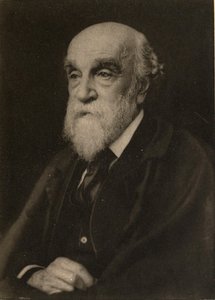
Lowes Cato Dickinson
1819 - 1908 , Egyesült Királyság
Érdekességek
- Artistic Movement Or Style: Pre-Raphaelite
- Artists Or Movements Influenced By This Artist: ['Christian Socialism']
- Artists Who Influenced This Artist:
- John Ruskin
- Dante Gabriel Rossetti
- Date Of Birth: November 27, 1819
- Date Of Death: 1908
- Full Name: Lowes Cato Dickinson
- Nationality: British
- Notable Artworks:
- Gladstone's Cabinet (1868)
- Gordon Portrait
- Place Of Birth: Kilburn, United Kingdom

