Berlin Secession · 1900
Salome, Second Version (Lovis Corinth, 1900)
Lovis Corinth (1858–1925) alkotása: Salome, Second Version 1900-ből származik. A Berlin Secession irányzathoz tartozik. Acrylic On Canvas anyagból készült. A műtárgyat a Leipzig, Németország-i Museum der bildenden Künste-ben őrzik. Mérete 127 × 148 cm.
- 1900
- Acrylic On Canvas
- 127 × 148 cm
- Museum der bildenden Künste, Leipzig

 Megtekintés

 Kézzel festett olajfestmény
 Küldés
 Megosztás
 Információs lap


 Letöltés
 Hasonló darabok
 X-ray felvétel
 Diavetítés
 Kérdések és válaszok

 Statisztika
Salome, Second Version röviden
- Cím
- Salome, Second Version
- Művész
- Lovis Corinth (1858–1925)
- A művész születési helye
- Gvargyejszk, Oroszország
- Dátum
- 1900
- Műszaki adatok
- Acrylic On Canvas
- Méretek
- 127 × 148 cm
- Megtekinthető helyszín
- Museum der bildenden Künste, Leipzig, Németország
- Mozgalom
- Berlin Secession
- Időszak
- 19th Century
- Téma
- salome, herodias, dance, tragedy, execution, biblical
Mit ábrázol a Salome, Second Version?
A Descent into Shadow and Desire: Lovis Corinth’s ‘Salome, Second Version’
Lovis Corinth's “Salome, Second Version,” painted in 1900, isn’t merely a depiction of the biblical tale; it’s a visceral exploration of power, betrayal, and the unsettling allure of darkness. This arresting canvas, currently residing within the Museum der Bildenden Künste in Leipzig, immediately commands attention with its dramatic composition and intensely expressive palette. Corinth, a pivotal figure bridging Impressionism and Expressionism, masterfully eschews traditional romanticism, instead presenting a Salome far removed from the idealized figures of earlier portrayals. Instead of a passive object of desire, she emerges as a complex, almost defiant presence – a woman caught in the throes of her own ambition and haunted by the consequences of her actions.
The painting’s genesis lies within the turbulent artistic landscape of early 20th-century Berlin. Corinth, having moved there from Munich, found himself at the heart of a vibrant, often contentious, art scene. The Secession group, with its emphasis on freedom and innovation, provided a fertile ground for his evolving style. “Salome” reflects this period’s fascination with psychological depth and emotional intensity – a departure from the polished surfaces of academic painting. Corinth deliberately chose to revisit the legend, not as a straightforward narrative illustration, but as an opportunity to delve into the character's inner turmoil and the moral ambiguity at the heart of the story.
The Dance and its Discontents: Technique and Composition
Corinth’s technique is immediately striking. He employs a bold, almost frenetic brushstroke – thick impasto applied with visible energy – that imbues the canvas with a sense of movement and urgency. The colors are rich and saturated, dominated by deep reds, purples, and blacks, creating an atmosphere of dramatic intensity. The composition itself is carefully constructed to draw the viewer into the scene. Salome, positioned centrally, dominates the foreground, her body tilted forward in a pose that suggests both vulnerability and calculated seduction. The figures surrounding her – the servant bearing the head, the watchful woman with the fan, and the shadowy men – are rendered with varying degrees of detail, contributing to the painting’s overall sense of unease and disorientation.
- Brushwork: Thick, expressive strokes create a dynamic and unsettling effect.
- Color Palette: Dominated by deep reds, purples, and blacks, evoking drama and shadow.
- Composition: Salome is centrally positioned, drawing the viewer's eye and emphasizing her role as the focal point of the scene.
Symbolism and Interpretation: A Portrait of Moral Ambiguity
Beyond the literal depiction of the biblical story, “Salome” is laden with symbolic meaning. The dance itself represents a dangerous allure – a seductive invitation to transgression. The severed head on the platter isn’t simply a gruesome trophy; it's a potent symbol of ambition and the destructive consequences of unchecked desire. Corinth deliberately avoids offering a clear moral judgment, instead presenting a complex portrait of a woman driven by both her own desires and the manipulative influence of her mother. The inclusion of the fan-bearing woman, often interpreted as Herodias, adds another layer of intrigue, suggesting a conspiracy at play – a deliberate orchestration of events that leads to John the Baptist’s demise.
Furthermore, the painting can be viewed through the lens of the burgeoning feminist movement of the time. Salome's defiant gaze and her unapologetic embrace of her sexuality challenged traditional notions of female virtue and presented a powerful image of female agency – albeit one ultimately consumed by tragedy. Corinth’s decision to portray her as a figure of both beauty and menace reflects the complex and often contradictory attitudes towards women in early 20th-century society.
Emotional Resonance: A Timeless Exploration of Human Darkness
“Salome, Second Version” continues to resonate with viewers today because it taps into fundamental human emotions – desire, betrayal, guilt, and the haunting awareness of our own mortality. Corinth’s masterful use of color, composition, and symbolism creates a painting that is both visually arresting and psychologically profound. It's not a comfortable image; it confronts us with the darker aspects of human nature and reminds us that even in moments of apparent beauty and pleasure, there can be a lurking sense of unease and impending doom. Reproductions of this powerful work offer a glimpse into Corinth’s artistic genius and provide an opportunity to contemplate the timeless themes explored within its shadowed depths.
Melyik múzeumban található meg a Salome, Second Version?
Museum der bildenden Künste
Leipzig, Németország
Az időben kovácsolt örökség: Leipzig művészeti szívének lelke Németország Szaxónia vibráló kulturális tájában egy olyan intézmény áll, amely sokkal több, mint puszta mesterművek gyűjtőhelye; az emberi ellenállás és a kreativitás maradandó erejének élő tanúja. A lipdeci Museum der bildenden Künste (MdbK) hét évszázadnyi művészeti törekvést foglal magába, olyan narratívát szőve, amely a késő középágtól a kortárs gyakorlat csúcspontjáig terjed. Az 1837-ben, a Lipdeci Művészeti Társaságként alapított múzeum útja a mély átalakulások története volt, amelyet a pusztítás árnyai és az újjászületés ragyogása vezérelt.


Salome, Second Version nagy felbontású képei
Felfüggesztett szerzői jogok: a művész 1925-ben halt meg.
Lovis Corinth, Salome, Second Version (1900), Museum der bildenden Künste. Felfüggeszthető jogforrás
Salome, Second Version kapcsán felmerülő kérdések megválaszolva
Hol látható ma a(z) „Salome, Second Version”, Lovis Corinth alkotása?
Az eredeti "Salome, Second Version" mű megtekinthető a Museum der bildenden Künste, Leipzig, Németország múzeumgyűjteményében.
Melyik évben készült a „Salome, Second Version”, Lovis Corinth alkotása?
A „Salome, Second Version”, Lovis Corinth alkotása alkotása 1900-ben készült.
Milyen anyagból készült a "Salome, Second Version"?
Lovis Corinth a Acrylic On Canvas technikát alkalmazta a "Salome, Second Version" alkotáshoz. A technika határozza meg az eredeti mű anyagösszetételt.
Mekkora méretű az eredeti "Salome, Second Version"?
A „Salome, Second Version”, Lovis Corinth alkotása eredeti mérete 127 x 148 cm.
Milyen témák jelennek meg a(z) „Salome, Second Version”, Lovis Corinth alkotása alkotásban?
A „Salome, Second Version”, Lovis Corinth alkotása alkotás témái közé tartozik a salome, herodias, dance, tragedy, execution, biblical, figures. Ezek együtt foglalják össze a mű tárgyát.
A „Salome, Second Version” művészeti alkotás mentes a szerzői jogoktól?
A „Salome, Second Version”, Lovis Corinth alkotása közösségi tulajdon – a szerzői jog lejártt státuszú mű. Ez a jogi státusz határozza meg, hogy a mű képmásolata hogyan reproduzható.
Ki a "Salome, Second Version" mögött álló művész?
A „Salome, Second Version” műtémét Lovis Corinth alkotójának tulajdonítják.
Mely művészeti irányba tartozik a „Salome, Second Version”, Lovis Corinth alkotása?
A „Salome, Second Version”, Lovis Corinth alkotása művészeti irányata a Berlin Secession. Ez a klasszifikáció a művet a kapcsolódó alkotók és alkotások közé sorolja.
Hová sorolható a Lovis Corinth pályájának mely szakaszába a "Salome, Second Version"?
Lovis Corinth pályaművében a „Salome, Second Version” a Berlin Secession Era korszakba tartozik. Ez az időszak segít összehasonlíthatóvá tenni a művet a művész többi alkotásával.
A művészről: Lovis Corinth

1858–1925, Oroszország
Lovis Corinth
A Life Forged in Paint: The World of Lovis Corinth Lovis Corinth, born Franz Heinrich Louis on July 21, 1858, in the Prussian province of East Prussia, was a figure who embodied the tumultuous transition from the 19th to the early 20th-century art world. His journey wasn’t one of immediate acclaim but rather a gradual evolution fueled by relentless study, diverse influences, and ultimately, personal tragedy. Corinth's beginnings were rooted in the rural landscapes of his birthplace, Tapiau, where his father worked as a tanner. This early exposure to the physicality of labor and the raw beauty of nature would subtly permeate his later work, even amidst more sophisticated stylistic explorations.
Lovis Corinth részletesen Lovis Corinth legkiemelkedőbb művei
Lovis Corinth további művei
 Az Állatkínzó Háza1893
 Wilhelmine és a labda1915
 Portrait of the Painter Paul Eugène Gorge1908
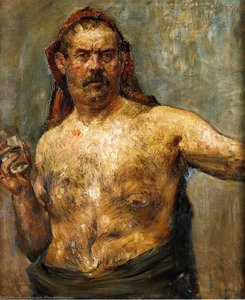 Self Portrait with a Glass1907
Salome, Second Version témában esszék
 Lovis Corinth: Bridging Impressionism & Expressionism – A Study of Artistic EvolutionExplore the fascinating artistic journey of Lovis Corinth, a pivotal figure bridging Impressionism & Expressionism. Discover his evolution,…
 The Soul of the Brushstroke: Why Textured Impasto Defines the Magic of Impressionist MasterpiecesDiscover the tactile magic of Impressionism. Explore how the impasto technique breathes life into masterpieces through texture and light. E…
 Unveiling the Dreamer: The 25 Most Iconic Masterpieces by Gustave MoreauStep into the dreamlike world of Gustave Moreau. Explore 25 iconic Symbolist masterpieces, from mythic legends to opulent textures. Find in…