
 Megtekintés
 Küldés
 Megosztás
 Részletek
 Útmutató

 Letöltés
 Hasonló darabok
 X-ray felvétel
 Diavetítés
 Statisztika
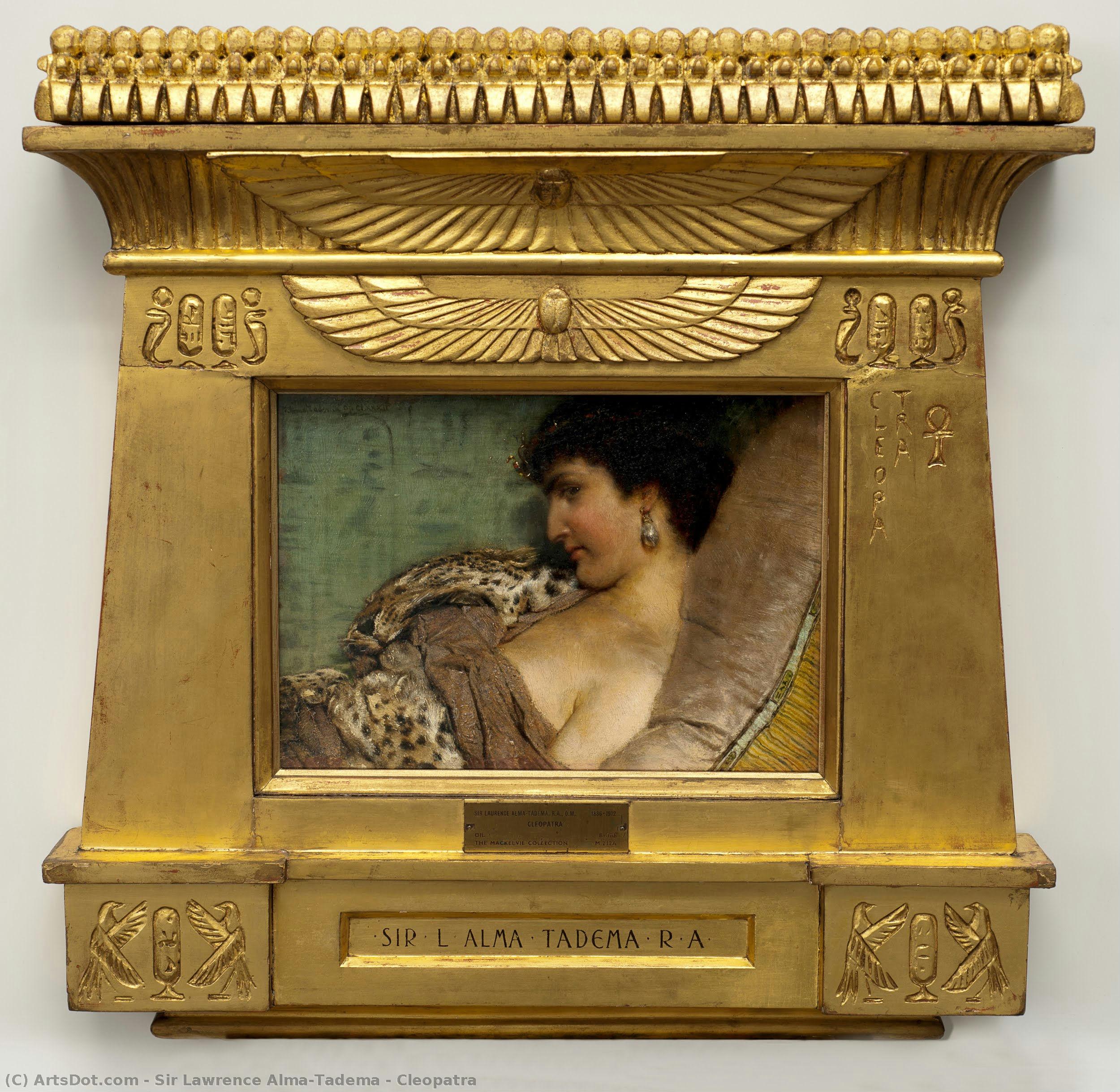
Cleopatra
 Acrylic On Canvas
- WallArt
- Victorian Romanticism
 1877
1877 46.0 x 44.0 cm
 Auckland Art Gallery Toi o Tāmaki
 Összes részlet megjelenítése
Giclée / Műnyomat
Múzeumi minőségű giclée vagy vászonnyomat, gyors gyártással és rugalmas finomítási lehetőségekkel. ( Kézzel festett másolat rendelése Áttérés digitális képre)




P118B Ft10

P118H Ft10

P118W Ft10

P438Z Ft10

P508JH Ft12

P508YH Ft12

P805H Ft10

P805Z Ft10

P919BZ Ft10

P919G Ft10

P919XJ Ft10

P959ZH Ft10

P968JZ Ft12

W106C Ft8

W218G Ft10

W218JH Ft8

W218Y Ft10

W307PJ Ft10

W316G Ft10

W316PJ Ft8

W316Y Ft10

W398PJ Ft8

W4111J Ft10

W500HY Ft15

W500JH Ft15

W692G Ft12

W849H Ft8

W940BG Ft15

W953PJ Ft8




Válasszon előre meghatározott méreteink közül, amelyek megfelelnek a műalkotás eredeti arányainak.

Írja be a keretének vagy a falának megfelelő szélességet és magasságot. A nyomatot csak le lehet vágni, soha nem tehető nagyobbá, mint az eredeti kép, így egy eltérő alakú méretnél a kép egy része elveszik. Mielőtt bármit kinyatintanánk, küldünk egy digitális próbamodellt jóváhagyásra. Az oldalon látható kép nem tartalmazza a valós levágást — ezt csak a próbamodell mutatja meg.
Világszerte történő kiszállítás területére mindössze 2 hét alatt, a szokásos 4-5 hét helyett. (27 október)

Ingyenes globális expressz szállítás

Prémium minőségű len vászon

Teljes körű szállítási biztosítás

Vámvisszatérítési Garancia

Hiteles színarányosság garancia

100 napos visszaküldési lehetőség (csak hibás termékek esetén)

100% pénzvisszatérítési garancia

Több darab vásárlásakor kedvezmény
 Az üvegkeretes opció csak 110 cm alatti méretben érhető el

Cleopatra
Giclée / Műnyomat
Reprodukció mérete
-


Összesített ár
Ft 25827
A Portrait of Power and Intrigue: Exploring Alma Tadema’s Cleopatra
Lawrence Alma-Tadema's "The Meeting of Antony and Cleopatra," completed in 1877, transcends mere depiction; it embodies the opulent drama of Shakespeare’s iconic tale. More than just a visual record of history, this monumental oil painting delves into psychological complexities and artistic innovation—a testament to Tadema’s mastery of capturing both grandeur and subtle emotion. The artwork's enduring fascination stems from its meticulous attention to detail and its ability to convey the palpable tension between ambition and desire.- Subject Matter: The scene portrays Antony and Cleopatra seated at a banquet table, immediately after Cleopatra unveils her audacious gesture—dissolving an earring in wine as a challenge to Antony’s prowess. This moment encapsulates the crux of Shakespeare's narrative and Tadema brilliantly translates it onto canvas.
- Style & Technique: Tadema adhered rigorously to academic conventions, prioritizing realism and meticulous observation. His technique involved layering thin glazes over toned ground, achieving remarkable luminosity and capturing the textures of fabrics—the sumptuous silks and velvets adorning Cleopatra’s attire are particularly noteworthy. The artist skillfully employs chiaroscuro – dramatic contrasts between light and dark – to sculpt the figures and heighten the theatrical atmosphere.
- Historical Context: Painted during the Victorian era, “The Meeting” reflects a fascination with classical antiquity and Roman decadence. Tadema meticulously researched historical costumes and interiors, striving for accuracy that would impress discerning audiences. The painting speaks to anxieties about social morality alongside an appreciation for beauty and luxury—a characteristic blend of Victorian sensibilities.
- Symbolism: Cleopatra’s gesture is laden with symbolic significance. It represents her defiance of convention and her calculated manipulation of Antony's ego, highlighting her intelligence and cunning. The wine symbolizes indulgence and the ephemeral nature of pleasure, mirroring the doomed romance at its core. Furthermore, the opulent setting underscores the vast disparity between power and vulnerability.
- Emotional Impact: Tadema’s masterful composition compels viewers to contemplate the psychological dynamics between Antony and Cleopatra. The gaze exchanges convey unspoken desires and anxieties—a subtle yet powerful portrayal of human emotion. The painting evokes a sense of grandeur, mystery, and ultimately, tragedy, cementing its place as one of Alma-Tadema's most celebrated achievements.
A Closer Examination: Detail and Composition
The artist’s dedication to realism is evident in every brushstroke. Observe the painstaking rendering of Cleopatra’s jewelry—the pearl earring, painstakingly dissolved in wine—a symbol of her audacious challenge. Tadema's use of color palettes contributes significantly to the painting's mood; cool blues and greens dominate the background, contrasting sharply with the warm hues of Antony’s robes and Cleopatra’s skin tones. The positioning of the figures—Cleopatra seated centrally, Antony slightly angled—creates a dynamic interplay between dominance and vulnerability.Alma Tadema’s Legacy: Influence and Recognition
Lawrence Alma-Tadema remains an influential figure in Victorian art history. His meticulous approach to depicting classical subjects established him as a pioneer of academic painting, influencing generations of artists. Despite fading popularity during the 20th century, Tadema's work experienced a revival in recent decades, appreciated for its artistic merit and its ability to transport viewers back to a bygone era. Reproductions of “The Meeting” continue to adorn homes and galleries worldwide—a testament to the painting’s enduring beauty and narrative power.Exploring Reproduction Options
OriginalUniqueArt offers high-quality reproductions of Alma Tadema's "The Meeting of Antony and Cleopatra," meticulously crafted to capture the essence of the original masterpiece. Choose from a range of sizes and framing options to elevate your interior décor and immerse yourself in the captivating world of Victorian art history. Discover the timeless allure of this iconic painting today!Kérdések és válaszok
Ki a szerzője és mikor készült a "Cleopatra"?
Lourens Alma Tadema a "Cleopatra" című művet 1877-ben készítette.
A „Cleopatra”, Lourens Alma Tadema alkotása jogtalanul védett (public domain)?
A „Cleopatra”, Lourens Alma Tadema alkotása közösségi tulajdon – a szerzői jog lejártt státuszú mű. Ez a jogi státusz határozza meg, hogy a mű képmásolata hogyan reproduzható.
Milyen elhelyezés illik „Cleopatra”, Lourens Alma Tadema alkotása formátumához?
A Square formájú, a „Cleopatra” című alkotás reprodukcióját egy Living Room számára javasoljuk.
A művész életrajza
Korai Élet és Művészi Osvátlat
Lourens Alma Tadema, később Lawrence Alma Tadema, 1836. január 8-án született Dronryp városban, Friesland tartományban, Hollandiában. Apja, Pieter Jiltes Tadema, egy falusi notár, három fiút viselt házassága első feleségével, anyja pedig Hinke Dirks Brouwer volt, aki a fia ensimmäisen férjének féltestvére. A Tadema család 1838-ban költözött Leeuwardenba, ahol Pieter notárként szerzett nagyobb bevételt. Apját Laurens négy éves korában elhunyta, így anyja, Hinke Brouwer öt gyermeket neveltek: Laurensot, a nőtestvérének és három fiút a fia első házasságából. Hinke Brouwer művészi hajlamokat mutatott, és úgy döntött, hogy a rajziskolába kell beiratkozniuk a gyerekeknek. Laurens kapta meg az első művészi oktatást egy helyi rajztanártól, aki tanította a fiaival. A szándék az volt, hogy Laurens jogász legyen; de 1851-ben súlyos fizikai és mentális összeomlását szenvedte el. Megbetegült gyomorrákkal diagnosztizták, és csak egy rövid időre vártak rá, ezért engedélyt kaptak, hogy szabadidejét rajzolással és festéssel tölje. A saját maga felelősségével meggyógyult, és úgy döntött, hogy művész pályafutást fog folytatni. 1852-ben belépett az Antwerpeni Királyi Akadémiára, ahol korai holland és flamand festők tanulmányozta, miközben a történelmi pontosság követelményeit is elsajátította. Laurens négy évvel tartózkodása alatt az akadémia tagjaként számos tekintélyes díjat nyert. Elhagyva az intézményt, 1855 végén Louis Jan de Taeye festő és tanár segédmunkatársa lett, akinek történelmi és kosztümös órái nagyban tetszeltek neki az akadémián. De Taeye bemutatta neki olyan könyveket, amelyek befolyásolták a célját, hogy korai karrierjében Merovingiai témákat ábrázoljon. Támogatták abban, hogy történelmi pontossággal festenék, egy tulajdonság, amelyért az művész lett ismert. Laurens Tadema komolyabban vett ezt a kritikát, ami segített neki javítani a technikáját és a világ vezető festőjévé válni a márvány- és változatos kavicsművészekben.Korai Műveletek: Merovingiai Titkok és Egyiptomi Vizelet
Laurens Alma Tadema művész útja a Merovingiai témákkal kezdődött – a nyugati Római Birodalom bukása után uralkodó frankok dinasztiája. Ezek korai műveletei, amelyek mutatják fel fejlődését történelmi pontosságban és narratív kompozícióban, nem értettek el az elismertséget, amit később élvezett. Azonban ebben a sorozatban Laurens Alma Tadema mély érzelmeket és erős szellemi romantikát érzett. Támogatták abban, hogy történelmi pontossággal festenék, egy tulajdonság, amelyért az művész lett ismert. A Merovingiai témák nem voltak népszerűek a nemzetközi közönség körében, ezért átváltszott az ókori Egyiptom témájára, majd a görög és római klasszikus világra. Ez a váltás nem volt véletlen; tükrözte a nagyközönség növekvő vágyát romantikus képekre az antikból, amelyet az ásatások és a viktorális vonzódást a múlthoz képest ösztönöztek. 1870-ben telelte Londont, hamisítva a brit művészeti életbe.Az Atmoszférát Készítő Mester: Detalj és Világítás
Amit igazán elkülönítette Alma Tadema, a páratlan képessége az atmoszféra megalkotásában. Nem csak tárgyakat festett; hanem az *érzékét* is rögzítette a márvány fényének, a mozaikpadló hűségeségének, egy római atrium csendes vizének. Ez a készség nemcsak technikai tudással járt, hanem mély megértéssel a anyagokról. Részletesen kutatta az antik építészetet, bútorokat és ruhákat, biztosítva, hogy minden elem a kompozíciójában történelmi pontossággal feleljen meg. De a pontosságon túl, kiválóan tudott fényeket és textúrákat ábrázolni. A márványával életre kelt, a szövetek elegánsan lefutottak, a víz pedig vonzó tisztasággal csillogott. Ez a hitelesség nemcsak a művészi készség volt; hanem egy valóság illuzió teremtése volt, amely olyan meggyőző volt, hogy a nézők eljutnak egy másik időbe és helybe. Még mini modellokat is épített a céljának festett környezetekről, biztosítva a tökéletes perspektívát és az építészeti pontosságot.Viktorális Híresség és Örökség
Alma-Tadema nagy népszerűségnek örvendött a pályafutásakor, és hazai hírnevet szerzett, számos elismerést kapott, beleértve a lovagosi címet 1899-ben. Azonban halála után, 1912-ben, művei relatívan elfeledettek lettek. A korai 20. századi ízlések inkább modernista stíluson alapultak, és Alma-Tadema pontossága nem illeszkedett a fennálló művészi trendekhez. Csak a 1960-as években kezdődött újra értékelni a művészetét, felismerve, hogy vezető figura a viktorális művészetben és jelentős szereplő az antik reprezentáció történetében.A Művész Eredete és Hatása
Alma-Tadema ábrázolásai a római életről mélyrehatóan befolyásolták a múlttal kapcsolatos nézőpontokat, formálva azt, hogyan képzelte el a generációk az ókor világát. Művei inspirálták a jelmezkészítők filmekben és színházakban. Az építészek vonzódást éreztek a klasszikus épületek ábrázolásához. A művek beépítették íróik leírásaiba az ókorról. Nemcsak egy művész volt, hanem kulturális jelenség is, aki vizuális nyelvet teremtett, amely ma is visszhangozik.
Lourens Alma Tadema
1836 - 1912 , Holland
Rövid információk
- Artistic Movement Or Style: Viktoriás festészet
- Artists Or Movements Influenced By This Artist: ['Romantika']
- Artists Who Influenced This Artist: ['De Taeye Louis Jan']
- Date Of Birth: 1836 jan 8.
- Date Of Death: 1912 jun 25.
- Full Name: Lourens Alma Tadema
- Nationality: Hollandi
- Notable Artworks:
- A Kiss
- Ask Me No More
- A Coign of Vantage
- Place Of Birth: Dronryp, Holland
Kapcsolódó cikkek
Sebastiano del Piombo: Bridging Venetian Colorism & Roman Grand Manner Portraiture
Explore the captivating art of Sebastiano del Piombo, a Renaissance master bridging Venetian colorism & Roman grandeur. Discover his iconic portraits and lasting influence on art history. Learn more at OriginalUniqueArt.

Bartolomeo Pinelli: Neoclassical Linearity & Roman Topography of Memory
Explore the captivating world of Bartolomeo Pinelli, a master Italian engraver renowned for his evocative Roman scenes & historical narratives. Discover his art and legacy with OriginalUniqueArt.

Sir Lawrence Alma-Tadema: A Study in Victorian Aestheticism & Classical Antiquity
Explore the captivating world of Sir Lawrence Alma-Tadema, a master of Victorian Aestheticism. Discover his stunning depictions of ancient Rome, artistic techniques, and enduring legacy with OriginalUniqueArt.

Golden Hour on the Nile: Symbolism & Artistic Legacy of Egyptian Sunsets
Explore the rich symbolism of Egyptian sunset paintings & their artistic legacy. Discover how color, ritual, and landscape shaped ancient beliefs – a guide for discerning collectors.

Timeless Grandeur: Capturing the Majesty of Roman Architecture through the Lens of Art History
Explore the profound beauty of Roman architecture through art history. From Piranesi's evocative engravings to classical masterpieces, discover how the grandeur of ancient Rome continues to inspire collectors and art enthusiasts worldwide.


