
 Megtekintés
 Küldés
 Megosztás
 Részletek
 Útmutató

 Letöltés
 Hasonló darabok
 X-ray felvétel
 Diavetítés
 Kérdések és válaszok
 Statisztika
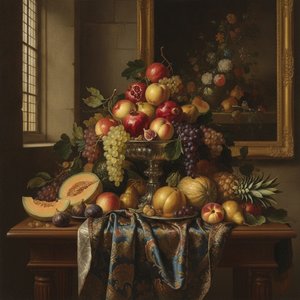
COUPE DE CERISES, PRUNES ET MELON


 Összes részlet megjelenítése
Giclée / Műnyomat
Múzeumi minőségű giclée vagy vászonnyomat, gyors gyártással és rugalmas finomítási lehetőségekkel. ( Kézzel festett másolat rendelése Áttérés digitális képre)




P118B Ft10

P118H Ft10

P118W Ft10

P438Z Ft10

P508JH Ft12

P508YH Ft12

P805H Ft10

P805Z Ft10

P919BZ Ft10

P919G Ft10

P919XJ Ft10

P959ZH Ft10

P968JZ Ft12

W106C Ft8

W218G Ft10

W218JH Ft8

W218Y Ft10

W307PJ Ft10

W316G Ft10

W316PJ Ft8

W316Y Ft10

W398PJ Ft8

W4111J Ft10

W500HY Ft15

W500JH Ft15

W692G Ft12

W849H Ft8

W940BG Ft15

W953PJ Ft8




Válasszon előre meghatározott méreteink közül, amelyek megfelelnek a műalkotás eredeti arányainak.

Írja be a keretének vagy a falának megfelelő szélességet és magasságot. A nyomatot csak le lehet vágni, soha nem tehető nagyobbá, mint az eredeti kép, így egy eltérő alakú méretnél a kép egy része elveszik. Mielőtt bármit kinyatintanánk, küldünk egy digitális próbamodellt jóváhagyásra. Az oldalon látható kép nem tartalmazza a valós levágást — ezt csak a próbamodell mutatja meg.
Világszerte történő kiszállítás területére mindössze 2 hét alatt, a szokásos 4-5 hét helyett. (3 november)

Ingyenes globális expressz szállítás

Prémium minőségű len vászon

Teljes körű szállítási biztosítás

Vámvisszatérítési Garancia

Hiteles színarányosság garancia

100 napos visszaküldési lehetőség (csak hibás termékek esetén)

100% pénzvisszatérítési garancia

Több darab vásárlásakor kedvezmény
 Az üvegkeretes opció csak 110 cm alatti méretben érhető el

COUPE DE CERISES, PRUNES ET MELON
Giclée / Műnyomat
Reprodukció mérete
-


Összesített ár
Ft 26538
Louise Moillon’s “Coupe de Cerises, Prunes et Melon”: A Baroque Still Life of Quiet Abundance
The painting "Coupe de cerises, prunes et melon" by Louise Moillon, completed around 1633, is more than just a depiction of fruit; it's a meticulously crafted meditation on beauty, abundance, and the fleeting nature of pleasure. Within its deceptively simple composition lies a wealth of Baroque artistry – a masterful blend of Flemish realism, French elegance, and subtle symbolism that continues to captivate viewers centuries later. This intimate still life, now residing within the hallowed halls of the Louvre Museum in Paris, offers a rare glimpse into the world of a pioneering female artist operating within a traditionally male-dominated field.
Moillon’s artistic journey unfolded against the backdrop of 17th-century France, a period marked by religious upheaval and burgeoning artistic innovation. Born into a Huguenot family – refugees fleeing persecution in Holland – her upbringing instilled a deep appreciation for naturalism and symbolic representation, qualities that profoundly shaped her distinctive style. Unlike many of her contemporaries who favored grand historical or mythological scenes, Moillon focused on the quiet beauty of everyday objects, elevating them to an almost sacred level through her painstaking attention to detail and masterful use of light and shadow.
A Symphony of Color and Texture
The painting’s immediate impact is one of serene elegance. Moillon employs a carefully orchestrated palette – a harmonious blend of deep browns, rich reds, vibrant yellows, and muted greens – that draws the eye into the heart of the composition: a gleaming porcelain bowl overflowing with an array of fruits. The cerises, bursting with juicy red color, are strategically placed to command attention, their brightness contrasted against the darker tones of the plums and melon. Moillon’s technique is characterized by an extraordinary level of detail; each fruit – from the velvety texture of the melon rind to the delicate veins on a plum leaf – is rendered with astonishing precision.
The artist's mastery extends beyond mere representation. Moillon skillfully manipulates light and shadow, creating a dramatic chiaroscuro effect that adds depth and volume to the scene. The strong directional lighting, originating from an unseen source above and slightly to the left, casts long, elegant shadows that define the forms of each object, lending them a tangible presence. This masterful use of light not only enhances the visual impact but also evokes a sense of stillness and contemplation – inviting the viewer to linger and appreciate the beauty before them.
Symbolism and Context
Still lifes during the Renaissance and Baroque periods were often imbued with symbolic meaning, representing concepts such as wealth, prosperity, and mortality. In "Coupe de cerises," the abundance of fruit can be interpreted as a symbol of earthly delights – a reminder of the pleasures of life but also a poignant acknowledgment of their transient nature. The carefully arranged composition itself suggests an order and harmony that reflects the ideals of classical art and Renaissance thought.
Furthermore, Moillon’s work is rooted in the artistic traditions of the Netherlands, particularly the Flemish school of painting, which was highly influential in France during this period. The use of trompe l'oeil – a technique designed to create an illusion of three-dimensionality – is evident in the subtle details and realistic textures that contribute to the painting’s overall sense of depth and realism. The placement of the bowl on a dark wooden table, extending into the background, further enhances this effect, blurring the boundaries between the painted world and the viewer's perception.
A Timeless Masterpiece
"Coupe de cerises, prunes et melon" stands as a testament to Louise Moillon’s artistic skill and her ability to capture the essence of beauty in a single image. It is a painting that rewards repeated viewing, revealing new details and nuances with each encounter. More than just a still life, it's a profound meditation on art, nature, and the human experience – a timeless masterpiece that continues to inspire and delight viewers today. Reproductions of this iconic work offer an accessible way to bring its serene elegance into any space, allowing one to appreciate the artistry and symbolism within.
Kérdések és válaszok
Mely művészhez köthető a "COUPE DE CERISES, PRUNES ET MELON"?
A "COUPE DE CERISES, PRUNES ET MELON" alkotását Louise Moillon készítette. Az ezen az oldalon található információk Louise Moillon eredeti művészetét mutatják be.
Milyen hangulatot árasztana egy szobában egy „COUPE DE CERISES, PRUNES ET MELON”, Louise Moillon alkotása reprodukció?
A Elegant hangulatával a "COUPE DE CERISES, PRUNES ET MELON" című alkotás egy Living Room helyiségbe is javasolt.
Mennyire ismert a Louise Moillon "COUPE DE CERISES, PRUNES ET MELON" című alkotása?
A "COUPE DE CERISES, PRUNES ET MELON" mű a Recognized kategóriába sorolható.
A művész életrajza
Louise Moillon csendes fénye
A barokk kor nagyszabású, lenyűgöző narratíváiban, ahol a dráma és a mozgás gyakran uralják a vásznat, Louise Moillon művészete mély és meditatív alternatívát kínál. 1610-ben született Párizsban, és egy olyan világból emelkedett ki, amelyet a 1rendszerű franciaországi vallási és kulturális változások formáltak. Öntudatában lévő családtörténete a kitartás és a művészeti örökség történetét mesélte el; hollandiai hugenott menekültek leszármazottjaként olyan hagyományban merült fel, amely nagyra értékelte a természet világának aprányos, gondos megfigyelését. Ez a háttér nem csupán családi múltat jelentett – egy olyan stilisztikai szókincset kínált, amely a holland mesterségességre épült a fény, a textúra és a szimbolikus realizmus terهén.
Moillon korai élete a veszteségek és a mély művészeti mentorálás keveredésével volt meghatározva. Apja, a tájfestő és kereskedő, Nicolas Moillon halála, amikor a lány mindössze tíz éves volt, megváltoztathatta volna az életútját, mégis neveltetése mélyen gyökerezett a művészetekben. Neveltetőapja, François Garnier, tehetséges művész és kereskedő irányítása alatt finomította azt a technikát, amely később jellegzetessé vált számára. Tanulmányai nem csupán a pigment vászonra felviteléről szóltak, hanem korának humanista értékeibe való elmerülésről is: megtanulta felfedezni a szentséget egy érett gyümölcs apró részleteiben vagy egy szirom finom ívében.
A textúra és a fény mesterléte
Moillon valódi zsenialitása abban rejlik, hogy képes képesé teszi a hétköznapi dolgokat a rendkészétlencségé.
Kompozícióit nyugodt csend jellemzi, egy olyan békességet sugallva, amely arra hívja a nézőt, hogy megálljon és figyelni.Képes volt a témái taktilist (érintésre keltező) tulajdonságainak szinte szupernaturális módon megörökítésére – a citrom viaszos héjára, egy őszibarack puha szőrzetére vagy egy összetört bogyó áttetsző nedvesességére. Olyan alkotásokban, mint a Still Life of Citrons and Curaçao Oranges in a White Polylobed Dish (Citruszok és Curaçao-narancsok fehér, többlobú tálban), érezhető a gyümölcs hűvös nedvessége a porcelán kemény, mázas felületén, érzéki élményt teremtve, amely túlmutat a kétdimenziós síton.
Technikáját mélyen befolyásolták azok a protestáns körök naturalisztikus hagyományai, amelyekben élt. Ez az irányzat a tisztaságot és a precizitást részesítette előnyben a flamboyant barokk mesterek teatralista árnyékai felett. Ehelyett Moillon a fényt használta tárgyai formálására, finom tónusváltásokkal hozva létre a volument és a mélységet. Palettája, bár gyakran a természet vibráló színeire összpontosított, olyan mértékkel volt visszafogott, hogy minden szín világosnak tűnt, mintha belülről áradna belőle a fény. Ez a mesterség segített neki áthidalni a különbséget a puszta botanikai illusztráció és a magas művészet között, minden alkotásművé életet és vitalitást befoglalva.
Örökség és történelmi jelentőség
Hosszú, közel kilenc évtizedet felölelő életében Moillon olyan hírnevet szerzett, amely ritka volt korabela női művészeknél. Képes volt megbízásokat szerezni tekintélyes megbízóktól, beleértve a királyi udvar tagjait is, ami alkotásai megkérdőjelezhetetlen minőségét és kifinomultságát igazolja. Bár munkássága gyakran a stillelife (csendes élet) intim skáláján mozgott, hatása kiterjedt volt, jelentős hozzájárulást nyújtva a francia stillelife hagyomány fejlődéséhez.
Louise Moillon történelmi jelentősége túlmutat technikai tudásán; ő a holland naturalista hagyomány és a 17. századi fejlődő francia esztétika közötti létfontosságú összekötő láncszál. Festményei ablakokat nyitnak egy elveszett világra, a párizsi piacok és magánházi kertek kínálatába, megörökítve a bőség és az efemer (szakaszos) szépség érzését. Napjainkban alkotásai kincsként őrzik helyüket olyan intézményekben, mint a Louvre, mint tartós bizonyítékok egy olyan életre, amely az egyszerűségből kiemelkedő különlegesség keresésére szentelte magát. Öröksége minden egyes ecsettartásban megtalálható, amely ünnepli a természet világának csendes, lélegzetelállító pompáját.

Louise Moillon
1610 - 1696 , Franciaország
Rövid információk
- Artistic Movement Or Style: Barokk Napi tárgyak (Still Life)
- Artists Or Movements Influenced By This Artist:
- Michelangelo
- Raphael
- Tizian
- Artists Who Influenced This Artist:
- Isaac Moillon
- François Garnier
- Date Of Birth: Paris, Francia (1610)
- Date Of Death: 1696
- Full Name: Louise Moillon
- Nationality: Francia
- Notable Artworks:
- Barackkos kosár
- CERES, SZILVA É MELON KESE
- Őszibarackos kosár, körteval, és szilvával
- Place Of Birth: Paris
Kapcsolódó cikkek
Nature's Bounty: The Art History of Fruit Arrangement Masterpieces and the Baroque Still Life Tradition
Explore the profound beauty of fruit arrangement masterpieces. From Dutch Golden Age opulence to Baroque chiaroscuro, discover the art history, symbolism, and timeless elegance of classical still life paintings for the discerning collector.

A barokk dráma ereje: fény, mozgás és érzelmek a 17. századi festészetben
Ismerje meg a barokk festészet drámai erejét és technikáit szakértőnkkel. Fedezze fel a fény és árnyék mesterművészetét még ma!

Baroque Classicism: The Grandeur of Order and Drama in 17th-Century Art History
Explore the profound elegance of Baroque Classicism. Discover how 17th-century masters synthesized dramatic emotion with classical order through the lens of the Counter-Reformation and the works of legends like Carlo Maratta and Andrea Sacchi.

A Barokk Mesterek 10 Legikonikusabb Remekműve – OriginalUniqueArt.com
Fedezze fel a barokk művészet 10 legpártosabb remekművét! Caravaggio, Rembrandt és Vermeer alkotásainak története – OriginalUniqueArt.com kínálatában exkluzív reprodukciók és inspiráló dekorációs ötletek várják Önt. Nézze meg most!

The Bountiful Still Life: Symbolism & Artistic Representation of Fruit Across Art History
Explore the rich history of still life painting & the symbolism of fruit across art movements. Discover masterpieces from Caravaggio to Cézanne with OriginalUniqueArt – expert guidance & museum-quality reproductions.