

 Előnézet
 Megosztás
 Megosztás
 Részletek
 Útmutató

 Letöltés
 Hasonló darabok
 X-ray felvétel
 Diavetítés
 Statisztika
Crucifixion
 Acrylic On Canvas
- WallArt
- Renaissance Humanism
 1405
1405 50.0 x 27.0 cm
 Galleria dell’Accademia di Firenze
 Tovább olvasom
Giclée / Műnyomat
Múzeumi minőségű giclée vagy vászonnyomat, gyors gyártással és rugalmas finomítási lehetőségekkel. ( Kézzel festett másolat vásárlása Áttérés digitális képre)




P118B Ft10

P118H Ft10

P118W Ft10

P438Z Ft10

P508JH Ft12

P508YH Ft12

P805H Ft10

P805Z Ft10

P919BZ Ft10

P919G Ft10

P919XJ Ft10

P959ZH Ft10

P968JZ Ft12

W106C Ft8

W218G Ft10

W218JH Ft8

W218Y Ft10

W307PJ Ft10

W316G Ft10

W316PJ Ft8

W316Y Ft10

W398PJ Ft8

W4111J Ft10

W500HY Ft15

W500JH Ft15

W692G Ft12

W849H Ft8

W940BG Ft15

W953PJ Ft8




Válasszon előre meghatározott méreteink közül, amelyek megfelelnek a műalkotás eredeti arányainak.

Írja be a keretének vagy a falának megfelelő szélességet és magasságot. A nyomatot csak le lehet vágni, soha nem tehető nagyobbá, mint az eredeti kép, így egy eltérő alakú méretnél a kép egy része elveszik. Mielőtt bármit kinyatintanánk, küldünk egy digitális próbamodellt jóváhagyásra. Az oldalon látható kép nem tartalmazza a valós levágást — ezt csak a próbamodell mutatja meg.
Világszerte történő kiszállítás területére mindössze 2 hét alatt, a szokásos 4-5 hét helyett. (23 október)

Ingyenes globális expressz szállítás

Prémium minőségű len vászon

Teljes körű szállítási biztosítás

Vámvisszatérítési Garancia

Tökéletes színarányosság garancia

100 napos visszaküldési garancia (csak gyártási hibás termékek esetén)

100% pénzvisszatérítési garancia

Több darab vásárlásakor kedvezmény
 Az üvegkeretes opció csak 110 cm alatti méretben érhető el

Crucifixion
Giclée / Műnyomat
Reprodukció méretei
-


Összesített ár
Ft 25565
The Soul of Sorrow: Analyzing Lorenzo Monaco’s Crucifixion
Lorenzo Monaco's Crucifixion stands as a cornerstone of Quattrocento Florentine art—a testament not merely to artistic skill but to profound spiritual contemplation. Painted circa 1405, this monumental panel transcends mere depiction; it strives to convey the agonizing beauty inherent in Christ’s suffering and serves as an enduring emblem of Christian faith. Examining its stylistic choices, technical execution, and historical resonance illuminates Monaco's masterful grasp of both humanist ideals and medieval devotional traditions.- Style: Monaco’s Crucifixion embodies a refined Gothic sensibility tempered by nascent Renaissance principles. While retaining the solemn grandeur characteristic of his predecessors—particularly Giotto—the painting exhibits an unprecedented level of naturalism, evident in the subtly rendered musculature of Christ and the expressive drapery that clings to his body. This careful attention to anatomical detail distinguishes it from earlier depictions where Christ was often stylized as a symbolic figure rather than a human being experiencing palpable pain.
- Technique: Monaco employed tempera on panel—a technique favored by Florentine artists of the period—renowned for its luminosity and durability. The pigment binders, derived from egg yolk, achieved astonishing brilliance through meticulous layering and glazing, capturing the ethereal quality of divine light that permeates the scene. Furthermore, Monaco’s masterful use of chiaroscuro—the dramatic interplay between light and shadow—intensifies the emotional impact of the composition, emphasizing Christ's vulnerability against a backdrop of solemn majesty.
Historical Context: Bridging Gothic Legacy & Renaissance Awakening
Symbolism: Echoes of Medieval Devotion & Humanist Insight
Emotional Impact: Capturing Agony & Reverence
This painting exemplifies the Renaissance’s quest for artistic excellence while honoring medieval spiritual traditions. It is a remarkable achievement of tempera technique, demonstrating Monaco's profound understanding of human anatomy and emotion.
Gyakran Ismételt Kérdések
Milyen technikával készült a „Crucifixion”, Lorenzo Monaco alkotása?
A „Crucifixion”, Lorenzo Monaco alkotása technikája Acrylic On Canvas. A reprodukciók célja ezen technika megjelenítésének hiteles återadása.
Miről szól a "Crucifixion"?
A(z) „Crucifixion”, Lorenzo Monaco alkotása a következőket ábrázolja: religious iconography, crucifixion scene, byzantine art influence, medieval symbolism, suffering christ, artistic composition, renaissance painting.
Szabadon reprodukálható-e a/az „Crucifixion”, Lorenzo Monaco alkotása képe?
A „Crucifixion”, Lorenzo Monaco alkotása szerzői jogi státusza: a mű a joghallgatói schützenesség körébe tartozik – a szerzői jog lejártt. Ez határozza meg, hogy a kép másolatai szabadon készíthetők-e.
A művész életrajza
Lorenzo Monaco (1370–1425)
- Élete
- Stílusa és művészete
- Fontos alkotásai
- Együttműködése és befolyása
- Öröksége és jelentősége
Élete
Lorenzo Monaco született Piero di Giovanni körül 1370 körül Szienában. Életéről kevés adat áll rendelkezésre, azonban művészi útja egy érdekes történetet mutat be átalakulásról, innovációról és mély spirituális elkötelezettségről. Együtt dolgozott Giotto di Bondone és követői kanssa, Spinello Aretino és Agnolo Gaddi kanssa. Szienában tanult és követte az ő hagyományát. 1390-ben lépett fel Szent Márta kolostorában kamalduli szerzetesként, ahol 1391-ben tettพรสัตะมงกษ์ชีพญิ์และรับนามของ ลอเรนซ์ โม่นาโกะ ซึ่ง jelentése szerzetes. Együtt dolgozott Ghiberti Lorenzo és Starnina Gherardo kanssa a Nobili Chapel altárpilasztre előételében Szent Márta kolostorában. Egyházközségének könyv illusztrációit készítette el, különösen az Óévkönyv szentírásának képeit. Giorgio Vasari szerint betegségben halt meg körülbelül 1425 körül, valószínűleg gangréna vagy tumor következményében.Stílusa és művészete
Monaco korai művei az akkor Európában uralkodó nemzetközi gótika stílusának kiváló példája voltak. Ezek a festmények kifinomult eleganciával, finom vonalvezetéssel és eredeti színekkel rendelkeztek. Az ő művészi hangvétele azonban már korán mutatkozott meg ezekben az alkotásokban. Giotto hagyományát követve és nagy hatással élvén rá Ghiberti Lorenzo és Starnina Gherardo munkájára, ő is átvette a fővárosi művészek csoportjának első műveit. Az idő múlásával Monaco stílusa egyre inkább jellegzetesen lett az előző korszak hagyományainak továbbvitelével és egyéni kifejezésével. Egyéb jellemzője ennek az új művészi irányzatnak, hogy az előző korszak vonalvezetése és színe mellett egy új hangulatot tükrözött meg. Az ő műveiben gyakran szerepelnek szentírási képek, melyeket nagy hangsúlyt fektettek bele a fény használatába és színvilágába. Együtt dolgozott Gaddi Agnolo kanssa a Nobili Chapel altárpilasztre előételében Szent Márta kolostorában. Az ő művészi hangvétele különösen az előző korszak vonalvezetése és színe mellett egy új hangulatot tükrözött meg. Egyéb jellemzője ennek az új művészi irányzatnak, hogy az előző korszak vonalvezetése és színe mellett egy új hangulatot tükrözött meg. Az ő műveiben gyakran szerepelnek szentírási képek, melyeket nagy hangsúlyt fektettek bele a fény használatába és színvilágába. Együtt dolgozott Gaddi Agnolo kanssa a Nobili Chapel altárpilasztre előételében Szent Márta kolostorában. Az ő művészi hangvétele különösen az előző korszak vonalvezetése és színe mellett egy új hangulatot tükrözött meg. Egyéb jellemzője ennek az új művészi irányzatnak, hogy az előző korszak vonalvezetése és színe mellett egy új hangulatot tükrözött meg. Az ő műveiben gyakran szerepelnek szentírási képek, melyeket nagy hangsúlyt fektettek bele a fény használatába és színvilágába. Együtt dolgozott Gaddi Agnolo kanssa a Nobili Chapel altárpilasztre előételében Szent Márta kolostorában. Az ő művészi hangvétele különösen az előző korszak vonalvezetése és színe mellett egy új hangulatot tükrözött meg. Egyéb jellemzője ennek az új művészi irányzatnak, hogy az előző korszak vonalvezetése és színe mellett egy új hangulatot tükrözött meg. Az ő műveiben gyakran szerepelnek szentírási képek, melyeket nagy hangsúlyt fektettek bele a fény használatába és színvilágába. Együtt dolgozott Gaddi Agnolo kanssa a Nobili Chapel altárpilasztre előételében Szent Márta kolostorában. Az ő művészi hangvétele különösen az előző korszak vonalvezetése és színe mellett egy új hangulatot tükrözött meg."
Lorenzo Monaco
1370 - 1425 , Olaszország
Gyors információk
- Artistic Movement Or Style: Késő gótika és korai reneszánsz
- Artists Or Movements Influenced By This Artist: ['Fra Angelico']
- Artists Who Influenced This Artist:
- Giotto di Bondone
- Spinello Aretino
- Agnolo Gaddi
- Date Of Death: 1425 körül
- Full Name: Lorenzo Monaco
- Nationality: Olasz
- Notable Artworks:
- Mária megkoronázása
- Háromkirályok imádása
- Szűz Mária Pietàja
- Place Of Birth: Siena
Kapcsolódó cikkek
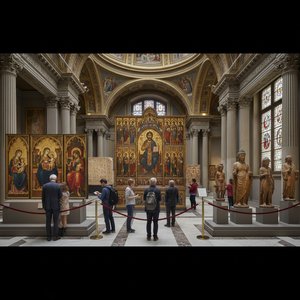
Sacred Narratives Embodied: A Comprehensive Exploration of Religious Iconography in Art History
Explore the rich history of religious iconography in art! Discover symbolism, movements & masterpieces from Byzantine to Renaissance periods. Expert insights for collectors and enthusiasts at OriginalUniqueArt.
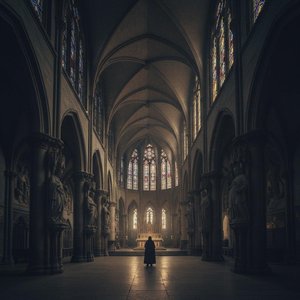
Gothic Art Unveiled: The Dark Beauty and Drama of a Timeless Era
Embark on a journey through the dramatic era of Gothic art. Discover the profound beauty of illuminated manuscripts, sacred gold leaf masterpieces, and the transition to naturalism in this expert-led exploration of medieval artistry and historical grandeur.
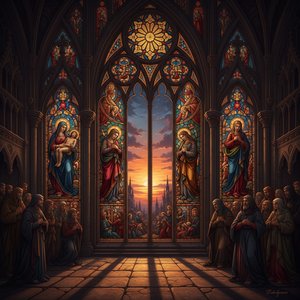
The Radiant Dusk of Medieval Vision: Exploring Late Gothic Art's Synthesis of Faith, Form & Emotionality (c. 1300-1500)
Explore the exquisite beauty & spiritual depth of Late Gothic art (c. 1300-1500). Discover key artists, symbolism, and its lasting influence on the Renaissance. Expert insights at OriginalUniqueArt.
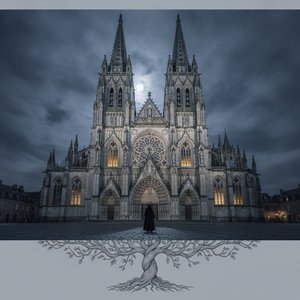
Shadows & Splendor: A Journey Through the Soul of Gothic Art and Architectural Grandeur
Embark on a profound journey through the spiritual intensity of Gothic art. Explore the architectural marvels, luminous stained glass, and sacred sculptures that define this era of grandeur and human devotion.

Gothic Vibes: From Dark Shadows to Bold Modern Edge | The Ultimate Trend Forecast
Explore the evolution of Gothic vibes, from historical shadows to bold modern edge. Discover how dark aesthetics, noir interiors, and contemporary subcultures are redefining modern design through a high-impact, trend-focused lens.


