
 Megtekintés
 Küldés
 Megosztás
 Részletek
 Útmutató

 Letöltés
 Hasonló darabok
 X-ray felvétel
 Diavetítés
 Kérdések és válaszok
 Statisztika
Nursing Madonna


 Összes részlet megjelenítése
Giclée / Műnyomat
Múzeumi minőségű giclée vagy vászonnyomat, gyors gyártással és rugalmas finomítási lehetőségekkel. ( Kézzel festett másolat rendelése Áttérés digitális képre)




P118B Ft10

P118H Ft10

P118W Ft10

P438Z Ft10

P508JH Ft12

P508YH Ft12

P805H Ft10

P805Z Ft10

P919BZ Ft10

P919G Ft10

P919XJ Ft10

P959ZH Ft10

P968JZ Ft12

W106C Ft8

W218G Ft10

W218JH Ft8

W218Y Ft10

W307PJ Ft10

W316G Ft10

W316PJ Ft8

W316Y Ft10

W398PJ Ft8

W4111J Ft10

W500HY Ft15

W500JH Ft15

W692G Ft12

W849H Ft8

W940BG Ft15

W953PJ Ft8




Válasszon előre meghatározott méreteink közül, amelyek megfelelnek a műalkotás eredeti arányainak.

Írja be a keretének vagy a falának megfelelő szélességet és magasságot. A nyomatot csak le lehet vágni, soha nem tehető nagyobbá, mint az eredeti kép, így egy eltérő alakú méretnél a kép egy része elveszik. Mielőtt bármit kinyatintanánk, küldünk egy digitális próbamodellt jóváhagyásra. Az oldalon látható kép nem tartalmazza a valós levágást — ezt csak a próbamodell mutatja meg.
Világszerte történő kiszállítás területére mindössze 2 hét alatt, a szokásos 4-5 hét helyett. (7 november)

Ingyenes globális expressz szállítás

Prémium minőségű len vászon

Teljes körű szállítási biztosítás

Vámvisszatérítési Garancia

Hiteles színarányosság garancia

100 napos visszaküldési lehetőség (csak hibás termékek esetén)

100% pénzvisszatérítési garancia

Több darab vásárlásakor kedvezmény
 Az üvegkeretes opció csak 110 cm alatti méretben érhető el

Nursing Madonna
Giclée / Műnyomat
Reprodukció mérete
-


Összesített ár
Ft 26396
Lorenzo Lotto: A Master of Venetian Emotion
Lorenzo Lotto (1480 – 1556/57) stands as a singular figure within the Italian Renaissance, distinguished not by grand ambition or royal patronage but by an unwavering dedication to artistic exploration and a profound sensitivity to human emotion. Unlike many of his contemporaries who sought fame through established academies or courtly commissions, Lotto embarked on a nomadic journey across Northern Italy – Treviso, Rome, Bergamo, Ancona – fostering an independent spirit that profoundly shaped his distinctive style.
Early training remains somewhat elusive, yet it’s believed he absorbed the lessons of Giovanni Bellini, a pivotal voice in Venetian painting. However, Lotto swiftly transcended mere imitation, forging a style uniquely his own: a harmonious blend of High Renaissance grace and nascent Mannerist experimentation. This stylistic fusion is evident throughout his oeuvre, characterized by subtle distortions of form, expressive gestures, and an uncanny ability to convey psychological depth – qualities that continue to captivate viewers centuries later.
The Venetian School's Influence
Bellini’s influence is palpable in Lotto’s meticulous attention to detail and luminous color palettes. Yet, Lotto pushed beyond Bellini’s idealized representations of religious figures, introducing a degree of realism and psychological nuance that foreshadowed the Mannerist movement. This stylistic divergence reflects a broader shift within Venetian art during Lotto's lifetime – a move away from the serene beauty of Bellini’s compositions towards explorations of emotion and ambiguity.
Style and Technique: A Delicate Balance
Lotto’s technique is remarkable for its precision and subtlety. He employed oil paint on board with exceptional skill, achieving astonishing levels of tonal gradation and textural complexity. His brushstrokes are deliberate yet fluid, conveying both visual richness and emotional resonance. Lotto's mastery extends beyond mere technical proficiency; he possessed an intuitive understanding of how to manipulate color and form to evoke specific feelings in the viewer – a hallmark of Mannerist artistry.
Notable Works: Madonna Del Latte and Beyond
Among Lotto’s most celebrated paintings is “Madonna Del Latte,” depicting Mary nursing her child with serene tenderness. This masterpiece exemplifies Lotto's signature style, characterized by expressive drapery folds and subtle distortions that heighten the emotional impact of the scene. Similarly, his altarpiece for the Chiesa dei Santi Lorenzo e Ippolito in Verona showcases a masterful blend of realism and symbolism – reflecting Lotto’s commitment to conveying profound spiritual truths through visual artistry.
Lotto's legacy extends far beyond individual artworks; he represents a pivotal moment in Renaissance art history—a bridge between High Renaissance idealism and Mannerist psychological exploration. His enduring appeal lies in his ability to capture the complexities of human experience with breathtaking beauty and unwavering conviction.
Kérdések és válaszok
Melyik szobához ajánlott a „Nursing Madonna”, Lotto alkotása?
A „Nursing Madonna”, Lotto alkotása ajánlott egy Living Room számára. Ez a javaslat a mű témáján, színein és hangulatán alapul.
Melyik helyiségben javasolt a(z) "Nursing Madonna" kihelyezését a színei alapján?
A „Nursing Madonna”, Lotto alkotása Earthy színei tökéletesen illeszkednek a javasolt helyiséghez: egy Living Room.
Hol találhatók statisztikák a(z) „Nursing Madonna”, Lotto alkotása kapcsán?
A "Nursing Madonna" számára létre van hozva egy Statisztikák oldal. Ez az oldal ábrázolja a mű és a művész többi alkotásának havi látogatottságát, országon és nyelvenként bontva.
A művész életrajza
A Venetian Wanderer: The Life and Art of Lorenzo Lotto
Born in the vibrant heart of Venice around 1480, Lorenzo Lotto emerged as a distinctive voice within the Italian Renaissance, though his artistic journey would lead him far beyond the lagoon city’s celebrated studios. Unlike many of his contemporaries who firmly established themselves within specific schools or courts, Lotto embarked on a peripatetic career, traversing cities like Treviso, Rome, Bergamo, and Ancona before ultimately finding solace as a lay brother in Loreto. This itinerant existence profoundly shaped his artistic vision, exposing him to diverse influences while fostering an independent spirit that set him apart. While early training remains somewhat shrouded in mystery, it’s believed he absorbed the lessons of Giovanni Bellini, a leading figure of the Venetian school, yet Lotto quickly transcended simple imitation, forging a style uniquely his own—a blend of High Renaissance grace and nascent Mannerist sensibilities.Blending Traditions: Style and Influences
Lotto’s artistic signature lies in his remarkable ability to synthesize diverse influences into a cohesive and deeply personal aesthetic. His early works reveal the impact of Giorgione's poetic naturalism, particularly evident in the subtle atmospheric effects and lyrical compositions. The hazy landscapes and evocative lighting, reminiscent of Giorgione’s *Pastoral Concert*, suggest an initial absorption of this style. However, a sojourn in Rome brought him into contact with the art of Raphael, imbuing his work with a newfound clarity of form and compositional balance. The influence of Raphael is most apparent in Lotto's later portraits, where he adopts a more structured and balanced approach to composition, mirroring Raphael’s emphasis on clear lines and harmonious proportions. Later, during his extended stay in Bergamo, he absorbed elements of Lombard realism, adding a grounded physicality to his figures—a departure from the ethereal quality often associated with Venetian painting. This is particularly noticeable in works like *The Last Supper*, where the figures possess a tangible presence and a sense of immediacy. This eclectic approach is not merely additive; Lotto masterfully integrated these influences, creating paintings that are both technically refined and emotionally resonant. He wasn’t afraid to experiment with perspective, often employing unusual vantage points to heighten the sense of drama or intimacy. His palette, while rooted in Venetian colorism—the rich reds, blues, and golds characteristic of the city—evolved over time, becoming increasingly vibrant and expressive, reflecting his exposure to diverse artistic traditions.Portraits of the Soul: Lotto's Masterpieces
While Lotto excelled in religious painting, it is perhaps through his portraits that he truly distinguished himself. He possessed an extraordinary gift for capturing not just the physical likeness but also the inner life of his sitters. His portraits are rarely idealized; instead, they present individuals with all their complexities and vulnerabilities. Man with a Golden Paw, painted in 1527, is a prime example—a captivating study of a gentleman holding a small golden statuette, its symbolism open to interpretation but undeniably intriguing. The sitter’s gaze is direct and engaging, conveying a sense of intelligence and quiet contemplation. The subtle details – the folds of his clothing, the expression around his eyes – reveal a profound understanding of human psychology. Similarly, Portrait of a 37-year-old Man showcases Lotto's ability to convey personality through subtle details—the man’s clothing, his posture, the expression in his eyes all contribute to a compelling psychological portrait. These are not merely representations of individuals; they are windows into their souls. His portraits often depict subjects engaged in everyday activities – reading, playing musical instruments, conversing with friends – lending them an air of realism and immediacy.A Rediscovered Legacy: Historical Significance
Despite achieving considerable recognition during his lifetime, Lotto's reputation waned after his death in 1556 or 1557. His works, often dispersed throughout provincial churches and private collections, were largely overlooked for centuries. It wasn’t until the late 19th century, with Bernard Berenson’s groundbreaking scholarship, that Lotto experienced a significant revival of interest. Berenson's meticulous research revealed the depth and originality of Lotto’s artistic vision, challenging conventional interpretations of Venetian painting. Today, he is recognized as one of the most original and compelling artists of the Italian Renaissance. His unique blend of stylistic influences, his psychological depth, and his technical mastery continue to captivate audiences and inspire art historians. He stands as a testament to the power of artistic independence—a wanderer who forged his own path and left an indelible mark on the world of art. The rediscovery of Lotto’s oeuvre has enriched our understanding of the Renaissance, revealing a complex and multifaceted artist whose work deserves continued exploration and appreciation.Key Works
- The Last Supper (c. 1527): A dramatic depiction of Christ's final meal, showcasing Lotto’s innovative use of perspective and his ability to convey a sense of emotional intensity.
- Susanna and the Elders (1517): A vibrant and captivating narrative painting demonstrating Lotto’s mastery of color and composition.
- Portrait of a 37-year-old Man (c. 1527): A remarkable psychological portrait capturing the sitter's intelligence and contemplative nature.
- Man with a Golden Paw (1527): An enigmatic portrait exploring themes of wealth, temptation, and human vulnerability.
- Annunciation (c. 1527): A lyrical and evocative depiction of the Annunciation, characterized by its luminous colors and unusual compositional elements.

Lotto
1480 - 1556 , Olaszország
Rövid információk
- Artistic Movement Or Style: Reneszánsz, Mannerista
- Artists Or Movements Influenced By This Artist: ['Raffaello']
- Artists Who Influenced This Artist:
- Giovanni Bellini
- Giorgione
- Correggio
- Palma l’Anziano
- Date Of Birth: c. 1480
- Date Of Death: 1556/57
- Full Name: Lorenzo Lotto
- Nationality: Olasz
- Notable Artworks:
- Madonna e Bambino
- Allegoria Virtù e Vizio
- San Gerolamo nel deserto
- Uomo con piede d'oro
- Place Of Birth: Venezia, Itália
Kapcsolódó cikkek

Raphael 25 Mesterműve: A Reneszánsz Zsenialitása – Vásároljon Kiváló Minőségű Reprodukciókat!
Fedezze fel Raphael 25 legpárásabb műalkotását! Olvasson a reneszánsz zsenialitásáról, festészeti technikáiról és ikonikus képeiről. Vásároljon exkluzív olajfestmény reprodukciókat otthona díszítésére a OriginalUniqueArt.com-on!

The Enduring Legacy of Oil on Canvas: Technique, History & Aesthetic Impact
Explore the rich history & techniques of oil painting – from Renaissance masters to Impressionism. Discover pigments, layering methods, and why this timeless medium endures. Expert insights for artists & art enthusiasts.
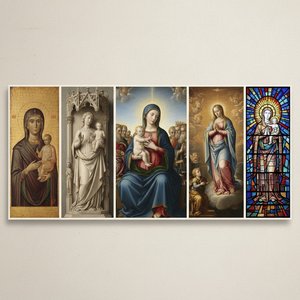
Divine Grace: A Journey Through the Most Iconic Depictions of the Virgin Mary in Art History
Embark on a profound journey through art history with our exploration of the most iconic depictions of the Virgin Mary. Discover the divine grace, symbolism, and masterful techniques found in Renaissance masterpieces and sacred iconography.
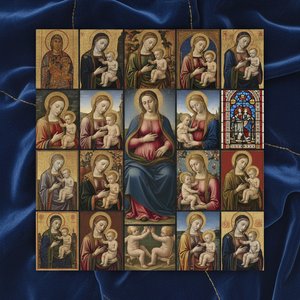
Divine Love: A Curated Guide to the Most Iconic Madonna and Child Masterpieces in Art History
Embark on a sophisticated journey through art history with our curated guide to the most iconic Madonna and Child masterpieces. Discover the profound beauty, theological depth, and enduring legacy of these sacred Renaissance treasures.

Divine Grace: An Art Historian's Journey Through Iconic Masterpieces of the Virgin Mary
Explore the profound beauty of Marian iconography through an art historian's lens. Discover iconic masterpieces by Raphael and Renaissance masters, celebrating the divine grace and timeless elegance of the Virgin Mary in classical fine art.


