
 Megtekintés
 Küldés
 Megosztás
 Részletek

 Letöltés
 Hasonló darabok
 X-ray felvétel
 Diavetítés
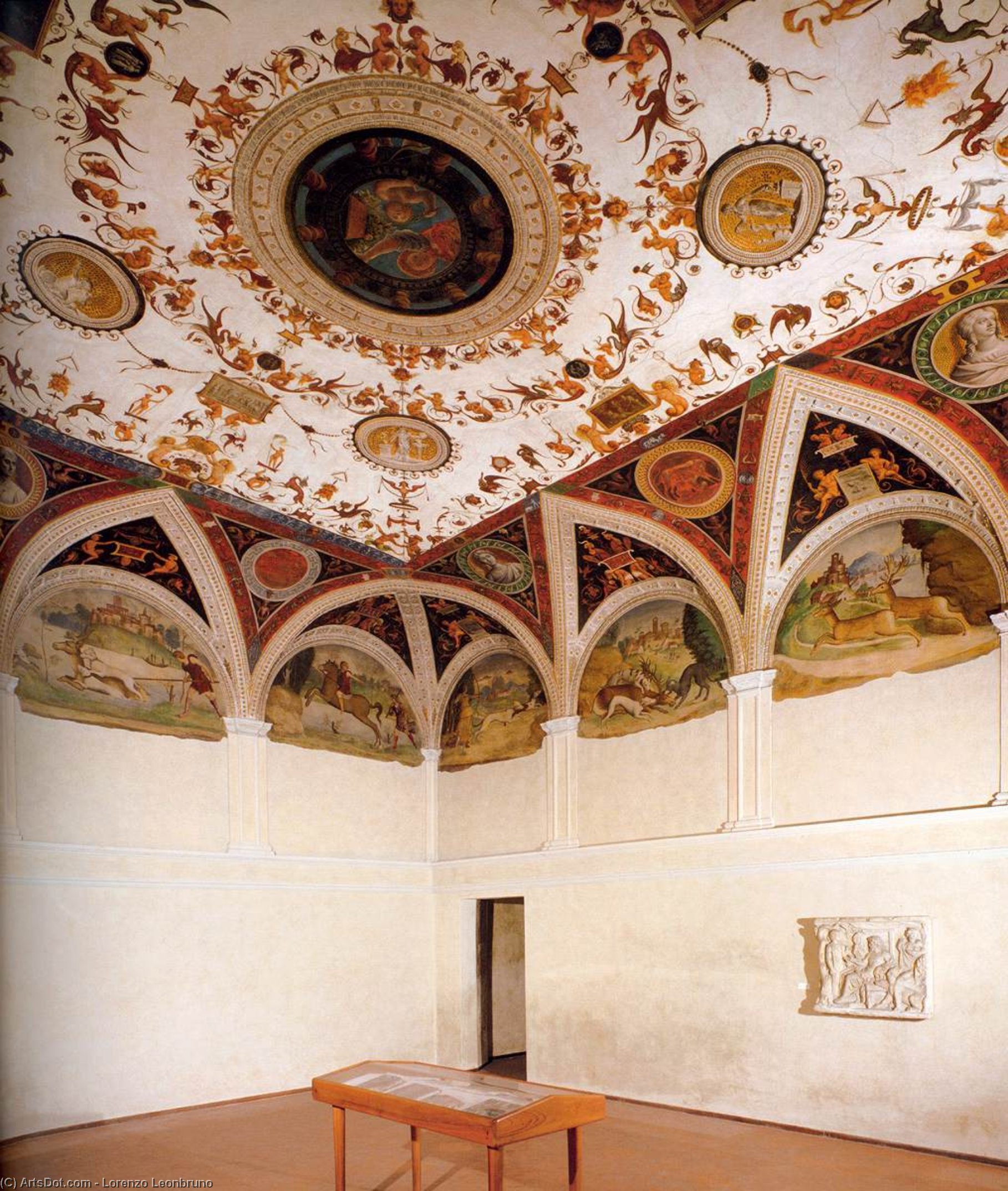
Ceiling decoration (detail)


 Összes részlet megjelenítése
Kézzel készített olajfestmény reprodukció
Kézzel festett olajvastú vászon, az Ön által választott méretben és keretben, művészeink készítik meglévőre. ( Nyomat rendelése Kép letöltése)




P118B $10

P118H $10

P118W $10

P438Z $10

P508JH $12

P508YH $12

P805H $10

P805Z $10

P919BZ $10

P919G $10

P919XJ $10

P959ZH $10

P968JZ $12

W106C $8

W218G $10

W218JH $8

W218Y $10

W307PJ $10

W316G $10

W316PJ $8

W316Y $10

W398PJ $8

W4111J $10

W500HY $15

W500JH $15

W692G $12

W849H $8

W940BG $15

W953PJ $8




Válasszon előre meghatározott méreteink közül, amelyek megfelelnek a műalkotás eredeti arányainak.

Ön megadhat saját méreteket egy adott kerethez vagy térhez igazításhoz. Ha a kiválasztott méret nem egyezik az eredeti kép arányával, akkor a műalkotást levágjuk, vagy további kézzel festett elemekkel meghosszabbítjuk a festményt. A gyártás megkezdése előtt küldünk Önnek egy digitális előnézetet jóváhagyásra.
Kérjük, vegye figyelembe, hogy a képernyőn megjelenő előnézet nem tükrözi a tényleges vágást vagy kiterjesztést. Csak az előnézet fog pontosan mutatni a végső kompozíciót.
Bár egyedi méretek állnak rendelkezésre, javasoljuk, hogy válasszon egy méretet az előre meghatározott listából az eredeti arányok megőrzése érdekében.
A rendelést követően a OriginalUniqueArt.com csapata e-mailt küld az ügyfélnek az instrukciókért, és biztosít egy előnézeti képet (mockup).
Világszerte elérhető szállítás () 3-4 hét alatt a szokásos 5 hét helyett. (17 augusztus). A minőség nem kérdőjelezhető.

Ingyenes globális expressz szállítás

Prémium minőségű len vászon

Teljes körű szállítási biztosítás

Vámvisszatérítési Garancia

Hiteles színpontosság garancia

60 napos visszaküldési lehetőség (csak hibás termékek esetén)

100% pénzvisszatérítési garancia

Több darab vásárlása esetén kedvezmény
 Az üvegkeretes opció csak 110 cm alatti méretben érhető el

Ceiling decoration (detail)
Reprodukciós technika
Reprodukció mérete
-


Összesített ár
$ 300
A műalkotás leírása
Ceiling Decoration (Detail): A Gonzaga Court Vision
The Ceiling decoration (detail) by Lorenzo Leonbruno stands as a testament to the artistic fervor of the early Renaissance in Northern Italy, specifically commissioned for the Palazzo Ducale in Mantua during the reign of Federico II Gonzaga. More than just pigment on plaster, this fresco embodies the Gonzaga family’s ambition to elevate their court's prestige through opulent visual narratives—a pursuit perfectly realized by Leonbruno’s masterful hand. Created around 1520, it represents a pivotal moment in Mantuan art history, absorbing and transforming influences from titans like Andrea Mantegna and Piero della Francesca into an individual style that cemented Leonbruno’s reputation as the Gonzaga court's artistic champion.Style and Technique: Harmonious Synthesis
Leonbruno’s approach wasn’t one of radical innovation but rather a careful distillation of established traditions. He skillfully blended the geometric precision characteristic of Mantegna—particularly evident in the circular motifs dominating the composition—with the lyrical grace found in Perugino's frescoes, resulting in an aesthetic that prioritized balance and idealized beauty. The fresco employs tempera paint on plaster, a technique favored for its durability and ability to achieve luminous colors, particularly crucial for capturing the ethereal quality of celestial imagery. Leonbruno’s meticulous layering of glaze—a hallmark of Renaissance painting—creates depth and richness, allowing light to penetrate through the intricate patterns and illuminating the figures within.Historical Context: Patronage and Propaganda
The Gonzaga family's patronage played an indispensable role in shaping Leonbruno’s artistic output. Federico II Gonzaga envisioned his palazzo as a symbol of dynastic power and cultural sophistication—a goal reflected in every aspect of its decoration, including this monumental ceiling fresco. Frescoes served not merely as adornments but as instruments of propaganda, conveying messages of piety, nobility, and familial lineage. The imagery chosen – celestial beings, mythological figures intertwined with floral garlands – reinforced the Gonzaga’s claim to divine favor and underscored their commitment to humanist ideals prevalent during the Renaissance.Symbolism: Celestial Harmony and Regal Virtue
The fresco's symbolism speaks volumes about Renaissance worldview. The central circular motif represents the cosmos—a deliberate allusion to Ptolemaic astronomy, reflecting the Gonzaga’s intellectual curiosity and aligning with the broader humanist preoccupation with understanding the natural order. Surrounding it are stylized floral garlands symbolizing fertility and prosperity – emblems of the Gonzaga family’s dominion over Mantua. Furthermore, subtle depictions of mythological figures, likely referencing classical narratives of divine rulers and heroic deeds, underscore themes of virtue and majesty—qualities deemed essential for upholding royal authority.Emotional Impact: A Window into Renaissance Grandeur
Looking upon this ceiling decoration is akin to stepping back in time, immersing oneself in the splendor of the Gonzaga court. The vibrant hues – oranges, yellows, reds, blues – evoke a sense of warmth and majesty, transporting viewers to a realm of idealized beauty and divine inspiration. Leonbruno’s meticulous attention to detail captures not only visual accuracy but also an emotional resonance that speaks to the enduring fascination with classical mythology and humanist ideals. It remains a powerful reminder of the transformative potential of art as a vehicle for conveying cultural values and celebrating human achievement—a legacy beautifully preserved in this breathtaking masterpiece.- Artist: Lorenzo Leonbruno
- Date: 1520
- Location: Palazzo Ducale, Mantua
- Medium: Tempera on Plaster
For more information about Lorenzo Leonbruno and the Palazzo Ducale’s artistic treasures, visit OriginalUniqueArt.com.
A művész életrajza
Lorenzo Leonbruno: The Gonzaga Court’s Master of Myth and Grace
Lorenzo Leonbruno (March 10, 1489 – circa 1537), also known as Lorenzo de Leombeni, stands as a pivotal figure in the early Renaissance of Northern Italy. Born in Mantua, a vibrant commune within Lombardy, his life was inextricably linked to the powerful Gonzaga family and their magnificent court. Leonbruno’s artistic journey wasn't one of solitary brilliance; rather, it unfolded through a rich tapestry of mentorship, apprenticeship, and ultimately, establishing himself as the favored painter for three generations of marquises. His legacy rests not just on individual masterpieces but on his profound influence, absorbing and transforming the styles of Mantegna, Perugino, and Costa into a uniquely expressive voice that defined the Gonzaga court’s visual identity.Early Training and the Shadow of Mantegna
Leonbruno's early life remains somewhat shrouded in mystery, lacking extensive documentation. However, his artistic development is inextricably tied to the legacy of Andrea Mantegna, a titan of Renaissance art who had served as court painter for Lodovico Gonzaga, the founder of the dynasty that would later commission Leonbruno. Mantegna’s frescoes within the Palazzo Ducale at Mantua – depicting scenes from classical mythology and biblical narratives – profoundly shaped Leonbruno's artistic sensibilities. It is believed that Leonbruno was adopted into Mantegna’s workshop, receiving a rigorous training in fresco technique, composition, and the meticulous rendering of detail characteristic of the master. This formative period instilled within him an appreciation for classical motifs, dramatic perspective, and a deep understanding of how to imbue narrative with emotional resonance. The sudden death of Mantegna in 1506 marked a significant turning point, prompting the Gonzaga family to seek replacements for their beloved court painter.Service to the Gonzaga Court: A Patron’s Vision
Leonbruno's career truly blossomed under the patronage of Francesco I Gonzaga and his wife Isabella d'Este. He quickly ascended to become the primary artist responsible for decorating the Gonzaga palace in Mantua, a role he held with unwavering dedication for nearly two decades. This period witnessed an extraordinary outpouring of artistic activity, transforming the palace into a visual testament to the family’s power, wealth, and refined taste. Leonbruno's commissions were vast and varied, encompassing elaborate frescoes, decorative panels, and intricate mythological scenes – all designed to adorn the palatial interiors and reflect the grandeur of the Gonzaga court. Isabella d'Este, in particular, became a significant patron, recognizing Leonbruno’s talent and commissioning works that celebrated her own status and refined aesthetic sensibilities. The Camera Grande, a lavish chamber within the palace, stands as his most enduring achievement, a breathtaking fresco cycle depicting mythological subjects rendered with remarkable grace and dynamism.Influences and Artistic Style
Leonbruno’s artistic style is a fascinating synthesis of influences. While deeply indebted to Mantegna – evident in his use of perspective, dramatic lighting, and classical subject matter – he also absorbed elements from Perugino's refined elegance and Costa’s more dynamic approach. His works are characterized by a meticulous attention to detail, particularly in the rendering of drapery and facial features. Leonbruno skillfully blended these influences into a distinctive style that is both elegant and emotionally charged. His mythological scenes often feature a heightened sense of drama and narrative intensity, while his religious paintings exude a serene beauty and spiritual depth. The incorporation of hunting motifs – a popular theme within the Gonzaga court – adds a layer of aristocratic sensibility to his work.Legacy and Notable Works
Despite the scale of his output during his time at Mantua, Leonbruno’s surviving oeuvre remains relatively small. However, each piece offers a valuable glimpse into his artistic development and technical mastery. The *Adoration of the Shepherds* (Worcester Art Museum) is considered one of his finest works, showcasing his ability to create a dynamic composition filled with vibrant color and expressive figures. His *Virgin with Child*, also housed in Worcester, exemplifies his skill in portraying human emotion and creating a sense of intimacy. The *Dormition of the Virgin* (a work often attributed to Arcimboldo but now recognized as Leonbruno’s) demonstrates his ability to integrate complex symbolism into a visually compelling narrative. Beyond these key works, Leonbruno's contributions to the decoration of the Palazzo Ducale and other Gonzaga residences remain significant, shaping the visual landscape of Mantua for generations to come. Lorenzo Leonbruno’s legacy endures as a testament to the power of patronage, artistic apprenticeship, and the enduring beauty of Renaissance art.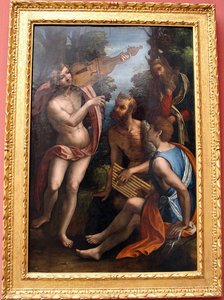
Lorenzo Leonbruno
1480 - 1537 , Italy
A művészről röviden
- Artistic Movement Or Style: Early Renaissance
- Artists Or Movements Influenced By This Artist: ['Mantua School']
- Artists Who Influenced This Artist:
- Andrea Mantegna
- Pietro Perugino
- Date Of Birth: March 10, 1489
- Date Of Death: 1537
- Full Name: Lorenzo Leonbruno
- Nationality: Italian
- Notable Artworks:
- Adoration of Shepherds
- Dormition of the Virgin
- Virgin with Child
- Place Of Birth: Mantua, Italy
Kapcsolódó cikkek
A családi örökség festői világa: Hogyan őrizzük meg a múltat a falakon?
Őrizze meg családja történetét festményekkel! Egyedi portrék, régi fényképek restaurálása és családi címer tervezése profi művészek által. Fedezze fel a kínálatát!
The Enduring Legacy of Fresco Painting: Techniques, History & Contemporary Relevance
Explore the rich history & enduring artistry of fresco painting – from Giotto to Michelangelo! Discover techniques, conservation efforts, & modern applications. Learn how OriginalUniqueArt brings this timeless art form to your home.

The Enduring Legacy of Fresco: Technique, History & Artistic Expression Across Cultures
Explore the rich history & enduring legacy of fresco painting! Discover ancient techniques, Giotto's masterpieces, and modern applications. Expert insights for art lovers & professionals.

The Enduring Legacy of Fresco: Technique, History & Artistic Expression
Explore the rich history & enduring artistry of fresco painting. Discover techniques from Giotto to Michelangelo, conservation efforts, & modern applications. Learn how OriginalUniqueArt brings this timeless art form to your home.
A személyes történetek, a kulturális gyökerek és a spirituális szimbólumok tükre: Egyedi falfestmények az otthon mélyebb értelméért
Egyedi falfestményekkel teremtsen otthona egyedülálló hangulatát! Szakértői segítség, prémium minőségű anyagok és személyre szabott tervezés. Fedezze fel kulturális gyökereit és spirituális értékeit falainkon!

