

 Megtekintés
 Küldés
 Megosztás
 Részletek
 Útmutató

 Letöltés
 Hasonló darabok
 X-ray felvétel
 Diavetítés
 Statisztika
Annunciation
 Oil On Panel
- Renaissance Early
 1480
1480 88.0 x 71.0 cm
 Uffizi Képtár
 Összes részlet megjelenítése
Giclée / Műnyomat
Múzeumi minőségű giclée vagy vászonnyomat, gyors gyártással és rugalmas finomítási lehetőségekkel. ( Kézzel festett másolat rendelése Áttérés digitális képre)




P118B Ft10

P118H Ft10

P118W Ft10

P438Z Ft10

P508JH Ft12

P508YH Ft12

P805H Ft10

P805Z Ft10

P919BZ Ft10

P919G Ft10

P919XJ Ft10

P959ZH Ft10

P968JZ Ft12

W106C Ft8

W218G Ft10

W218JH Ft8

W218Y Ft10

W307PJ Ft10

W316G Ft10

W316PJ Ft8

W316Y Ft10

W398PJ Ft8

W4111J Ft10

W500HY Ft15

W500JH Ft15

W692G Ft12

W849H Ft8

W940BG Ft15

W953PJ Ft8




Válasszon előre meghatározott méreteink közül, amelyek megfelelnek a műalkotás eredeti arányainak.

Írja be a keretének vagy a falának megfelelő szélességet és magasságot. A nyomatot csak le lehet vágni, soha nem tehető nagyobbá, mint az eredeti kép, így egy eltérő alakú méretnél a kép egy része elveszik. Mielőtt bármit kinyatintanánk, küldünk egy digitális próbamodellt jóváhagyásra. Az oldalon látható kép nem tartalmazza a valós levágást — ezt csak a próbamodell mutatja meg.
Világszerte történő kiszállítás területére mindössze 2 hét alatt, a szokásos 4-5 hét helyett. (27 október)

Ingyenes globális expressz szállítás

Prémium minőségű len vászon

Teljes körű szállítási biztosítás

Vámvisszatérítési Garancia

Hiteles színarányosság garancia

100 napos visszaküldési lehetőség (csak hibás termékek esetén)

100% pénzvisszatérítési garancia

Több darab vásárlásakor kedvezmény
 Az üvegkeretes opció csak 110 cm alatti méretben érhető el

Annunciation
Giclée / Műnyomat
Reprodukció mérete
-


Összesített ár
Ft 25681
The Annunciation by Lorenzo di Credi: A Serene Vision of Divine Revelation
Lorenzo di Credi’s “Annunciation,” painted around 1480, is more than just a depiction of a pivotal biblical moment; it's an exquisite distillation of Florentine Renaissance ideals – a harmonious blend of intellectual rigor and profound spiritual contemplation. This small panel, now housed in the Uffizi Gallery in Florence, offers a remarkably intimate glimpse into the world of early 15th-century religious art, revealing a painter deeply attuned to both the formal beauty of his craft and the evocative power of symbolism.
The scene unfolds within a meticulously rendered interior space, suggesting not a grand cathedral or opulent palace, but rather a modest dwelling – perhaps the Virgin Mary’s humble home in Nazareth. Credi masterfully employs linear perspective, drawing the viewer's eye towards the central figures and creating a sense of depth that belies the panel’s diminutive size. The architecture is subtly complex, incorporating elements reminiscent of Roman design while retaining a distinctly Italian sensibility. Note particularly the carefully constructed colonnade leading out from the room – an architectural device frequently used in Renaissance art to suggest an infinite space beyond the confines of the depicted scene, hinting at the boundless nature of God’s grace.
A Symphony of Color and Detail
Credi's technique is characterized by a remarkable attention to detail and a masterful control of color. He employs a restrained palette – primarily cool blues, greens, and ochres – creating an atmosphere of tranquility and serenity. The fabrics are rendered with exquisite realism, showcasing the painter’s skill in capturing textures and folds. Observe how the delicate folds of Mary's robe contrast with the smoother surfaces of the wooden furniture, demonstrating Credi’s ability to create visual interest through subtle variations in texture.
The angel Gabriel, depicted as a youthful figure radiating an aura of divine authority, extends his hand towards Mary, presenting her with the news of her impending motherhood. The use of light is particularly effective here, illuminating Gabriel's face and highlighting the gesture of offering – a potent symbol of God’s grace and intervention in human affairs. The subtle gradations of color used to depict the angel’s garments further enhance his ethereal quality.
Symbolism and Spiritual Resonance
Beyond its formal beauty, “The Annunciation” is rich in symbolic meaning. The setting itself – a simple domestic space – underscores the idea that God's grace can be found in the most ordinary of circumstances. The presence of the wooden step beneath the scene, adorned with depictions of the Creation of Eve, Original Sin, and Expulsion from Paradise, serves as a visual reminder of humanity’s fallen state and the need for redemption. These lower panels act as a kind of prologue, framing the central event of the Annunciation and providing context for its significance.
The composition is carefully balanced, with Mary positioned centrally and Gabriel occupying a complementary space. The gesture of Mary's hand – raised in acceptance – conveys her humility and faith. The overall effect is one of profound reverence and spiritual contemplation, inviting the viewer to reflect on the miracle of the Incarnation and its implications for human existence.
A Legacy of Serenity
Lorenzo di Credi’s “Annunciation” stands as a testament to the enduring power of Renaissance art to capture both the beauty of the material world and the depth of spiritual experience. His meticulous attention to detail, masterful use of color, and profound understanding of symbolism combine to create a work that is both visually stunning and emotionally resonant. It’s a painting that speaks not just to the eye but also to the heart, offering a timeless meditation on faith, grace, and the miracle of divine revelation.
Kérdések és válaszok
Mennyire tel愈t a "Annunciation" színpalettája?
A „Annunciation”, Lorenzo Di Credi alkotása alkotás Muted telítettségű színekkel készült.
Annunciation színei erőteljesnek vagy lágynak tűnnek?
A "Annunciation" színtelítettsége Monochromatic. Az intenzitás azt mutatja meg, mennyire erőteljesnek tűnnek a színek.
Hogyan építhető be „Annunciation”, Lorenzo Di Credi alkotása a lakberendezésbe?
A „Annunciation”, Lorenzo Di Credi alkotása ajánlott Statement célokra, lehetőleg egy Living Room helyiségbe. A felhasználás módja és a tér kialakítása együtt segít eldönteni, hogy melyik reprodukció illik bele.
A művész életrajza
Giovanni Battista Cima da Conegliano: A Venetian Master of Tranquil Beauty
Giovanni Battista Cima, aki magyarással egyszerűen csak Cima da Conegliano néven ismert, az olasz reneszánsz meghatározó alakja volt az 15. század végén és a 16. század elején. Körülbelül 1459-ben született Conegliano kisvárosában, a Velencei Ériuban – egy olyan térségben, amely híres volt művészeti dinamizmusáról –, s életútja és pályája elválaszthatatlanul kapcsolódott ehhez a vibráló kulturális központhoz. Bár származása szerénynek tűnik, alkotásai hamar megállították őt Velence egyik legegyedibb és leghatásosabb festőjeként, összekötve az korai reneszánsz formálisabb stílusát a tizedik század végén kialakuló naturalizmussal, amely a magasan fejlődött reneszánsz jellegét határozta meg. Öregedése nem a monumentális, drámai narratívákban, hanem a mély nyugalom érzésében rejlik, egyfajta meditatív minőségben, amelyet aprólékosan megalkotott vallási jeleneteiben és intimebb, házi pillanataiban találunk.Korai hatások és képzés
Cima korai művészeti képzésének pontos részletei még mindig némi rejtélybe burkolózны. Ellentétben sok kortársával, akik jól működő műhelyekben vagy neves mesterek közvetlen oktatása alatt tanulhattak, kevés bizonyíték áll rendelkezésre egy konkrét tanár megnevezésére. Azonban a művészettörténészek többsége egyetért abban, hogy munkássága mélyen árasztott fel Giovanni Bellinit, az előző generáció leghírnevesebb velencei festőjét. Bellini hangsúlyozta az atmoszférikus perspektívát, finoman használta a színeket, és képes volt még a vallási témákat is a csendes kontempláció érzésével árasztotta meg, ami Cima munkásságában is mélyen visszhangzott. Emellett létezik meggyőző bizonyíték egy kapcsolatról Antonello da Messinával is, a feltörekvő művészzel, aki a flamand és a firenzei reneszánsz festészet innovációit – különösen a lineáris perspektíva és a naturalisztikus részletesség fontosságát – hozta Velencébe. Cima tájképei, amelyek gyakran mutatnak távoli hegyeket az atmoszférika ködében, striking hasonlóságot mutatnak Antonello munkásságával, ami tudatos törekvést jelez e technikák saját stílusába való beépítésére. Bartolomeo Montagna, egy másik velencei festő, akit a vidéki tájak realista ábrázolása ismert, hatása is látható Cima korai műveiben, különösen a Madonna of the Arbour című alkotásban.Stílus és technika: A csendes kontempláció világa
Cima művészeti stílusa azonnal felismerhető egyedülálló nyugalmáról. Ellentétben sok kortársával, akik a drámai kompozíciókat és az érzelmileg töltött jeleneteket részesítették előnyben, Cima következetesen vallási témákat – elsősorban Madonnákat gyermekkel, Szent Jeromos életéből származó jeleneteket és alkalmi mitológiai narratívákat – ábrázolt niezwylt nyugalommal és visszafogottsággal. Alakjai szinte szobrászi minőségűek, méltóságteljes csendet sugallva, amely meghívja a nézőt a csendes elmélegdésre. Kerülte a bonyolult díszítést és a teátrális gesztusokat; helyette az érzelmek finom kifejezéseire és a belső béke érzésének átadására összpontosított. Munkásságának kulcsfontosságú jellemzője a színek mesteri használata. A fakult földszínek – a barna, az oker és a zöld – palettáját kedvelte, ezzel harmonikus és visszafogott vizuális hatást keltve. Festékfelvitele aprólékos és pontos volt, olyan felületeket eredményezve, amelyek szinte bársonyos simaságúak. Elsődleges jelentőségű, hogy Cima tájképei nem csupán dekoratív háttérként szolgálnak; létfontosságú szerepet játszanak festményeinek hangulatának és atmoszférájának kialakításában. Skilful módon alkalmazta az atmoszférikus perspektívát a mélység és a távolság érzékének megteremtésére, befoglalva a nézőt a jelenetbe és elmerítve őt annak nyugodt szépségében. Kompozíciói gyakran mutatnak távoli hegyeket, hullámzó dombokat és csillogó tavakat, amelyek mindegyike lenyűgöző részletességgel és érzékenységgel készült.Jelentős művek és alkotásszám
Cima terméssége meglepően szerény volt sok velencei kortársához képest. Elsősorban kisebb méretű, magánápolásra szánt alkotásokat készített – oltárképeket, devóciós táblákat és egyedi portrékat –, nem pedig monumentális freskókat vagy hatalmas megrendeléseket. Legismertebb műve közé tartozik a Madonna of the Arbour (1489), amely ma Vicenza múzeumában található; az Adoration of the Shepherds (1487) a firenzei Santa Chiara templomban; valamint a Baptism of Christ a velencei Chiostro dello Scalzo számára. Gyakran visszatért népszerű témákhoz, például a Madonna and Child motívumához, számos változatot készítve egyetlen kompozícióból, amelyek mindegyike finoman eltér az előzőtől. Ezek az ismétlődő ábrázolások nemcsak technikai tudását bizonyítják, hanem témáinak mély ismeretét és képességét is, amellyel képes volt a lényeget rendkívüli konzisztenciával megörökíteni.Örökség és történelmi jelentőség
Cima da Conegliano hozzájárulása a velencei festészethez gyakran alulbecsül, mégis tagadhatatlanul jelentős. Fontos összekötő elemként áll a Bellini korai reneszánsz hagyományai és Tizian fejlődő naturalizmusa között. Az atmoszférikus perspektíva hangsúlyozása, a színek finom használata és a csendes kontempláció érzésének átadása utat nyitott a későbbi generációk számára a velencei festők körében. Bár soha nem érte el kortársai széles körű hírnevét vagy befolyásukat, Cima munkássága ma is csodálat fennáll szépsége, nyugalma és mély érzelmi árasztása miatt. A velencei művészettörténet gazdag szövetében egy egyedi és maradandó hangot képvisel – tanúsként az alázatos elegancia erejére és a csendes elmélegdés örök vonzerőre.
Lorenzo Di Credi
1459 - 1537 , Olaszország
Rövid információk
- Artistic Movement Or Style: Velencei iskola
- Artists Or Movements Influenced By This Artist: ['Tizian']
- Artists Who Influenced This Artist:
- Bartolomeo Montagna
- Giovanni Bellini
- Date Of Birth: kb. 1459/60
- Date Of Death: kb. 1517/18
- Full Name: Giovanni Battista Cima
- Nationality: Olasz
- Notable Artworks:
- Madonna arborwith
- Szent Jeromos tájban
- Madonna és gyermek
- Place Of Birth: Conegliano, Olaszország
Kapcsolódó cikkek
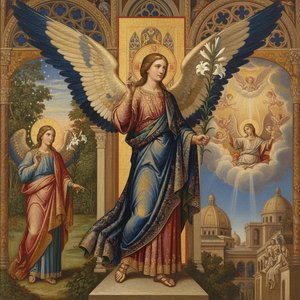
Divine Messengers: A Curated Guide to the Iconography of Angel Gabriel in Art History
Explore the profound beauty of Angel Gabriel in art history. From Renaissance masterpieces to Baroque splendor, our expert guide delves into the sacred iconography and timeless techniques of these divine messengers for the discerning art enthusiast.

Dante Gabriel Rossetti 25 Mesterműve: Szépség és Lelkiség a Vásznon – OriginalUniqueArt
Fedezze fel Dante Gabriel Rossetti 25 legszebb művészeti alkotását! Ismerje meg a prerafaeliták titkait, a viktoriánus festészet szépségét és a romantikus szimbolizmus mélységeit. Prémium minőségű art reprodukciók a OriginalUniqueArt-on – inspiráció otthonába!
Fra Angelico Mesterek: A 25 Legszebb Műalkotás a Lelki Békeért – OriginalUniqueArt.com
Fedezze fel Fra Angelico 25 legszebb műalkotását! Reneszánsz festmények, angyalok és spirituális ikonfestészet a firenzei iskola mesterétől. Vásároljon exkluzív olajfestmény reprodukciókat otthonába a OriginalUniqueArt.com-on. Explore the full collection online!
Giotto di Bondone 25 Mesterműve: A Reneszánsz Előhírnöke a Falakon – OriginalUniqueArt
Fedezze fel Giotto di Bondone 25 legpárásabb műalkotását! Ismerje meg a reneszánsz előhírnökét, festményeit és freskóit. Vásároljon exkluzív reprodukciókat otthona díszítésére a OriginalUniqueArt.com-on – múzeumi minőségben!
A Velencei Biennále 25 Mesterműve: A Kortárs Art Élménye – OriginalUniqueArt.com
Fedezze fel a Velencei Biennále 25 legikonikusabb műalkotását! Ismerje meg a híres festők történetét, a modern stílusokat és inspirálódjon otthon dekorációjához. Museum-minőségű reprodukciók a OriginalUniqueArt.com oldalon – fedezze fel a teljes gyűjteményt online!