Text size

() ·

A painting made for you, by hand

Codici di Madrid

Kézzel készített olajfestmény reprodukció

Kézzel festett olajvastú vászon, az Ön által választott méretben és keretben, művészeink készítik meglévőre. ( Váltás nyomtatványra Áttérés digitális képre)

A gyűjtemény leírása

A művész életrajza

Fedezze fel Leonardo da Vinci (1452-1519) világát: a Mona Lisa és az Utolsó vacsora reneszánsz géniusza! Ismerje meg sfumato technikáját, anatómiai tanulmányait és úttörő feltalálmányait.

from ·

Chapter 1

How large should it be?

Slide to change the size; the picture on the left shows the frame at its real width. The proportions of the original are kept.

Standard méret
egyedi méretű
CM
INCH

Válasszon előre meghatározott méreteink közül, amelyek megfelelnek a műalkotás eredeti arányainak.

szélesség
magasság

Írja be a kívánt szélességet és magasságot, hogy illeszkedjen a keretéhez vagy a falához. Mivel ez kézzel festett alkotás, egy eltérő formájú méret esetén a művész akár festhet is valamivel többet a kép körül, vagy korolathat is belőle — az Ön döntésének megfelelően. A festés megkezdése előtt küldünk egy digitális tervezetet jóváhagyásra. Az oldalon látható kép nem tartalmazza a végeredményt — csak a tervezet mutatja meg a valódi eredményt.

Chapter 2

How should it arrive?

Choose the edges of the stretched canvas

Choose your frame

Corner sample of the WhiteWrap canvas edge finish, stretched on tömörfa bars
White Ft1
Corner sample of the BlurSideWrap canvas edge finish, stretched on tömörfa bars
Blurside Ft1
Corner sample of the ExtendedWrap canvas edge finish, stretched on tömörfa bars
Extended Ft1
Corner sample of the P118B picture frame: formázott polisztirol, 5 cm wide and 3 cm thick
P118B Ft10
Corner sample of the P118H picture frame: formázott polisztirol, 5 cm wide and 3 cm thick
P118H Ft10
Corner sample of the P118W picture frame: formázott polisztirol, 5 cm wide and 3 cm thick
P118W Ft10
Corner sample of the P438Z picture frame: formázott polisztirol, 5.5 cm wide and 3.5 cm thick
P438Z Ft10
Corner sample of the P508JH picture frame: formázott polisztirol, 7 cm wide and 3.5 cm thick
P508JH Ft12
Corner sample of the P508YH picture frame: formázott polisztirol, 7 cm wide and 3.5 cm thick
P508YH Ft12
Corner sample of the P805H picture frame: formázott polisztirol, 5 cm wide and 3.5 cm thick
P805H Ft10
Corner sample of the P805Z picture frame: formázott polisztirol, 5 cm wide and 3.5 cm thick
P805Z Ft10
Corner sample of the P919BZ picture frame: formázott polisztirol, 7 cm wide and 3.5 cm thick
P919BZ Ft10
Corner sample of the P919G picture frame: formázott polisztirol, 7 cm wide and 3.5 cm thick
P919G Ft10
Corner sample of the P919XJ picture frame: formázott polisztirol, 7 cm wide and 3.5 cm thick
P919XJ Ft10
Corner sample of the P959ZH picture frame: formázott polisztirol, 5 cm wide and 3 cm thick
P959ZH Ft10
Corner sample of the P968JZ picture frame: formázott polisztirol, 6 cm wide and 4 cm thick
P968JZ Ft12
Corner sample of the W106C picture frame: tömörfa, 5 cm wide and 3 cm thick
W106C Ft8
Corner sample of the W218G picture frame: tömörfa, 5 cm wide and 3 cm thick
W218G Ft10
Corner sample of the W218JH picture frame: tömörfa, 5 cm wide and 3 cm thick
W218JH Ft8
Corner sample of the W218Y picture frame: tömörfa, 5 cm wide and 3 cm thick
W218Y Ft10
Corner sample of the W307PJ picture frame: tömörfa, 6 cm wide and 3 cm thick
W307PJ Ft10
Corner sample of the W316G picture frame: tömörfa, 6 cm wide and 3 cm thick
W316G Ft10
Corner sample of the W316PJ picture frame: tömörfa, 6 cm wide and 3 cm thick
W316PJ Ft8
Corner sample of the W316Y picture frame: tömörfa, 6 cm wide and 3 cm thick
W316Y Ft10
Corner sample of the W398PJ picture frame: tömörfa, 5 cm wide and 3 cm thick
W398PJ Ft8
Corner sample of the W4111J picture frame: tömörfa, 6.5 cm wide and 3.5 cm thick
W4111J Ft10
Corner sample of the W500HY picture frame: tömörfa, 7 cm wide and 5 cm thick
W500HY Ft15
Corner sample of the W500JH picture frame: tömörfa, 7 cm wide and 5 cm thick
W500JH Ft15
Corner sample of the W692G picture frame: tömörfa, 8 cm wide and 4 cm thick
W692G Ft12
Corner sample of the W849H picture frame: tömörfa, 5 cm wide and 3 cm thick
W849H Ft8
Corner sample of the W940BG picture frame: tömörfa, 7.5 cm wide and 4.5 cm thick
W940BG Ft15
Corner sample of the W953PJ picture frame: tömörfa, 6 cm wide and 3.5 cm thick
W953PJ Ft8
Corner sample of the H24-GOLD picture frame: faragott fa gesszóval, 10 cm wide and 6 cm thick
H24-GOLD Ft30
Corner sample of the H24-SILVER picture frame: faragott fa gesszóval, 10 cm wide and 6 cm thick
H24-SILVER Ft30
Corner sample of the H36-GOLD picture frame: faragott fa gesszóval, 15 cm wide and 6.5 cm thick
H36-GOLD Ft45
Corner sample of the H36-SILVER picture frame: faragott fa gesszóval, 15 cm wide and 6.5 cm thick
H36-SILVER Ft45

Moulding: . Overall size with the frame: .

Chapter 3

Who paints it, and should anything change?

Examples of what can be changed: Replace face with customer photo; Add pet (e.g., replace cat with dog); Include hidden message in background; Change background landscape or elements.
After order, OriginalUniqueArt.com team will email client for instructions and provide a mockup preview

Világszerte elérhető szállítás () 3-4 hét alatt a szokásos 5 hét helyett. (2 november). A minőség nem kérdőjelezhető.

Chapter 4

The finishing touches

A nameplate, as in a museum?

A gravírozott bronztábla részletei

This elegant plaque features the artist's name and the title of the artwork, finely engraved for a timeless presentation.

It is made from bronze with a refined, elegant finish. The text is precisely laser-engraved for a sharp and permanent result. Measuring 9x2 cm, the plaque is compact yet easy to read. It's built to be durable and scratch-resistant, offering a professional, museum-quality look. Mounting is simple thanks to the included adhesive backing.

Átlátszó akril tábla részletei

The plaque includes essential engraved details such as the artist's name, the title of the artwork, the date it was created, the type of media used-like oil on canvas or watercolor-a brief description of the piece, and a QR code that links to the complete artwork information.

It is crafted from clear acrylic, offering a sleek, modern appearance. The text is UV-engraved in black to ensure strong visual contrast. With a size of 10x15 cm, it ensures optimal readability. It comes equipped with two metal hooks for secure wall mounting. The plaque is designed to be weather-resistant, making it suitable for various environments, and it includes interactive features that work seamlessly with smartphone scanning.

Fekete akril tábla részletei

This elegant plaque includes engraved information such as the artist's name, the title of the artwork, the date it was created, the type of media used (like oil on canvas or watercolor), a short description of the artwork, and a QR code for quick access to more information.

The plaque itself is made from refined black acrylic with a premium finish. The text is laser-engraved in white for high contrast and readability. Its size is 10x15 cm, designed to be easy to read. It comes with two metal hooks for professional mounting. The design is sleek and fits any interior style. It is also weather-resistant and durable, with built-in digital integration for mobile compatibility.

A protective varnish?

When do you need it?

Chapter 5

Your painting, as you ordered it

Codici di Madrid

Reprodukciós technika

Reprodukció mérete

-

Kiváló mesterművész

Nagyobb részletesség, finomság és bővített gyártási idő

-

Reprodukció keretezése

-

-

A bármely oldalsó méretét túlszálaló 105 cm (kb. 41 hüvelyk) meghaladó műalkotások vagy reprodukciók esetében a keret összeszerelhető készletként, szétszerelve kerül szállításra. Ez a módszer biztosítja a biztonságos szállítást, és megakadályozza a szállítás során fellépő sérüléseket.

Szakmész összeszerelést igényel – ez nem DIY (önösszeszerelhető) termék.
A készletet egy tapasztalt keretező szakembernek kell összeszerelnie és a vásznat feszítenie kell, fa ragasztó (nem tartalmazza a csomag), vásznfeszítő fogó és szorítók használatával, amelyek a ragasztó száradásáig a keretrészeket egymáshoz vuôngjba tartják. A helytelen összeszerelés vagy a nem egyenletes vásznfeszítés maradandó károsíthatja a műalkotást, és ez nem része a garanciánknak.

  • A készlet tartalmazza az összes tömörfa rudat, pontosan méretre vágva.

  • A mellékelt csavarokkal, valamint a sarokszerekhez szükséges faütő ragasztóval kell összeszerelnie (ez nem tartalmazható a csomagban), így a keretrendezőnek külön kell beszereznie.

  • A csomag nem tartalmazza a szükséges professzionális eszközöket: egy vászonfeszítőt és klipseket a rácsok vízszintes tartásához a ragasztó megszáradásáig.

Fontos:
A sarokcsatlakozásokhoz fánylagra van szükség, a keretrudakat szorítókapcsokkal kell rögzíteni, amíg a rag teljesen meg nem szárad, a kész keretre feszített vászonhoz pedig vászonfeszítő fogat szükséges. Ezek egyike sem található meg a készletben. Kérjük, rendelés előtt győződjön meg róla, hogy rendelkezik tapasztalt keretező szakemberrel.

Névtábla

-

-

Védőréteg (Lakk)

Fényes lakk (intenzívabb színek, védelem a fény és a nedvesség hatása ellen)

-

Műalkotásom egyedi igényre szabása

Példák a módosíthatóságra: az arc kicserélése az ügyfél fotójára; háziállat hozzáadása (pl. macska helyett kutya); rejtett üzenet elhelyezése a háttérben; a háttér tájainak vagy elemeinek megváltoztatása.

-

Sürgős

Világszerte szóló szállítás () mindössze 3-4 hét alatt, a szokásos 5 hét helyett. (2 november). A minőség nem kérdőjelezhető.

-

Express szállítás

Világszerte elérhető szállítás területre 5 héten belül. (9 november).

A szállítás díja tartalmazza

Összesített ár

Ft 98255

Összesített ár Ft 98255

Az üvegkeretes opció csak 110 cm alatti méretben érhető el

Included with every order

  • Ingyenes globális expressz szállítás
  • Prémium minőségű len vászon
  • Teljes körű szállítási biztosítás
  • Vámvisszatérítési Garancia
  • Hiteles színarányosság garancia
  • 100 napos visszaküldési lehetőség (csak hibás termékek esetén)
  • 100% pénzvisszatérítési garancia
  • Több darab vásárlásakor kedvezmény

The Enigmatic Vessel: Exploring Leonardo da Vinci’s “Codici di Madrid”

Leonardo da Vinci's "Codici di Madrid," though shrouded in the mystery of its origins and current whereabouts, represents a fascinating intersection of observation, artistic invention, and perhaps even a subtle commentary on the nature of representation itself. This seemingly simple depiction of a ceramic or metal vase—a commonplace object elevated to an extraordinary study—offers a glimpse into the mind of one of history’s most profound thinkers. The painting, likely conceived as a preparatory drawing or sketchbook page, isn't merely a record of a physical form; it’s a distillation of da Vinci’s relentless pursuit of understanding – how light interacts with surface, how volume is perceived, and ultimately, how to capture the essence of an object on a two-dimensional plane.

The composition immediately draws the eye to the vase's distinctive spiral motif. This isn’t a purely decorative flourish; it speaks to da Vinci’s deep interest in geometry, proportion, and the underlying mathematical harmony he believed governed all things. The spiral, a recurring symbol throughout his work – from the swirling patterns of water to the graceful curves of human anatomy – suggests an exploration of growth, movement, and the cyclical nature of existence. It's a visual echo of concepts explored in his scientific notebooks, hinting at a mind constantly seeking connections between art and science.

A Study in Observation and Technique

Da Vinci’s approach to this seemingly straightforward subject is remarkably detailed, reflecting his meticulous method of observation. He wasn’t simply copying the vase; he was dissecting it visually, analyzing its form from multiple angles, and rendering each subtle curve and shadow with painstaking accuracy. The use of *spolvero*, a technique involving dusting charcoal onto the wet paint surface to create delicate lines and shading, is particularly evident here, lending an ethereal quality to the ceramic’s texture. This method allowed him to build up layers of tone and value with incredible precision, capturing not just the appearance but also the *feeling* of the material.

The choice of medium – likely charcoal on paper or perhaps a preliminary sketch for fresco – further illuminates da Vinci's working process. These preparatory drawings were crucial to his artistic development, serving as a laboratory where he could experiment with ideas and refine his techniques before committing them to larger-scale works. “Codici di Madrid” stands as a testament to this iterative approach, demonstrating how even the most familiar subject could become a vehicle for profound exploration.

Symbolism and Renaissance Ideals

Within the context of the High Renaissance, “Codici di Madrid” can be interpreted through the lens of humanist ideals. Da Vinci’s fascination with nature – a cornerstone of Renaissance thought – is powerfully evident in his detailed rendering of this everyday object. He elevates it to an object worthy of study and artistic representation, reflecting a belief in the inherent beauty and intellectual value of the natural world. The vase itself could be seen as a symbol of containment, holding within its form the potential for growth, knowledge, or even life – themes frequently explored by Renaissance artists and philosophers.

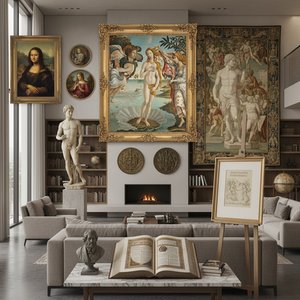
Furthermore, the image’s placement within a book—as depicted in the photograph—suggests a deliberate act of preservation and study. Books were repositories of knowledge during this period, and da Vinci's inclusion of his drawing within one reinforces the importance of observation, documentation, and the transmission of ideas across generations. It speaks to a legacy of learning and a deep appreciation for the power of visual representation.

A Timeless Masterpiece: Reproduction Possibilities

OriginalUniqueArt offers exquisite hand-painted reproductions of “Codici di Madrid,” meticulously crafted by our team of skilled artists who emulate da Vinci’s techniques with unparalleled accuracy. Each reproduction captures not only the image's visual details but also its underlying atmosphere and emotional resonance. Whether you are an art collector, interior designer seeking to infuse a space with Renaissance elegance, or simply an admirer of da Vinci’s genius, our reproductions provide a beautiful and authentic way to experience this enigmatic masterpiece. Explore our collection today and bring the intellectual depth and artistic beauty of “Codici di Madrid” into your home or studio.

Kérdések és válaszok

Melyik országból származik a High Renaissance irányzat Codici di Madrid című műve?

A "Codici di Madrid" a alkotó születésihelyén keresztül köti össze a High Renaissance irányzatot Olaszország-val.

Ismertebb műalkotás a „Codici di Madrid”, Leonardo Da Vinci alkotása?

A „Codici di Madrid”, Leonardo Da Vinci alkotása népszerűségi szintje Iconic. Ez a besorolás azt tükrözi, mennyire ismert és elismert ez a mű.

„Codici di Madrid”, Leonardo Da Vinci alkotása festmény, rajz vagy grafika?

A katalógusban a „Codici di Madrid”, Leonardo Da Vinci alkotása a WallArt kategóriába tartozik. Ez a besorolás segít hasonló művek megtalálásában.

More about this painting

Megtekintés AR előnézet Váltás nyomtatványra Áttérés digitális képre Küldés
Részletek Útmutató Kedvencekhez ad Letöltés Hasonló darabok X-ray felvétel Diavetítés Q&A Statisztika

In numbers

  • 29frames to choose from
  • standard sizes, in its own proportions
  • 5weeks to paint and deliver it
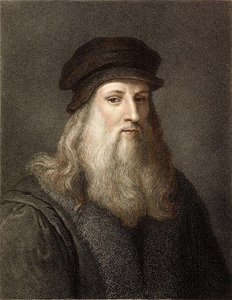
Leonardo Da Vinci

Leonardo Da Vinci

1452 - 1519, Olaszország

Quick facts about Leonardo Da Vinci

  • Artistic Movement Or Style: Magas reneszánsz
  • Artists Or Movements Influenced By This Artist: ['Reneszánsz művészet']
  • Artists Who Influenced This Artist: ['Andrea del Verrocchio']
  • Date Of Birth: 1452. április 15.
  • Date Of Death: 1519. május 2.
  • Full Name: Leonardo di ser Piero da Vinci
  • Nationality: Olasz
  • Notable Artworks:
    • Mona Lisa
    • Az utolsó vacsora
  • Place Of Birth (City And Country): Vinci, Olaszország

A művész életrajza

Leonardo da Vinci élete és öröksége

Leonardo di ser Piero da Vinci, a toszkánai Vinci falu közelében született 1452-ben, vélhetően a reneszánsz legösszesebb felismerte fel alakja marad – egy valódi polihisztor, akinek elszívóvadász kíváncsisága számos tudományterületen hagyott maradandó nyomot a művészetben, a tudományban és a mérnöki szakmában. Neve mára maga a géniusz szinonimájává vált, ami rendkívüli tehetségének és látnoki gondolkodásának érdemtelene bizonyítéka. Piero da Vinci jegyző és Caterina parasztlány házasságon kívüli gyermekeként született; Leonardo korai élete nem konvencionális volt, mégis hozzáférést biztosított számára a gyakorlátikus világhoz és a természethez való olyan mély elkötelezettséghez, amely alapjaiban formálta művészi látásmódját. Az alapvető olvasási, írási és számtani ismereteket elsajátította, de az Andrea del Verrocchio firenzei műhelyében töltött tanulóévei voltak azok, amelyek igazán felgyújtották benne a kreatív szikrát. Verrocchio műhelyében Leonardo nem csupán festeni vagy faragni tanult; mélyen belemerült a technikai tudás világába, mesterévé vált az ezérműves munkálatoknak, az asztalosmunkának, a rajznak és a művészi alkotás minden apró részletének – ez volt az az alap, amelyre később sokoldalú zsenialitása épült. Már ez a formálódó időszak alatt is suttogások terjedtek róla, hogy kivételes tehetséggel rendelkezik, és olyan beszámolók léteznek, melyek szerint Verrocchio maga is feladta a festést, miután tanítványának, Leonardónak tanúi lett annak fölényes képességének.

<

Milánai innovációk és művészi virágzás

1482-ben Leonardo új fejezetet nyitott, amikor belépett Ludovico Sforza, milánai herceg szolgálatába. Ez nem csupán egy művészeti kinevezés volt; Leonardo katonai mérnökként, építészként, szobrászként és udvari tervezőként is tevékenykedett – ami sokoldalú készségeinek bizonyítéka. Innovatív erődítéseket tervezett, bonyolult színterek kialakítását vállalta, és még fantasztikus gépek vázlatait is készítette. Azonban éppen ebben az időszakban kezdődött el egyik legikonikusabb remekműve kidolgozása: a Az Últ vacsora. A Santa Maria delle Grazie kolostor refektoriumában freskóként készült alkotás túlmutat a puszta ábrázoláson; az emberi érzelmek és a pszichológiai dráma mély felfedezése, amely Krisztus árulságáról szóló bejelentésének pontos pillanatát örökíti meg. A korához képest olyan innovatív kompozíció és a perspektíva mesteri használata, amely évszázadokon át meghatározta a nyugati művészetet. Bár milánai idején számos szobrászati projekt befejezetlenül maradt, Leonardo találmányos szelleme virágzott tovább, laid az alapokat a későbbi tudományos kutatások számára.

A firenzei visszatérés és a tökéletesség keresése

A milánai francia megszállás után 1499-ben Leonardo Firenzé visszatért, egy olyan városba, amely éppen a művészeti fejlődés csúcspontját éltelte. Bár ebben az időszakban kevesebb befejezett alkotást hozott létre, azok hatása hatalmas volt. Itt kezdődött el az alkotás, amely világszerte talán a leghírösebb festménnyé vált: a Mona Lisa (La Gioconda). A tárgy állójának rejtélyes mosolyát és lenyűgöző tekintetét generációk óta mag себе vonja a nézőket, miközben Leonardo forradalmi *sfumato* technikája – a fény és az árnyék finom keverése a ködös kontúrok és a légköri perspektíva létrehozásához – jelentősen hozzájárult a festmény éterikus minőségéhez. Ez az időszak a tudományos pontossággal történő anatómiai tanulmányainak további finomítását is magában foglalta, amelyet az emberi test megértésére irányuló rendíthetetlen vágy hajtott. Testeket boncolt, aprólékosan dokumentálva az izmot, a csontokat és a szerveket olyan hihetetlenül részletes rajzokban, amelyek évszzerűen le voltak a koruktól.

Örökség a művészet mögött: tudomány, találmányok és maradandó hatás

Leonardo későbbi éveit a Firenze, Milánó és Róma közötti utazások jellemezték; mindig keresették szakértelmét, de projektjei gyakran befejezetlenül maradtak – ami talán nyugtalan intellektusának és érdeklődési körének hatalmas tágasságának tükröződése volt. 1516-ban elfogadta Ferenc I. király meghívását, hogy Franciaországban, az Amboise közelében található Château du Clos Lucé kastélyban éljen és dolgozzon, ahol végső éveit töltötte. 1519-ben ott halt meg, hatalmas örökséget hagyva hátra, amely messze túlmutat a művészet terjedelmen. Naplói az anatómia, az optika, a hidraulika, a geológia és a kartográfia úttörő munkáit tárják fel – valamint olyan találmányokat is, amelyek évszázadokkal megelőztek korukat, beleértve a repülőgépeket, a tankokat és a fejlett fegyvereket. Leonardo da Vinci hatása a művészettörténetre megmérhetetlen. A művészek státuszát a képzett kézművesekből intellektuális alakokká emelte, bebizonyítva, hogy a művészi alkotás tudományos kutatásokkal és a természeti világ mély ismeretével támasztható alól. Festményeit realizmusukról, pszichológiai mélységükről és innovatív technikáikról ünneplik. Az emberi kíváncsiság, a kreativitás és a tudás hajszolásának szimbóluma marad – a reneszánsz szellem valódi megtestesülése, akinek öröksége halál után is évszázadokon át keltet awe-t és lenyűgözöttséget.

Kulcsfontosságú eredmények és maradandó hatás

  • Festészet: Mona Lisa, Az Últ vacsora, a Sziklák szűz Madonnája, Az Éremkündetés
  • Rajz és vázlatok: Kiterjedt anatómiai tanulmányok, mérnöki tervezések (repülőgépek, fegyverek), botanikai illusztrációk
  • Tudomány és mérnöki tudomány: Úttörő munka az anatómia, az optika, a hidraulika, a geológia és a kartográfia területein. Olyan találmányok elképzelése, amelyek évszázadokkal megelőztek korukat.

Gyors információk

  • Artist: Leonardo da Vinci
  • Influences: Da Vinci
  • Movement: Renaissance
  • Location: Madrid, Spain
  • Artistic style: High Renaissance

Művészeti kvíz

Minden kérdésre csak egy helyes válasz létezik.

Kérdés 1:
The painting ‘Codici di Madrid’ depicts which of the following?
Kérdés 2:
Considering Leonardo da Vinci’s known interests, what artistic influence is most likely reflected in the vase’s spiral design?
Kérdés 3:
What does the depiction of the vase within a book suggest about its purpose?
Kérdés 4:
Leonardo da Vinci’s early apprenticeship with Andrea del Verrocchio significantly impacted his artistic development. What did this apprenticeship primarily involve?