Megtekintés
 Küldés
 Megosztás
 Részletek
 Útmutató

 Letöltés
 Hasonló darabok
 X-ray felvétel
 Diavetítés
 Kérdések és válaszok
 Statisztika
Codex Madrid I, f.9r

- 22.0 x 15.0 cm


 Összes részlet megjelenítése
Giclée / Műnyomat
Múzeumi minőségű giclée vagy vászonnyomat, gyors gyártással és rugalmas finomítási lehetőségekkel. ( Kézzel festett másolat rendelése Áttérés digitális képre)




P118B Ft10

P118H Ft10

P118W Ft10

P438Z Ft10

P508JH Ft12

P508YH Ft12

P805H Ft10

P805Z Ft10

P919BZ Ft10

P919G Ft10

P919XJ Ft10

P959ZH Ft10

P968JZ Ft12

W106C Ft8

W218G Ft10

W218JH Ft8

W218Y Ft10

W307PJ Ft10

W316G Ft10

W316PJ Ft8

W316Y Ft10

W398PJ Ft8

W4111J Ft10

W500HY Ft15

W500JH Ft15

W692G Ft12

W849H Ft8

W940BG Ft15

W953PJ Ft8




Válasszon előre meghatározott méreteink közül, amelyek megfelelnek a műalkotás eredeti arányainak.

Írja be a keretének vagy a falának megfelelő szélességet és magasságot. A nyomatot csak le lehet vágni, soha nem tehető nagyobbá, mint az eredeti kép, így egy eltérő alakú méretnél a kép egy része elveszik. Mielőtt bármit kinyatintanánk, küldünk egy digitális próbamodellt jóváhagyásra. Az oldalon látható kép nem tartalmazza a valós levágást — ezt csak a próbamodell mutatja meg.
Világszerte történő kiszállítás területére mindössze 2 hét alatt, a szokásos 4-5 hét helyett. (8 november)

Ingyenes globális expressz szállítás

Prémium minőségű len vászon

Teljes körű szállítási biztosítás

Vámvisszatérítési Garancia

Hiteles színarányosság garancia

100 napos visszaküldési lehetőség (csak hibás termékek esetén)

100% pénzvisszatérítési garancia

Több darab vásárlásakor kedvezmény
 Az üvegkeretes opció csak 110 cm alatti méretben érhető el

Codex Madrid I, f.9r
Giclée / Műnyomat
Reprodukció mérete
-


Összesített ár
Ft 26396
A Mechanical Revelation: Decoding Leonardo’s Vision
To gaze upon the Codex Madrid I, folio 9r is to witness a profound moment of intellectual transcendence, where the boundaries between scientific inquiry and artistic mastery dissolve into a single, breathtaking vision. This singular drawing by Leonardo da Vinci serves as much more than a mere technical schematic; it is a window into the very soul of the Renaissance mind. Within these delicate graphite lines, we find the restless spirit of a polymath who refused to accept the limits of the known world. The folio presents an intricate, detailed illustration of an experimental hydraulic device, a complex machine that whispers of Da Vinci’s relentless pursuit of understanding the natural world through the lens of practical engineering and geometric precision.
The subject matter itself is a testament to Leonardo's fascination with the mechanics of life and motion. The drawing portrays a detailed schematic of what appears to be an experimental hydraulic device, perhaps conceived as a method for lifting heavy objects or channeling the raw power of water. Each component is rendered with such meticulous care that one can almost sense the movement of fluid through its channels. There is a quiet, rhythmic beauty in the way the machine's parts are laid out, suggesting a harmony between human ingenuity and the elemental forces of nature. For the collector or the admirer of fine art, this piece offers a rare glimpse into the "pre-industrial" imagination—a blueprint for a future that Leonardo was already dreaming of centuries before its time.
The Mastery of Line and Light
Technically, the folio is a masterclass in observational drawing. Executed with graphite on paper, the work demonstrates Da Vinci's unparalleled ability to use simple tools to convey profound structural integrity. The lines are not merely marks on a page; they are carefully calculated strokes designed to communicate accurate proportions and weight. Through subtle yet effective shading, Leonardo creates a sense of three-dimensional depth, allowing the various mechanical components to emerge from the paper with a palpable presence. This interplay of light and shadow does more than define shape—it breathes life into the inanimate, transforming a technical diagram into a work of evocative fine art.
The aesthetic appeal of this piece lies in its deceptive simplicity. While the content is scientific, the execution is deeply artistic. The way the text—labels written in Latin—intertwines with the mechanical drawings creates a beautiful, organic texture across the parchment. This integration of language and image reflects the Renaissance ideal that art and science are not separate disciplines, but rather two sides of the same coin. For an interior designer, such a piece provides a sophisticated focal point, offering a sense of intellectual depth and historical gravity to any curated space.
A Legacy of Infinite Curiosity
The historical context of the Codex Madrid I places it within the heart of Leonardo’s most prolific era. During this period, Da Vinci was actively engaged in developing technologies that would bridge the gap between medieval tradition and modern innovation. This drawing is a tangible manifestation of his belief that by documenting our observations, we can unlock the secrets of the universe for future generations. It represents a period of significant advancement in engineering and mechanics, where the artist’s eye was just as vital to discovery as the scientist's logic.
Beyond its mechanical utility, the folio carries a profound emotional impact. There is an inherent sense of wonder embedded in every stroke—a feeling of standing on the precipice of discovery. It evokes a sense of nostalgia for the era of the "universal man," reminding us of a time when human potential seemed limitless. Owning or displaying a high-quality reproduction of this work is not merely about decorating a wall; it is about inviting the spirit of innovation, curiosity, and timeless genius into one's personal environment. It serves as a constant reminder that through observation and imagination, we can decode the very mechanics of our existence.
Kérdések és válaszok
Hogyan kapcsolódnak „Codex Madrid I, f.9r”, Leonardo Da Vinci alkotása színei a mű érzelmi töltetéhez?
A „Codex Madrid I, f.9r”, Leonardo Da Vinci alkotása egy Monochrome színpalettát ötvöz a Mysterious hangulatú tónussal.
A „Codex Madrid I, f.9r”, Leonardo Da Vinci alkotása portré, tájékép vagy négyzet alakú kompozíció?
A "Codex Madrid I, f.9r" formátuma Portrait. Ez hasznos, amikor tervezünk, hogy a reprodukciót hová helyezzük el.
Milyen az „Codex Madrid I, f.9r”, Leonardo Da Vinci alkotása általános hangulata?
A „Codex Madrid I, f.9r”, Leonardo Da Vinci alkotása hangulata Inspirational, ami segíthet a mű megfelelő környezetbe illesztésében.
A művész életrajza
Leonardo da Vinci élete és öröksége
Leonardo di ser Piero da Vinci, a toszkánai Vinci falu közelében született 1452-ben, vélhetően a reneszánsz legösszesebb felismerte fel alakja marad – egy valódi polihisztor, akinek elszívóvadász kíváncsisága számos tudományterületen hagyott maradandó nyomot a művészetben, a tudományban és a mérnöki szakmában. Neve mára maga a géniusz szinonimájává vált, ami rendkívüli tehetségének és látnoki gondolkodásának érdemtelene bizonyítéka. Piero da Vinci jegyző és Caterina parasztlány házasságon kívüli gyermekeként született; Leonardo korai élete nem konvencionális volt, mégis hozzáférést biztosított számára a gyakorlátikus világhoz és a természethez való olyan mély elkötelezettséghez, amely alapjaiban formálta művészi látásmódját. Az alapvető olvasási, írási és számtani ismereteket elsajátította, de az Andrea del Verrocchio firenzei műhelyében töltött tanulóévei voltak azok, amelyek igazán felgyújtották benne a kreatív szikrát. Verrocchio műhelyében Leonardo nem csupán festeni vagy faragni tanult; mélyen belemerült a technikai tudás világába, mesterévé vált az ezérműves munkálatoknak, az asztalosmunkának, a rajznak és a művészi alkotás minden apró részletének – ez volt az az alap, amelyre később sokoldalú zsenialitása épült. Már ez a formálódó időszak alatt is suttogások terjedtek róla, hogy kivételes tehetséggel rendelkezik, és olyan beszámolók léteznek, melyek szerint Verrocchio maga is feladta a festést, miután tanítványának, Leonardónak tanúi lett annak fölényes képességének.
<Milánai innovációk és művészi virágzás
1482-ben Leonardo új fejezetet nyitott, amikor belépett Ludovico Sforza, milánai herceg szolgálatába. Ez nem csupán egy művészeti kinevezés volt; Leonardo katonai mérnökként, építészként, szobrászként és udvari tervezőként is tevékenykedett – ami sokoldalú készségeinek bizonyítéka. Innovatív erődítéseket tervezett, bonyolult színterek kialakítását vállalta, és még fantasztikus gépek vázlatait is készítette. Azonban éppen ebben az időszakban kezdődött el egyik legikonikusabb remekműve kidolgozása: a Az Últ vacsora. A Santa Maria delle Grazie kolostor refektoriumában freskóként készült alkotás túlmutat a puszta ábrázoláson; az emberi érzelmek és a pszichológiai dráma mély felfedezése, amely Krisztus árulságáról szóló bejelentésének pontos pillanatát örökíti meg. A korához képest olyan innovatív kompozíció és a perspektíva mesteri használata, amely évszázadokon át meghatározta a nyugati művészetet. Bár milánai idején számos szobrászati projekt befejezetlenül maradt, Leonardo találmányos szelleme virágzott tovább, laid az alapokat a későbbi tudományos kutatások számára.
A firenzei visszatérés és a tökéletesség keresése
A milánai francia megszállás után 1499-ben Leonardo Firenzé visszatért, egy olyan városba, amely éppen a művészeti fejlődés csúcspontját éltelte. Bár ebben az időszakban kevesebb befejezett alkotást hozott létre, azok hatása hatalmas volt. Itt kezdődött el az alkotás, amely világszerte talán a leghírösebb festménnyé vált: a Mona Lisa (La Gioconda). A tárgy állójának rejtélyes mosolyát és lenyűgöző tekintetét generációk óta mag себе vonja a nézőket, miközben Leonardo forradalmi *sfumato* technikája – a fény és az árnyék finom keverése a ködös kontúrok és a légköri perspektíva létrehozásához – jelentősen hozzájárult a festmény éterikus minőségéhez. Ez az időszak a tudományos pontossággal történő anatómiai tanulmányainak további finomítását is magában foglalta, amelyet az emberi test megértésére irányuló rendíthetetlen vágy hajtott. Testeket boncolt, aprólékosan dokumentálva az izmot, a csontokat és a szerveket olyan hihetetlenül részletes rajzokban, amelyek évszzerűen le voltak a koruktól.
Örökség a művészet mögött: tudomány, találmányok és maradandó hatás
Leonardo későbbi éveit a Firenze, Milánó és Róma közötti utazások jellemezték; mindig keresették szakértelmét, de projektjei gyakran befejezetlenül maradtak – ami talán nyugtalan intellektusának és érdeklődési körének hatalmas tágasságának tükröződése volt. 1516-ban elfogadta Ferenc I. király meghívását, hogy Franciaországban, az Amboise közelében található Château du Clos Lucé kastélyban éljen és dolgozzon, ahol végső éveit töltötte. 1519-ben ott halt meg, hatalmas örökséget hagyva hátra, amely messze túlmutat a művészet terjedelmen. Naplói az anatómia, az optika, a hidraulika, a geológia és a kartográfia úttörő munkáit tárják fel – valamint olyan találmányokat is, amelyek évszázadokkal megelőztek korukat, beleértve a repülőgépeket, a tankokat és a fejlett fegyvereket. Leonardo da Vinci hatása a művészettörténetre megmérhetetlen. A művészek státuszát a képzett kézművesekből intellektuális alakokká emelte, bebizonyítva, hogy a művészi alkotás tudományos kutatásokkal és a természeti világ mély ismeretével támasztható alól. Festményeit realizmusukról, pszichológiai mélységükről és innovatív technikáikról ünneplik. Az emberi kíváncsiság, a kreativitás és a tudás hajszolásának szimbóluma marad – a reneszánsz szellem valódi megtestesülése, akinek öröksége halál után is évszázadokon át keltet awe-t és lenyűgözöttséget.
Kulcsfontosságú eredmények és maradandó hatás
- Festészet: Mona Lisa, Az Últ vacsora, a Sziklák szűz Madonnája, Az Éremkündetés
- Rajz és vázlatok: Kiterjedt anatómiai tanulmányok, mérnöki tervezések (repülőgépek, fegyverek), botanikai illusztrációk
- Tudomány és mérnöki tudomány: Úttörő munka az anatómia, az optika, a hidraulika, a geológia és a kartográfia területein. Olyan találmányok elképzelése, amelyek évszázadokkal megelőztek korukat.
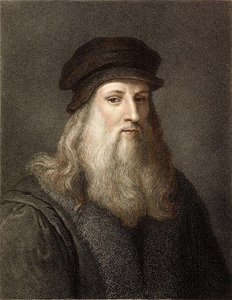
Leonardo Da Vinci
1452 - 1519 , Olaszország
Rövid információk
- Artistic Movement Or Style: Magas reneszánsz
- Artists Or Movements Influenced By This Artist: ['Reneszánsz művészet']
- Artists Who Influenced This Artist: ['Andrea del Verrocchio']
- Date Of Birth: 1452. április 15.
- Date Of Death: 1519. május 2.
- Full Name: Leonardo di ser Piero da Vinci
- Nationality: Olasz
- Notable Artworks:
- Mona Lisa
- Az utolsó vacsora
- Place Of Birth (City And Country): Vinci, Olaszország
Kapcsolódó cikkek

A Firenze Uffizi Galéria 25 Mesterműve: Reneszánsz Győgyöngyök a Ház Falain
Fedezze fel a Firenze Uffizi Galéria 25 legikonikusabb műalkotását! Leonardo, Michelangelo, Botticelli és más reneszánsz mesterek festményeinek története. Művészeti reprodukciók otthonába – OriginalUniqueArt.com.
Leonardo da Vinci: A Renaissance Master’s Synthesis of Art, Science & Human Observation – Reinterpreted for the Collector
Explore Leonardo da Vinci’s timeless masterpieces with OriginalUniqueArt. Discover insights into his art, science, and legacy – trusted expertise for discerning collectors seeking authentic reproductions & investment opportunities.

Leonardo da Vinci 25 Mesterműve: Festmények, Rajzok és a Reneszánsz Zsenije – OriginalUniqueArt.com
Fedezze fel Leonardo da Vinci 25 legikonikusabb művét! Ismerje meg a Mona Lisa, az Utolsó Vacsora és más reneszánsz remekművek történetét. Museum-minőségű reprodukciók és inspiráló otthon dekorációs ötletek – OriginalUniqueArt.com.

A Louvre gyöngyszemei: 25 műalkotás, melyek inspirálják otthonát – OriginalUniqueArt
Fedezze fel a Louvre múzeum 25 legikonikusabb műalkotását! Leonardo da Vinci, Delacroix és más mesterek festményeinek története. Inspirálja otthonát klasszikus szépséggel – OriginalUniqueArt.
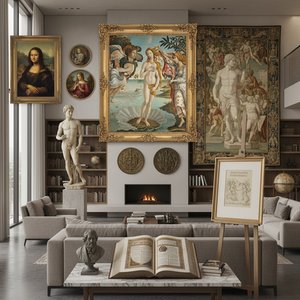
Reneszánsz Humanizmus 10 Mesterműve: A Szellemiség Újjászületése a Falakon
Fedezze fel a Reneszánsz Humanizmus 10 legikonikusabb műalkotását! Leonardo da Vinci, Michelangelo és más mesterek festményeinek története. Vászonképek reprodukciói otthonába – OriginalUniqueArt.com kínálatából. Explore the full collection online!