
 Küldés
 Megosztás
 Részletek

 Letöltés
 Hasonló darabok
 Diavetítés
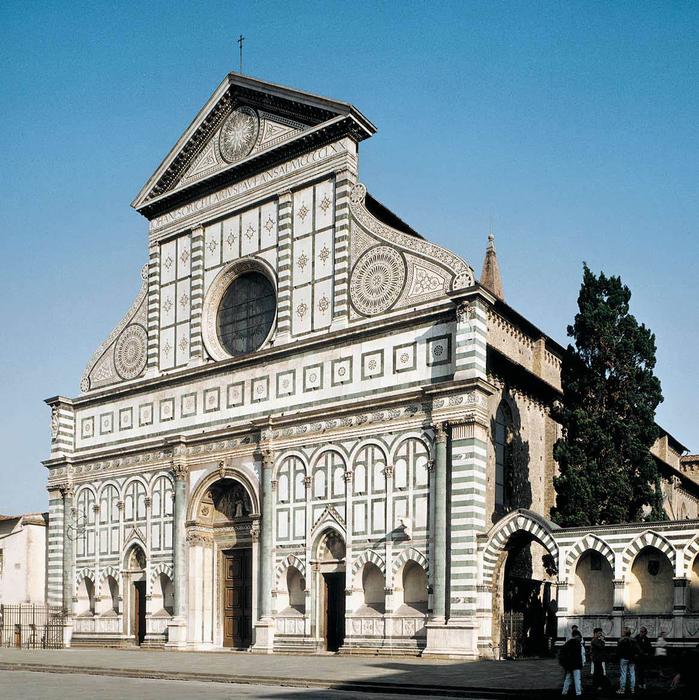
Exterior view


 Összes részlet megjelenítése
Vásároljon nagy felbontású, javított digitális képet, amely minőségében messze felülmúlja az online előnézetet.
Minden fájlt szakembereink a legmodernebb eszközök és precíz, kézi retusálás segítségével készítenek el aprólékosan. Gondoskodunk arról, hogy minden kép kivételes tisztasággal, pontos színhelyességgel és részletgazdag finomsággal rendelkezzen.
A végleges fájl 72 órán belül e-mailben megérkezik, professzionális, szerkesztői és nyomtatási környezetbe optimalizálva az azonnali használathoz. Ez ugyanaz a minőség, amelyben a legmeghatározóbb tervezőstúdiók, kiadók és galériák is megbízhatnak.
Digitális kép
Töltsön le nagy felbontású fájlt személyes kiállításokhoz, nyomtatáshoz és kreatív projektekhez. ( Nyomat rendelése Kézzel festett másolat rendelése)
Minden digitális kép rendeléséhez tartozó extrák
Szakértői digitális kézbesítés, garantáltan
Amikor a OriginalUniqueArt.com szolgáltatást választja, nem csupán egy képet kap – professzionálisan felmagasított digitális műalkotást kap, amely precizitással készült, és amelyet megelégsedési gwarancia tesz biztoslássá. Az alábbiakban automatikusan minden benne 】

Gyors e-mail teslimítés
A nagy felbontású digitális képmásolatát a megrendelést követő 72 órán belül e-mailben elküldjük Önnek – azonnal használható formátumban.

MI-alapú digitális fejlesztésű fájl
Műve professzionális módon kerül optimalizálásra fejlett mesterséges intelligencia eszközök és manuális szerkesztés segítségével, biztosítva a maximális részletességet, tisztaságot és színpontosságot.

Örök életű ingyenes újradelivery
Véletlenül törölted vagy elvesztetted a fájlodat? Ne aggódj – bármikor ingyen újra megküldjük neked.

Nincs importköltség – soha
Élvezze műalkotásait azonnal, vám, illeték vagy szállítási költség nélkül – a digitális letöltések mindig adamentesek.

Színpontosság garantálása
Professzionális eszközök és színkezelés segítségével garantáljuk, hogy digitális képe a lehető legpontosabban tükrözze az eredeti színeket.

60 napos elégedettségi garancia
Ha nemມີ elégedett a digitális képpel, 60 napon belül átmunkáljuk azt, vagy 100% visszatérítjük az amountot – kérdés nélkül.

100% Pénzvisszatérítési garancia
Nem érheted el a teljes elégedettséget? 60 napon belül teljes visszatérítést kapsz a digitális fájlod megérkezése után – kérdés nélkül.

Tömegrendelési kedvezmények
Vásároljon 3 képet, spóroljon 10%-et - Vásároljon 5-öt, spóroljon 15%-et - Vásároljon 10+ képet, spóroljon 20%-at. Kiváló kreatív projektekhez, galériákhoz és ügynökségekhez.
A gyűjtemény részletei
A Monumental Vision: Alberti's Exterior View of Santa Maria Novella
This captivating image presents a photographic documentation of the Basilica di Santa Maria Novella in Florence, Italy. More than just a depiction of architecture, it’s a testament to Renaissance ideals and the enduring power of symmetry and proportion. The basilica itself is an iconic landmark, its construction spanning centuries from 1246 onwards, with the façade taking shape between 1310 and 1470 – a period deeply intertwined with Alberti's own life and work. The photograph captures the building’s grandeur, emphasizing its height and intricate detailing through a vertically oriented composition. The cool palette of grey and beige marble creates a sense of timeless elegance, while sharply defined lines reflect the precision characteristic of Florentine Mannerism.Leon Battista Alberti: Architect, Humanist, and Renaissance Polymath
The artwork is attributed to Leon Battista Alberti (1404-1472), a pivotal figure in the Italian Renaissance. Alberti wasn't merely an architect; he was a true "Renaissance man," excelling as a humanist author, artist, poet, priest, linguist, philosopher, and cryptographer. His multifaceted genius profoundly influenced art and architecture of his time. While this photograph isn’t a painting by Alberti himself (as photography didn't exist in his lifetime), it embodies the principles he championed – classical harmony, mathematical precision, and a reverence for ancient Roman forms. Alberti’s theoretical writings on architecture, particularly *De re aedificatoria* ("On the Art of Building"), profoundly shaped architectural thought and practice, advocating for rational design based on geometry and proportion. The Basilica di Santa Maria Novella's façade, though completed after his death, reflects these ideals, making Alberti an intellectual ancestor to this visual representation.Architectural Style & Technique
The style is firmly rooted in Renaissance architecture, specifically Florentine Mannerism, characterized by its emphasis on order, clarity, and a refined elegance. The photograph itself utilizes a linear perspective, creating a convincing sense of depth as the building recedes into the distance. The smooth texture of the polished marble, subtly revealing natural veining, is meticulously captured, highlighting the quality of the stone and the craftsmanship involved in its construction. The lighting is even and bright, suggesting a clear day, which accentuates the three-dimensional forms and intricate details of the façade. This photographic technique allows for an incredibly realistic representation of the building's exterior, preserving its visual impact for generations to come.Historical Context & Emotional Impact
The Basilica di Santa Maria Novella holds immense historical significance as one of Florence’s most important churches and a prime example of early Italian architectural style. Its long construction period reflects the evolving artistic tastes and patronage systems of the time. Viewing this photograph evokes a sense of awe and reverence for the enduring power of human creativity and ingenuity. The symmetry, precision, and sheer scale of the basilica inspire feelings of stability, order, and timeless beauty. It serves as a powerful reminder of Florence’s rich cultural heritage and its pivotal role in the Renaissance. For collectors and interior designers, this reproduction offers an opportunity to bring a touch of Italian Renaissance grandeur into any space – a statement piece that speaks volumes about sophistication and artistic appreciation.A művész életrajza
A Renaissance Universal: The Life and Legacy of Leon Battista Alberti
Leon Battista Alberti, a name synonymous with the very essence of the Italian Renaissance, was far more than just an architect; he embodied the humanist ideal – a relentless pursuit of knowledge and excellence across a dazzling array of disciplines. Born in Genoa in 1404, his life unfolded as a testament to this “universal man” philosophy, seamlessly blending artistic creation with scholarly inquiry, architectural innovation, and even cryptographic pursuits. Unlike artists solely dedicated to brush or chisel, Alberti’s journey was defined by an insatiable curiosity and a profound belief in the power of human reason to understand and shape the world around him. The circumstances of his birth were somewhat unconventional; he emerged from the union of Lorenzo di Benedetto Alberti, a Florentine exiled from his home city, and a Bolognese widow. This early experience, marked by displacement and a need for self-reliance, perhaps fostered in him a sense of independence and a drive to prove himself through intellectual achievement – a desire that would permeate his entire life’s work. His formative years were spent amidst the rigorous academic environments of Padua and Bologna, where he initially pursued legal studies at his father’s behest, yet it was mathematics that truly ignited his imagination, offering a welcome sanctuary from the demands of law and laying the groundwork for his later architectural theories. Even in these early days, Alberti demonstrated literary talent, composing his first comedy, *Philodoxius*, around 1424 – a foreshadowing of his future contributions to humanist thought.The Architect of Humanism: Shaping Renaissance Space
Alberti’s relocation to Rome in 1431 marked a pivotal moment in his career, an awakening triggered by the rediscovery of antiquity. Entering the service of the papal court and taking holy orders provided him with unparalleled access to the magnificent ruins of ancient Rome – remnants that ignited a lifelong passion for classical architecture. He didn’t merely admire these vestiges of a bygone era; he meticulously studied them, seeking to decipher the principles that underpinned their enduring beauty and structural integrity. This dedication culminated in his magnum opus, *De re aedificatoria* (On the Art of Building), completed around 1452 but published posthumously in 1485. This treatise wasn’t simply a technical manual; it was a philosophical exploration of architecture as an art form deeply intertwined with human values – a synthesis of mathematics, philosophy, and aesthetics. Drawing heavily from the writings of Vitruvius, the Roman architect and engineer, Alberti infused classical principles with his own observations and innovations, emphasizing proportion, symmetry, and harmony as essential elements of design. He believed that buildings should not merely serve a functional purpose but also elevate the human spirit through their beauty and order. His architectural projects brought these theories to life, transforming the urban landscape of Florence and beyond. The facade of the Palazzo Rucellai in Florence, begun in 1446, stands as a prime example of his ability to translate classical ideals into a contemporary urban context – a harmonious blend of Roman grandeur and Florentine practicality. Similarly, the Tempio Malatestiano in Rimini, a masterpiece of Renaissance architecture, showcases his mastery of spatial organization and decorative detail, while his designs for churches in Mantua – San Sebastiano and the Basilica of Sant’Andrea – demonstrate a remarkable sensitivity to existing structures, seamlessly integrating classical elements into an already established architectural framework.Beyond Buildings: A Polymath’s Diverse Pursuits
To define Alberti solely as an architect would be a profound disservice to the breadth of his intellectual curiosity. He was a true polymath, excelling in fields far removed from the realm of building design. His contributions to art theory were revolutionary, particularly his treatise *De pittura* (On Painting), written around 1435 and later published. This work codified the principles of linear perspective, providing artists with a mathematical framework for creating realistic depictions of space – a technique that fundamentally altered the course of Western painting. Alberti wasn’t merely theorizing; he understood the practical implications of his ideas, offering guidance on composition, color theory, and the representation of human anatomy. He also delved into mathematics, cryptography, linguistics, philosophy, and cosmology, authoring *De componendis cifris* (On Composing Ciphers) and collaborating with Paolo Toscanelli on astronomical studies. His interest in cryptography, in particular, led to the development of a sophisticated method for deciphering codes – a testament to his intellectual versatility. Furthermore, his treatise *De statua* (On Sculpture) explored the principles of sculptural form, demonstrating a holistic understanding of the visual arts. Alberti’s life was one of constant learning and exploration, fueled by an unwavering belief in the interconnectedness of knowledge.A Lasting Influence: Alberti’s Enduring Legacy
Leon Battista Alberti died in Rome in 1472, leaving behind a legacy that continues to resonate today. His synthesis of classical knowledge with Renaissance humanism profoundly shaped the intellectual and artistic landscape of his era and beyond. *De re aedificatoria* became a cornerstone of architectural education for centuries, influencing generations of architects across Europe. As both a theorist and practitioner, Alberti championed reason, proportion, and harmony in art and architecture, embodying the ideals of the Renaissance “universal man.” His work on perspective revolutionized artistic practice, enabling artists to create more realistic and convincing depictions of space. Giorgio Vasari, in his *Lives of the Most Excellent Painters, Sculptors, and Architects*, recognized Alberti’s immense importance, solidifying his place as a pivotal figure in art history. Alberti's influence isn’t confined to specific buildings or treatises; it lies in his holistic approach to knowledge and his unwavering belief in the power of human reason to understand and shape the world around us. He remains an inspiration, reminding us that true creativity flourishes at the intersection of diverse disciplines. **His work continues to be studied, admired, and emulated by artists, architects, and scholars alike—a testament to his enduring genius.**- Notable Works: Palazzo Rucellai, Tempio Malatestiano, Basilica di Sant'Andrea
- Key Treatises: *De re aedificatoria*, *De pittura*, *De statua*
- Influences: Classical architecture (Vitruvius), Renaissance Humanism
- Legacy: Foundation of Renaissance architectural theory, revolutionizing perspective in art.

Alberti Leon Battista
1404 - 1472 , Olaszország
Érdekességek
- Artistic Movement Or Style: Korai reneszánszi
- Artists Or Movements Influenced By This Artist: ['Reneszánsz humanizmus']
- Artists Who Influenced This Artist: ['Vitruvius']
- Date Of Birth: 1404. Február 18.
- Date Of Death: 1472. Április 25.
- Full Name: Leon Battista Alberti
- Nationality: Olasz
- Notable Artworks:
- Palazzo Rucellai
- Tempio Malatestiano
- Place Of Birth: Genoa, Olaszország

