

 Előnézet
 Megosztás
 Megosztás
 Részletek
 Útmutató

 Letöltés
 Hasonló darabok
 X-ray felvétel
 Diavetítés
 Statisztika
Untitled\n\nUntitled
 Ink
Ink- WallArt
- Constructivism
 1939
1939- Modern
 50.0 x 40.0 cm
 Művészeti Múzeum, Boston
 Tovább olvasom
Giclée / Műnyomat
Múzeumi minőségű giclée vagy vászonnyomat, gyors gyártással és rugalmas finomítási lehetőségekkel. ( Kézzel festett másolat vásárlása Áttérés digitális képre)




P118B Ft10

P118H Ft10

P118W Ft10

P438Z Ft10

P508JH Ft12

P508YH Ft12

P805H Ft10

P805Z Ft10

P919BZ Ft10

P919G Ft10

P919XJ Ft10

P959ZH Ft10

P968JZ Ft12

W106C Ft8

W218G Ft10

W218JH Ft8

W218Y Ft10

W307PJ Ft10

W316G Ft10

W316PJ Ft8

W316Y Ft10

W398PJ Ft8

W4111J Ft10

W500HY Ft15

W500JH Ft15

W692G Ft12

W849H Ft8

W940BG Ft15

W953PJ Ft8




Válasszon előre meghatározott méreteink közül, amelyek megfelelnek a műalkotás eredeti arányainak.

Írja be a keretének vagy a falának megfelelő szélességet és magasságot. A nyomatot csak le lehet vágni, soha nem tehető nagyobbá, mint az eredeti kép, így egy eltérő alakú méretnél a kép egy része elveszik. Mielőtt bármit kinyatintanánk, küldünk egy digitális próbamodellt jóváhagyásra. Az oldalon látható kép nem tartalmazza a valós levágást — ezt csak a próbamodell mutatja meg.
Világszerte történő kiszállítás területére mindössze 2 hét alatt, a szokásos 4-5 hét helyett. (23 október)

Ingyenes globális expressz szállítás

Prémium minőségű len vászon

Teljes körű szállítási biztosítás

Vámvisszatérítési Garancia

Tökéletes színarányosság garancia

100 napos visszaküldési garancia (csak gyártási hibás termékek esetén)

100% pénzvisszatérítési garancia

Több darab vásárlásakor kedvezmény
 Az üvegkeretes opció csak 110 cm alatti méretben érhető el

Untitled\n\nUntitled
Giclée / Műnyomat
Reprodukció méretei
-


Összesített ár
Ft 25565
A Symphony of Geometry: The Visionary Abstraction of László Moholy-Nagy
In the quiet, monochromatic depths of László Moholy-Nagy’s 1939 masterpiece, “Untitled,” one finds a profound dialogue between order and energy. This work is not merely an arrangement of shapes; it is a rhythmic composition that captures the very heartbeat of the Constructivist movement. At its core, the painting presents a commanding central circle, a celestial focal point around which smaller, orbiting forms dance in a delicate, cosmic ballet. A bold diagonal line slices through the canvas, acting as a dynamic catalyst that disrupts any sense of static stillness, injecting a surge of kinetic vitality into the composition. This interplay of intersecting lines and concentric circles creates a sense of spatial ambiguity, inviting the viewer to lose themselves in a world where gravity is replaced by pure geometric logic.
The brilliance of this piece lies in its chromatic minimalism. By eschewing the distraction of vibrant color, Moholy-Nagy directs our gaze toward the subtle nuances of light, shadow, and texture. The palette is a sophisticated study in grayscale, where varying shades of black, white, and silver create a sense of depth and atmospheric weight. This monochromatic approach allows the structural elements—the sharp edges of the lines and the soft curves of the circles—to resonate with greater clarity. For the discerning collector or interior designer, this restraint offers an unparalleled versatility; the artwork possesses a timeless elegance that can anchor a modern minimalist gallery or provide a sophisticated, intellectual focal point within a contemporary living space.
The Bauhaus Legacy and the Spirit of Modernity
To understand “Untitled,” one must look to the radical spirit of the Bauhaus school, where Moholy-Nagy served as a pivotal figure. This artwork embodies the era's revolutionary pursuit of integrating fine art with industrial design and technological progress. The painting reflects a period when artists sought to strip away the ornamental excesses of the past to find truth in fundamental forms. Every line and shape feels intentional, echoing the precision of an architect or the clarity of a typographer. There is an inherent sense of industrial optimism within these shapes—a belief that through rational organization and geometric harmony, one could reflect the structured beauty of the modern, machine-driven age.
Beyond its historical significance, the emotional impact of the work is deeply evocative. While the subject matter is purely abstract, it stirs a sense of profound equilibrium and cosmic order. The repetition of circular motifs can be seen as a symbol of continuity and the cyclical nature of existence, while the intersecting lines suggest the complex connections that bind our world together. For those seeking to bring a piece of art history into their homes, this reproduction offers more than just decoration; it provides an invitation to contemplate the intersection of human intellect and mathematical beauty. It is a work that does not demand attention through noise, but commands it through a silent, powerful, and enduring grace.
Gyakran Ismételt Kérdések
Melyik szakaszába tartozik László Moholy-Nagy pályájának a "Untitled\n\nUntitled" (1939)?
A "Untitled\n\nUntitled", amely 1939 évben készült, László Moholy-Nagy pályájának Modern szakaszába tartozik.
Milyen hangulatot árasztana egy „Untitled\n\nUntitled”, László Moholy-Nagy alkotása reprodukció egy szobában?
A „Untitled\n\nUntitled”, László Moholy-Nagy alkotása Modern hangulata tökéletesen illeszkedik a javasolt helyszínhez: egy Living Room.
Milyen arányú „Untitled\n\nUntitled”, László Moholy-Nagy alkotása, és milyen méretű?
A "Untitled\n\nUntitled" formátuma Portrait, az eredeti mérete pedig 50 x 40 cm. Mindkettő hasznos információ egy reprodukció tervezésekor.
A művész életrajza
László Moholy-Nagy: A modern művészet és a Bauhaus úttörője
- Született: Bacs-Kajala, Magyarország (1895)
- Halála: 1946
László Moholy-Nagy egy rendkívül meghatározó magyar festő, fotós, szobrász és tervező volt, akinek művészete a 20. század egyik legfontosabb katalizátora volt. Legismertebb alkotásaival a Bauhaus iskolához tört mag себе, ahol a konstruktivizmus, a tipográfia, a fotográfia és a mozgó művészet (kinetikus művészet) terهén alapozta meg az új vizuális nyelv alapjait. Művészi filozófiája középpontjában a technológia és az ipar integrálása állt a képzőművészetbe, követelve egy olyan kreativitás új szemléletét, amely merészen befogadta a modern világ minden aspektusát.
Korai évek és művészi influenciák
A művész életútja Bacsborsódon kezdődött, ahol László Weisz néven született egy zsidó családban, majd később Moholy-Nálló nevet vett fel. Családja sorsát a korabeli politikai viharok kísértették, és nem kevésbé fontos, hogy unokatványa a világhírű dirigens, Solti Sir Georg volt. A budapesti jogkar studiuma után az első világháború katonai szolgálata során súlyos sérülést szenvedett, ami egy új irányba terelte az életét. Ez az időszak hozta férsz hozzá az avantgárd mozgalmakhoz: a „Jelenkor” folyóirat és Lajos Kassák „Ma” című lapja körüli aktivista körök révén lépett kapcsolatba a legújabb irányzatokkal. Később magyar fovista festő, Berény Róbert tanítványaként mélyült el a modern trendekbe, miközben rövid ideig a Magyarországi Tanácsköztársaságot is támogatta. Művészetét mélyen meghatározta a konstruktivizmus és a szuprematizmus, amelyek a geometriai absztrakciót és az ipari anyagok használatát hirdették – ezek a hatások később is megmaradtak alkotásainak esszenciájában.
A Bauhaus-évtizedek és az „Új Látás”
1923-ban Moholy-Nagy megérkezett a németországi Weimar Bauhaus iskolájába, ahol kezdetben Josef Alberssel együtt tanított az alapozó kurzusokon, majd idővel Johannes Itten helyét veszi át a fémiskola vezetőjeként. Megérkezése alapvető fordulatot hozott a suli számára: az expresszionizmus felől elmozdult a konstruktívabb, tervezésközpontú irány felé, összhangba hozva az intézmény eredeti céljaival. A legmeghatározóbb koncepciója az „Új Lánc” (Neues Sehen) volt, amely a fotográfia erejét használta fel arra, hogy a valóság olyan rétegeit mutassa meg, amelyek a szabad szem számára láthatatlanok. Ezen keresztül vált a fotogram technika egyik úttörőjévé is, ahol fényérzékeny papírra közvetlenül helyezve tárgyakat, kamera nélkül hozott létre lenyűgöző képeket. Szobrászati és tervezési munkálataiban a fémet, a plexiglasot és az elektromos világítást alkalmazta, hitét vallva arról, hogy a technológia és a művészet elválaszthatatlan egységet alkotnak.
Főbb eredmények és innovációk
Művészi munkássága egyik legkiemelkedőbb alkotása a 1930-ban befejezett „Lichtrequisit einer elektrischen bühne” (fény-tér modulátor) volt. Ez a kinetikus szobor mozgó alkatrészei és vetített fénye dinamikus mintákat rajzolt a környező felületekre, előképét szolgáltatva a későbbi fény- és mozgóművészetnek. Fotográfiai és filmgyártási kísérleteiben az absztrakciót, a textúrát és a mozgást kereste, gyakran alkalmazva a fotomontázst és az eksperimentális világítást. Nemcsak a képernyőn és a vászonon tevékenykedett: színházi díszleteket tervezett, reklámkampányokat alkotott, és Chicago-ban alapított új Bauhaus iskolát is, ahol generációk számára vált példamutatónak. Művészete sokoldalúsága – a kézműves terméktől a reklámtervezésig – hitelesen tükrözte designfilozófiáját.
Történelmi jelentőség
László Moholy-Nagy a 20. századi modern művészet egyik legfontosabb alakjaként áll ki a történelem frontján, képes áthidalni a szakaszokat a festészet, a szobrászat, a fotográfia és az ipari design között. Részvételével és tanításával alapjaiban formálta a Bauhaus tantervét és esztétikáját, amelynek hatása a globális designoktatáson túlmutat a korokon. Technológiai integráció híveként már korai szakaszban megjósolta a kortárs művészet számos fejlődését. Az „Új Látás” öröksége ma is inspirációt nyújt a fotográfusoknak és művészeknek, arra ösztönözve őket, hogy folyamatosan keresniék a perceptáció és a reprezentáció új határait a leginnovatívabb technikák segítségével.

László Moholy-Nagy
1895 - 1946 , Magyarország
Gyors információk
- Artistic Movement Or Style: Konstruktivizmus, Bauhaus
- Artists Or Movements Influenced By This Artist: ['Marianne Brandt']
- Artists Who Influenced This Artist: ['Robert Berény']
- Date Of Birth: 1895. 7. 20.
- Date Of Death: 1946. 11. 24.
- Full Name: László Moholy-Nagy
- Nationality: Magyar
- Notable Artworks:
- Kis kompozíció
- Virág
- Masszpszichózis
- Nincs cím
- Viadal
- Place Of Birth: Bacsborsód, Magyarország
Kapcsolódó cikkek

Absztrakt Expresszionizmus Mesterei: 10 alkotás, ami meghatározta a művészetet | OriginalUniqueArt.com
Fedezze fel a 10 legikonikusabb absztrakt expresszionista alkotást! Ismerje meg Jackson Pollock, Mark Rothko és más mesterek történetét. Művészeti reprodukciók prémium minőségben – OriginalUniqueArt.com.

A Fekete Szín Mesterei: 10 Híres Festmény, Amelyek Elvarázsolnak – OriginalUniqueArt.com
Fedezze fel a 10 leghíresebb, fekete tónusú festményt! Rembrandt, Goya és Manet remekművei elvarázsolják. Művészettörténet, inspiráció otthonába – OriginalUniqueArt.com kínálatából. Fedezze fel a teljes gyűjteményt online!

Kandinsky Mesterművei: 25 Lenyűgöző Festmény a Modern Művészet Gyöngyszemeiből | OriginalUniqueArt
Fedezze fel Wassily Kandinsky 25 legikonikusabb művét! Merüljön el az absztrakt művészet világában, ismerje meg a színek és formák lenyűgöző történetét. Prémium minőségű reprodukciók és inspiráló dekorötletek a OriginalUniqueArt.com-on.
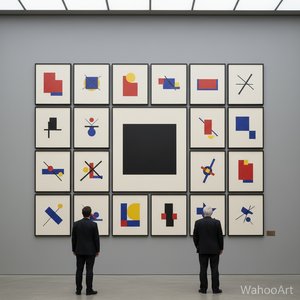
Kazimir Malevich 25 Mesterműve: Absztrakt Festészet és Lakberendezési Inspirációk
Fedezze fel Kazimir Malevich 25 legikonikusabb művészeti alkotását! Ismerje meg a szuprematizmus forradalmi világát, a Fekete Négyzet történetét és inspirálódjon modern lakberendezési ötletekkel. Múzeumi minőségű reprodukciók a OriginalUniqueArt.com-on!

A Fehér Szín Mesterei: 10 Híres Festmény, Amelyek Elvarázsolnak – OriginalUniqueArt.com
Fedezze fel a 10 legikonikusabb fehér tónusú festményt! Monet, Van Gogh és más mesterek alkotásainak története. Vászonképek, reprodukciók – inspiráció otthonába. OriginalUniqueArt.com: minőségi művészet online.