A szöveg mérete

() ·

Egy Önnek készült, kézzel festett alkotás

Paul Hartland Carnival. Composition with two masks .

Kézzel készített olajfestmény reprodukció

Kézzel festett olajvastú vászon, az Ön által választott méretben és keretben, művészeink készítik meglévőre. ( Váltás nyomtatványra Áttérés digitális képre)

A gyűjtemény leírása

Explore Laszlo Moholy-Nagy’s ‘Paul Hartland Carnival’! A surreal collage of masks & textures, blending pop art & psychedelic imagery. Discover this unique 1934 artwork.

A művész életrajza

Moholy-Nagy László (1895-1946): A látványos magyar festő, fotós és Bauhaus mester. Konstruktivista, új látás koncepciója, technológia integrációja – a modern művészet egyik meghatározó alakja.

előbb ·

1. fejezet

Mekkora méretű legyen?

Húzza a csúszkát a méret megváltoztatásához; a bal oldali kép a keret valós szélességét mutatja. Az eredeti arányok megmaradnak.

Standard méret
egyedi méretű
CM
INCH

Válasszon előre meghatározott méreteink közül, amelyek megfelelnek a műalkotás eredeti arányainak.

szélesség
magasság

Írja be a kívánt szélességet és magasságot, hogy illeszkedjen a keretéhez vagy a falához. Mivel ez kézzel festett alkotás, egy eltérő formájú méret esetén a művész akár festhet is valamivel többet a kép körül, vagy korolathat is belőle — az Ön döntésének megfelelően. A festés megkezdése előtt küldünk egy digitális tervezetet jóváhagyásra. Az oldalon látható kép nem tartalmazza a végeredményt — csak a tervezet mutatja meg a valódi eredményt.

2. fejezet

Hogyan érkezzen meg?

Válaszd ki a feszített vászon széleit

Válassza ki a keretet

Corner sample of the WhiteWrap canvas edge finish, stretched on tömörfa bars
Fehér Ft1
Corner sample of the BlurSideWrap canvas edge finish, stretched on tömörfa bars
Elmosódott szélek Ft1
Corner sample of the ExtendedWrap canvas edge finish, stretched on tömörfa bars
Kiterjesztett Ft1
Corner sample of the P118B picture frame: formázott polisztirol, 5 cm wide and 3 cm thick
P118B Ft10
Corner sample of the P118H picture frame: formázott polisztirol, 5 cm wide and 3 cm thick
P118H Ft10
Corner sample of the P118W picture frame: formázott polisztirol, 5 cm wide and 3 cm thick
P118W Ft10
Corner sample of the P438Z picture frame: formázott polisztirol, 5.5 cm wide and 3.5 cm thick
P438Z Ft10
Corner sample of the P508JH picture frame: formázott polisztirol, 7 cm wide and 3.5 cm thick
P508JH Ft12
Corner sample of the P508YH picture frame: formázott polisztirol, 7 cm wide and 3.5 cm thick
P508YH Ft12
Corner sample of the P805H picture frame: formázott polisztirol, 5 cm wide and 3.5 cm thick
P805H Ft10
Corner sample of the P805Z picture frame: formázott polisztirol, 5 cm wide and 3.5 cm thick
P805Z Ft10
Corner sample of the P919BZ picture frame: formázott polisztirol, 7 cm wide and 3.5 cm thick
P919BZ Ft10
Corner sample of the P919G picture frame: formázott polisztirol, 7 cm wide and 3.5 cm thick
P919G Ft10
Corner sample of the P919XJ picture frame: formázott polisztirol, 7 cm wide and 3.5 cm thick
P919XJ Ft10
Corner sample of the P959ZH picture frame: formázott polisztirol, 5 cm wide and 3 cm thick
P959ZH Ft10
Corner sample of the P968JZ picture frame: formázott polisztirol, 6 cm wide and 4 cm thick
P968JZ Ft12
Corner sample of the W106C picture frame: tömörfa, 5 cm wide and 3 cm thick
W106C Ft8
Corner sample of the W218G picture frame: tömörfa, 5 cm wide and 3 cm thick
W218G Ft10
Corner sample of the W218JH picture frame: tömörfa, 5 cm wide and 3 cm thick
W218JH Ft8
Corner sample of the W218Y picture frame: tömörfa, 5 cm wide and 3 cm thick
W218Y Ft10
Corner sample of the W307PJ picture frame: tömörfa, 6 cm wide and 3 cm thick
W307PJ Ft10
Corner sample of the W316G picture frame: tömörfa, 6 cm wide and 3 cm thick
W316G Ft10
Corner sample of the W316PJ picture frame: tömörfa, 6 cm wide and 3 cm thick
W316PJ Ft8
Corner sample of the W316Y picture frame: tömörfa, 6 cm wide and 3 cm thick
W316Y Ft10
Corner sample of the W398PJ picture frame: tömörfa, 5 cm wide and 3 cm thick
W398PJ Ft8
Corner sample of the W4111J picture frame: tömörfa, 6.5 cm wide and 3.5 cm thick
W4111J Ft10
Corner sample of the W500HY picture frame: tömörfa, 7 cm wide and 5 cm thick
W500HY Ft15
Corner sample of the W500JH picture frame: tömörfa, 7 cm wide and 5 cm thick
W500JH Ft15
Corner sample of the W692G picture frame: tömörfa, 8 cm wide and 4 cm thick
W692G Ft12
Corner sample of the W849H picture frame: tömörfa, 5 cm wide and 3 cm thick
W849H Ft8
Corner sample of the W940BG picture frame: tömörfa, 7.5 cm wide and 4.5 cm thick
W940BG Ft15
Corner sample of the W953PJ picture frame: tömörfa, 6 cm wide and 3.5 cm thick
W953PJ Ft8
Corner sample of the H24-GOLD picture frame: faragott fa gesszóval, 10 cm wide and 6 cm thick
H24-GOLD Ft30
Corner sample of the H24-SILVER picture frame: faragott fa gesszóval, 10 cm wide and 6 cm thick
H24-SILVER Ft30
Corner sample of the H36-GOLD picture frame: faragott fa gesszóval, 15 cm wide and 6.5 cm thick
H36-GOLD Ft45
Corner sample of the H36-SILVER picture frame: faragott fa gesszóval, 15 cm wide and 6.5 cm thick
H36-SILVER Ft45

Keretprofil: . A kerettel együtt vett teljes méret: .

3. fejezet

Ki festi, és változtatni kellene-e bármit?

Példák a módosíthatóságra: Az arc kicserélése a vásárló fotójára; háziállat hozzáadása (pl. macska kicserélése kutyára); rejtett üzenet elhelyezése a háttérben; a háttér tájéképének vagy elemeinek megváltoztatása.
A megrendelést követően a OriginalUniqueArt.com csapat e-mailt küld a vásárlónak az instrukciókkal, és biztosítja a tervezeti előnézetet

Világszerte elérhető szállítás () 3-4 hét alatt a szokásos 5 hét helyett. (5 november). A minőség nem kérdőjelezhető.

4. fejezet

Az utolsó finomhangolás

Egy felirat, mint egy múzeumban?

A gravírozott bronztábla részletei

This elegant plaque features the artist's name and the title of the artwork, finely engraved for a timeless presentation.

It is made from bronze with a refined, elegant finish. The text is precisely laser-engraved for a sharp and permanent result. Measuring 9x2 cm, the plaque is compact yet easy to read. It's built to be durable and scratch-resistant, offering a professional, museum-quality look. Mounting is simple thanks to the included adhesive backing.

Átlátszó akril tábla részletei

The plaque includes essential engraved details such as the artist's name, the title of the artwork, the date it was created, the type of media used-like oil on canvas or watercolor-a brief description of the piece, and a QR code that links to the complete artwork information.

It is crafted from clear acrylic, offering a sleek, modern appearance. The text is UV-engraved in black to ensure strong visual contrast. With a size of 10x15 cm, it ensures optimal readability. It comes equipped with two metal hooks for secure wall mounting. The plaque is designed to be weather-resistant, making it suitable for various environments, and it includes interactive features that work seamlessly with smartphone scanning.

Fekete akril tábla részletei

This elegant plaque includes engraved information such as the artist's name, the title of the artwork, the date it was created, the type of media used (like oil on canvas or watercolor), a short description of the artwork, and a QR code for quick access to more information.

The plaque itself is made from refined black acrylic with a premium finish. The text is laser-engraved in white for high contrast and readability. Its size is 10x15 cm, designed to be easy to read. It comes with two metal hooks for professional mounting. The design is sleek and fits any interior style. It is also weather-resistant and durable, with built-in digital integration for mobile compatibility.

Egy védőréteg?

Mikor lenne szüksége rá?

5. fejezet

Az Ön által megrendelt festmény

Paul Hartland Carnival. Composition with two masks .

Reprodukciós technika

Reprodukció mérete

-

Kiváló mesterművész

Nagyobb részletesség, finomság és bővített gyártási idő

-

Reprodukció keretezése

-

-

A bármely oldalsó méretét túlszálaló 105 cm (kb. 41 hüvelyk) meghaladó műalkotások vagy reprodukciók esetében a keret összeszerelhető készletként, szétszerelve kerül szállításra. Ez a módszer biztosítja a biztonságos szállítást, és megakadályozza a szállítás során fellépő sérüléseket.

Szakmész összeszerelést igényel – ez nem DIY (önösszeszerelhető) termék.
A készletet egy tapasztalt keretező szakembernek kell összeszerelnie és a vásznat feszítenie kell, fa ragasztó (nem tartalmazza a csomag), vásznfeszítő fogó és szorítók használatával, amelyek a ragasztó száradásáig a keretrészeket egymáshoz vuôngjba tartják. A helytelen összeszerelés vagy a nem egyenletes vásznfeszítés maradandó károsíthatja a műalkotást, és ez nem része a garanciánknak.

  • A készlet tartalmazza az összes tömörfa rudat, pontosan méretre vágva.

  • A mellékelt csavarokkal, valamint a sarokszerekhez szükséges faütő ragasztóval kell összeszerelnie (ez nem tartalmazható a csomagban), így a keretrendezőnek külön kell beszereznie.

  • A csomag nem tartalmazza a szükséges professzionális eszközöket: egy vászonfeszítőt és klipseket a rácsok vízszintes tartásához a ragasztó megszáradásáig.

Fontos:
A sarokcsatlakozásokhoz fánylagra van szükség, a keretrudakat szorítókapcsokkal kell rögzíteni, amíg a rag teljesen meg nem szárad, a kész keretre feszített vászonhoz pedig vászonfeszítő fogat szükséges. Ezek egyike sem található meg a készletben. Kérjük, rendelés előtt győződjön meg róla, hogy rendelkezik tapasztalt keretező szakemberrel.

Névtábla

-

-

Védőréteg (Lakk)

Fényes lakk (intenzívabb színek, védelem a fény és a nedvesség hatása ellen)

-

Műalkotásom egyedi igényre szabása

Példák a módosíthatóságra: az arc kicserélése az ügyfél fotójára; háziállat hozzáadása (pl. macska helyett kutya); rejtett üzenet elhelyezése a háttérben; a háttér tájainak vagy elemeinek megváltoztatása.

-

Sürgős

Világszerte szóló szállítás () mindössze 3-4 hét alatt, a szokásos 5 hét helyett. (5 november). A minőség nem kérdőjelezhető.

-

Express szállítás

Világszerte elérhető szállítás területre 5 héten belül. (12 november).

A szállítás díja tartalmazza

Összesített ár

Ft 105527

Összesített ár Ft 105527

Az üvegkeretes opció csak 110 cm alatti méretben érhető el

Minden rendelés mellé tartalmazva

  • Ingyenes globális expressz szállítás
  • Prémium minőségű len vászon
  • Teljes körű szállítási biztosítás
  • Vámvisszatérítési Garancia
  • Hiteles színarányosság garancia
  • 100 napos visszaküldési lehetőség (csak hibás termékek esetén)
  • 100% pénzvisszatérítési garancia
  • Több darab vásárlásakor kedvezmény

The Dreamlike World of László Moholy-Nagy: Unveiling “Paul Hartland Carnival”

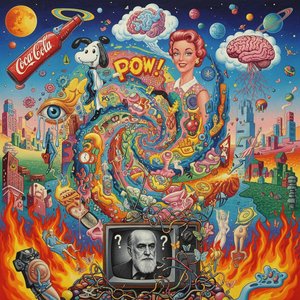
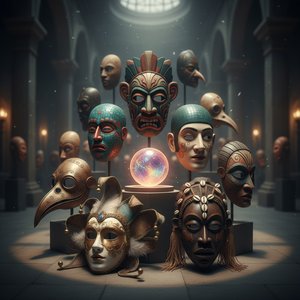
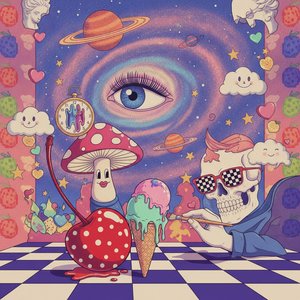
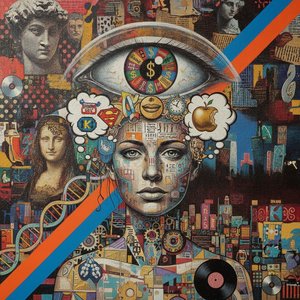
László Moholy-Nagy’s “Paul Hartland Carnival. Composition with two masks.”, created in 1934, isn't merely a painting; it’s an immersive journey into the subconscious, a vibrant collision of memory and illusion rendered in bold colors and fragmented forms. This artwork, now available as a high-quality reproduction through OriginalUniqueArt.com, stands as a testament to Moholy-Nagy’s pioneering spirit – his relentless experimentation with photography, collage, and the very nature of perception. It's a piece that immediately demands attention, pulling the viewer into its dreamlike atmosphere and prompting questions about identity, representation, and the power of visual language.

At first glance, the composition appears chaotic—two figures, their faces obscured by layers of textured material, dominate the central space. However, a closer look reveals a carefully orchestrated balance. Sharp angular lines intersect with softer curves, creating a dynamic tension that mirrors the complexities of human experience. The use of reflective surfaces – cellophane, perhaps, or other translucent materials – adds an ethereal quality, blurring the boundaries between reality and illusion. Fragments of what seem to be photographs, printed matter, and even architectural elements are interwoven, suggesting a world constructed from disparate memories and experiences.

A Pioneer of “New Vision”: Moholy-Nagy’s Artistic Philosophy

To fully appreciate “Paul Hartland Carnival,” it's crucial to understand the context of Moholy-Nagy’s artistic philosophy, which he termed "New Vision." Rejecting traditional notions of representation, he believed that photography could reveal hidden aspects of reality – a world beyond what the eye perceives. This concept profoundly influenced his work, leading him to experiment with photograms (images created by placing objects directly on light-sensitive paper) and other techniques designed to manipulate perception. He sought to capture not just appearances but also the *feeling* of a subject, translating it into visual form.

The artwork’s vibrant color palette – dominated by reds, yellows, and blues – further reinforces this sense of heightened emotion and subjective experience. These aren't naturalistic colors; they are deliberately chosen to evoke specific moods and sensations. The use of contrasting hues creates a dynamic visual rhythm, drawing the eye across the composition and adding to its overall intensity.

Historical Context: Dadaism, Constructivism, and the Dawn of Modernity

“Paul Hartland Carnival” was created during a period of profound social and artistic upheaval. The early 1930s witnessed the rise of Dadaism in Europe, a movement that challenged traditional notions of art and embraced absurdity and anti-establishment sentiment. Simultaneously, Constructivism – a Russian avant-garde movement focused on geometric abstraction and industrial materials – was gaining momentum. Moholy-Nagy’s work reflects these influences, blending elements of both styles while forging his own unique visual language.

His time at the Bauhaus school in Weimar further shaped his artistic approach, emphasizing design principles and exploring new technologies. The artwork's fragmented composition and use of unconventional materials can be seen as a direct response to the rapidly changing world around him – a world grappling with industrialization, urbanization, and the anxieties of modernity. It’s a visual echo of the era’s dynamism and uncertainty.

Symbolism and Emotional Resonance: A Portrait of the Psyche

While the specific meaning of “Paul Hartland Carnival” remains open to interpretation, it's clear that the two masked figures represent something deeper than mere portraits. They could symbolize duality, hidden identities, or perhaps the fragmented nature of selfhood. The masks themselves suggest a deliberate concealment, inviting us to question what lies beneath the surface.

Ultimately, this artwork is an invitation to engage with our own subconscious – to explore the layers of memory, emotion, and experience that shape our perceptions. It’s a powerful reminder of the transformative potential of art, capable of transporting us beyond the realm of the literal and into the depths of the human psyche. A reproduction of “Paul Hartland Carnival” offers a captivating glimpse into Moholy-Nagy's visionary world, bringing this extraordinary piece to your home or office.

Kérdések és válaszok

Mikor készült a(z) „Paul Hartland Carnival. Composition with two masks .”, László Moholy-Nagy alkotása?

A "Paul Hartland Carnival. Composition with two masks ." 1934-ban készült. Ez az időpont meghatározó jelentőséggel bír László Moholy-Nagy pályájában és az adott korszak kontextusában is.

Mekkora a fényerke „Paul Hartland Carnival. Composition with two masks .”, László Moholy-Nagy alkotása alkotásnak?

A „Paul Hartland Carnival. Composition with two masks .”, László Moholy-Nagy alkotása alkotás Bright Balance fényerőséggel rendelkezik. A fényerő azt mutatja meg, hogy a színek mennyire tűnnek visszafényesnek.

Milyen méretű "Paul Hartland Carnival. Composition with two masks ." ajánlott egy Living Room-hoz?

A Living Room helyiségbe a "Paul Hartland Carnival. Composition with two masks ." alkotáshoz egy Large méretű nyomtatást javasoljuk.

Több információ erről a festményről

Megtekintés AR előnézet Váltás nyomtatványra Áttérés digitális képre Küldés
Részletek Útmutató Kedvencekhez ad Letöltés Hasonló darabok X-ray felvétel Diavetítés Kérdések és válaszok Statisztika

Számokban kifejezve

  • 1934a festés éve
  • 29választható keretek
  • standard méretek, saját arányokkal
  • 5hetek a festésre és a kézbesítésre
László Moholy-Nagy

László Moholy-Nagy

1895 - 1946, Magyarország

Gyors információk László Moholy-Nagy művészről

  • Artistic Movement Or Style: Konstruktivizmus, Bauhaus
  • Artists Or Movements Influenced By This Artist: ['Marianne Brandt']
  • Artists Who Influenced This Artist: ['Robert Berény']
  • Date Of Birth: 1895. 7. 20.
  • Date Of Death: 1946. 11. 24.
  • Full Name: László Moholy-Nagy
  • Nationality: Magyar
  • Notable Artworks:
    • Kis kompozíció
    • Virág
    • Masszpszichózis
    • Nincs cím
    • Viadal
  • Place Of Birth: Bacsborsód, Magyarország

A művész életrajza

László Moholy-Nagy: A modern művészet és a Bauhaus úttörője

  • Született: Bacs-Kajala, Magyarország (1895)
  • Halála: 1946

László Moholy-Nagy egy rendkívül meghatározó magyar festő, fotós, szobrász és tervező volt, akinek művészete a 20. század egyik legfontosabb katalizátora volt. Legismertebb alkotásaival a Bauhaus iskolához tört mag себе, ahol a konstruktivizmus, a tipográfia, a fotográfia és a mozgó művészet (kinetikus művészet) terهén alapozta meg az új vizuális nyelv alapjait. Művészi filozófiája középpontjában a technológia és az ipar integrálása állt a képzőművészetbe, követelve egy olyan kreativitás új szemléletét, amely merészen befogadta a modern világ minden aspektusát.

Korai évek és művészi influenciák

A művész életútja Bacsborsódon kezdődött, ahol László Weisz néven született egy zsidó családban, majd később Moholy-Nálló nevet vett fel. Családja sorsát a korabeli politikai viharok kísértették, és nem kevésbé fontos, hogy unokatványa a világhírű dirigens, Solti Sir Georg volt. A budapesti jogkar studiuma után az első világháború katonai szolgálata során súlyos sérülést szenvedett, ami egy új irányba terelte az életét. Ez az időszak hozta férsz hozzá az avantgárd mozgalmakhoz: a „Jelenkor” folyóirat és Lajos Kassák „Ma” című lapja körüli aktivista körök révén lépett kapcsolatba a legújabb irányzatokkal. Később magyar fovista festő, Berény Róbert tanítványaként mélyült el a modern trendekbe, miközben rövid ideig a Magyarországi Tanácsköztársaságot is támogatta. Művészetét mélyen meghatározta a konstruktivizmus és a szuprematizmus, amelyek a geometriai absztrakciót és az ipari anyagok használatát hirdették – ezek a hatások később is megmaradtak alkotásainak esszenciájában.

A Bauhaus-évtizedek és az „Új Látás”

1923-ban Moholy-Nagy megérkezett a németországi Weimar Bauhaus iskolájába, ahol kezdetben Josef Alberssel együtt tanított az alapozó kurzusokon, majd idővel Johannes Itten helyét veszi át a fémiskola vezetőjeként. Megérkezése alapvető fordulatot hozott a suli számára: az expresszionizmus felől elmozdult a konstruktívabb, tervezésközpontú irány felé, összhangba hozva az intézmény eredeti céljaival. A legmeghatározóbb koncepciója az „Új Lánc” (Neues Sehen) volt, amely a fotográfia erejét használta fel arra, hogy a valóság olyan rétegeit mutassa meg, amelyek a szabad szem számára láthatatlanok. Ezen keresztül vált a fotogram technika egyik úttörőjévé is, ahol fényérzékeny papírra közvetlenül helyezve tárgyakat, kamera nélkül hozott létre lenyűgöző képeket. Szobrászati és tervezési munkálataiban a fémet, a plexiglasot és az elektromos világítást alkalmazta, hitét vallva arról, hogy a technológia és a művészet elválaszthatatlan egységet alkotnak.

Főbb eredmények és innovációk

Művészi munkássága egyik legkiemelkedőbb alkotása a 1930-ban befejezett „Lichtrequisit einer elektrischen bühne” (fény-tér modulátor) volt. Ez a kinetikus szobor mozgó alkatrészei és vetített fénye dinamikus mintákat rajzolt a környező felületekre, előképét szolgáltatva a későbbi fény- és mozgóművészetnek. Fotográfiai és filmgyártási kísérleteiben az absztrakciót, a textúrát és a mozgást kereste, gyakran alkalmazva a fotomontázst és az eksperimentális világítást. Nemcsak a képernyőn és a vászonon tevékenykedett: színházi díszleteket tervezett, reklámkampányokat alkotott, és Chicago-ban alapított új Bauhaus iskolát is, ahol generációk számára vált példamutatónak. Művészete sokoldalúsága – a kézműves terméktől a reklámtervezésig – hitelesen tükrözte designfilozófiáját.

Történelmi jelentőség

László Moholy-Nagy a 20. századi modern művészet egyik legfontosabb alakjaként áll ki a történelem frontján, képes áthidalni a szakaszokat a festészet, a szobrászat, a fotográfia és az ipari design között. Részvételével és tanításával alapjaiban formálta a Bauhaus tantervét és esztétikáját, amelynek hatása a globális designoktatáson túlmutat a korokon. Technológiai integráció híveként már korai szakaszban megjósolta a kortárs művészet számos fejlődését. Az „Új Látás” öröksége ma is inspirációt nyújt a fotográfusoknak és művészeknek, arra ösztönözve őket, hogy folyamatosan keresniék a perceptáció és a reprezentáció új határait a leginnovatívabb technikák segítségével.

Gyors információk

  • Notable elements: Masks, textures
  • Title: Paul Hartland Carnival
  • Location: Gemeentemuseum, Hague
  • Artist: László Moholy-Nagy
  • Year: 1934