- Főoldal

- Vászonra nyomtatás
- Lasar Segall
- Maternidade
 Készíttetnék festményként Kép letöltése
 Megosztás
 Megosztás
 Részletek
 Kedvencekhez ad

 Letöltés
 Hasonló alkotások
 X-ray felvétel
 Diavetítés
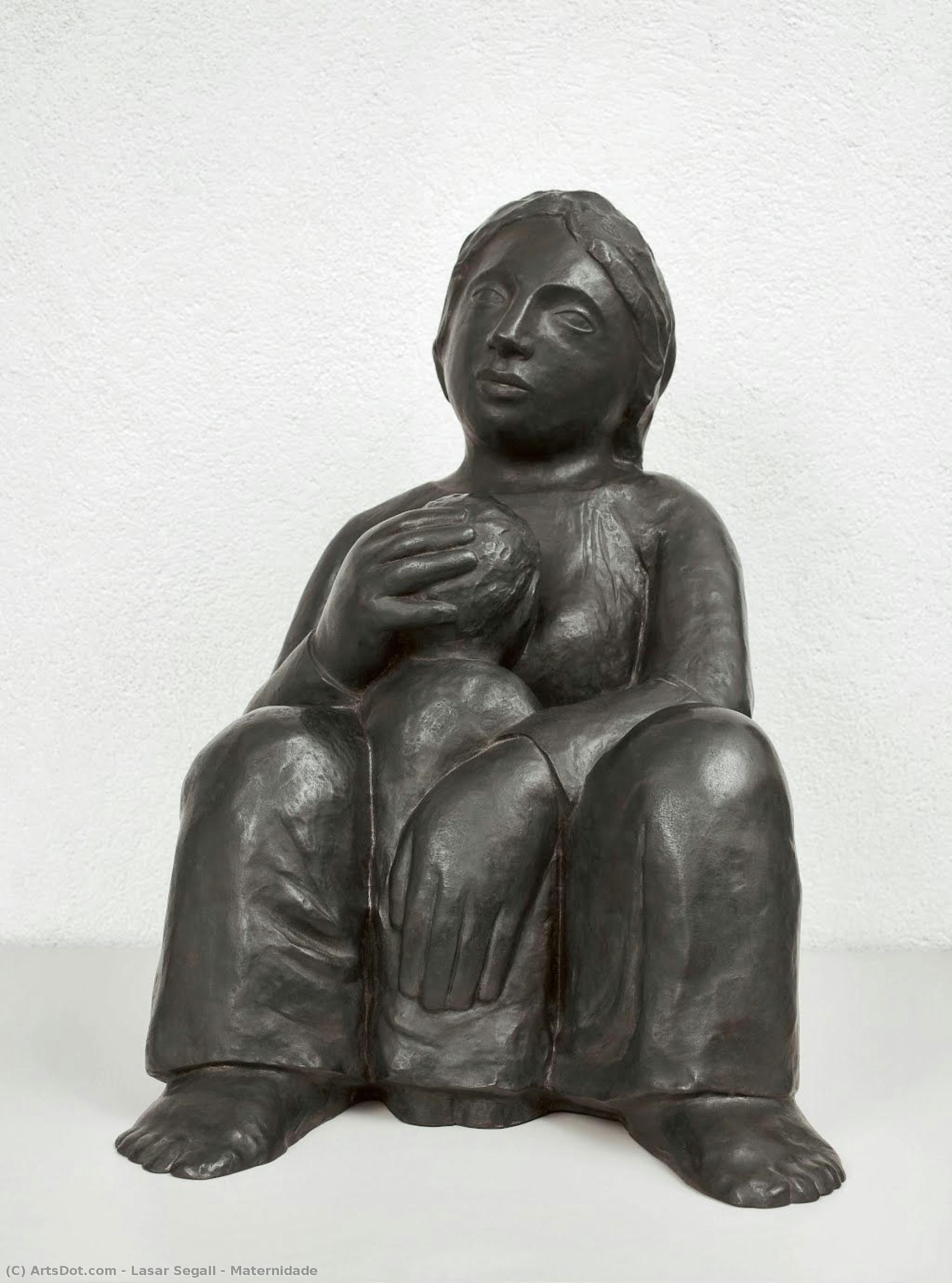
Maternidade
 Olajfestmény vászonon
- Falfeldísz
 Reneszánsz
 5.0 x 44.0 cm
 Museu Lasar Segall
 Tovább olvasom
Giclée / Műnyomat
Múzeumi minőségű giclée vagy vászonnyomat, gyors gyártással és rugalmas finomítási lehetőségekkel.




P118B $10

P118H $10

P118W $10

P438Z $10

P508JH $12

P508YH $12

P805H $10

P805Z $10

P919BZ $10

P919G $10

P919XJ $10

P959ZH $10

P968JZ $12

W106C $8

W218G $10

W218JH $8

W218Y $10

W307PJ $10

W316G $10

W316PJ $8

W316Y $10

W398PJ $8

W4111J $10

W500HY $15

W500JH $15

W692G $12

W849H $8

W940BG $15

W953PJ $8




Válasszon előre meghatározott méreteink közül, amelyek megfelelnek a műalkotás eredeti arányainak.

Megadhat saját méreteket is egy konkrét kerethez vagy helyszínhez igazítva. Amennyiben a kiválasztott méret nem egyezik az eredeti kép arányokkal, a műalkotást le fogjuk vágni, vagy kiegészítjük a képet tükrözött vagy egyszínű szélekkel. A gyártás megkezdése előtt egy digitális tervezetet küldünk jóváhagyásra.
Kérjük, vegye figyelembe, hogy a képernyőn látható előnézet nem tükrözi a tényleges levágást vagy kiegészítést. Csak a tervezet mutatja pontosan a végső kompozíciót.
Bár az egyedi méretek is elérhetőek, az eredeti arányok megőrzése érdekében azt javasoljuk, hogy válasszon a előre meghatározott listából származó méretet.
Világszerte történő kiszállítás területére 2 hét alatt, a szokásos 4-5 hét helyett. 20 július

Ingyenes globális expressz szállítás

Prémium minőségű len vászon

Teljes szállítási biztosítás

Vámvisszatérítési Garancia

Tökéletes színpontosság garancia

60 napos visszaküldési lehetőség (csak gyártási hibák esetén)

100%-os pénzvisszatérítési garancia

Kedvezmény több termény esetén
 Az üvegkeretes opció csak 110 cm alatti méretben érhető el

Maternidade
Giclée / Műnyomat
A reprodukció mérete
-


Összesített ár
-
Termékinformációk
Maternidade: A Symphony of Vulnerability
Lasar Segall’s “Maternidade” isn't merely a depiction of a mother and child; it’s a profoundly moving exploration of the primal connection between generations, rendered with an intensity that speaks directly to the heart. Painted in 1935 during a period of immense personal and societal upheaval – Segall himself was a refugee navigating the complexities of displacement and artistic expression – this work stands as a testament to his unwavering commitment to portraying the human condition with brutal honesty and remarkable sensitivity. The painting’s power lies not just in its subject matter, but in the masterful way Segall utilizes color, form, and symbolism to evoke a deeply emotional response.
Composition and Technique
The composition is strikingly direct, almost brutally so. A woman, rendered with deliberate solidity yet imbued with an undeniable fragility, cradles her infant son within her arms. The child’s face remains largely obscured – a crucial element that amplifies the sense of mystery and protection surrounding the mother. Segall's technique is characterized by a controlled expressiveness; he employs thick, textured brushstrokes, particularly in the rendering of the woman’s garments and the baby’s blanket, creating a palpable sense of tactile reality. The use of oil on canvas allows for rich color saturation and subtle gradations, contributing to the painting’s somber yet comforting atmosphere. Noticeable are the Cubist influences – fragmented forms and multiple perspectives subtly suggesting the fractured nature of identity often associated with displacement, but skillfully integrated to enhance emotional resonance rather than purely intellectual abstraction.
Color and Symbolism
The color palette is deliberately restrained, dominated by earthy browns, muted greens, and touches of ochre. These colors aren’t simply decorative; they evoke a sense of groundedness, reflecting the primal connection between mother and child, while simultaneously hinting at the hardships endured by those displaced from their homes – a direct echo of Segall's own experiences. The obscured face of the child is particularly significant, representing not just innocence but also the unknown future, the potential for both joy and sorrow. The overall effect is one of quiet contemplation, inviting viewers to consider themes of loss, resilience, and the enduring power of familial bonds.
A Reflection of Segall’s Life
“Maternidade” is inextricably linked to Lasar Segall's life story. Fleeing persecution in Lithuania during the early 20th century, he eventually settled in Brazil, carrying with him a deep sense of loss and a profound understanding of displacement. This painting can be interpreted as a powerful meditation on this experience – a testament to the resilience of the human spirit and the enduring need for connection amidst chaos. Segall’s work is deeply rooted in his Jewish heritage, reflecting both his personal struggles and his artistic vision. It's a poignant reminder that art can be born from suffering, transforming pain into beauty and offering a voice to those who have been silenced.
Collecting “Maternidade”
This hand-painted reproduction captures the essence of Segall’s masterpiece, allowing you to bring this powerful work of art into your home or office. Each reproduction is meticulously crafted by skilled artisans, ensuring exceptional detail and color accuracy. “Maternidade” is more than just a painting; it's an investment in beauty, emotion, and the enduring legacy of one of modernism’s most compelling figures.
A művész életrajza
A Life Forged in Displacement: The Journey of Lasar Segall
Lasar Segall’s life was a testament to the power of art born from displacement and suffering, a narrative etched onto canvas with raw emotion and innovative technique. Born on July 21, 1891, in Vilnius, Lithuania—then part of the Russian Empire—Segall inherited a profound connection to his Jewish heritage through his father, a Torah scribe. This early immersion in tradition would become a recurring undercurrent throughout his artistic explorations, even as he navigated a world increasingly defined by upheaval and change. His formative years were steeped in the anxieties of a society grappling with political unrest and religious persecution, themes that would later dominate his work. The seeds of an artist acutely sensitive to human vulnerability were sown early, nurtured by a childhood shadowed by uncertainty.From Berlin to Brazil: A Blossoming Artistic Voice
At fifteen, Segall embarked on a journey that would irrevocably shape his artistic trajectory, moving to Berlin in 1906 to study at the Königliche Akademie der Künste. This immersion into the vibrant German art scene proved pivotal, exposing him to new ideas and techniques while simultaneously solidifying his commitment to self-expression. He continued his studies in Dresden, becoming a “Meisterschüler” at the Kunstakademie, where he began developing a distinctive style characterized by troubled figures inhabiting claustrophobic spaces, their features often exaggerated to convey profound emotional distress. These early works were not merely representations of form; they were visceral expressions of alienation and suffering, influenced by African tribal art and foreshadowing the Expressionist movement that would soon claim him as one of its own. Segall’s involvement with the Dresden Secession Gruppe in 1919, alongside artists like Otto Dix and Conrad Felixmüller, marked a significant step toward artistic independence and a rejection of conventional norms. However, the turbulence of post-war Europe fueled his desire for a new beginning. In 1923, he made the momentous decision to relocate to São Paulo, Brazil, joining siblings who had already established themselves in the country. This move proved transformative, not only offering him refuge but also exposing him to a culture brimming with vibrant colors, diverse influences, and a unique energy that would infuse his art with new life.Brazilian Rhythms and Modernist Visions
Brazil became more than just a haven for Segall; it was a catalyst for artistic reinvention. He quickly embraced the country’s multifaceted identity, drawing inspiration from its bustling cities, lush landscapes, and diverse population. The red-light districts of Rio de Janeiro, the lives of plantation workers, and the vibrant energy of the favelas all found their way onto his canvases. His participation in the pivotal Semana de Arte Moderna (Modern Art Week) in 1922 solidified his position as a leading figure in the Brazilian modernist movement, challenging traditional artistic conventions and paving the way for a new era of creative expression. While retaining elements of Expressionism, Segall’s style evolved towards a more Cubist-influenced approach, reflecting the dynamic forms and bold colors of Brazilian life. He became a Brazilian citizen, fully immersing himself in the cultural landscape while continuing to explore universal themes of human suffering, displacement, and identity.A Legacy of Empathy and Social Commentary
The mature phase of Segall’s career was marked by a deepening exploration of portraiture, landscapes imbued with social commentary, and a continued commitment to portraying the marginalized and oppressed. His portraits, such as “Portrait of Lucy” (1937) and “Lucy with Flower” (1942), are particularly poignant, capturing not just physical likeness but also the inner lives and emotional complexities of his subjects. These works demonstrate an extraordinary ability to convey empathy and understanding through expressive brushwork and a keen sensitivity to human emotion. His landscapes often served as vehicles for social critique, reflecting on the realities of poverty, inequality, and injustice in Brazil. Throughout his life, Segall remained deeply connected to his Jewish heritage and experiences as an immigrant, themes that consistently resurfaced in his art. He died on August 2, 1957, leaving behind a rich artistic legacy that continues to resonate with audiences today. The Museu Lasar Segall in São Paulo, housed in his former residence and studio, stands as a testament to his enduring influence and provides invaluable insight into the life and work of this remarkable artist—a pivotal figure who bridged European traditions with Brazilian realities, leaving an indelible mark on the landscape of modern art. His work remains a powerful reminder of the importance of empathy, social consciousness, and artistic integrity.
Lasar Segall
1891 - 1957 , Lithuania
Rövid tények
- Artistic Movement Or Style: Expressionism, Modernism
- Artists Or Movements Influenced By This Artist: ['Brazilian modern artists']
- Artists Who Influenced This Artist: ['African tribal art']
- Date Of Birth: July 21, 1891
- Date Of Death: August 2, 1957
- Full Name: Lasar Segall
- Nationality: Lithuanian-Brazilian
- Notable Artworks:
- Lucy with Flower
- Portrait of Lucy
- Place Of Birth: Vilnius, Lithuania
Kapcsolódó cikkek
A '07-Modern' Művészet 10 Legikonikusabb Remekműve – Festmények, Vászonképek és Otthoni Dekorációk
Fedezze fel a '07-Modern' művészet 10 legikonikusabb remekművét! Picasso, Matisse és Dalí alkotásainak története, absztrakt festmények inspirációja. Vászonképek, reprodukciók otthonába – OriginalUniqueArt.com.

Umberto Boccioni: Dynamism, Futurist Ideals & the Evolution of Modern Sculpture
Explore the revolutionary art of Umberto Boccioni, a leading figure of Futurism. Discover his iconic sculptures & paintings, and delve into the movement's impact on modern art history with OriginalUniqueArt.
Figurative Expressionism: Emotional Intensity & Subjective Reality in 20th-Century Art
Explore the powerful world of Figurative Expressionism with OriginalUniqueArt. Discover key artists like Kirchner & Beckmann, understand its emotional depth, and learn how to collect this influential 20th-century art movement.
A művészettörténet 10 ikonikus olajfestménye – OriginalUniqueArt.com
Fedezze fel a művészettörténet 10 legikonikusabb olajfestményét! Leonardo, Van Gogh, Rembrandt és más mesterek remekművei – történetükkel, technikájukkal. Vászonképek otthonába a OriginalUniqueArt.com-on! Fedezze fel a teljes gyűjteményt online.

The Enduring Allure of Marble in Art History: From Classical Sculpture to Modern Abstraction
Explore the captivating history of marble sculpture from ancient Greece to modern art. Discover renowned artists like Canova & Michelangelo, carving techniques, and investment insights at OriginalUniqueArt.


